New COVID-19 Variant Emerges in 2025: Essential Traveler Guidance

As we navigate 2025, a new COVID-19 variant (currently designated JN.1.XX by global health authorities) has emerged, prompting understandable questions for travelers. While vigilance is key, panic isn’t necessary. Here’s what you need to know to travel smartly and safely:

1. What We Know About the JN.1.XX Variant

  • Origin & Spread: Descended from the Omicron lineage (like the previous JN.1 variant), JN.1.XX demonstrates increased transmissibility. It’s rapidly becoming dominant in multiple regions.
    (World Health Organization (WHO) – Tracking Variants)
  • Symptoms: Reports suggest symptoms remain similar to recent Omicron variants: primarily upper respiratory (runny nose, sore throat, cough, fatigue, headache). Loss of taste/smell is less common. Severity appears generally mild-to-moderate for most vaccinated individuals, but can vary.
  • Vaccine/Efficacy: Current evidence indicates updated 2024-2025 COVID-19 vaccines continue to provide significant protection against severe disease, hospitalization, and death from JN.1.XX. Protection against infection may wane over time.
    (CDC – Stay Up to Date with COVID-19 Vaccines)

2. Current Travel Restrictions & Requirements (June 2025)

The landscape is fluid! Rules vary significantly by country and can change rapidly:

  • Testing: Some destinations may reinstate pre-departure or arrival testing requirements, particularly for unvaccinated travelers. Always check before you book and immediately before travel.
    (Kayak Travel Restrictions Map)
  • Vaccination Proof: While many countries lifted mandates, some may require proof of vaccination (especially the latest booster) or recovery for entry. Carry digital/physical copies.
  • Quarantine: Targeted quarantine rules may apply for symptomatic arrivals or those testing positive. Know your destination’s policy.
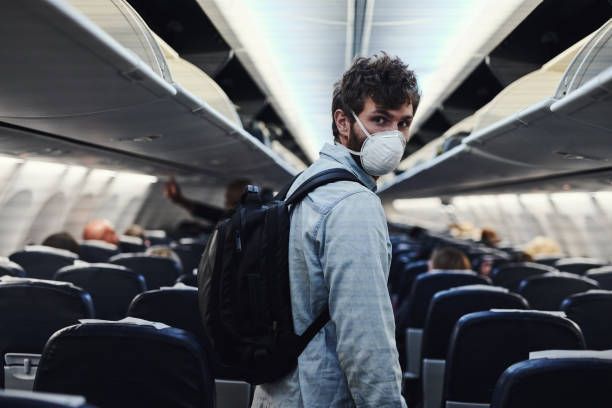
  • Mask Mandates: Airline and airport policies vary. Some countries or specific settings (hospitals, public transport) might still require masks. Pack high-quality masks (N95/KN95/KF94).
3. Essential Precautions for Travelers

  • Get Boosted: The single most important step. Ensure you’ve received the latest 2024-2025 COVID-19 booster designed to target recent variants. Allow 2 weeks for full effect before travel.
    (Find Vaccines – Vaccines.gov)
  • Pack a Travel Health Kit: Include high-quality masks, rapid antigen tests, hand sanitizer (>60% alcohol), and basic fever/pain relievers.
  • Consider Travel Insurance: Choose a policy covering COVID-19-related medical expenses and trip interruptions/cancellations. Read the fine print carefully.
  • Test Strategically: Test yourself before meeting vulnerable individuals or joining group tours. Test if you develop symptoms during travel.
  • Prioritize Air Quality & Hygiene: Choose well-ventilated spaces when possible. Maintain good hand hygiene, especially before eating/touching your face.
  • Have a Contingency Plan: Know what to do and where to go if you test positive abroad (isolate, seek medical care, contact accommodation/airline, understand local isolation rules).

4. Staying Informed is Crucial

Travel Smart, Travel Safe

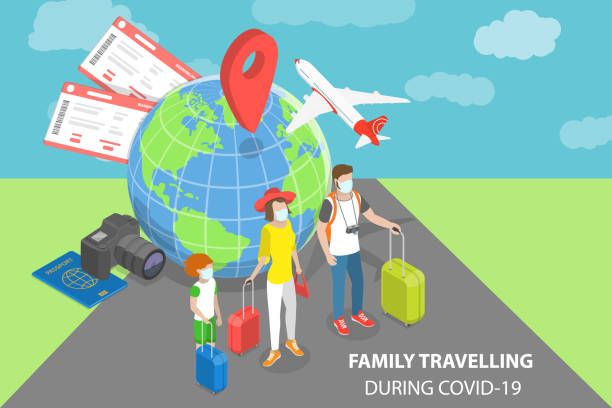
The emergence of JN.1.XX is a reminder that COVID-19 remains part of our global health landscape. By staying updated on vaccinations, diligently checking travel requirements, packing smartly, and staying informed through official channels, travelers can significantly mitigate risks. Responsible travel—protecting yourself and others—remains paramount. Enjoy your adventures, but do so with awareness and preparation.
Disclaimer: This information is current as of June 2025. COVID-19 regulations and variant situations evolve rapidly. Always consult official government and health organization sources immediately before and during travel for the absolute latest requirements and guidance.

Dr. Mohammad Rizwan Feroz

Top 10 Essential Tools for Travel Medicine Practitioners

Travel medicine demands agility, up-to-date resources, and specialized tools. Whether you’re advising patients pre-trip or managing illnesses abroad, these digital and physical tools streamline care. Here’s our curated toolkit:

1. CDC Travelers’ Health – Destination Guides

  • Function: Country-specific vaccine/medication recommendations, outbreak alerts.
  • Integration: Link directly to CDC pages for each destination. CDC Thailand Guide

2. WHO Vaccine Requirements Map

  • Function: Legally mandated vaccines (e.g., YF) by country.
  • Integration: Embed WHO’s interactive map using their iframe code

3. GeoSentinel Surveillance Network

  • Function: Real-time global disease outbreak alerts.
  • Integration: Link to GeoSentinel (registration required for full access)

4. Travel Health Pro (UK NaTHNaC)

  • Function: UK-based clinical guidelines, malaria prophylaxis.
  • Integration: Direct link to country advice pages

5. Epocrates or UpToDate Mobile

  • Function: Drug interactions, dosing, disease management.
  • Integration: App download links (ensure affiliate disclosures if applicable)

6. Aura: Travel Health App

  • Function: Patient-facing app for storing vaccine records/clinic locators.
  • Integration: Co-branded partnership or referral link

7. TropNet Surveillance Data

  • Function: Emerging tropical disease trends in travelers.
  • Integration: Link to TropNet reports

8. Portable Telemedicine Kit

  • Function: Remote consults (stethoscope, otoscope, high-res camera).
  • Integration: Affiliate links to brands like TytoCare or Butterfly iQ+

9. Travax (Shoreland)

  • Function: Automated itinerary-based recommendations (subscription).
  • Integration: Offer a free demo link or clinic sign-up page

10. Google Translate + Offline Packs

  • Function: Real-time translation for patient interactions.
  • Integration: Link to Google Translate with tips for offline use

Doctor’s Toolkit Resource Section


Tool/App Function Link/Integration
CDC Travelers’ Health Destination-specific advisories Direct Link
WHO Vaccine Map Legally required vaccines by country Embed Map
GeoSentinel Global outbreak alerts Member Access
Aura Travel Health Digital vaccine records for patients Clinic Partnership

Key Legal & Strategic Tips

  • Linking Legally: Use target=”_blank” rel=”noopener noreferrer” for external links. Safe to link/embed CDC/WHO. Disclose any partnerships for commercial tools.
  • Content Integration: ✅ Summarize + deep link. ❌ Avoid embedding licensed content.
  • SEO Strategy: Use keywords like “travel vaccine tool,” “malaria prophylaxis app” etc.
  • User Experience: Add filters and offer printable PDF checklist for clinics.

Why This Works

  • Trust-Building: Uses authoritative sources
  • Utility: Solves real problems like offline access/language
  • Low-Risk: Maintains copyright compliance

Dr. Mohammad Rizwan Feroz 🩺✈️


Hajj Health Essentials: Mandatory Precautions, Tests, Vaccines & Insurance

Preparing Spiritually and Physically for the Journey of a Lifetime

Undertaking Hajj is a profound spiritual journey, but Saudi Arabia enforces strict health protocols to protect pilgrims amid extreme heat and dense crowds. Failure to comply may result in denied entry. Here’s what you must know:


1. Non-Negotiable Vaccinations

(Mandatory for Hajj Visa Approval)

Vaccine Requirement Details Validity/Timing
Meningococcal (ACWY) Mandatory for all pilgrims. Protects against meningitis strains common in crowded settings. Administered ≥ 10 days before arrival. Valid for 5 years. Proof required.
Seasonal Influenza Required for pilgrims from high-risk countries (check annually). Highly recommended for all. Current season’s vaccine. Ideal timing: 2–4 weeks pre-travel.
COVID-19 Based on current Saudi MOH guidelines (verify yearly). Often requires primary series + booster. Check approved vaccines (e.g., Pfizer, Moderna). Negative PCR tests may suffice.
Polio Mandatory if arriving from polio-endemic countries (e.g., Afghanistan, Pakistan). Oral dose on arrival may apply. Proof of vaccination + booster within past year.

📌 Pro Tip: Routine vaccines (MMR, Tetanus, Hepatitis A/B) are strongly recommended but not Hajj-mandatory.


2. Health Documentation & Permits

  • Hajj e-Visa Health Form: Submit via Saudi’s Muqeem portal with vaccination proofs.
  • Medical Fitness Certificate: Required for pilgrims >65 years or with chronic conditions (diabetes, heart/kidney disease). Must include:
    • Physician’s clearance note
    • Recent lab tests (blood sugar, kidney/liver function)
  • Pregnancy Restrictions: Saudi bans pregnant women from Hajj. Tests may be required for women of childbearing age.

3. Critical Health Precautions

  • Heat & Hydration:
    • Temperatures exceed 45°C (113°F). Carry electrolyte sachets.
    • Avoid dehydration: Drink 3–5 liters of bottled water daily.
    • Recognize heatstroke signs: dizziness, no sweating, confusion.
  • Crowd & Infection Risks:
    • Wear N95 masks in congested areas (Mina, Jamarat).
    • Use hand sanitizer rigorously – respiratory illnesses spread rapidly.
    • Diabetics: Pack extra insulin (cooling pouch required).
  • Medication Rules:
    • Carry prescriptions + Arabic translation.
    • Banned substances: Narcotics, CBD, amphetamines (strict penalties).

4. Mandatory Health Insurance

(Hajj-Specific Requirements)

  • Coverage Must Include:
    • COVID-19 testing/treatment
    • Heatstroke emergencies
    • Medical evacuation/repatriation
    • Minimum coverage: $100,000 USD
  • Proof Required: Submit insurance certificate during visa processing.

5. Key Timeline

(Start 8 Weeks Before Departure)

Timing Action Item
8 Weeks Out – Book travel clinic appointment.
– Start meningitis/flu vaccines.
4 Weeks Out – Complete all vaccines.
– Organize medication supplies.
2 Weeks Out – Finalize medical certificate.
– Upload documents to Muqeem portal.
Travel Day – Carry vaccine records, insurance, prescriptions IN HAND LUGGAGE.

Saudi-Approved Resources

⚠️ Reminder: Rules change annually. Verify all details 60 days pre-travel via Saudi embassies.


Final Advice: Pilgrims with chronic conditions (e.g., dialysis patients) must coordinate with Saudi-accredited medical agencies. Hajj is physically demanding – prioritize your health to focus on spirituality.

May your journey be accepted and safe! 🌙


Disclaimer: This article reflects 2025 Hajj guidelines. Always consult Saudi MOH and your travel clinic for updates.

Dr. Mohammad Rizwan Feroz