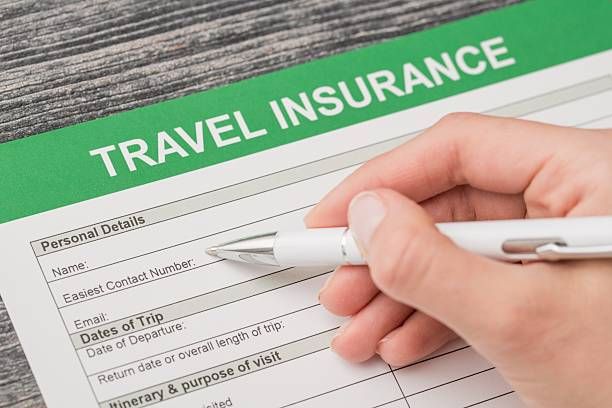
Travel Insurance Decoded: Essential Medical Coverage for Every International Traveler

Imagine this: You’re hiking in the Swiss Alps when a sudden slip results in a broken ankle. Or perhaps a severe stomach bug strikes during a business trip to Singapore. Without adequate travel insurance, these medical emergencies abroad can spiral into logistical nightmares and financial catastrophes. For international travelers, robust medical coverage isn’t a luxury—it’s a lifeline.

International traveler with travel insurance documents at airport terminal

Why Medical Coverage is Non-Negotiable

Your domestic health insurance likely offers limited or zero coverage overseas. Even in countries with affordable healthcare, costs for serious emergencies (like hospital stays, surgeries, or evacuations) can easily soar into six figures. The U.S. State Department explicitly advises travelers to carry medical coverage, noting that U.S. Medicare/Medicaid doesn’t work abroad. Without it, you risk:

  • Crushing medical bills
  • Denied care without upfront payment
  • Complex, self-funded evacuations
Traveler completing medical travel insurance form before departure

What Quality Medical Travel Insurance Covers

Look for plans explicitly including:

  1. Emergency Medical Expenses: Hospital stays, surgeries, doctor visits, prescription meds.
  2. Emergency Dental Treatment: Sudden pain relief or essential repairs.
  3. Medical Evacuation: Air ambulance to the nearest qualified facility (critical in remote areas).
  4. Repatriation: Returning you home or bringing remains back if the worst happens.
  5. 24/7 Assistance Services: Multilingual help coordinating care and payments.
Emergency room with multilingual signage in a foreign country

Pre-Existing Conditions: Navigating the Fine Print

This is a major pitfall. Most standard policies exclude pre-existing conditions (e.g., heart disease, diabetes). However, you CAN get coverage:

  • Look for Waiver Eligibility: Many insurers waive the exclusion if you buy coverage within 10-21 days of your first trip deposit and are medically stable.
  • Specialized Plans: Companies like GeoBlue or Allianz offer plans specifically covering stable pre-existing conditions (check stability periods).
  • Honesty is Key: Disclose conditions upfront. Denial due to non-disclosure voids claims.

Traveler reviewing medications and pre-existing condition coverage

Choosing the Right Plan: Key Considerations

  • Destination: Costs vary wildly (e.g., $100k+ for ICU care in the U.S. vs. lower costs elsewhere). Ensure coverage limits ($250k-$1M+) match local healthcare costs.
  • Activities: Skiing, scuba diving, or trekking? Standard plans often exclude “adventure sports.” Add a rider if needed.
  • Trip Duration: Short-term vs. annual multi-trip policies.
  • Deductible/Co-Insurance: Higher deductibles lower premiums but increase out-of-pocket costs during a claim.
  • Provider Reputation: Choose insurers with proven claims support and global networks (e.g., IMG, WorldTrips, Seven Corners). Verify via AM Best ratings.

The Claims Process: Be Prepared

  1. Contact Immediately: Call your insurer’s assistance hotline before treatment (unless life-threatening).
  2. Document Everything: Keep itemized bills, medical reports, receipts, and police reports (if applicable). Take photos if possible.
  3. Submit Promptly: Complete claim forms accurately with supporting documents.
Filing a medical insurance claim from abroad after treatment

Common Exclusions to Avoid Pitfalls

Even comprehensive plans exclude:

  • Routine checkups or pre-existing conditions (without a waiver)
  • Injuries from alcohol/drug use or reckless behavior
  • High-risk activities (without a rider)
  • Travel to destinations under government sanctions or active travel advisories (check the U.S. State Department Alerts)

Final Prescription for Peace of Mind

Don’t gamble with your health—or finances. Prioritize plans with strong medical and evacuation coverage, understand exclusions, and declare pre-existing conditions transparently. Investing in tailored medical travel insurance ensures you explore the world confidently, knowing you’re protected against the unexpected.

Ready to Travel Safely?

Compare policies using reputable aggregators like

Squaremouth or InsureMyTrip.

Verify coverage details directly with providers and always carry your insurance ID and emergency contacts.

Disclaimer: This article provides general guidance. Policy terms vary significantly—always read your specific plan documents carefully before traveling.

Dr.Mohammad Rizwan Feroz

👍 Found this helpful? Show some love & follow us on Instagram @doctortravellog for expert tips & fresh updates!

💬 Got thoughts or questions? React below or drop a quick comment — no login needed!

❤️ 😮 🤔 👍 👎


Malaria Prevention Guide: Zones, Medication Options & Bite Avoidance

By Dr Mohammad Rizwan Feroz Emergency Physician & Founder of DoctorTravelLog

A close-up of a mosquito on human skin, symbolizing malaria prevention

As an emergency doctor who’s treated travelers battling preventable diseases, I’ve seen malaria’s devastating impact firsthand. This isn’t “just a fever”—it’s a parasitic infection killing over 600,000 people yearly (WHO, 2024). But with smart preparation, your risk plummets. Here’s your evidence-based prevention blueprint.

🗺️ Part 1: Know Your Risk – Malaria Zones Explained

Malaria isn’t uniformly distributed. Risk depends on:

  • Geography: Tropical/subtropical zones (Sub-Saharan Africa, South Asia, Latin America, Oceania).
  • Altitude: Rare >2,000m (6,500 ft).
  • Season: Highest during/after rainy seasons.
  • Urban vs. Rural: Cities generally lower risk (exceptions: Africa, India).

Highest-Risk Regions (CDC 2024):

  • 🌍 Sub-Saharan Africa: 95% of global malaria deaths. Plasmodium falciparum (severe/complicated malaria) dominates.
  • 🌏 Southeast Asia: Cambodia, Laos, Myanmar; rising artemisinin resistance.
  • 🌎 Amazon Basin: Brazil, Peru, Colombia. P. vivax and P. falciparum.
  • 🏝️ Papua New Guinea/Solomon Islands: High transmission.

Action Step: Check the CDC Malaria Map or WHO Malaria Threat Index 8 weeks pre-travel.

💊 Part 2: Anti-Malarial Medications – A Doctor’s Breakdown

Medication is non-negotiable in high-risk zones. Options depend on destination, health history, and trip duration:

Medication Dosage & Timing Best For Key Precautions
Atovaquone-Proguanil (Malarone®) 1 tab daily. Start 1-2 days pre-trip; continue 7 days post. Short trips, last-minute travelers. Low side effects. Avoid if pregnant/breastfeeding or severe kidney disease.
Doxycycline 100mg daily. Start 1-2 days pre-trip; continue 4 weeks post. Long-term travelers, budget-conscious. Sun sensitivity (use SPF 50+), not for kids <8, or pregnancy.
Mefloquine (Lariam®) 1 tab weekly. Start 2-3 weeks pre-trip; continue 4 weeks post. Regions with chloroquine resistance. Screen for depression/anxiety/psychosis history. Avoid if cardiac issues.
Tafenoquine (Arakoda®) Loading dose pre-trip, then weekly. Stop 1 week post. Adults only; prevents relapse of P. vivax. Requires G6PD testing first (risk of hemolysis).

I recommend double-checking drug interactions on Medscape. Here’s the link:

⚠️ Critical Notes from the ER:
No medication is 100% effective—combine with bite prevention.
– Start meds early to test tolerance pre-travel.
Finish the full course post-trip (relapses occur with P. vivax/ovale).

🦟 Part 3: Bite Avoidance – Your First Line of Defense

Mosquitoes carrying malaria bite dusk to dawn. My top strategies:

  1. Repellents:
    • DEET (20-50%): Gold standard. Lasts 6-12 hours. Safe for kids >2 months.
    • Picaridin (20%): Odorless, non-greasy. Comparable to DEET.
    • IR3535 (20%): Safe for pregnancy/kids. Shorter duration (4-6 hrs).
    • Avoid: “Natural” repellents (lemon eucalyptus lasts <2 hrs).
  2. Clothing:
    • Permethrin-treated gear: Kills mosquitoes on contact. Lasts 70+ washes.
    • Cover skin: Long sleeves/pants in loose, light-colored fabric.
  3. Sleep Protection:
    • Air-conditioned rooms or screened windows.
    • Permethrin-treated bed nets (check for holes; tuck under mattress).
  4. Environmental Tactics:
    • Avoid stagnant water (mosquito breeding sites).
    • Use plug-in repellent devices (metofluthrin) in hotel rooms.

👩‍⚕️ Special Populations: Extra Precautions

  • Pregnant Travelers: Malaria risks miscarriage/stillbirth. Avoid travel to high-risk zones. If essential: mefloquine (2nd/3rd trimester) + permethrin nets.
  • Children: DEET (20-30%) safe >2 months. Weight-based Malarone® dosing.
  • Immunocompromised: Higher risk of severe disease. Consult specialist pre-travel.

🚨 When to Seek Emergency Care (Even on Prophylaxis)

Malaria symptoms can appear 7-30 days post-bite. Go to a hospital immediately if you develop:

  • Fever >38°C (100.4°F) + chills
  • Severe headache, confusion, or seizures
  • Jaundice (yellow skin/eyes) or dark urine
  • Breathing difficulties or chest pain

📌 Doctor’s Tip: Carry a rapid malaria test kit if traveling remote. Know the nearest hospital with IV artesunate (gold-standard treatment).

💎 Key Takeaways

  1. Check malaria risk for your destination.
  2. Get prescribed prophylaxis 4-8 weeks pre-travel.
  3. Avoid bites rigorously with DEET, permethrin, and nets.
  4. Suspect malaria? Seek care ASAP—delays can be fatal.

Safe travels, and remember: Preparedness is your passport to health.

Disclaimer: This guide is informational. Consult a travel medicine specialist or GP for personalized advice.

© DoctorTravelLog | 2025

👍 Found this helpful? Show some love & follow us on Instagram @doctortravellog for expert tips & fresh updates!

💬 Got thoughts or questions? React below or drop a quick comment — no login needed!

❤️ 😮 🤔 👍 👎