Rabies 🐕‍🦺

A Traveler’s Guide to Causes, Symptoms, Prevention & Vaccination

As an emergency doctor and founder of DoctorTravelLog, I’ve seen firsthand the devastating consequences of preventable diseases. Rabies stands out as a particular concern for international travelers and medical professionals alike. This deadly viral infection demands respect and proactive measures. Let’s break down the essentials.

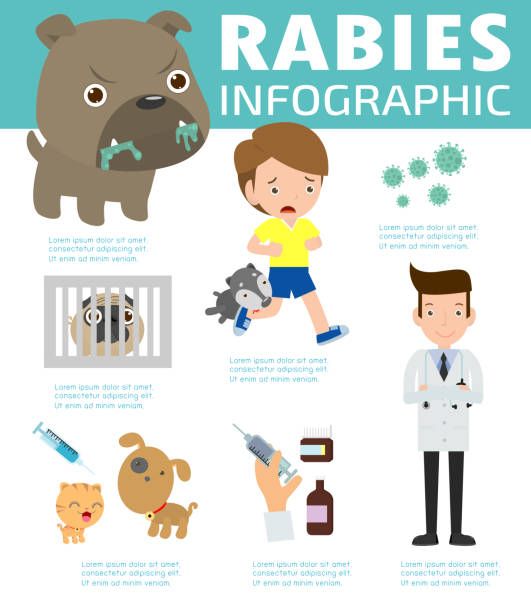
Traveler avoiding a stray dog to prevent rabies exposure

What Causes Rabies?

Rabies is caused by the Lyssavirus, typically transmitted through the saliva of an infected animal. Key routes include:

  • Bites: The most common transmission route (from dogs, bats, monkeys, raccoons, foxes, etc.).
  • Scratches: Contaminated claws can introduce the virus.
  • Mucous Membranes: Contact with infected saliva on eyes, nose, or mouth.
  • Rarely: Inhalation of aerosolized virus (e.g., in bat caves) or organ transplantation.
Recognizing the Symptoms: A Medical Emergency

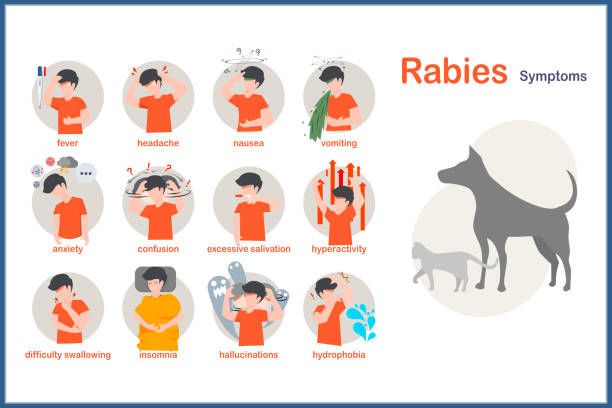
Once symptoms appear, rabies is almost invariably fatal. The incubation period varies (weeks to months), but early recognition is critical. Symptoms progress through stages:

  1. Prodromal Stage (2-10 days): Fever, headache, fatigue, nausea, tingling/burning at the exposure site.
  2. Acute Neurologic Phase:
    • Furious Rabies (80%): Agitation, hallucinations, hydrophobia (fear of water), aerophobia (fear of drafts), hyperactivity, seizures.
    • Paralytic Rabies (20%): Gradual paralysis starting at the bite site, coma.
  3. Coma & Death: Typically occurs within days of neurological symptom onset. Survival is exceptionally rare.
Prevention: Your Travel Health Armor

Prevention is your only reliable defense against rabies:

  1. Avoid Animal Contact: Admire wildlife from a distance. Never touch, feed, or approach wild or stray animals (especially dogs, monkeys, bats).
  2. Secure Accommodations: Ensure bats cannot enter rooms. Sleep under bed nets in high-risk areas.
  3. Protect Children: Supervise closely; they are more likely to approach animals and suffer bites to the head/neck.
  4. Pre-Travel Vaccination (PrEP): The cornerstone of protection for travelers (see Vaccination section below).
  5. Post-Exposure Action Plan: IMMEDIATE action after any potential exposure (bite, scratch, lick on broken skin/mucous membranes):
    • Wash Vigorously: Flush and scrub the wound with soap and running water for 15 minutes. Use iodine or alcohol if available.
    • Seek Medical Care IMMEDIATELY: Do not delay. Even if pre-vaccinated, you need prompt assessment. This is non-negotiable.
Rabies Vaccination: Pre & Post-Exposure

  1. Pre-Exposure Prophylaxis (PrEP): Highly Recommended for Travelers!
    • Who: Travelers going to rabies-endemic areas (especially rural regions in Asia, Africa, Latin America), those staying >1 month, adventure travelers, cavers, veterinarians, animal workers.
    • Schedule: Typically 3 doses given on Days 0, 7, and 21 or 28.
    • Benefits: Provides significant protection, simplifies post-exposure treatment (eliminates the need for Rabies Immunoglobulin (RIG), which is scarce globally), buys crucial time to reach appropriate care.
  2. Post-Exposure Prophylaxis (PEP): Lifesaving Urgency!
    • Required IMMEDIATELY after exposure, even if previously vaccinated.
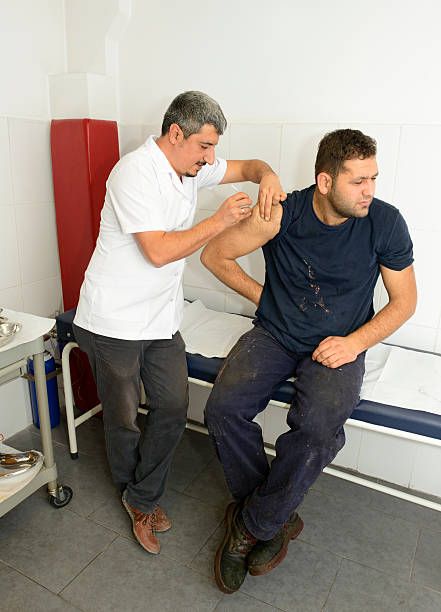
    • For Unvaccinated Individuals: Involves thorough wound cleaning, administration of Rabies Immunoglobulin (RIG) infiltrated around the wound (if possible), plus a series of 4-5 rabies vaccine doses over 14-28 days.
    • For PrEP-Vaccinated Individuals: Requires only thorough wound cleaning plus 2 booster doses of rabies vaccine (Days 0 and 3). No RIG needed.
Why This Matters for Travelers & Medics

Rabies kills tens of thousands globally each year. For travelers, the risk is real in endemic areas, and accessing timely, appropriate PEP (especially RIG) can be extremely difficult or impossible. As medical professionals, we must educate our patients and be prepared to manage potential exposures. Pre-travel vaccination (PrEP) is a simple, effective shield that dramatically reduces risk and simplifies emergency care.

Final Prescription from DoctorTravelLog

Rabies is a terrifying disease, but it’s preventable. Prioritize pre-travel rabies vaccination (PrEP) as part of your essential health prep. Practice vigilant animal avoidance. Know and act on the immediate post-exposure protocol without hesitation. Your awareness and proactive steps are the ultimate lifesavers. Stay informed, stay vaccinated, stay safe out there!

Disclaimer: This information is for educational purposes and does not replace personalized medical advice. Consult a travel health specialist or your doctor well before your trip.

👍 Found this helpful? Show some love & follow us on Instagram @doctortravellog for expert tips & fresh updates!

💬 Got thoughts or questions? React below or drop a quick comment — no login needed!

❤️ 😮 🤔 👍 👎

Altitude Sickness Survival Guide

Symptoms, Prevention & Acclimatization Tips

As an emergency doctor and founder of DoctorTravelLog, I’ve seen firsthand how quickly the thrill of high-altitude adventure can turn dangerous. Altitude sickness (Acute Mountain Sickness – AMS) isn’t just discomfort; it’s a potentially life-threatening condition affecting travelers and medical professionals alike. Whether you’re trekking the Himalayas, skiing the Rockies, or working at a high-elevation clinic, understanding altitude sickness is non-negotiable. This guide arms you with essential knowledge for safe ascents.

Trekker experiencing altitude sickness on a high mountain trail

Understanding the Enemy: Altitude Sickness Symptoms

Altitude sickness occurs when your body struggles to adapt to lower oxygen levels at higher elevations (usually above 8,000 feet / 2,500 meters). Recognizing symptoms EARLY is critical. They typically appear 6-24 hours after ascent:

  • Mild AMS: Headache (the most common symptom), nausea/vomiting, dizziness, fatigue, loss of appetite, difficulty sleeping.
  • Moderate AMS: Worsening headache unresponsive to painkillers, persistent vomiting, significant weakness/fatigue, shortness of breath at rest, decreased coordination (mild ataxia).
  • Severe & Life-Threatening Forms:
    • High Altitude Cerebral Edema (HACE): Severe headache, confusion, hallucinations, loss of coordination (staggering gait, inability to walk straight – “tandem gait test” failure), decreasing consciousness, coma. HACE is a medical emergency.
    • High Altitude Pulmonary Edema (HAPE): Extreme shortness of breath at rest, cough (often progressing to pink, frothy sputum), chest tightness/pain, gurgling sounds in the chest, bluish lips/nails (cyanosis), severe weakness. HAPE is a medical emergency.
Infographic of altitude sickness symptoms and emergency signs

Prevention: Your Best Defense Against Altitude Sickness

Don’t wait for symptoms. Prevention is paramount:

  1. Gradual Ascent is King: This is the single most effective strategy. Avoid ascending directly to very high sleeping altitudes.
    • The Golden Rule: Above 10,000 ft (3,000m), don’t increase your sleeping elevation by more than 1,600 ft (500m) per night. Plan a rest day (sleep at the same altitude) every 3-4 days, or every 1,200m (3,900 ft) gained.
  2. Hydrate Relentlessly: Drink plenty of water (aim for clear, copious urine). Dehydration mimics and worsens AMS. Avoid excessive caffeine and alcohol.
  3. Fuel Smart: Eat a carbohydrate-rich diet. Avoid heavy, fatty meals which are harder to digest with reduced oxygen.
  4. Avoid Depressants: Alcohol and sedative sleeping pills (like benzodiazepines) suppress breathing, hindering acclimatization. Avoid them, especially the first few nights.
  5. Consider Medications (Prophylaxis): Discuss with your doctor before your trip:
    • Acetazolamide (Diamox): The gold standard for prevention. It speeds acclimatization. Typically started 1-2 days before ascent and continued for 2-3 days at the highest altitude. (Be aware of side effects like tingling fingers/toes).
    • Dexamethasone: Primarily for treatment or prevention when Acetazolamide isn’t tolerated/contraindicated. Not for routine prophylaxis.
    • Nifedipine: For HAPE prevention in high-risk individuals.

Acclimatization: Helping Your Body Adapt

Acclimatization is the physiological process of adjusting to lower oxygen. Support it:

  1. “Climb High, Sleep Low”: If possible, hike to a higher elevation during the day, then descend to sleep. This stimulates acclimatization without prolonged oxygen stress.
  2. Prioritize Rest: Schedule rest days, especially after significant gains. Overexertion increases risk.
  3. Listen RELENTLESSLY to Your Body: Never ignore symptoms, even mild ones. A headache at altitude is not normal – treat it as an early warning sign.
  4. Go Slow: Rushing increases risk. Build extra days into your itinerary for potential delays due to symptoms.
Climber practicing climb high sleep low for acclimatization

The Emergency Doctor’s Action Plan: What To Do If Symptoms Hit

  1. Mild Symptoms (Headache, mild nausea):
    • STOP ASCENDING. Do not go higher.
    • Rest at the same altitude.
    • Hydrate well.
    • Treat headache with simple analgesics (Ibuprofen, Acetaminophen). Aspirin less preferred due to dehydration risk.
    • Consider Acetazolamide (if not already taking it) – consult your plan/doctor.
    • Only ascend further if symptoms completely resolve.
  2. Moderate Symptoms (Persistent vomiting, worsening headache, shortness of breath on mild exertion, mild ataxia):
    • DESCEND IMMEDIATELY. Even 500-1000m (1,600-3,300 ft) can make a dramatic difference.
    • Rest aggressively.
    • Hydrate (orally if possible, IV if severely dehydrated and resources available).
    • Administer Acetazolamide if not contraindicated.
    • Do not ascend until symptoms resolve completely for 24-48 hours.
  3. Severe Symptoms (HACE or HAPE – Confusion, severe ataxia, coughing frothy sputum, severe SOB at rest, chest tightness):
    • THIS IS AN EMERGENCY. DESCEND IMMEDIATELY. This is the most critical treatment. Every hour counts. Do not wait for daylight or convenience.
    • Supplemental Oxygen: Administer if available (high flow rates often needed).
    • Medications:
      • Dexamethasone: First-line for HACE (oral/IM/IV).
      • Nifedipine: First-line for HAPE (sustained-release).
      • Consider portable hyperbaric chambers (Gamow bag) as a temporary measure only if descent is impossible/delayed. This is NOT a substitute for descent.
    • EVACUATE TO A LOWER ALTITUDE AND SEEK URGENT MEDICAL CARE.
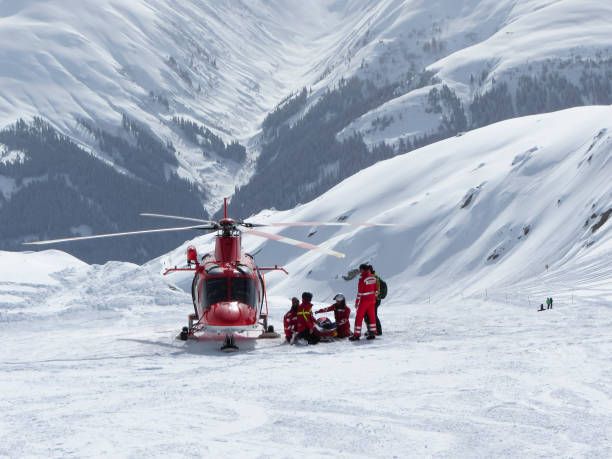
Emergency descent for altitude sickness patient using helicopter or stretcher

Conclusion: Respect the Altitude, Enjoy the Journey

Altitude sickness is unpredictable and can affect anyone, regardless of fitness. As medical professionals and informed travelers, our responsibility is to understand the risks, prepare diligently, and prioritize safety. Never let summit fever override common sense. By ascending gradually, recognizing symptoms early, knowing when and how to descend, and carrying appropriate medications (with training!), you can significantly reduce your risk and ensure your high-altitude adventures are memorable for the right reasons. Stay prepared, stay safe, and enjoy the incredible views from the top – responsibly.

Disclaimer: This information is for educational purposes and does not replace personalized medical advice. Consult your physician or a travel medicine specialist well before any high-altitude trip for individual risk assessment and management plans.

Founder, DoctorTravelLog | Emergency Physician

Dr.Mohammad Rizwan Feroz

👍 Found this helpful? Show some love & follow us on Instagram @doctortravellog for expert tips & fresh updates!

💬 Got thoughts or questions? React below or drop a quick comment — no login needed!

❤️ 😮 🤔 👍 👎


Conquer Jet Lag: Travel Doctor-Approved Strategies for Seamless Time Zone Transitions

Travel unlocks incredible experiences, but the dreaded jet lag can turn arrival into a fog of fatigue, insomnia, and irritability. As a travel medicine specialist, I see countless patients battling this circadian rhythm disruption. The good news? Jet lag isn’t inevitable. With proactive, science-backed strategies, you can significantly minimize its impact and hit the ground running. Here’s your expert guide to effective jet lag remedies.

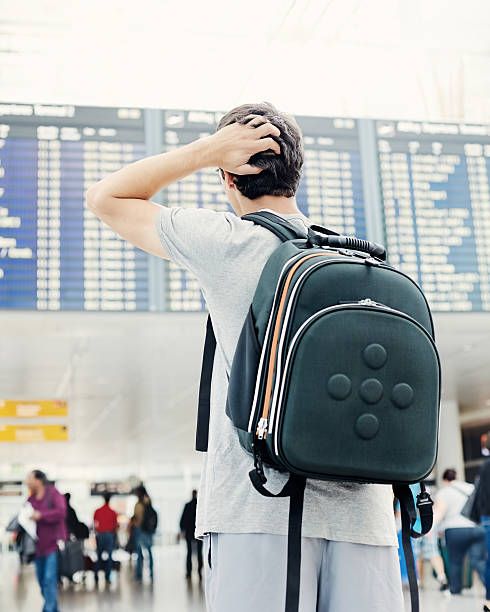
Jet-lagged traveler at airport surrounded by time zone clocks

Understanding the Enemy: Why Jet Lag Happens

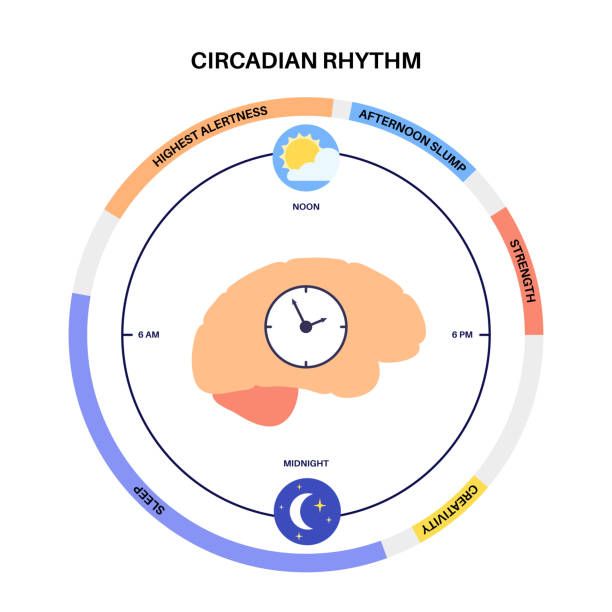
Jet lag occurs when your internal body clock (circadian rhythm), which regulates sleep-wake cycles, hormone release, digestion, and body temperature, becomes misaligned with the external light-dark cycle of your new time zone. Crossing multiple time zones, especially eastward travel, forces this internal clock to play catch-up. Symptoms include:

  • Insomnia or excessive daytime sleepiness
  • Difficulty concentrating (“brain fog”)
  • Fatigue and low energy
  • Mood swings, irritability
  • Digestive upset (constipation or diarrhea)
  • General malaise
Visual explanation of body clock circadian disruption during jet lag

Travel Doctor’s Toolkit: Proven Jet Lag Remedies

1. Start Adjusting BEFORE You Fly (The Most Overlooked Step!):

  • Gradual Shift: 3-4 days pre-trip, gradually adjust your sleep and meal times towards your destination schedule. Heading east? Go to bed and wake up 1 hour earlier each day. Heading west? Shift 1 hour later.
  • Optimize Sleep: Prioritize excellent sleep hygiene in the days leading up to travel. A well-rested body adapts better.

2. Master Light Exposure (Your Most Powerful Ally):

  • Eastbound Travel (e.g., US to Europe): You need to advance your clock. Upon arrival: Seek bright morning sunlight (critical!) and avoid bright light in the late afternoon/evening. Consider light-blocking sunglasses late in the day.
  • Westbound Travel (e.g., Europe to US): You need to delay your clock. Upon arrival: Avoid bright morning light. Seek bright afternoon and early evening sunlight to help you stay awake later.
  • Use Light Strategically: Consider specialized light therapy glasses (like Re-Timer) or apps (e.g., Timeshifter, Entrain) that calculate personalized light exposure schedules.
Sunlight exposure to adjust circadian rhythm after travel

3. Hydration is Non-Negotiable:

  • Drink Water: Airplane cabins are extremely dehydrating. Dehydration worsens jet lag symptoms. Aim for 8 oz of water per hour in flight. Avoid excessive caffeine and alcohol, which dehydrate further and disrupt sleep.

4. Consider Melatonin (Use Wisely!):

  • What it is: A hormone naturally produced by your body to signal sleepiness.
  • How to use: Small doses (0.5mg – 3mg, often 1-2mg is sufficient) taken at the target bedtime of your destination can help reset your clock. Start taking it 1-2 days before travel and continue for a few days after arrival.
  • Crucial Notes: Consult your doctor first, especially if you take other medications, have health conditions, or are pregnant. Purchase reputable brands (quality varies). Timing is everything – taking it too early can make things worse. It’s a sleep signal, not a sedative.

5. Optimize Your Flight:

  • Set Your Watch: Immediately set your watch/phone to your destination time upon boarding. Mentally align with the new schedule.
  • Sleep Strategy: If it’s nighttime at your destination during the flight, try to sleep (use eye mask, earplugs, neck pillow). If it’s daytime there, try to stay awake. Adjust screen brightness accordingly.
  • Move & Stretch: Get up regularly, walk the aisles, do seated stretches to improve circulation and reduce stiffness.

6. Arrival Strategy: Sync with Local Time IMMEDIATELY:

  • Resist the Nap Trap: However tempting, avoid long naps (>30 mins) upon arrival, especially during the local afternoon/evening. If you must nap, keep it very short and early in the day.
  • Eat with the Locals: Have meals at local meal times to help reset your digestive clock.
  • Get Daylight: Go outside! Natural light exposure is the strongest cue for your circadian rhythm. Follow the light exposure guidelines above.
  • Gentle Activity: Engage in light physical activity (a walk) during the local daytime to boost alertness.

7. Create a Sleep-Conducive Environment:

  • Ensure your accommodation is dark, quiet, and cool. Use blackout curtains, a white noise machine, or earplugs if needed.
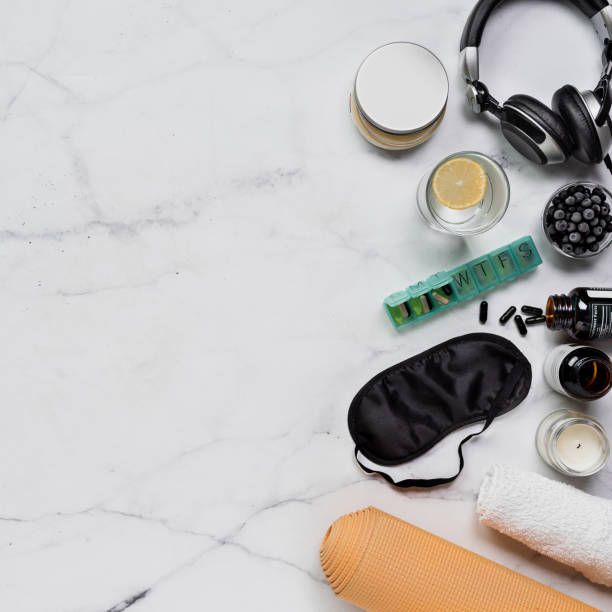
Jet lag toolkit for travelers including melatonin, water, and sleep aids

What Generally Doesn’t Work (Travel Doctor Insights):

  • Over-reliance on Sleeping Pills: Prescription sleep aids don’t reset your circadian rhythm; they merely induce unconsciousness. They can cause grogginess, dependency, and complicate adaptation. Use only exceptionally and under strict medical guidance for very short periods.
  • Excessive Caffeine: While a cup of coffee can help temporary alertness, too much caffeine, especially later in the day, will sabotage nighttime sleep and prolong adaptation.
  • Ignoring Hydration: Neglecting water intake amplifies fatigue and headaches.
  • “Powering Through” Without Strategy: Hoping you’ll just adjust by sheer willpower is inefficient and prolongs suffering.

Key Takeaways for Jet Lag Success:

  • Plan Ahead: Pre-trip adjustment is powerful.
  • Light is King: Strategically use (and avoid) light exposure.
  • Hydrate Relentlessly: Water is essential.
  • Melatonin (Optional but Useful): Use low doses correctly timed if appropriate for you and discussed with your doctor.
  • Sync Immediately on Arrival: Eat, sleep (at night!), and get light exposure on the new local schedule.
  • Be Patient: Allow roughly one day per time zone crossed for full adjustment. Eastward travel is often harder.
Passenger using sleep gear and staying hydrated during flight

Consult a Travel Medicine Specialist:

If you travel frequently, have underlying health conditions, take medications, or are planning a complex multi-time-zone trip, consult a travel medicine doctor before you depart. We provide personalized advice, address specific concerns, and can discuss melatonin or other options in the context of your health.

By implementing these travel doctor-approved strategies, you transform jet lag from a trip-derailing monster into a manageable hurdle. Invest in preparation and smart tactics upon arrival, and unlock the full potential of your global adventures, arriving refreshed and ready to explore. Safe and well-adjusted travels!

👍 Found this helpful? Show some love & follow us on Instagram @doctortravellog for expert tips & fresh updates!

💬 Got thoughts or questions? React below or drop a quick comment — no login needed!

❤️ 😮 🤔 👍 👎
Medical Tourism in the Middle East: Healing Journeys or Hidden Headaches?

Forget sterile waiting rooms and astronomical bills. Imagine recovering from knee surgery overlooking the turquoise Persian Gulf, or exploring ancient souks between dental check-ups. This is the evolving reality of medical tourism in the Middle East – a region rapidly transforming into a global healthcare destination. But is this surge a genuine boon for patients and economies, or does it mask potential burdens? Let’s unpack the scalpel-sharp truth.

Luxury recovery suite in a Middle East hospital overlooking the sea

The Allure: Why Patients are Flocking East

The Middle East isn’t just about oil riches anymore; it’s investing heavily in “healthcare cities” and world-class facilities. Countries like the UAE, Saudi Arabia, Jordan, Turkey, and Iran are leading the charge, offering compelling advantages:

  1. Cutting-Edge Technology & Expertise: State-of-the-art hospitals (often branches of renowned names like Cleveland Clinic, Johns Hopkins Medicine International in Abu Dhabi) boast the latest robotic surgery systems, advanced imaging, and specialized centers for oncology, cardiology, orthopedics, and fertility. Many doctors are Western-trained, bringing international expertise.
  2. Cost Savings (Significant for Some): Compared to the US, UK, or even parts of Europe, complex procedures like cardiac surgery, joint replacements, or advanced dental work can cost 30-70% less, even factoring in travel and accommodation. This makes life-changing treatments accessible.
  3. Luxury & Hospitality: The Middle East excels at high-end service. Many medical tourism packages include 5-star recovery suites, private nurses, concierge services arranging airport transfers and leisure activities. Recovery feels more like a resort vacation.
  4. Reduced Wait Times: Escaping lengthy waiting lists for elective surgeries in public healthcare systems (common in Canada, UK, parts of Europe) is a major driver. Patients can often schedule procedures within weeks.
  5. Cultural & Religious Familiarity: For patients from the wider Muslim world and diaspora, the Middle East offers an environment sensitive to cultural norms, dietary requirements (halal food), prayer facilities, and often, staff speaking their native language. This provides significant comfort during a vulnerable time.
State-of-the-art robotic surgery equipment in a Middle Eastern hospital

Meet Aisha: A Jordanian-American woman facing a year-long wait for a crucial hip replacement in the US. Drawn by familiarity, renowned surgeons, and a cost saving of nearly 50% including a luxury recovery stay, she chose a top hospital in Dubai.

“It wasn’t just the surgery,” she shared, “it was being understood, cared for culturally, and recovering somewhere peaceful. It felt like healing on my terms.”

Middle Eastern woman recovering after successful surgery in a modern facility

The Thorny Side: Potential Burdens to Consider

Despite the shiny allure, medical tourism isn’t without its complexities and risks. Potential burdens lurk beneath the surface:

  1. Quality & Regulation Variability: While flagship hospitals are exceptional, quality and regulation standards vary significantly across the region and even within countries. Thorough research is non-negotiable. Not every “international” hospital meets the same rigorous standards.
  2. The Follow-Up Care Conundrum: What happens when you fly home? Coordinating post-operative care with your home doctor can be challenging. Complications arising weeks later become your local healthcare system’s responsibility, potentially causing friction or gaps in care continuity.
  3. Hidden Costs & Logistical Hurdles: Travel expenses (flights, visas, extended stays for recovery), unexpected complications requiring longer hospitalization, or the need for a companion’s travel can quickly erode initial cost savings. Navigating foreign bureaucracies and healthcare systems adds stress.
  4. Ethical Concerns & Transparency: Issues like organ transplant tourism (with its dark underbelly of trafficking and exploitation, though heavily cracked down upon), lack of price transparency in some facilities, and potential language barriers in informed consent processes raise ethical red flags that demand vigilance.
  5. Impact on Local Populations: Critics argue a focus on lucrative medical tourism could divert resources and top talent away from public healthcare systems, potentially exacerbating inequalities for local citizens needing care. Is the local infrastructure truly benefiting?
  6. Medical-Legal Recourse: Seeking legal recourse for malpractice in a foreign country is often complex, expensive, and faces significant jurisdictional hurdles. Patients may have far less protection than in their home countries.
Doctor in Middle East discussing post-operative care with international patient

Dr. Hassan, a leading orthopedic surgeon in Riyadh, acknowledges the challenges: “We offer world-class care, but patient selection and education are paramount. We insist on comprehensive pre-travel consultations and clear, signed agreements regarding follow-up plans with their home physicians. Transparency is key to avoiding burdens.”

Boon or Burden? The Verdict is Nuanced

Labeling Middle Eastern medical tourism solely a “boon” or “burden” is overly simplistic. It’s both, simultaneously. Its success as a boon hinges entirely on:

  1. Informed Decisions: Patients must meticulously research facilities (look for JCI accreditation – Joint Commission International – as a baseline), surgeons, costs, and understand all risks. DoctorTravelLog recommends verified platforms and direct consultations.
  2. Robust Planning: Seamless coordination between the overseas hospital, the patient, and their home healthcare provider before, during, and after treatment is critical.
  3. Choosing Reputable Providers: Opting for established hospitals with transparent practices and international partnerships significantly mitigates risks.
  4. Realistic Expectations: Understanding that while cost savings are possible, luxury packages add expense, and unforeseen complications can occur.

For the Middle East, it’s a powerful economic boon, driving investment, creating jobs, and diversifying economies beyond oil. For the right patient – well-informed, choosing accredited facilities, with a solid follow-up plan – it can be a life-enhancing, even life-saving, boon offering quality care, cultural comfort, and significant value.

For the unprepared patient or one chasing only the lowest price without due diligence, the risks can quickly transform the journey into a significant burden.

The Future: Towards Sustainable Healing

The trajectory points towards growth. Countries like Saudi Arabia (Vision 2030) and the UAE are pouring billions into healthcare infrastructure and digital health records to facilitate seamless international patient care. The focus must be on sustainable, ethical, and patient-centered development – ensuring quality is universal, regulations are stringent and enforced, benefits extend to local populations, and patients are empowered with knowledge.

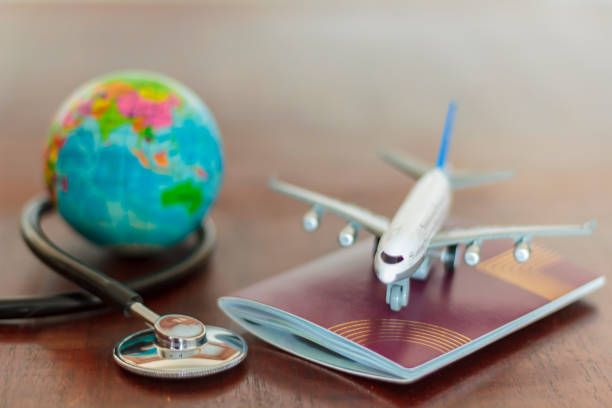
Planning medical tourism journey with a globe, passport, and stethoscope

Your Healing Journey?

Is the Middle East calling you for healthcare? The potential for a positive, transformative experience is real. But approach it with the same diligence you would any major medical decision. Research relentlessly, ask tough questions, prioritize accredited providers, plan your aftercare meticulously, and understand both the gleaming promise and the potential pitfalls.

Considering medical tourism in the Middle East? Share your thoughts, questions, or experiences in the comments below! Stay tuned to DoctorTravelLog for in-depth country guides, hospital reviews, and expert interviews to navigate your healthcare journey abroad safely and successfully.

Dr. Mohammad Rizwan Feroz

👍 Found this helpful? Show some love & follow us on Instagram @doctortravellog for expert tips & fresh updates!

💬 Got thoughts or questions? React below or drop a quick comment — no login needed!

❤️ 😮 🤔 👍 👎
Conquering the Cursed Curry: Your Guide to Preventing & Managing Traveller’s Diarrhea

Ah, the dream trip. Exotic sights, tantalizing smells, unforgettable experiences… and then, it hits. That urgent rumble, the sprint to the bathroom, the feeling your insides are staging a rebellion. Traveller’s Diarrhea (TD) – the unwelcome souvenir nobody wants. At DoctorTravelLog, we’ve seen it all (and treated it all!), and we’re here to arm you with knowledge, not just fear. Let’s demystify this common travel woe.

What Exactly Is This Gut Rebellion?

Simply put, TD is your digestive system throwing a tantrum after encountering unfriendly bacteria, viruses, or parasites it’s not used to. Think E. coli, Salmonella, Campylobacter, norovirus, or Giardia. These microscopic hitchhikers usually enter via contaminated food or water. While rarely life-threatening for healthy adults, it can turn paradise into a porcelain prison for 3-7 days.

Why Me? The Usual Suspects:

  • The Water: Even tiny amounts of contaminated water used to wash salad, ice cubes in your drink, or brushing your teeth can be the culprit. “Local water” doesn’t just mean tap; be wary of sources.
  • The Food: Undercooked meats (especially street food), raw seafood, unpasteurized dairy, and anything washed in contaminated water (fruits, veggies) are prime offenders. Buffets where food sits out are risky.
  • Person-to-Person: Poor hand hygiene after using the bathroom or before eating spreads germs fast.
  • Location Matters: Risk is highest in parts of Asia (especially South and Southeast Asia), Africa, Latin America, and the Middle East. But anywhere with different sanitation standards poses some risk.

Recognizing the Enemy: Symptoms Beyond the Obvious

  • Urgent need to go
  • Abdominal cramps and bloating
  • Nausea and sometimes vomiting
  • Low-grade fever
  • General malaise (feeling awful)
  • Loss of appetite

Doctor’s Note: Blood in stool, high fever, severe pain, or dehydration (dizziness, extreme thirst, little/no urination) are RED FLAGS. Seek medical help immediately.

Your Best Defense: Prevention is King (and Queen!)

You can significantly reduce your risk. Think like a germ detective:

  1. Hydrate Smart:
    • Bottled/Sealed: Drink only commercially bottled water with intact seals. Check the cap!
    • Boiled: Vigorously boiled water (1 minute, 3 mins at altitude) is safe.
    • Purified: Use reliable water filters (check pore size – 0.1-0.4 microns for bacteria/protozoa) or chemical purification (chlorine dioxide tablets) following instructions exactly.
    • Avoid Ice: Unless you know it’s made from purified/bottled water. Assume it’s not.
    • Hot Drinks: Generally safe (coffee, tea made with boiling water).
    • Toothbrushing: Use bottled or purified water.
  2. Eat Wisely (“Boil It, Cook It, Peel It, or Forget It!”):
    • Peel It Yourself: Bananas, oranges, mangoes = usually safe. Avoid pre-cut fruit or salads.
    • Hot & Steamy: Eat foods served piping hot, straight from cooking. Avoid lukewarm buffet items.
    • Skip the Risky: Raw or undercooked meats, fish, shellfish. Unpasteurized milk, cheese, yogurt. Street food, unless you see it cooked thoroughly right in front of you and served hot.
    • Dry & Packaged: Breads, chips, factory-sealed items are generally low risk.
    • Condiments: Be wary of open sauces sitting out.
  3. Hand Hygiene is Non-Negotiable:
    • Wash hands thoroughly with soap and safe water (or use alcohol-based hand sanitizer with >60% alcohol if soap/water unavailable) BEFORE eating, AFTER using the bathroom, and after touching potentially contaminated surfaces.
    • Carry hand sanitizer everywhere.
  4. Consider Prophylaxis (Cautiously):
    • Bismuth Subsalicylate (Pepto-Bismol): Taking it preventatively (e.g., 2 tabs 4x/day) can reduce risk by ~50%, but isn’t suitable for everyone (aspirin allergy, pregnancy, kids, certain meds). It turns your tongue black!
    • Antibiotics: Generally NOT recommended for prevention due to side effects and antibiotic resistance. Reserved for high-risk individuals (weakened immune system, critical trips) only after consulting a travel doctor.

When Prevention Fails: Weathering the Storm

Even the most careful traveler can get hit. Don’t panic! Focus on:

  1. Hydration, Hydration, Hydration: This is CRITICAL. You’re losing fluids fast.
    • Oral Rehydration Solution (ORS): The GOLD STANDARD. Packets are cheap, light, and lifesaving. Mix with SAFE water. Sip constantly. Tastes bland? Add a splash of safe juice.
    • Safe Fluids: Bottled water, clear broths, weak tea. Avoid caffeine, alcohol, sugary drinks (soda, juice) – they can worsen diarrhea.
    • Signs of Dehydration: Dizziness, dark urine, dry mouth, lethargy. Push ORS hard!
  2. Diet: Listen to Your Gut (Gently)
    • Initially: Focus on fluids. The BRAT diet (Bananas, Rice, Applesauce, Toast) is outdated advice. Bland, starchy foods (plain rice, crackers, noodles) are okay if tolerated, but hydration is paramount.
    • Gradually Reintroduce: As you feel better, add simple proteins (boiled chicken, plain yogurt if tolerated) and cooked veggies. Avoid greasy, spicy, or high-fiber foods initially.
  3. Over-the-Counter Relief:
    • Loperamide (Imodium): Helps slow down the plumbing for adults. Useful for long bus rides/flights. BUT: Do NOT use if you have fever, bloody stools, or severe abdominal pain – it can trap the bug inside. Use only for symptom control, not as a cure. Follow dosing.
    • Bismuth Subsalicylate (Pepto-Bismol): Can help reduce symptoms and shorten duration slightly.
  4. When Antibiotics Are Needed:
    • For moderate to severe TD (frequent stools, fever, blood, incapacitation), antibiotics prescribed before your trip by a travel doctor can be a game-changer, shortening illness significantly (often 1-3 days).
    • Common options: Azithromycin, Rifaximin (less absorbed, good for certain bacteria). Crucial: Take exactly as prescribed. Never use leftover antibiotics.

Doctor’s Bag Must-Haves:

  • Oral Rehydration Salts (ORS) packets
  • Loperamide (Imodium)
  • Bismuth Subsalicylate (Pepto-Bismol)
  • Antibiotic prescribed by your travel doctor (if recommended)
  • Alcohol-based hand sanitizer (>60% alcohol)
  • Thermometer
  • Basic first-aid supplies

Special Cases: Kids, Pregnancy, Chronic Conditions

  • Children: Dehydrate much faster. ORS is vital. Consult a doctor immediately for infants/young children or severe symptoms. Antibiotic choices differ.
  • Pregnancy: Prevention is even more critical. Consult your OB/GYN and a travel medicine specialist well before travel. Treatment options are more limited.
  • Weakened Immune Systems/Conditions: Higher risk for severe illness. Essential to see a travel medicine specialist for a personalized plan.

The DoctorTravelLog Bottom Line:

Traveller’s Diarrhea is incredibly common, often manageable, but definitely disruptive. Respect the risks, prepare diligently, but don’t let fear ruin your adventure.

  • Prevention Focus: Water, food, hands. Be vigilant.
  • Hydration is Key: Pack ORS and use it at the first sign.
  • Know When to Treat: Have OTC meds and know when prescribed antibiotics are needed.
  • Seek Help for Red Flags: Don’t hesitate if things get severe.

With smart preparation and the right knowledge, you can significantly reduce your chances of getting TD and handle it effectively if it strikes. Now, go explore confidently! Stay safe, stay hydrated, and happy travels from the team at DoctorTravelLog.

Dr. Wanderlust (aka Dr Mohammad Rizwan Feroz/DoctorTravelLog)
Helping you explore the world, one healthy step at a time.


Smart Travel Health Kit 2025: Your Tech-Enhanced Prescription for Safer Journeys

Gone are the days of simply tossing bandages and aspirin into a zip-lock bag. In 2025, the savvy traveler understands that a truly “smart” health kit leverages technology and personalized planning to proactively manage well-being on the road.

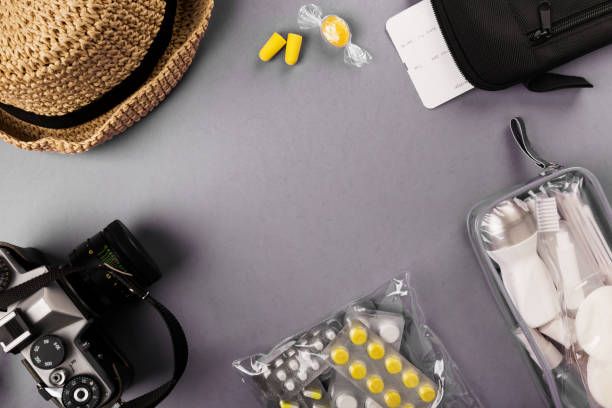
Essential travel first-aid kit with prescription medications and bandages neatly organized

At DoctorTravelLog, we believe staying healthy abroad requires foresight and innovation. Here’s how to assemble your cutting-edge Smart Travel Health Kit for 2025:


Beyond Basics: The Non-Negotiable Core (Enhanced for 2025)

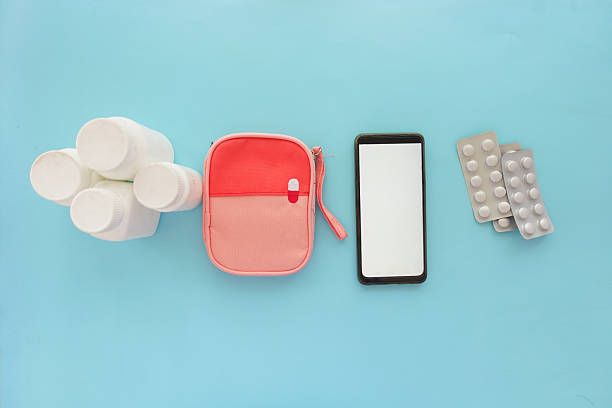
Modern travel health kit with smart gadgets, bandages, and digital health devices

While tech is exciting, the foundation remains critical. Ensure your kit includes:

  1. Prescription Powerhouse:
    • Medications: Ample supply of all regular prescriptions (plus copies of prescriptions/doctor’s notes on letterhead). Consider time-zone changes for dosing schedules.
    • Travel-Specific Meds: Updated 2025 recommendations for destination-specific malaria prophylaxis, altitude sickness meds (like acetazolamide), or antibiotics for traveler’s diarrhea (e.g., azithromycin – prescribed by your doctor).
    • Digital Proof: Scan prescriptions and store them securely in your phone’s health app or encrypted cloud storage.
  2. Wound Care & Infection Control 2.0:
    • Antibiotic ointment packets (single-use reduce waste).
    • Variety of bandages, sterile gauze pads, adhesive tape, and butterfly closures.
    • Antiseptic wipes (alcohol-free options for sensitive skin).
    • Compact UV Sanitizer: Pen-sized UV-C lights for sanitizing surfaces, utensils, or small items on the go.
  3. Symptom Management Essentials:
    • Pain/fever reducer (Acetaminophen, Ibuprofen).
    • Antihistamines (for allergies – non-drowsy & drowsy versions).
    • Decongestant.
    • Anti-nausea medication.
    • Anti-diarrheal medication (e.g., Loperamide).
    • Electrolyte rehydration powder/salts (crucial for hot climates or GI issues).
  4. Protection & Prevention:
    • High-SPF, broad-spectrum sunscreen (reef-safe if applicable).
    • Effective insect repellent (containing DEET 20-30%, Picaridin, or IR3535 – check destination-specific recommendations for 2025).
    • Basic first-aid manual (digital or physical).

The “Smart” Tech Integrations for 2025

This is where your kit becomes truly intelligent and forward-thinking:

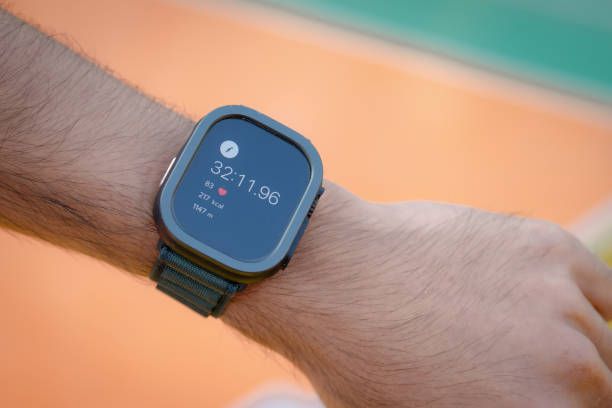
Smartwatch displaying health vitals and digital health monitoring apps for travelers

  1. Digital Health Vault:

    Store encrypted copies of crucial documents on your phone and a secure cloud service:

  2. Telehealth Access:
    • Pre-trip: Schedule a virtual consultation with a travel medicine specialist (essential for 2025, given evolving disease risks).
    • On-trip: Ensure you know how to access your insurance’s telehealth service or have a subscription to a reputable global telehealth provider. A small, portable phone tripod can be invaluable for virtual exams.
  3. Smart Monitoring Devices:
    • Compact Pulse Oximeter: Crucial for altitude travel or respiratory concerns. Many connect to phone apps for tracking.
    • Digital Thermometer: Fast, accurate readings (non-contact models are popular).
    • Portable ECG Monitor (Consider): For travelers with known heart conditions (discuss necessity with your doctor). Single-lead devices like KardiaMobile can provide peace of mind.
    • Continuous Glucose Monitor (CGM) Integration: Diabetic travelers should leverage CGM data synced to their phone apps for real-time monitoring and alerts.
  4. Biometric Tracking (Wearables):
    • Integrate data from your smartwatch (heart rate, sleep quality, activity levels, SpO2) to get an early warning of potential illness (elevated resting heart rate, poor sleep) or overexertion.
  5. AI-Powered Health Assistants:
    • Utilize reputable health apps with AI symptom checkers (like Ada or Babylon) for initial guidance, always followed by professional consultation if symptoms persist. Translation features within these apps can also be helpful abroad.

  6. Smart Medication Management:
    • Use medication reminder apps with customizable alarms accounting for time zone shifts.
    • Consider smart pill dispensers (for complex regimens) or simple timer caps that show the last time a bottle was opened.
  7. Portable Power & Connectivity:
    • A high-capacity, compact power bank is non-negotiable to keep your digital health tools operational.
    • Consider a global SIM card or robust eSIM plan for reliable, affordable data access anywhere – essential for telehealth and accessing health information.

2025 Special Considerations:

  • Climate Resilience: Factor in extreme weather. Add cooling towels, electrolyte tabs, and potentially compact water purification tablets/straws if traveling to areas with questionable water security.
  • Mental Wellness: Include resources like meditation app subscriptions or contact info for telehealth therapists. Jet lag management tools (like Timeshifter) are increasingly valuable.
  • Supply Chain Savvy: Order prescription refills and specialized items well in advance due to potential global supply fluctuations.
  • TSA & Customs Ready: Keep medications in original, clearly labeled containers. Pack liquids/gels compliantly. Have documentation readily accessible for any medical devices.
Jet lag management app, portable water purifier, and heat care travel gear for climate resilience

Assembling Your Smart Kit:

  1. Consult Your Travel Medicine Pro: This is step zero. Get personalized advice based on your health, itinerary, and activities for 2025.
  2. Choose the Right Bag: Durable, water-resistant, and well-organized (clear compartments help). Consider TSA-friendly designs.
  3. Organize Digitally: Set up your digital health vault and essential apps before you travel. Ensure offline access where possible.
  4. Test Your Tech: Charge and test all devices. Know how they work and connect to your phone.
  5. Know Your Insurance: Understand exactly what your travel health insurance covers and how to activate it in an emergency.
Essential travel first-aid kit with prescription medications and bandages neatly organized

The DoctorTravelLog Prescription:

The 2025 Smart Travel Health Kit isn’t just about what you pack; it’s about seamlessly integrating technology, information, and preparation. By combining the timeless essentials with intelligent digital tools and proactive planning, you empower yourself to handle minor issues confidently and access critical help swiftly for more serious situations. Invest in your health tech before your trip – it’s the smartest travel insurance you can have.

Modern travel health kit with smart gadgets, bandages, and digital health devices

Disclaimer: This article provides general guidance. Always consult with your personal physician or a travel medicine specialist for personalized medical advice before any trip. The specific contents of your kit must be tailored to your individual health needs and destination.

Dr. Mohammad Rizwan Feroz