The Medical Coverage You ABSOLUTELY Must Have Abroad (Especially for Healthcare Pros!)
As doctors, we dedicate our lives to safeguarding the health of others. We understand anatomy, physiology, and the intricate workings of the human body. Yet, when we step outside our familiar healthcare systems and venture abroad – whether for a well-deserved holiday, a crucial medical conference, or humanitarian work – there’s one critical prescription we often overlook: robust travel medical insurance.
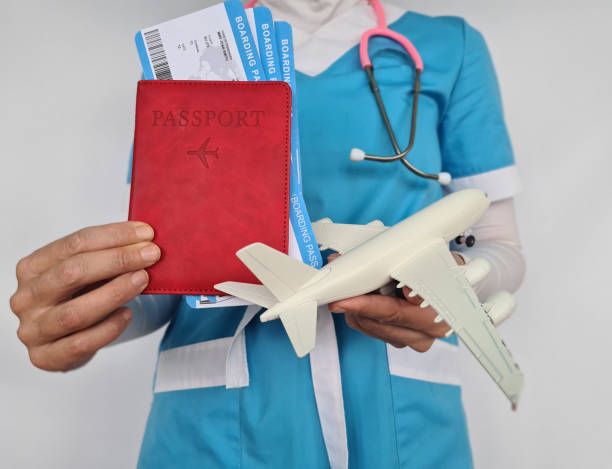
It’s easy to assume minor scrapes won’t happen to us, or that healthcare costs elsewhere are manageable. But the reality of international travel, especially in unpredictable environments, demands more than hope. A serious illness or accident abroad can derail a trip and lead to astronomical medical bills and logistical nightmares.
Forget the souvenir budget for a second. Your most crucial travel prep is securing comprehensive medical coverage. Here’s the essential protection you MUST have:
- Emergency Medical Expenses: The Non-Negotiable Core
- What it is: Covers the costs of necessary medical treatment for sudden, unexpected illnesses or injuries occurring during your trip. This includes hospital stays, doctor visits, diagnostic tests (X-rays, labs), surgery, and prescription medications related to the emergency.
- Why YOU Need It: Even seemingly minor issues (severe food poisoning, a deep cut requiring stitches, a nasty respiratory infection) can require significant care. Costs vary wildly by country and can be exorbitant, especially in private facilities common for expats or travelers. As medical professionals, we know costs can escalate quickly. Aim for high coverage limits ($250,000+ minimum, $1 million+ recommended, especially for travel to the USA or remote locations).
- Emergency Medical Evacuation: Your Lifeline Home
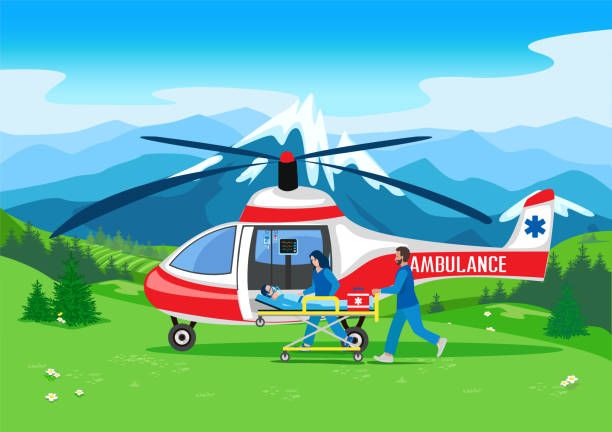
- What it is: Covers the potentially astronomical cost of transporting you to the nearest adequate medical facility if you become critically ill or injured in a location without appropriate care. If medically necessary, it also covers repatriation (transport back to your home country).
- Why YOU Need It: This is arguably the MOST critical coverage. Imagine needing complex cardiac care while trekking in Nepal, or specialized trauma surgery in a remote area. The logistics and cost of arranging a medically equipped air ambulance or specialized transport are staggering (easily reaching $100,000+). As doctors, we understand the limitations of local healthcare infrastructure in many parts of the world. Don’t travel without substantial evacuation coverage ($250,000+ minimum, $500,000+ recommended).
- Repatriation of Remains: The Difficult Reality
- What it is: Covers the costs associated with returning your remains to your home country in the tragic event of death abroad.
- Why YOU Need It: While no one wants to contemplate this, it’s a necessary and compassionate component. International repatriation is complex and costly, involving legal requirements, specialized transport, and coordination. Having this coverage spares your loved ones immense financial and logistical burdens during an already devastating time.
- Pre-Existing Medical Condition Waiver: Don’t Get Caught Out
- What it is: Crucially, this is an add-on or specific policy feature. If you have a known, stable condition (e.g., well-controlled hypertension, diabetes, a past heart condition), a standard policy might exclude any related emergencies. A Pre-Existing Condition Waiver (often with specific requirements like stability periods before travel) removes this exclusion for acute flare-ups related to that condition.
- Why YOU Need It: Many travelers unknowingly assume they’re covered, only to face denial when a known condition causes an emergency abroad. We know conditions can destabilize unexpectedly, especially with travel stress, dietary changes, or disrupted routines. Disclose your conditions honestly and secure this waiver if applicable. Read the stability requirements very carefully.
Beyond the Absolute Must-Haves (Strongly Recommended):
- Trip Interruption/Cancellation: Reimburses non-refundable trip costs if you must cancel or cut short your trip due to a covered reason (serious illness/injury to you or a family member, natural disaster, etc.). Protects your financial investment.
- Accidental Death & Dismemberment (AD&D): Provides a benefit in case of accidental death or loss of limb/sight during the trip.
- 24/7 Assistance Services: Access to a global assistance hotline for medical referrals, translation help, coordination of care, and emergency cash advances. Invaluable in a crisis.
Prescribing the Right Policy: Key Considerations for Medical Travelers
- Destination Matters: Coverage needs differ vastly between a luxury resort in Europe and a medical mission in rural Africa. Ensure your policy explicitly covers your destination(s) and activities (see #4).
- Duration is Key: Buy coverage for the entire length of your trip. Don’t risk a gap!
- “Direct Pay” vs. Reimbursement: Does the insurer pay hospitals directly (highly preferable), or will you need to pay upfront and file for reimbursement later? The latter can be financially burdensome.
- Adventure/Activity Exclusions: Are you planning anything adventurous (trekking above a certain altitude, scuba diving, skiing)? Standard policies often exclude these. You’ll need an add-on or specialized plan.
- Read the Exclusions Meticulously: Understand what is NOT covered (e.g., routine check-ups, elective treatment, injuries sustained while intoxicated, pandemics without specific coverage, high-risk activities).
- Your Domestic Coverage is (Likely) Useless: Most domestic health insurance plans (like Medicare/Medicaid in the US or provincial plans in Canada) offer minimal or zero coverage abroad. Employer plans often have significant gaps. Never rely solely on them.
The Final Diagnosis:
Traveling without adequate medical insurance is practicing medicine on your own health and finances without a safety net. The potential costs of an overseas medical emergency are simply too high to risk. As healthcare professionals who understand the value of prevention and preparedness, securing comprehensive travel medical coverage – with a laser focus on high emergency medical, robust evacuation, repatriation, and managing pre-existing conditions – isn’t just smart travel planning; it’s essential risk management.

Action Plan:
- Disclose: Honestly declare any pre-existing conditions.
- Compare: Get quotes from reputable travel insurance providers, focusing on the core medical components.
- Read: Scrutinize policy documents, especially coverage limits, exclusions, and claims procedures.
- Purchase Early: Buy your policy soon after booking your trip (often required for pre-existing condition waivers and cancellation coverage).
- Carry Proof: Have your insurance card and policy details (including the 24/7 emergency number) easily accessible physically and digitally.
Travel with confidence, knowing you’ve prescribed yourself the best protection. Prioritize your health and financial security abroad just as meticulously as you would for your patients at home. Bon voyage, and stay safe!
Dr. Mohammad Rizwan Feroz
👍 Found this helpful? Show some love & follow us on Instagram @doctortravellog for expert tips & fresh updates!
💬 Got thoughts or questions? React below or drop a quick comment — no login needed!
❤️ 😮 🤔 👍 👎





 Doctor Travel Log