Picture this: You’re on a scenic Omani mountain road… but you’re clutching a sick bag. Or mid-flight over the Arabian Sea, suddenly drenched in cold sweat. Motion sickness isn’t just “uncomfortable”—it can derail trips and terrify anxious travelers. As an ER doctor who’s treated hundreds of queasy adventurers, I’ll share medical insights + practical hacks to stay nausea-free.
The Science Simplified: Why We Get Sick
Your inner ear, eyes, and nerves send conflicting signals to the brain:
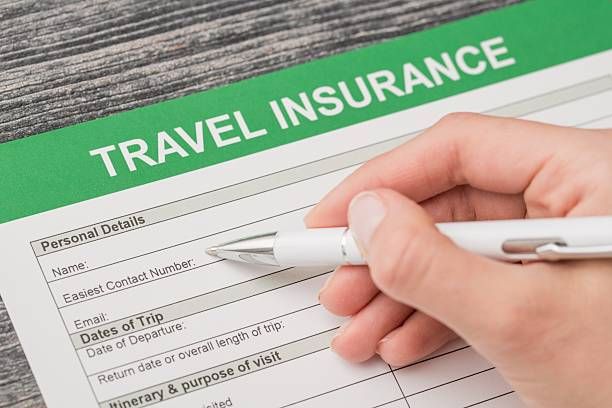
Imagine this: You’re hiking in the Swiss Alps when a sudden slip results in a broken ankle. Or perhaps a severe stomach bug strikes during a business trip to Singapore. Without adequate travel insurance, these medical emergencies abroad can spiral into logistical nightmares and financial catastrophes. For international travelers, robust medical coverage isn’t a luxury—it’s a lifeline.
Why Medical Coverage is Non-Negotiable
Your domestic health insurance likely offers limited or zero coverage overseas. Even in countries with affordable healthcare, costs for serious emergencies (like hospital stays, surgeries, or evacuations) can easily soar into six figures. The U.S. State Department explicitly advises travelers to carry medical coverage, noting that U.S. Medicare/Medicaid doesn’t work abroad. Without it, you risk:
Crushing medical bills
Denied care without upfront payment
Complex, self-funded evacuations
What Quality Medical Travel Insurance Covers
Look for plans explicitly including:
Emergency Medical Expenses: Hospital stays, surgeries, doctor visits, prescription meds.
Emergency Dental Treatment: Sudden pain relief or essential repairs.
Medical Evacuation: Air ambulance to the nearest qualified facility (critical in remote areas).
Repatriation: Returning you home or bringing remains back if the worst happens.
24/7 Assistance Services: Multilingual help coordinating care and payments.
Pre-Existing Conditions: Navigating the Fine Print
This is a major pitfall. Most standard policies exclude pre-existing conditions (e.g., heart disease, diabetes). However, you CAN get coverage:
Look for Waiver Eligibility: Many insurers waive the exclusion if you buy coverage within 10-21 days of your first trip deposit and are medically stable.
Specialized Plans: Companies like GeoBlue or Allianz offer plans specifically covering stable pre-existing conditions (check stability periods).
Honesty is Key: Disclose conditions upfront. Denial due to non-disclosure voids claims.
Choosing the Right Plan: Key Considerations
Destination: Costs vary wildly (e.g., $100k+ for ICU care in the U.S. vs. lower costs elsewhere). Ensure coverage limits ($250k-$1M+) match local healthcare costs.
Activities: Skiing, scuba diving, or trekking? Standard plans often exclude “adventure sports.” Add a rider if needed.
Trip Duration: Short-term vs. annual multi-trip policies.
Deductible/Co-Insurance: Higher deductibles lower premiums but increase out-of-pocket costs during a claim.
Provider Reputation: Choose insurers with proven claims support and global networks (e.g., IMG, WorldTrips, Seven Corners). Verify via AM Best ratings.
The Claims Process: Be Prepared
Contact Immediately: Call your insurer’s assistance hotline before treatment (unless life-threatening).
Document Everything: Keep itemized bills, medical reports, receipts, and police reports (if applicable). Take photos if possible.
Submit Promptly: Complete claim forms accurately with supporting documents.
Common Exclusions to Avoid Pitfalls
Even comprehensive plans exclude:
Routine checkups or pre-existing conditions (without a waiver)
Injuries from alcohol/drug use or reckless behavior
High-risk activities (without a rider)
Travel to destinations under government sanctions or active travel advisories (check the U.S. State Department Alerts)
Final Prescription for Peace of Mind
Don’t gamble with your health—or finances. Prioritize plans with strong medical and evacuation coverage, understand exclusions, and declare pre-existing conditions transparently. Investing in tailored medical travel insurance ensures you explore the world confidently, knowing you’re protected against the unexpected.
Verify coverage details directly with providers and always carry your insurance ID and emergency contacts.
Disclaimer: This article provides general guidance. Policy terms vary significantly—always read your specific plan documents carefully before traveling.
Dr.Mohammad Rizwan Feroz
👍 Found this helpful? Show some love & follow us on Instagram @doctortravellog for expert tips & fresh updates!
💬 Got thoughts or questions? React below or drop a quick comment — no login needed!
By Dr Mohammad Rizwan Feroz Emergency Physician & Founder of DoctorTravelLog
As an emergency doctor who’s treated travelers battling preventable diseases, I’ve seen malaria’s devastating impact firsthand. This isn’t “just a fever”—it’s a parasitic infection killing over 600,000 people yearly (WHO, 2024). But with smart preparation, your risk plummets. Here’s your evidence-based prevention blueprint.
🗺️ Part 1: Know Your Risk – Malaria Zones Explained
Malaria isn’t uniformly distributed. Risk depends on:
Geography: Tropical/subtropical zones (Sub-Saharan Africa, South Asia, Latin America, Oceania).
Altitude: Rare >2,000m (6,500 ft).
Season: Highest during/after rainy seasons.
Urban vs. Rural: Cities generally lower risk (exceptions: Africa, India).
Highest-Risk Regions (CDC 2024):
🌍 Sub-Saharan Africa: 95% of global malaria deaths. Plasmodium falciparum (severe/complicated malaria) dominates.
⚠️ Critical Notes from the ER:
– No medication is 100% effective—combine with bite prevention.
– Start meds early to test tolerance pre-travel.
– Finish the full course post-trip (relapses occur with P. vivax/ovale).
🦟 Part 3: Bite Avoidance – Your First Line of Defense
Mosquitoes carrying malaria bite dusk to dawn. My top strategies:
Choosing where to pursue your MBBS (Bachelor of Medicine, Bachelor of Surgery) is one of the most significant decisions for an aspiring international doctor. It’s not just about getting a degree; it’s about shaping your future career, lifestyle, and even your worldview. Europe and Asia emerge as two powerhouse destinations, each radiating distinct advantages and challenges. Declaring one universally “better” is impossible – the “best” fit depends entirely on you.
Let’s dissect the pros and cons of pursuing an MBBS in Europe versus Asia to help you navigate this life-altering choice:
The European Pathway: Tradition, Integration & Global Mobility
Pros:
High Standards & Global Recognition: Degrees from accredited EU universities (especially in countries like Germany, Poland, Czech Republic, Hungary, Romania, Bulgaria, Italy, Spain) are widely respected by medical councils globally (USMLE, PLAB, AMC pathways generally smoother). Rigorous quality control is a hallmark.
Integrated EU Practice Potential: Graduating from an EU country often simplifies the process of practicing medicine within other EU/EEA nations due to mutual recognition directives (though language proficiency is still key). This offers incredible career mobility.
Advanced Infrastructure & Research: Access to cutting-edge medical technology, well-equipped teaching hospitals, and opportunities to engage in high-level research projects is often readily available.
Cultural Immersion & Travel: Studying in Europe offers unparalleled access to diverse cultures, languages, and travel opportunities across the continent during breaks.
Focus on Clinical Skills (Often): Many European programs integrate clinical exposure earlier and more consistently than some traditional Asian curricula.
English-Taught Programs: A wide range of universities offer MBBS programs entirely in English, attracting a diverse international student body.
Cons:
Higher Tuition & Living Costs: While often cheaper than the US/UK, tuition fees and especially living expenses (Western/Northern Europe particularly) are significantly higher than in most Asian destinations. Budget realistically.
Competitive Entry: Admission can be highly competitive, requiring excellent high school grades (especially in science subjects), strong entrance exam scores (e.g., IMAT for Italy, NEET for some), and sometimes specific language prerequisites even for English programs.
Language Barrier for Practice: While the degree might be in English, practicing medicine locally requires near-native fluency in the host country’s language (e.g., German, Polish, Czech). Learning this is non-optional for local licensure.
Colder Climate Adjustment: For students from tropical Asia, adapting to long, cold winters in many European destinations can be challenging.
Cultural Adjustment: European social norms, teaching styles, and daily life can feel more distant initially for students from Asian backgrounds compared to studying within Asia.
The Asian Pathway: Affordability, Scale & Diverse Options
Pros:
Significant Cost Advantage: This is often the biggest draw. Tuition fees and living expenses in countries like China, Philippines, Russia, Ukraine (pre-war context is complex), Kyrgyzstan, Kazakhstan, Bangladesh, Nepal, and some programs in India (for NRI/Management quota) are substantially lower than in Europe or the West.
Large International Communities: Many Asian medical universities have well-established systems for international students, large expat communities, and support structures catering specifically to them.
PMC( Pakistan)/MCI/NMC Recognition (Crucial for India): Many universities in China, Philippines, Russia, Bangladesh, Nepal etc., are recognized by India’s National Medical Commission (NMC), allowing graduates to sit for the FMGE (now NEXT) to practice in India. This is paramount for Indian students intending to return home.
Cultural Proximity (For Many): Students from South Asia, Southeast Asia, or the Middle East may find cultural adaptation easier, with familiar food, social dynamics, and potentially shorter travel distances.
Focus on Theoretical Foundation: Some Asian curricula place a strong emphasis on rote learning and theoretical knowledge, which can be advantageous for certain licensing exams.
High Patient Volume: Hospitals attached to universities often see enormous patient volumes, offering exposure to a wide range of cases early on.
Cons:
Variable Quality & Recognition: Quality can vary dramatically between institutions and countries. Vigilant research is CRITICAL. Ensure the university is recognized by the medical council of the country where you intend to practice. (WHO’s World Directory of Medical Schools is a start, but check specific council lists like PMC,BMC,NMC, ECFMG, GMC).
Language of Instruction & Patient Interaction: While programs are marketed in English, clinical rotations often involve patients and local doctors speaking the native language (Mandarin, Russian, Filipino dialects, etc.).This can hinder learning and patient interaction if you’re not proficient.
Infrastructure Disparities: While top universities are excellent, some institutions, especially in less developed areas, may have outdated equipment or facilities compared to European counterparts.
Licensing Exam Hurdles (For Non-Home Practice): Returning to practice in the US, UK, Australia, or even the EU often requires clearing challenging licensing exams (USMLE, PLAB, AMC) and potentially additional internships/training, which can be a long road regardless of where you study.
Cultural & Lifestyle Adjustments: Bureaucracy, teaching styles, food, hygiene standards, and social freedoms can differ significantly and be challenging for some.
Political Instability (Specific Regions): Some popular destinations have experienced political unrest or conflict, impacting student safety and continuity of studies (research current conditions diligently).
Meet the Students:
Sofia (from Brazil): Chose Hungary. “The EU degree recognition was key for me, dreaming of working in Portugal later. Budapest is beautiful, the program is tough but structured. Learning Hungarian is my biggest challenge now!”
Arjun (from India): Chose the Philippines. “Cost was the biggest factor for my family. The NMC recognition list gave me options. English is widely spoken, but learning basic Tagalog helps in the wards. The patient volume is insane – you see everything!”
Beyond the Continents: Key Questions to Ask YOURSELF
Where Do You Want to Practice Ultimately? This is the MOST crucial factor. Research the specific licensing requirements (exams, internships, language) for your target country *before* choosing a medical school. An NMC-recognized Asian university might be “better” for India, while an EU degree eases EU practice.
What’s Your Realistic Budget? Include tuition, accommodation, food, travel, health insurance, and potential language courses for the entire duration. Don’t underestimate living costs in Europe.
How Important is Cultural Proximity & Support? Can you thrive far from familiar comforts, or do you need a larger community from your home region?
What’s Your Learning Style? Do you prefer highly structured, theory-heavy learning (some Asian styles) or earlier clinical integration and problem-based learning (common in Europe)?
Are You Willing to Learn a New Language (Fluently)? For Europe, this is almost mandatory for practice. In Asia, it’s essential for effective clinical rotations and daily life beyond campus.
The Verdict: It’s About Alignment, Not Ranking
There is no single “better” continent for an MBBS. Europe shines with its high global recognition, EU mobility potential, advanced infrastructure, and cultural richness, demanding a higher budget and language commitment. Asia excels in affordability, offers NMC-recognized options crucial for Indian returnees, and provides cultural familiarity for many, requiring careful vetting for quality and presenting language/recognition hurdles for non-home practice.
Your Next Step: Research Relentlessly!
Verify Recognition: Double and triple-check the university is listed on the official medical council websites of your target practice countries (NMC, GMC, ECFMG, AMC etc.). DoctorTravelLog recommends using the official council directories, not just agent claims.
Talk to Current Students & Alumni: Seek honest opinions on curriculum, faculty, facilities, support, and challenges. Explore DoctorTravelLog’s Student Forum (Link) for real experiences.
Consider Lifestyle Fit: Visit if possible, or research extensively. Can you live there happily for 5-6 years?
Understand the Fine Print: Know the total costs, language requirements, internship structure, and FMGE/NEXT/USMLE pass rates of the university.
Ready to chart your medical journey?
Choosing between Europe and Asia is deeply personal. By honestly assessing your goals, budget, and preferences, and conducting meticulous research, you’ll find the medical school that isn’t just a place to study, but the launchpad for your dream career.
Overwhelmed by choices? DoctorTravelLog offers personalized consultancy services and in-depth Country & University Guides. Explore our resources or Book a Consultation today!
Dr. Mohammad Rizwan Feroz
👍 Found this helpful? Show some love & follow us on Instagram @doctortravellog for expert tips & fresh updates!
💬 Got thoughts or questions? React below or drop a quick comment — no login needed!
The stark beauty of the desert calls to adventurers, but its unforgiving environment hides dangers most tourists never consider. Understanding essential desert survival medicine isn’t about dramatic Hollywood tropes; it’s about recognizing subtle, life-threatening tourist health risks that escalate with alarming speed. Ignorance of heat illness prevention, dehydration symptoms, and wilderness first aid fundamentals transforms a dream trip into a lethal crisis. What you don’t know about surviving extreme heat, finding water, and treating common desert injuries truly can kill you. This guide, from a medical perspective, reveals the critical gaps in tourist knowledge and the practical survival medicine steps that save lives.
Beyond the Canteen: The Silent Killers Most Tourists Miss
Heatstroke: Not Just “Feeling Hot” – Cellular Shutdown: Tourists often mistake exhaustion (dizziness, nausea, heavy sweating) for just being overheated. Heatstroke, the true killer, is a medical emergency where the body’s core temperature soars past 104°F (40°C), causing cellular breakdown.
Critical ignorance: Sweating often stops in heatstroke as the body fails. Hot, dry, flushed skin with confusion, seizures, or loss of consciousness means imminent organ failure and death.
Survivor Medicine: Prevention is absolute. Hike in coolest hours, wear loose, light-colored clothing covering skin, soak clothes/hat in water. If heatstroke strikes: Immediate, aggressive cooling is the ONLY priority. Get to shade, strip unnecessary clothing, drench with any available water (cool, not ice-cold), fan vigorously. EVACUATE IMMEDIATELY. Every minute counts. Forget “toughing it out” – delay is fatal.
Hyponatremia: When Drinking Water Becomes Poisonous: Everyone knows “drink water,” but few tourists understand hyponatremia – critically low blood sodium from drinking too much plain water without replacing electrolytes lost in sweat.
Critical ignorance: Symptoms mimic dehydration (headache, nausea, fatigue), leading tourists to drink more water, worsening the crisis. Confusion, seizures, coma, and death follow.
Survivor Medicine: Balance is key. Drink steadily (sip, don’t gulp), especially during exertion. Include electrolyte sources: pre-mixed solutions, salty snacks (nuts, pretzels), or even small amounts of broth if available. If severe symptoms develop, stop drinking plain water, consume salty foods if conscious, and seek help. Recognize the paradox: clear urine and worsening symptoms after heavy water intake signals hyponatremia.
Dehydration: The Slow, Insidious Thief of Judgment: Dehydration creeps in long before intense thirst hits.
Critical ignorance: By the time you feel very thirsty, you’re already significantly dehydrated, impairing critical thinking and physical ability – exactly when you need them most to survive. Dark urine, fatigue, headache, and irritability are early warnings tourists often ignore.
Survivor Medicine:Pre-hydrate before activity. Sip constantly (set a timer if needed), aiming for pale yellow urine. Monitor your group – dehydration makes people irrational and less likely to self-care. Eat water-rich foods (fruits, veggies). Rationing water too aggressively early on is dangerous; drink steadily before a crisis.
Beyond Heat & Thirst: Other Overlooked Threats
Venomous Critters: Know Your Enemy (and First Aid Myths): Tourists fear snakes, but scorpions and spiders (like recluses) are common.
Critical ignorance: Most “field extraction” kits (suction devices, cutting) are ineffective and dangerous. Applying ice or tourniquets worsens tissue damage from many venoms.
Survivor Medicine: Prevention: Shake out boots, bedding; watch where you step/place hands. If bitten/stung: Stay calm (panic increases venom spread). Immobilize the limb at heart level. Remove constrictive items (rings, watches). Wash gently with soap/water.Identify the creature ONLY if safe.EVACUATE – antivenom is often the only effective treatment. Forget cutting, sucking, or ice.
Environmental Injuries: Sand, Sun, and Sharp Things: Blistering feet can immobilize. Deep sand cuts easily become infected. Intense UV radiation causes rapid sunburn and eye damage (snow blindness can happen on sand!).
Critical ignorance: Underestimating the speed and severity of sunburn/infection in the dry, dusty environment. Not protecting eyes.
Survivor Medicine: Meticulous foot care (proper boots, moisture-wicking socks, treat blisters early). Clean all wounds immediately with purified water, apply antibiotic ointment, cover. High-SPF broad-spectrum sunscreen reapplied constantly, wide-brimmed hat, UV-blocking sunglasses always.
Getting Lost: The Mental Game: Panic is the enemy.
Critical ignorance: Not telling someone your route/return time. Rushing blindly when lost, expending energy and water.
Survivor Medicine:STOP (Stop, Think, Observe, Plan). Conserve energy and water. Signal for help (mirror, bright clothing, smoke if safe). Stay put if you told someone your plan. Night travel is cooler but riskier for injury.
The DoctorTravelLog Top 3 Desert Survival Prescriptions:
Respect the Heat Relentlessly: Plan around it, dress for it, hydrate for it. Heatstroke kills fast.
Water is Life, But Balance is Key: Sip steadily, include electrolytes, recognize hyponatremia symptoms. Your urine color is your dashboard gauge.
Prepare for the Worst, Hope for the Best: Carry a desert-specific first aid kit (emphasis on wound care, electrolytes, burn gel), signaling devices (mirror, whistle), extra water, navigation tools, and tell someone your plans.
The desert’s majesty demands profound respect. Understanding these hidden medical dangers and the core principles of desert survivor medicine isn’t about fear; it’s about empowerment. Equip yourself with this knowledge, prioritize prevention, and you transform potential lethal threats into manageable challenges, ensuring your desert adventure is remembered for its awe-inspiring beauty, not its peril.
Disclaimer: This article provides general information for educational purposes only and does not constitute medical advice. Always consult with a healthcare professional or wilderness medicine expert before traveling to remote or extreme environments. Proper training (like wilderness first aid courses) is highly recommended.
Sources for Verification (Ensure Originality):
Wilderness Medical Society Clinical Practice Guidelines (Heat Illness, Hyponatremia)
Centers for Disease Control and Prevention (CDC) – Travelers’ Health: Arid Environments
National Park Service – Desert Safety Information
American Hiking Society – Desert Hiking Tips
Peer-reviewed journals: Wilderness & Environmental Medicine, Travel Medicine and Infectious Disease
Dr. Mohammad Rizwan Feroz
👍 Found this helpful? Show some love & follow us on Instagram @doctortravellog for expert tips & fresh updates!
💬 Got thoughts or questions? React below or drop a quick comment — no login needed!
How Regional Escalations Are Affecting Civilians and Global Travelers
Introduction
The intensifying conflict between Israel and regional actors in 2025 has reverberated far beyond military targets, triggering severe humanitarian crises and complex travel challenges. For health-conscious travelers and medical professionals monitoring global risks, understanding these interconnected impacts—civilian casualties, collapsing health systems, and logistical disruptions—is critical.
1. Civilian Casualties: The Human Toll
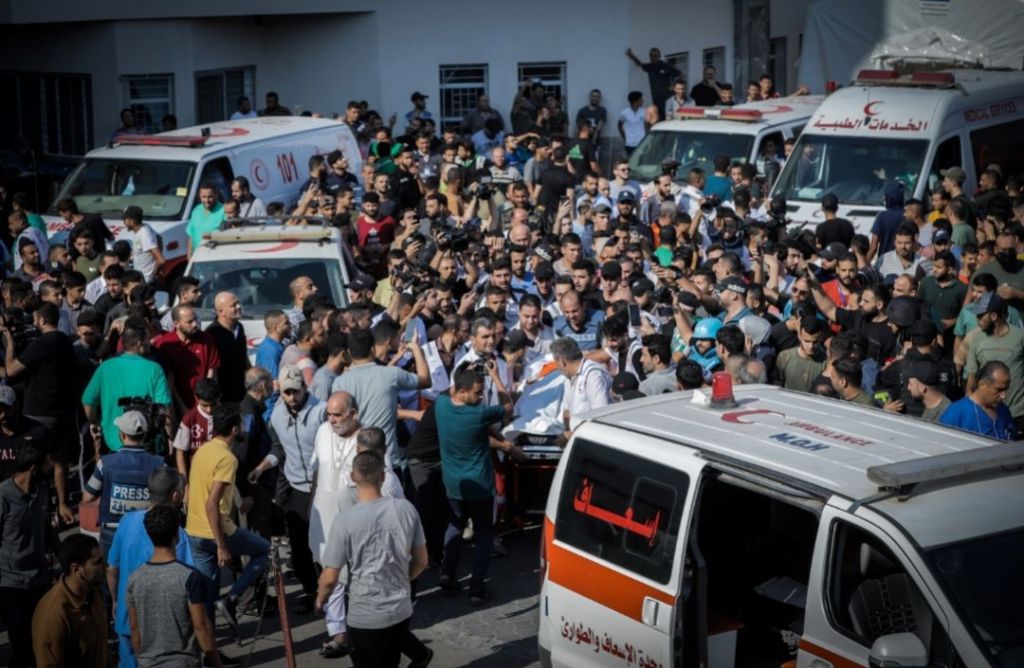
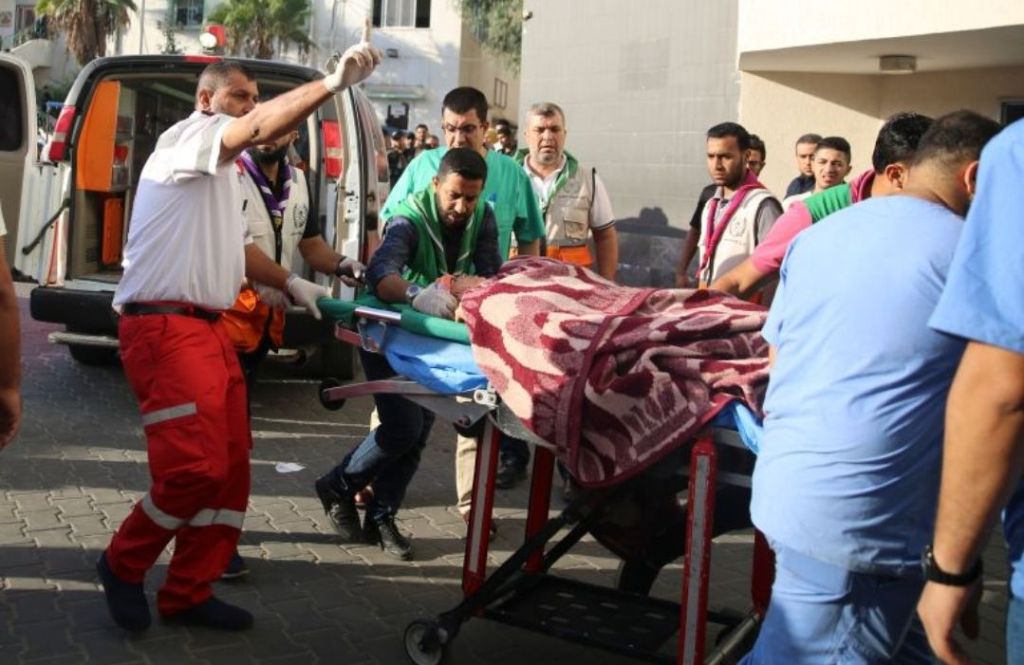
Gaza: Over 38,000 reported fatalities (WHO, June 2025), including 14,500+ children. Critical shortages of ambulances, blood supplies, and morgue capacity persist.
Lebanon: Cross-border strikes have killed 300+ civilians and displaced 100,000+ (UNOCHA), straining host communities.
Red Sea Region: Missile attacks on shipping routes have resulted in crew injuries, maritime evacuations, and seafarer trauma.
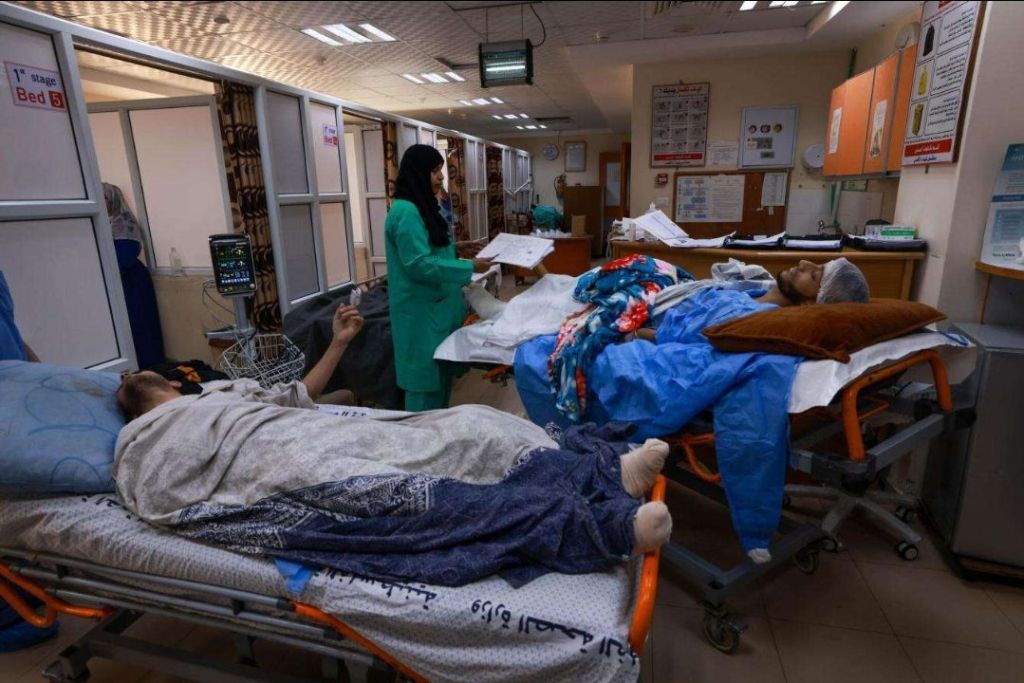
Health Implication: Mass casualties overwhelm local clinics, forcing “triage-by-survival-likelihood” in Gaza. Preventable deaths from infections, chronic conditions, and childbirth complications skyrocket.
2. Public Health Systems in Collapse
Gaza: 90% of hospitals are non-functional (WHO). Disease outbreaks (cholera, hepatitis A) thrive amid rubble, sewage contamination, and 3L/day water access (vs. WHO’s 15L minimum).
Lebanon/Jordan: Refugee camps face cholera and measles resurgences. Mental health crises—PTSD, anxiety—go untreated.
Yemen/Iraq: Spillover disruptions delay medicine imports, worsening existing humanitarian emergencies.
Travel Risk: Humanitarian workers report supply shortages of antibiotics, anesthetics, and vaccines. Medical tourism to the region has halted entirely.
3. Travel in Turmoil: Borders, Flights & Insurance
Flight Disruptions: Ben Gurion Airport (Tel Aviv) operates intermittently. Royal Jordanian, Emirates, and Turkish Airlines reroute flights avoiding Iranian/Iraqi airspace, adding 3–6 hours to EU-Asia trips.
Border Closures: Egypt’s Rafah crossing opens sporadically. Jordan suspended visa-on-arrival for conflict-zone evacuees.
Insurance & Costs: Most insurers void coverage for Israel, Lebanon, Yemen, Iraq, and parts of Jordan. Emergency medical evacuation (e.g., from Cyprus) now exceeds $200,000.
Shipping Delays: Red Sea diversions add 2–3 weeks to Asia-Europe cargo, disrupting medical supply chains globally.
4. Psychological Trauma: The Invisible Crisis
Local populations exhibit widespread symptoms of “toxic stress” (UNICEF).
Aid workers and journalists face burnout and moral injury.
Travelers report anxiety over regional instability, canceling trips to Türkiye, Egypt, or Jordan due to proximity fears.
DoctorTravelLog Advisory
1. Pre-Travel Planning:
Avoid non-essential travel to Israel, Lebanon, Yemen, Iraq, and Gaza-border regions.
Verify insurance covers conflict zones (specialized providers required).
2. Health Precautions:
Pack trauma kits, water purifiers, and 4-week medicine supplies if working near crisis zones.
Update cholera/hepatitis A vaccinations.
3. Ethical Travel:
Support certified NGOs (e.g., MSF, IRC) if providing medical aid.
Respect local trauma: Avoid photography in displacement camps.
Conclusion
The human cost of conflict extends beyond headlines—into overwhelmed hospitals, displacement camps, and the psyche of survivors. For travelers, vigilance and compassion are paramount. As borders harden and health systems fracture, the healing of nations begins with unwavering global attention to their suffering.
Stay informed with DoctorTravelLog’s real-time conflict-zone advisories.
Protect your journey with these 7 essential but often-overlooked travel vaccines in 2025.
Planning international travel in 2025? Beyond routine vaccines, discover 7 lesser-known immunizations critical for your health. From Japanese Encephalitis in Bali to Tick-borne Encephalitis in European forests—learn why these overlooked shots could save your trip. Consult a travel medicine specialist today!
As travel surges post-pandemic, adventurers often overlook region-specific health risks. While typhoid and hepatitis vaccines are well-known, evolving disease patterns and 2025 health advisories reveal surprising new essentials.
Here are seven under-the-radar vaccines to discuss with your travel clinic:
1. Japanese Encephalitis (JE)
Why: Mosquito-borne in rural Asia (e.g., Bali, Thai rice paddies). Cases spiked 20% in 2024.
For Whom: Travelers spending >1 month in rural SE Asia or short-term with high exposure (e.g., camping, farming).
2025 Alert: Outbreaks reported near tourist hubs in Vietnam and Philippines.
2. Tick-borne Encephalitis (TBE)
Why: Forested Europe (Germany, Austria) and Asia. 10K cases/year—up 35% since 2022.
For Whom: Hikers, campers, or summer travelers to endemic zones.
2025 Alert: Vaccination now advised for Switzerland’s Alpine regions.
3. Cholera (Oral Vaccine Vaxchora®)
Why: Food/water-borne in humanitarian crises (e.g., Yemen, Sudan).
For Whom: Aid workers or travelers to outbreak zones lacking sanitation.
2025 Perk: Single-dose oral vaccine protects for 3 months.
4. Meningococcal ACWY
Why: Required for Saudi Arabia’s Hajj/Umrah. Rising in sub-Saharan “meningitis belt.”
For Whom: Pilgrims, festival attendees (e.g., Ghana’s gathering season).
2025 Rule: Saudi Arabia mandates proof for visa approval.
5. Rabies (Pre-Exposure)
Why: Fatal if untreated. Rampant in Bali, Thailand, Peru.
For Whom: Remote travelers, animal handlers, or families with kids (higher bite risk).
2025 Tip: Saves you from scarce post-bite serums in rural clinics.
6. Polio Booster
Why: Endemic in Afghanistan/Pakistan; outbreaks in Malawi/Mozambique.
For Whom: Travelers from polio-exporting countries may need proof.
2025 Advisory: WHO lists 12 “at-risk” nations needing boosters.
7. COVID-19 XBB.1.5 Variant Booster
Why: New variants dominate globally. Japan/Canada require updated boosters for entry.
For Whom: All travelers—check country-specific rules pre-departure.
Honorable Mentions:
Yellow Fever: Now required for parts of Brazil (Amazonas) due to 2024 outbreaks.
Influenza: Southern hemisphere’s flu season (June–Sept) hits travelers in Australia/Argentina.
Practical Advice for 2025 Travelers:
Timing: Schedule vaccines 4–6 weeks pre-trip (some need multiple doses).
Documentation: Use DoctorTravelLog’s [Country-Specific Tool] to check entry requirements.
Where to Go: Visit CDC’s Travel Health site or a certified travel clinic.
Final Thought:
Vaccines aren’t just paperwork—they’re armor against invisible threats. As climate change and urbanization reshape disease landscapes, 2025’s smart traveler prioritizes prevention. Consult a travel medicine specialist, pack your records, and explore confidently! 🌍💉
Ah, the dream trip. Exotic sights, tantalizing smells, unforgettable experiences… and then, it hits. That urgent rumble, the sprint to the bathroom, the feeling your insides are staging a rebellion. Traveller’s Diarrhea (TD) – the unwelcome souvenir nobody wants. At DoctorTravelLog, we’ve seen it all (and treated it all!), and we’re here to arm you with knowledge, not just fear. Let’s demystify this common travel woe.
What Exactly Is This Gut Rebellion?
Simply put, TD is your digestive system throwing a tantrum after encountering unfriendly bacteria, viruses, or parasites it’s not used to. Think E. coli, Salmonella, Campylobacter, norovirus, or Giardia. These microscopic hitchhikers usually enter via contaminated food or water. While rarely life-threatening for healthy adults, it can turn paradise into a porcelain prison for 3-7 days.
Why Me? The Usual Suspects:
The Water: Even tiny amounts of contaminated water used to wash salad, ice cubes in your drink, or brushing your teeth can be the culprit. “Local water” doesn’t just mean tap; be wary of sources.
The Food: Undercooked meats (especially street food), raw seafood, unpasteurized dairy, and anything washed in contaminated water (fruits, veggies) are prime offenders. Buffets where food sits out are risky.
Person-to-Person: Poor hand hygiene after using the bathroom or before eating spreads germs fast.
Location Matters: Risk is highest in parts of Asia (especially South and Southeast Asia), Africa, Latin America, and the Middle East. But anywhere with different sanitation standards poses some risk.
Recognizing the Enemy: Symptoms Beyond the Obvious
Urgent need to go
Abdominal cramps and bloating
Nausea and sometimes vomiting
Low-grade fever
General malaise (feeling awful)
Loss of appetite
Doctor’s Note: Blood in stool, high fever, severe pain, or dehydration (dizziness, extreme thirst, little/no urination) are RED FLAGS. Seek medical help immediately.
Your Best Defense: Prevention is King (and Queen!)
You can significantly reduce your risk. Think like a germ detective:
Hydrate Smart:
Bottled/Sealed: Drink only commercially bottled water with intact seals. Check the cap!
Boiled: Vigorously boiled water (1 minute, 3 mins at altitude) is safe.
Purified: Use reliable water filters (check pore size – 0.1-0.4 microns for bacteria/protozoa) or chemical purification (chlorine dioxide tablets) following instructions exactly.
Avoid Ice: Unless you know it’s made from purified/bottled water. Assume it’s not.
Hot Drinks: Generally safe (coffee, tea made with boiling water).
Peel It Yourself: Bananas, oranges, mangoes = usually safe. Avoid pre-cut fruit or salads.
Hot & Steamy: Eat foods served piping hot, straight from cooking. Avoid lukewarm buffet items.
Skip the Risky: Raw or undercooked meats, fish, shellfish. Unpasteurized milk, cheese, yogurt. Street food, unless you see it cooked thoroughly right in front of you and served hot.
Dry & Packaged: Breads, chips, factory-sealed items are generally low risk.
Condiments: Be wary of open sauces sitting out.
Hand Hygiene is Non-Negotiable:
Wash hands thoroughly with soap and safe water (or use alcohol-based hand sanitizer with >60% alcohol if soap/water unavailable) BEFORE eating, AFTER using the bathroom, and after touching potentially contaminated surfaces.
Carry hand sanitizer everywhere.
Consider Prophylaxis (Cautiously):
Bismuth Subsalicylate (Pepto-Bismol): Taking it preventatively (e.g., 2 tabs 4x/day) can reduce risk by ~50%, but isn’t suitable for everyone (aspirin allergy, pregnancy, kids, certain meds). It turns your tongue black!
Antibiotics: Generally NOT recommended for prevention due to side effects and antibiotic resistance. Reserved for high-risk individuals (weakened immune system, critical trips) only after consulting a travel doctor.
When Prevention Fails: Weathering the Storm
Even the most careful traveler can get hit. Don’t panic! Focus on:
Hydration, Hydration, Hydration: This is CRITICAL. You’re losing fluids fast.
Oral Rehydration Solution (ORS): The GOLD STANDARD. Packets are cheap, light, and lifesaving. Mix with SAFE water. Sip constantly. Tastes bland? Add a splash of safe juice.
Safe Fluids: Bottled water, clear broths, weak tea. Avoid caffeine, alcohol, sugary drinks (soda, juice) – they can worsen diarrhea.
Signs of Dehydration: Dizziness, dark urine, dry mouth, lethargy. Push ORS hard!
Diet: Listen to Your Gut (Gently)
Initially: Focus on fluids. The BRAT diet (Bananas, Rice, Applesauce, Toast) is outdated advice. Bland, starchy foods (plain rice, crackers, noodles) are okay if tolerated, but hydration is paramount.
Gradually Reintroduce: As you feel better, add simple proteins (boiled chicken, plain yogurt if tolerated) and cooked veggies. Avoid greasy, spicy, or high-fiber foods initially.
Over-the-Counter Relief:
Loperamide (Imodium): Helps slow down the plumbing for adults. Useful for long bus rides/flights. BUT: Do NOT use if you have fever, bloody stools, or severe abdominal pain – it can trap the bug inside. Use only for symptom control, not as a cure. Follow dosing.
Bismuth Subsalicylate (Pepto-Bismol): Can help reduce symptoms and shorten duration slightly.
When Antibiotics Are Needed:
For moderate to severe TD (frequent stools, fever, blood, incapacitation), antibiotics prescribed before your trip by a travel doctor can be a game-changer, shortening illness significantly (often 1-3 days).
Common options: Azithromycin, Rifaximin (less absorbed, good for certain bacteria). Crucial: Take exactly as prescribed. Never use leftover antibiotics.
Doctor’s Bag Must-Haves:
Oral Rehydration Salts (ORS) packets
Loperamide (Imodium)
Bismuth Subsalicylate (Pepto-Bismol)
Antibiotic prescribed by your travel doctor (if recommended)
Alcohol-based hand sanitizer (>60% alcohol)
Thermometer
Basic first-aid supplies
Special Cases: Kids, Pregnancy, Chronic Conditions
Children: Dehydrate much faster. ORS is vital. Consult a doctor immediately for infants/young children or severe symptoms. Antibiotic choices differ.
Pregnancy: Prevention is even more critical. Consult your OB/GYN and a travel medicine specialist well before travel. Treatment options are more limited.
Weakened Immune Systems/Conditions: Higher risk for severe illness. Essential to see a travel medicine specialist for a personalized plan.
The DoctorTravelLog Bottom Line:
Traveller’s Diarrhea is incredibly common, often manageable, but definitely disruptive. Respect the risks, prepare diligently, but don’t let fear ruin your adventure.
Prevention Focus: Water, food, hands. Be vigilant.
Hydration is Key: Pack ORS and use it at the first sign.
Know When to Treat: Have OTC meds and know when prescribed antibiotics are needed.
Seek Help for Red Flags: Don’t hesitate if things get severe.
With smart preparation and the right knowledge, you can significantly reduce your chances of getting TD and handle it effectively if it strikes. Now, go explore confidently! Stay safe, stay hydrated, and happy travels from the team at DoctorTravelLog.
Dr. Wanderlust (aka Dr Mohammad Rizwan Feroz/DoctorTravelLog) Helping you explore the world, one healthy step at a time.
Gone are the days of simply tossing bandages and aspirin into a zip-lock bag. In 2025, the savvy traveler understands that a truly “smart” health kit leverages technology and personalized planning to proactively manage well-being on the road.
At DoctorTravelLog, we believe staying healthy abroad requires foresight and innovation. Here’s how to assemble your cutting-edge Smart Travel Health Kit for 2025:
Beyond Basics: The Non-Negotiable Core (Enhanced for 2025)
While tech is exciting, the foundation remains critical. Ensure your kit includes:
Prescription Powerhouse:
Medications: Ample supply of all regular prescriptions (plus copies of prescriptions/doctor’s notes on letterhead). Consider time-zone changes for dosing schedules.
Travel-Specific Meds: Updated 2025 recommendations for destination-specific malaria prophylaxis, altitude sickness meds (like acetazolamide), or antibiotics for traveler’s diarrhea (e.g., azithromycin – prescribed by your doctor).
Digital Proof: Scan prescriptions and store them securely in your phone’s health app or encrypted cloud storage.
Electrolyte rehydration powder/salts (crucial for hot climates or GI issues).
Protection & Prevention:
High-SPF, broad-spectrum sunscreen (reef-safe if applicable).
Effective insect repellent (containing DEET 20-30%, Picaridin, or IR3535 – check destination-specific recommendations for 2025).
Basic first-aid manual (digital or physical).
The “Smart” Tech Integrations for 2025
This is where your kit becomes truly intelligent and forward-thinking:
Digital Health Vault:
Store encrypted copies of crucial documents on your phone and a secure cloud service:
Telehealth Access:
Pre-trip: Schedule a virtual consultation with a travel medicine specialist (essential for 2025, given evolving disease risks).
On-trip: Ensure you know how to access your insurance’s telehealth service or have a subscription to a reputable global telehealth provider. A small, portable phone tripod can be invaluable for virtual exams.
Smart Monitoring Devices:
Compact Pulse Oximeter: Crucial for altitude travel or respiratory concerns. Many connect to phone apps for tracking.
Digital Thermometer: Fast, accurate readings (non-contact models are popular).
Portable ECG Monitor (Consider): For travelers with known heart conditions (discuss necessity with your doctor). Single-lead devices like KardiaMobile can provide peace of mind.
Continuous Glucose Monitor (CGM) Integration: Diabetic travelers should leverage CGM data synced to their phone apps for real-time monitoring and alerts.
Biometric Tracking (Wearables):
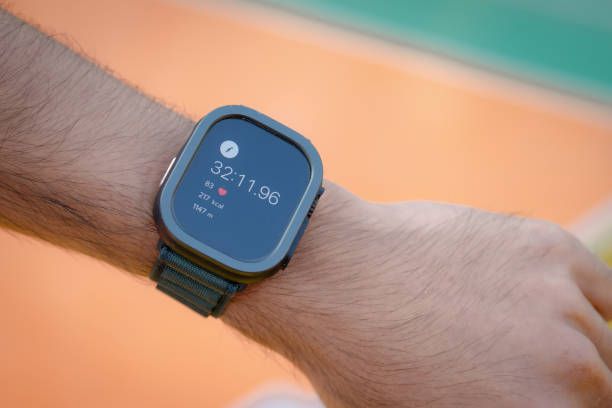
Integrate data from your smartwatch (heart rate, sleep quality, activity levels, SpO2) to get an early warning of potential illness (elevated resting heart rate, poor sleep) or overexertion.
AI-Powered Health Assistants:
Utilize reputable health apps with AI symptom checkers (like Ada or Babylon) for initial guidance, always followed by professional consultation if symptoms persist. Translation features within these apps can also be helpful abroad.
Smart Medication Management:
Use medication reminder apps with customizable alarms accounting for time zone shifts.
Consider smart pill dispensers (for complex regimens) or simple timer caps that show the last time a bottle was opened.
Portable Power & Connectivity:
A high-capacity, compact power bank is non-negotiable to keep your digital health tools operational.
Consider a global SIM card or robust eSIM plan for reliable, affordable data access anywhere – essential for telehealth and accessing health information.
2025 Special Considerations:
Climate Resilience: Factor in extreme weather. Add cooling towels, electrolyte tabs, and potentially compact water purification tablets/straws if traveling to areas with questionable water security.
Mental Wellness: Include resources like meditation app subscriptions or contact info for telehealth therapists. Jet lag management tools (like Timeshifter) are increasingly valuable.
Supply Chain Savvy: Order prescription refills and specialized items well in advance due to potential global supply fluctuations.
TSA & Customs Ready: Keep medications in original, clearly labeled containers. Pack liquids/gels compliantly. Have documentation readily accessible for any medical devices.
Assembling Your Smart Kit:
Consult Your Travel Medicine Pro: This is step zero. Get personalized advice based on your health, itinerary, and activities for 2025.
Choose the Right Bag: Durable, water-resistant, and well-organized (clear compartments help). Consider TSA-friendly designs.
Organize Digitally: Set up your digital health vault and essential apps before you travel. Ensure offline access where possible.
Test Your Tech: Charge and test all devices. Know how they work and connect to your phone.
Know Your Insurance: Understand exactly what your travel health insurance covers and how to activate it in an emergency.
The DoctorTravelLog Prescription:
The 2025 Smart Travel Health Kit isn’t just about what you pack; it’s about seamlessly integrating technology, information, and preparation. By combining the timeless essentials with intelligent digital tools and proactive planning, you empower yourself to handle minor issues confidently and access critical help swiftly for more serious situations. Invest in your health tech before your trip – it’s the smartest travel insurance you can have.
Disclaimer: This article provides general guidance. Always consult with your personal physician or a travel medicine specialist for personalized medical advice before any trip. The specific contents of your kit must be tailored to your individual health needs and destination.
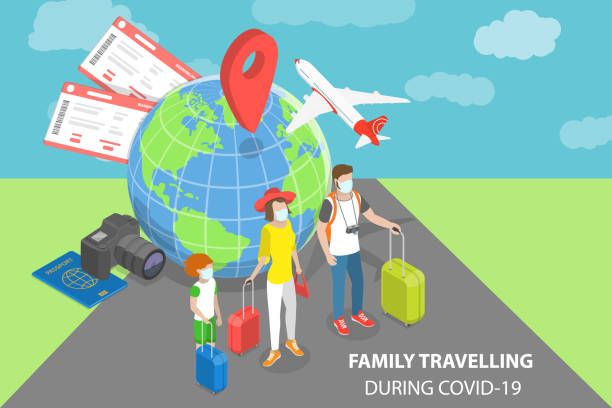
As we navigate 2025, a new COVID-19 variant (currently designated JN.1.XX by global health authorities) has emerged, prompting understandable questions for travelers. While vigilance is key, panic isn’t necessary. Here’s what you need to know to travel smartly and safely:
1. What We Know About the JN.1.XX Variant
Origin & Spread: Descended from the Omicron lineage (like the previous JN.1 variant), JN.1.XX demonstrates increased transmissibility. It’s rapidly becoming dominant in multiple regions.
(World Health Organization (WHO) – Tracking Variants)
Symptoms: Reports suggest symptoms remain similar to recent Omicron variants: primarily upper respiratory (runny nose, sore throat, cough, fatigue, headache). Loss of taste/smell is less common. Severity appears generally mild-to-moderate for most vaccinated individuals, but can vary.
Vaccine/Efficacy: Current evidence indicates updated 2024-2025 COVID-19 vaccines continue to provide significant protection against severe disease, hospitalization, and death from JN.1.XX. Protection against infection may wane over time.
(CDC – Stay Up to Date with COVID-19 Vaccines)
2. Current Travel Restrictions & Requirements (June 2025)
The landscape is fluid! Rules vary significantly by country and can change rapidly:
Testing: Some destinations may reinstate pre-departure or arrival testing requirements, particularly for unvaccinated travelers. Always check before you book and immediately before travel.
(Kayak Travel Restrictions Map)
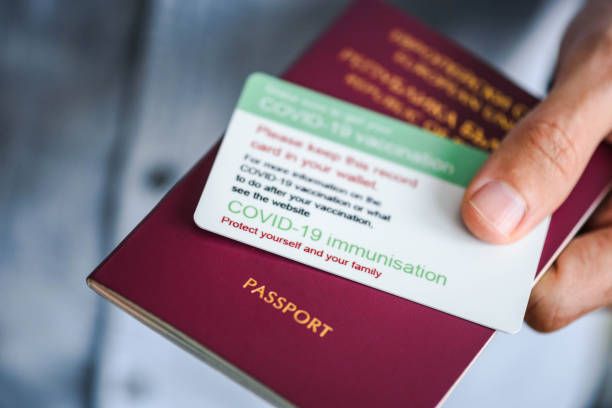
Vaccination Proof: While many countries lifted mandates, some may require proof of vaccination (especially the latest booster) or recovery for entry. Carry digital/physical copies.
Quarantine: Targeted quarantine rules may apply for symptomatic arrivals or those testing positive. Know your destination’s policy.
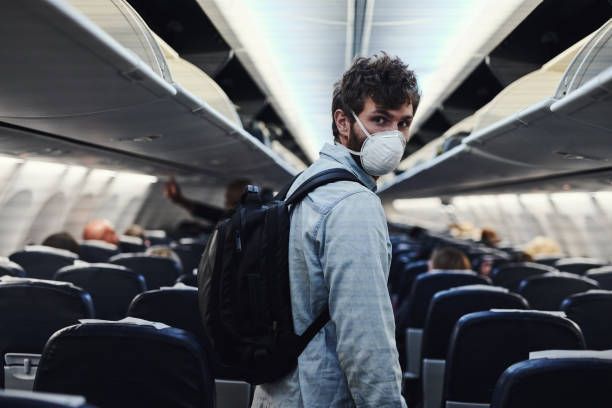
Mask Mandates: Airline and airport policies vary. Some countries or specific settings (hospitals, public transport) might still require masks. Pack high-quality masks (N95/KN95/KF94).
3. Essential Precautions for Travelers
Get Boosted: The single most important step. Ensure you’ve received the latest 2024-2025 COVID-19 booster designed to target recent variants. Allow 2 weeks for full effect before travel.
(Find Vaccines – Vaccines.gov)
Pack a Travel Health Kit: Include high-quality masks, rapid antigen tests, hand sanitizer (>60% alcohol), and basic fever/pain relievers.
Consider Travel Insurance: Choose a policy covering COVID-19-related medical expenses and trip interruptions/cancellations. Read the fine print carefully.
Test Strategically: Test yourself before meeting vulnerable individuals or joining group tours. Test if you develop symptoms during travel.
Prioritize Air Quality & Hygiene: Choose well-ventilated spaces when possible. Maintain good hand hygiene, especially before eating/touching your face.
Have a Contingency Plan: Know what to do and where to go if you test positive abroad (isolate, seek medical care, contact accommodation/airline, understand local isolation rules).
4. Staying Informed is Crucial
Destination-Specific Rules:ALWAYS check official government sources for your destination country and any transit countries shortly before departure:
The emergence of JN.1.XX is a reminder that COVID-19 remains part of our global health landscape. By staying updated on vaccinations, diligently checking travel requirements, packing smartly, and staying informed through official channels, travelers can significantly mitigate risks. Responsible travel—protecting yourself and others—remains paramount. Enjoy your adventures, but do so with awareness and preparation.
Disclaimer: This information is current as of June 2025. COVID-19 regulations and variant situations evolve rapidly. Always consult official government and health organization sources immediately before and during travel for the absolute latest requirements and guidance.

































 Doctor Travel Log