Navigating Your First Days in China 🇨🇳 : An Essential Guide for Students and Visitors

First-Time China 🇨🇳 Guide: Essential Tips for Students, Tourists & especially for Muslim Visitors | VPN, Apps, Halal Food

Stepping off the plane China is an exhilarating experience, filled with the promise of new adventures, academic pursuits, and cultural immersion. However, those first few days can also be daunting, filled with logistical hurdles that aren’t always obvious from afar.

China university gate

Having recently accompanied my daughters as they began their studies in China, I experienced these challenges firsthand. To ensure your transition is as smooth as possible, I’ve compiled a practical, essential checklist based on real-world experience.


The Non-Negotiable Essentials: Your Digital Lifeline

Before you even pack your bags, your phone needs to be prepared. It will be your map, your translator, your wallet, and your connection to home.

1. Secure a Paid VPN (Virtual Private Network)

This is arguably the most important pre-departure step. Many websites and apps you rely on—like Google, Gmail, WhatsApp, Instagram, Facebook, and even some academic journals—are restricted in China.

  • Free VPNs are unreliable and often unsafe. They are easily blocked and can compromise your data.
  • Invest in a reputable paid service like ExpressVPN, Astrill, or NordVPN. Download and install them on all your devices before you arrive, as you often can’t access their websites once you’re in China.
VPN in mobile

2. Install These Must-Have Apps

China operates on a super-app ecosystem. Your life will be infinitely easier with these installed:

  • Alipay or WeChat Pay: This is how China pays for everything. From street food to high-speed rail tickets, cash is becoming rare. You cannot function efficiently without one of these.
  • WeChat: More than just a messaging app, it’s for social networking, official university groups, and its integrated payment system (WeChat Pay)
  • A Map App: Google Maps does not work properly. Use AMap (高德地图) or Baidu Maps (百度地图). While the interface is in Chinese, they are incredibly accurate for directions and public transport.
  • A Translator: Baidu Translate or Pleco (excellent for students) are indispensable for reading menus, signs, and communicating.
  • Taobao / JD.com: For online shopping, Taobao (Alibaba’s platform) is the giant. You can find everything from winter clothes to stationery at great prices. JD.com is famous for its fast, reliable delivery of electronics and groceries. Tip: Use your browser’s translate function or the built-in translate feature in the Alipay app to navigate Taobao.

Financial Setup: Unlocking Your Wallet

You have the apps, now you need to fund them.

3. Open a Local Bank Account ASAP

While international cards like Visa/Mastercard are accepted in some hotels and large stores, for daily life, a local bank account is essential.

  • Which Bank? Major banks like Bank of China (BOC), Industrial and Commercial Bank of China (ICBC), or Agricultural Bank of China (ABC) are used to dealing with foreigners.
  • What You Need: Bring your passport and your admission letter (for students) or invitation letter. The process is straightforward, and bank staff will help you.
  • Why It’s Crucial: You need a local bank card to link to and verify your Alipay and WeChat Pay wallets, allowing you to pay for things, scan QR codes, and even hail taxis. This is also necessary for smooth shopping on Taobao.
Bank of china

4. The Alipay/WeChat Pay Shortcut

If you can’t open a bank account immediately, you still have options:

  • Get a Friend to Help: Have a friend, university liaison, or classmate transfer a small balance to your
  • Alipay or WeChat wallet. You can then use this balance until your bank account is set up.
  • TourPass: Alipay offers a “TourPass” feature for short-term visitors, which allows you to pre-load funds using an international card (availability can vary).

Wepay app

A Special Note for Muslim Visitors: Finding Halal Food

Finding Halal food (清真食品, qīngzhēn shípǐn) can be a concern, but with the right knowledge, it’s manageable.

  • For Students: Most major universities with a significant number of Muslim students have a Halal canteen (清真食堂, qīngzhēn shítáng) on campus. This will be your most convenient and reliable option.
  • For Tourists & City Exploration: Look for restaurants specializing in cuisine from Muslim-majority regions in China.
    • Lanzhou Lamian (兰州拉面): These ubiquitous restaurants serve delicious hand-pulled beef noodles and are a fantastic, affordable, and trustworthy option. They are easily identifiable by their signs in both Chinese and Arabic script.
    • Xinjiang Restaurants (新疆饭店): These offer a wonderful taste of Uyghur cuisine. Look for signs that say “新疆饭馆” or feature pictures of lamb skewers (羊肉串, yángròu chuàn), naan bread (馕, náng), and pilaf (抓饭, zhuāfàn). Larger cities often have well-known Xinjiang restaurant chains.
  • General Tip: Look for the Arabic script and the Chinese Halal certification logo (often green and says 清真). Using your translator app to scan menus is very helpful
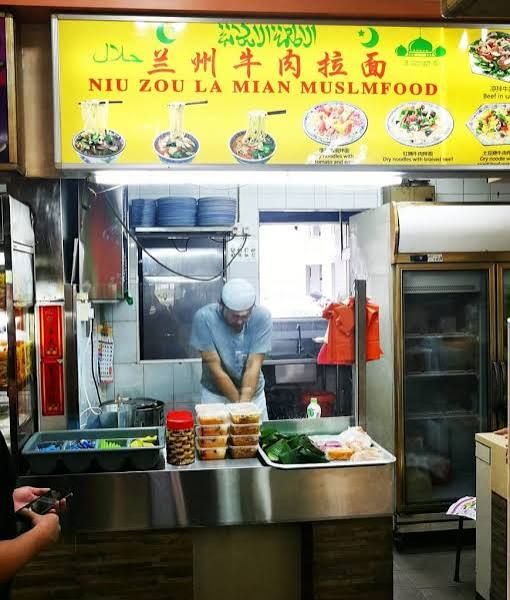
Halal food in china

Legal and Logistical Must-Dos

5. Smooth Immigration Processing

When you arrive at immigration, have the following documents ready and easily accessible:

  • Your passport with the appropriate visa.
  • Your official admission letter (for students) or invitation letter. Officers may ask to see it.

6. Mandatory Registration within 24 Hours

Chinese law requires all foreigners to register their place of residence with the local police station within 24 hours of arrival.

  • If you’re staying in a hotel: The hotel will handle this registration for you automatically when you check in. Always keep your hotel registration slip.
  • If you’re staying in a private residence or university dormitory: The responsibility falls on you or your host. Your university’s international student office will almost always assist you with this process for dorm registration. Do not neglect this step, as it is required for visa renewals and other official processes.

Final Pro-Tips for a Smooth Start

  • Pack a portable power bank. You will be using your phone constantly for translations, maps, and payments.
  • Carry a printed copy of your hotel/university address in Chinese characters to show taxi drivers.
  • Embrace patience and a sense of humor. Things might not always go as planned, but that’s part of the adventure!

Preparing with these key steps will dramatically reduce your stress and allow you to focus on what really matters: embracing an incredible new chapter in China.

Welcome to China! 欢迎来到中国!(Huānyíng lái dào Zhōngguó!)

Dr.Mohammad Rizwan Feroz

👍 Found this helpful? Show some love & follow us on Instagram @doctortravellog for expert tips & fresh updates!

💬 Got thoughts or questions? React below or drop a quick comment — no login needed!

❤️ 😮 🤔 👍 👎
Conquer Jet Lag: Travel Doctor-Approved Strategies for Seamless Time Zone Transitions

Travel unlocks incredible experiences, but the dreaded jet lag can turn arrival into a fog of fatigue, insomnia, and irritability. As a travel medicine specialist, I see countless patients battling this circadian rhythm disruption. The good news? Jet lag isn’t inevitable. With proactive, science-backed strategies, you can significantly minimize its impact and hit the ground running. Here’s your expert guide to effective jet lag remedies.

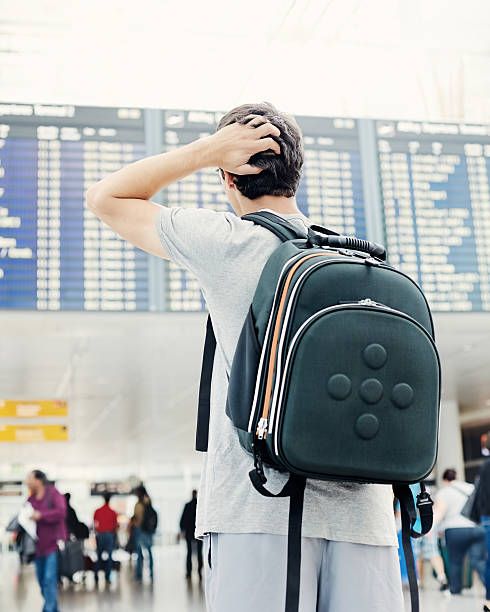
Jet-lagged traveler at airport surrounded by time zone clocks

Understanding the Enemy: Why Jet Lag Happens

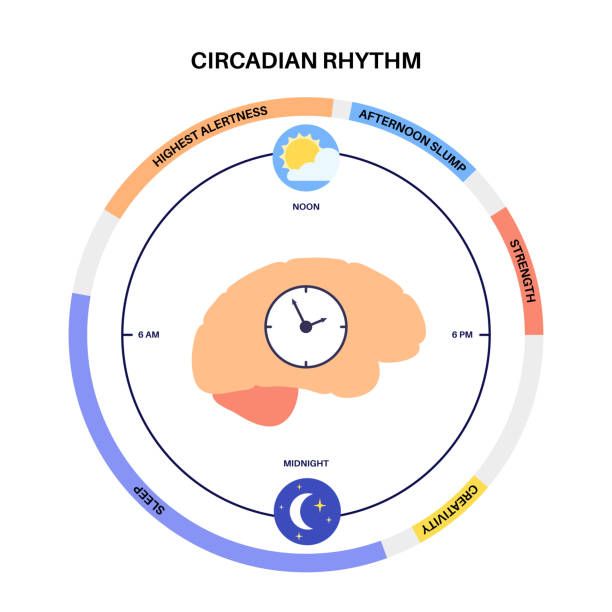
Jet lag occurs when your internal body clock (circadian rhythm), which regulates sleep-wake cycles, hormone release, digestion, and body temperature, becomes misaligned with the external light-dark cycle of your new time zone. Crossing multiple time zones, especially eastward travel, forces this internal clock to play catch-up. Symptoms include:

  • Insomnia or excessive daytime sleepiness
  • Difficulty concentrating (“brain fog”)
  • Fatigue and low energy
  • Mood swings, irritability
  • Digestive upset (constipation or diarrhea)
  • General malaise
Visual explanation of body clock circadian disruption during jet lag

Travel Doctor’s Toolkit: Proven Jet Lag Remedies

1. Start Adjusting BEFORE You Fly (The Most Overlooked Step!):

  • Gradual Shift: 3-4 days pre-trip, gradually adjust your sleep and meal times towards your destination schedule. Heading east? Go to bed and wake up 1 hour earlier each day. Heading west? Shift 1 hour later.
  • Optimize Sleep: Prioritize excellent sleep hygiene in the days leading up to travel. A well-rested body adapts better.

2. Master Light Exposure (Your Most Powerful Ally):

  • Eastbound Travel (e.g., US to Europe): You need to advance your clock. Upon arrival: Seek bright morning sunlight (critical!) and avoid bright light in the late afternoon/evening. Consider light-blocking sunglasses late in the day.
  • Westbound Travel (e.g., Europe to US): You need to delay your clock. Upon arrival: Avoid bright morning light. Seek bright afternoon and early evening sunlight to help you stay awake later.
  • Use Light Strategically: Consider specialized light therapy glasses (like Re-Timer) or apps (e.g., Timeshifter, Entrain) that calculate personalized light exposure schedules.
Sunlight exposure to adjust circadian rhythm after travel

3. Hydration is Non-Negotiable:

  • Drink Water: Airplane cabins are extremely dehydrating. Dehydration worsens jet lag symptoms. Aim for 8 oz of water per hour in flight. Avoid excessive caffeine and alcohol, which dehydrate further and disrupt sleep.

4. Consider Melatonin (Use Wisely!):

  • What it is: A hormone naturally produced by your body to signal sleepiness.
  • How to use: Small doses (0.5mg – 3mg, often 1-2mg is sufficient) taken at the target bedtime of your destination can help reset your clock. Start taking it 1-2 days before travel and continue for a few days after arrival.
  • Crucial Notes: Consult your doctor first, especially if you take other medications, have health conditions, or are pregnant. Purchase reputable brands (quality varies). Timing is everything – taking it too early can make things worse. It’s a sleep signal, not a sedative.

5. Optimize Your Flight:

  • Set Your Watch: Immediately set your watch/phone to your destination time upon boarding. Mentally align with the new schedule.
  • Sleep Strategy: If it’s nighttime at your destination during the flight, try to sleep (use eye mask, earplugs, neck pillow). If it’s daytime there, try to stay awake. Adjust screen brightness accordingly.
  • Move & Stretch: Get up regularly, walk the aisles, do seated stretches to improve circulation and reduce stiffness.

6. Arrival Strategy: Sync with Local Time IMMEDIATELY:

  • Resist the Nap Trap: However tempting, avoid long naps (>30 mins) upon arrival, especially during the local afternoon/evening. If you must nap, keep it very short and early in the day.
  • Eat with the Locals: Have meals at local meal times to help reset your digestive clock.
  • Get Daylight: Go outside! Natural light exposure is the strongest cue for your circadian rhythm. Follow the light exposure guidelines above.
  • Gentle Activity: Engage in light physical activity (a walk) during the local daytime to boost alertness.

7. Create a Sleep-Conducive Environment:

  • Ensure your accommodation is dark, quiet, and cool. Use blackout curtains, a white noise machine, or earplugs if needed.
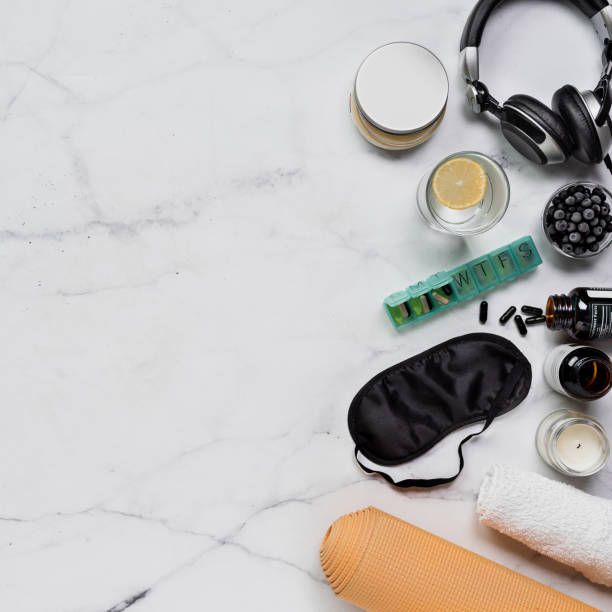
Jet lag toolkit for travelers including melatonin, water, and sleep aids

What Generally Doesn’t Work (Travel Doctor Insights):

  • Over-reliance on Sleeping Pills: Prescription sleep aids don’t reset your circadian rhythm; they merely induce unconsciousness. They can cause grogginess, dependency, and complicate adaptation. Use only exceptionally and under strict medical guidance for very short periods.
  • Excessive Caffeine: While a cup of coffee can help temporary alertness, too much caffeine, especially later in the day, will sabotage nighttime sleep and prolong adaptation.
  • Ignoring Hydration: Neglecting water intake amplifies fatigue and headaches.
  • “Powering Through” Without Strategy: Hoping you’ll just adjust by sheer willpower is inefficient and prolongs suffering.

Key Takeaways for Jet Lag Success:

  • Plan Ahead: Pre-trip adjustment is powerful.
  • Light is King: Strategically use (and avoid) light exposure.
  • Hydrate Relentlessly: Water is essential.
  • Melatonin (Optional but Useful): Use low doses correctly timed if appropriate for you and discussed with your doctor.
  • Sync Immediately on Arrival: Eat, sleep (at night!), and get light exposure on the new local schedule.
  • Be Patient: Allow roughly one day per time zone crossed for full adjustment. Eastward travel is often harder.
Passenger using sleep gear and staying hydrated during flight

Consult a Travel Medicine Specialist:

If you travel frequently, have underlying health conditions, take medications, or are planning a complex multi-time-zone trip, consult a travel medicine doctor before you depart. We provide personalized advice, address specific concerns, and can discuss melatonin or other options in the context of your health.

By implementing these travel doctor-approved strategies, you transform jet lag from a trip-derailing monster into a manageable hurdle. Invest in preparation and smart tactics upon arrival, and unlock the full potential of your global adventures, arriving refreshed and ready to explore. Safe and well-adjusted travels!

👍 Found this helpful? Show some love & follow us on Instagram @doctortravellog for expert tips & fresh updates!

💬 Got thoughts or questions? React below or drop a quick comment — no login needed!

❤️ 😮 🤔 👍 👎