Conquering the Cursed Curry: Your Guide to Preventing & Managing Traveller’s Diarrhea

Ah, the dream trip. Exotic sights, tantalizing smells, unforgettable experiences… and then, it hits. That urgent rumble, the sprint to the bathroom, the feeling your insides are staging a rebellion. Traveller’s Diarrhea (TD) – the unwelcome souvenir nobody wants. At DoctorTravelLog, we’ve seen it all (and treated it all!), and we’re here to arm you with knowledge, not just fear. Let’s demystify this common travel woe.

What Exactly Is This Gut Rebellion?

Simply put, TD is your digestive system throwing a tantrum after encountering unfriendly bacteria, viruses, or parasites it’s not used to. Think E. coli, Salmonella, Campylobacter, norovirus, or Giardia. These microscopic hitchhikers usually enter via contaminated food or water. While rarely life-threatening for healthy adults, it can turn paradise into a porcelain prison for 3-7 days.

Why Me? The Usual Suspects:

  • The Water: Even tiny amounts of contaminated water used to wash salad, ice cubes in your drink, or brushing your teeth can be the culprit. “Local water” doesn’t just mean tap; be wary of sources.
  • The Food: Undercooked meats (especially street food), raw seafood, unpasteurized dairy, and anything washed in contaminated water (fruits, veggies) are prime offenders. Buffets where food sits out are risky.
  • Person-to-Person: Poor hand hygiene after using the bathroom or before eating spreads germs fast.
  • Location Matters: Risk is highest in parts of Asia (especially South and Southeast Asia), Africa, Latin America, and the Middle East. But anywhere with different sanitation standards poses some risk.

Recognizing the Enemy: Symptoms Beyond the Obvious

  • Urgent need to go
  • Abdominal cramps and bloating
  • Nausea and sometimes vomiting
  • Low-grade fever
  • General malaise (feeling awful)
  • Loss of appetite

Doctor’s Note: Blood in stool, high fever, severe pain, or dehydration (dizziness, extreme thirst, little/no urination) are RED FLAGS. Seek medical help immediately.

Your Best Defense: Prevention is King (and Queen!)

You can significantly reduce your risk. Think like a germ detective:

  1. Hydrate Smart:
    • Bottled/Sealed: Drink only commercially bottled water with intact seals. Check the cap!
    • Boiled: Vigorously boiled water (1 minute, 3 mins at altitude) is safe.
    • Purified: Use reliable water filters (check pore size – 0.1-0.4 microns for bacteria/protozoa) or chemical purification (chlorine dioxide tablets) following instructions exactly.
    • Avoid Ice: Unless you know it’s made from purified/bottled water. Assume it’s not.
    • Hot Drinks: Generally safe (coffee, tea made with boiling water).
    • Toothbrushing: Use bottled or purified water.
  2. Eat Wisely (“Boil It, Cook It, Peel It, or Forget It!”):
    • Peel It Yourself: Bananas, oranges, mangoes = usually safe. Avoid pre-cut fruit or salads.
    • Hot & Steamy: Eat foods served piping hot, straight from cooking. Avoid lukewarm buffet items.
    • Skip the Risky: Raw or undercooked meats, fish, shellfish. Unpasteurized milk, cheese, yogurt. Street food, unless you see it cooked thoroughly right in front of you and served hot.
    • Dry & Packaged: Breads, chips, factory-sealed items are generally low risk.
    • Condiments: Be wary of open sauces sitting out.
  3. Hand Hygiene is Non-Negotiable:
    • Wash hands thoroughly with soap and safe water (or use alcohol-based hand sanitizer with >60% alcohol if soap/water unavailable) BEFORE eating, AFTER using the bathroom, and after touching potentially contaminated surfaces.
    • Carry hand sanitizer everywhere.
  4. Consider Prophylaxis (Cautiously):
    • Bismuth Subsalicylate (Pepto-Bismol): Taking it preventatively (e.g., 2 tabs 4x/day) can reduce risk by ~50%, but isn’t suitable for everyone (aspirin allergy, pregnancy, kids, certain meds). It turns your tongue black!
    • Antibiotics: Generally NOT recommended for prevention due to side effects and antibiotic resistance. Reserved for high-risk individuals (weakened immune system, critical trips) only after consulting a travel doctor.

When Prevention Fails: Weathering the Storm

Even the most careful traveler can get hit. Don’t panic! Focus on:

  1. Hydration, Hydration, Hydration: This is CRITICAL. You’re losing fluids fast.
    • Oral Rehydration Solution (ORS): The GOLD STANDARD. Packets are cheap, light, and lifesaving. Mix with SAFE water. Sip constantly. Tastes bland? Add a splash of safe juice.
    • Safe Fluids: Bottled water, clear broths, weak tea. Avoid caffeine, alcohol, sugary drinks (soda, juice) – they can worsen diarrhea.
    • Signs of Dehydration: Dizziness, dark urine, dry mouth, lethargy. Push ORS hard!
  2. Diet: Listen to Your Gut (Gently)
    • Initially: Focus on fluids. The BRAT diet (Bananas, Rice, Applesauce, Toast) is outdated advice. Bland, starchy foods (plain rice, crackers, noodles) are okay if tolerated, but hydration is paramount.
    • Gradually Reintroduce: As you feel better, add simple proteins (boiled chicken, plain yogurt if tolerated) and cooked veggies. Avoid greasy, spicy, or high-fiber foods initially.
  3. Over-the-Counter Relief:
    • Loperamide (Imodium): Helps slow down the plumbing for adults. Useful for long bus rides/flights. BUT: Do NOT use if you have fever, bloody stools, or severe abdominal pain – it can trap the bug inside. Use only for symptom control, not as a cure. Follow dosing.
    • Bismuth Subsalicylate (Pepto-Bismol): Can help reduce symptoms and shorten duration slightly.
  4. When Antibiotics Are Needed:
    • For moderate to severe TD (frequent stools, fever, blood, incapacitation), antibiotics prescribed before your trip by a travel doctor can be a game-changer, shortening illness significantly (often 1-3 days).
    • Common options: Azithromycin, Rifaximin (less absorbed, good for certain bacteria). Crucial: Take exactly as prescribed. Never use leftover antibiotics.

Doctor’s Bag Must-Haves:

  • Oral Rehydration Salts (ORS) packets
  • Loperamide (Imodium)
  • Bismuth Subsalicylate (Pepto-Bismol)
  • Antibiotic prescribed by your travel doctor (if recommended)
  • Alcohol-based hand sanitizer (>60% alcohol)
  • Thermometer
  • Basic first-aid supplies

Special Cases: Kids, Pregnancy, Chronic Conditions

  • Children: Dehydrate much faster. ORS is vital. Consult a doctor immediately for infants/young children or severe symptoms. Antibiotic choices differ.
  • Pregnancy: Prevention is even more critical. Consult your OB/GYN and a travel medicine specialist well before travel. Treatment options are more limited.
  • Weakened Immune Systems/Conditions: Higher risk for severe illness. Essential to see a travel medicine specialist for a personalized plan.

The DoctorTravelLog Bottom Line:

Traveller’s Diarrhea is incredibly common, often manageable, but definitely disruptive. Respect the risks, prepare diligently, but don’t let fear ruin your adventure.

  • Prevention Focus: Water, food, hands. Be vigilant.
  • Hydration is Key: Pack ORS and use it at the first sign.
  • Know When to Treat: Have OTC meds and know when prescribed antibiotics are needed.
  • Seek Help for Red Flags: Don’t hesitate if things get severe.

With smart preparation and the right knowledge, you can significantly reduce your chances of getting TD and handle it effectively if it strikes. Now, go explore confidently! Stay safe, stay hydrated, and happy travels from the team at DoctorTravelLog.

Dr. Wanderlust (aka Dr Mohammad Rizwan Feroz/DoctorTravelLog)
Helping you explore the world, one healthy step at a time.


The Unfiltered Truth: A Doctor’s Guide to Smoking Hazards and the Path to Freedom

As a physician who has witnessed the devastating toll of tobacco firsthand, both in bustling city hospitals and remote clinics during my travels, I feel compelled to share the stark medical realities of smoking. It’s not just a bad habit; it’s a complex addiction driving a cascade of biological destruction. Understanding these hazards from a medical perspective is the first crucial step towards reclaiming your health and embracing a smoke-free life – essential for anyone wanting to fully experience the vitality travel demands.

Stop smoking health awareness message

Beyond the Lungs: The Systemic Onslaught of Smoke

Cigarette smoke is a toxic cocktail of over 7,000 chemicals, including at least 70 known carcinogens. Its damage is far-reaching:

1. Cardiovascular Catastrophe:

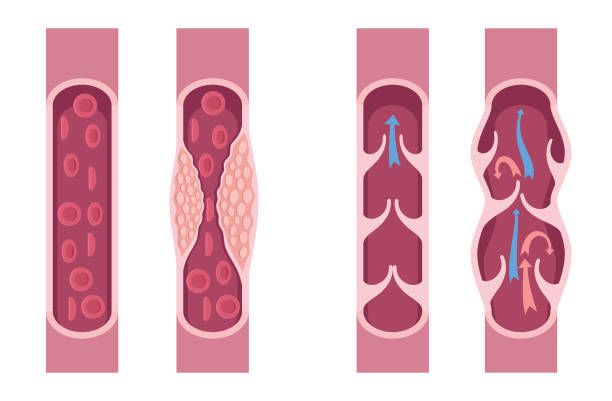
  • Atherosclerosis: Nicotine and other toxins damage the delicate endothelial lining of arteries. This allows LDL (“bad”) cholesterol to infiltrate the arterial wall, triggering inflammation and plaque buildup. This narrows arteries, restricting blood flow.
  • Hypertension: Nicotine is a potent vasoconstrictor, causing arteries to tighten, forcing the heart to work harder and raising blood pressure.
  • Increased Clotting: Smoking makes platelets stickier and increases fibrinogen levels, significantly raising the risk of dangerous blood clots.
  • Coronary Heart Disease (CHD): The leading cause of death among smokers. Plaque buildup in coronary arteries starves the heart muscle of oxygen, causing angina (chest pain) and heart attacks.
  • Stroke: Plaque in carotid arteries or clots traveling to the brain cause ischemic strokes. Smoking also increases the risk of hemorrhagic stroke (bleeding in the brain) by weakening blood vessels.
  • Peripheral Artery Disease (PAD): Reduced blood flow to limbs, causing pain (claudication), poor wound healing, infections, and potentially gangrene and amputation.

2. Respiratory Ruin:

Healthy lung vs smoker's lung damage
  • Chronic Obstructive Pulmonary Disease (COPD): An umbrella term encompassing emphysema and chronic bronchitis. Smoke destroys lung elasticity (emphysema) and inflames airways, causing excessive mucus and chronic cough (bronchitis). This leads to progressive, irreversible shortness of breath – a thief of vitality.
  • Lung Cancer: The most infamous hazard. Carcinogens like benzopyrene cause DNA mutations in lung cells, leading to uncontrolled growth. Smoking is responsible for about 85% of lung cancer cases.
  • Increased Infections: Smoke paralyzes and damages the cilia (tiny hairs) that clear mucus and pathogens from the airways. This makes smokers far more susceptible to pneumonia, influenza, and tuberculosis.
  • Asthma Exacerbation: Smoke is a potent trigger for asthma attacks and worsens overall control.

3. Cancer Beyond the Lungs: Smoking is a major risk factor for cancers of the:

  • Mouth, Throat (Pharynx & Larynx)
  • Esophagus
  • Stomach
  • Pancreas
  • Liver
  • Kidney & Bladder
  • Cervix
  • Colon & Rectum
  • Acute Myeloid Leukemia (AML)

4. Reproductive and Developmental Damage:

  • Men: Reduced sperm count, increased sperm abnormalities, erectile dysfunction (due to vascular damage).
  • Women: Reduced fertility, earlier menopause, increased risk of cervical cancer. During pregnancy: increased risk of miscarriage, stillbirth, preterm birth, low birth weight, placental problems (placenta previa, abruption), and sudden infant death syndrome (SIDS).

5. Accelerated Aging & Other Impacts:

  • Skin: Premature wrinkles, sagging, yellowing due to impaired blood flow and collagen/elastin breakdown.
  • Eyes: Increased risk of cataracts and age-related macular degeneration (AMD), leading causes of blindness.
  • Bones: Increased risk of osteoporosis and fractures due to reduced bone density.
  • Immune System: Chronic inflammation and impaired immune function.
  • Diabetes: Increases insulin resistance and the risk of developing Type 2 diabetes; makes existing diabetes harder to control.
  • Oral Health: Gum disease (periodontitis), tooth loss, stained teeth, oral cancers.
Used cigarette symbolizing quitting

The Addicted Brain: Why Quitting is Tough (But Not Impossible)

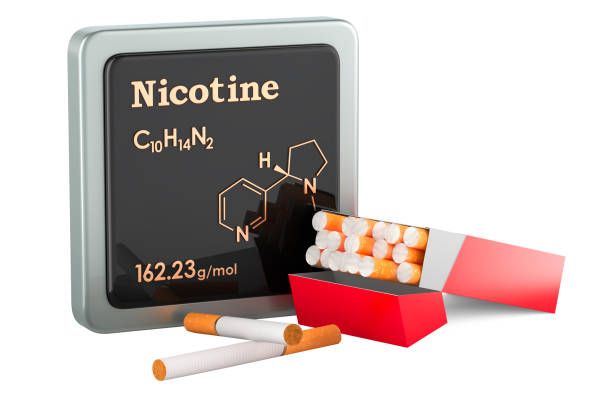
Nicotine is highly addictive, acting on the brain’s reward pathways. It stimulates the release of dopamine, creating feelings of pleasure and reinforcement. Over time, the brain adapts, needing more nicotine to achieve the same effect (tolerance) and causing unpleasant withdrawal symptoms (irritability, anxiety, difficulty concentrating, cravings, restlessness) when nicotine levels drop. This powerful neurobiological cycle makes quitting challenging, but absolutely achievable with the right strategies.

Prescribing Freedom: Evidence-Based Strategies to Quit Smoking

Quitting is the single most important step a smoker can take for their health. Benefits begin within hours and continue for years. Here’s the medical roadmap:

  1. Commit to a Quit Date: Choose a date within the next 2 weeks. Mark it clearly.
  2. Tell Your Support System: Inform family, friends, and colleagues. Their support is invaluable. Consider joining a support group.
  3. Identify & Avoid Triggers: Recognize situations (morning coffee, stress, socializing) that trigger cravings and plan alternatives.
  4. Consider Evidence-Based Cessation Aids (Discuss with your Doctor FIRST):
    • Nicotine Replacement Therapy (NRT): Provides controlled nicotine without the other toxins, easing withdrawal. Options include patches (steady dose), gum, lozenges, inhalers, nasal spray (for acute cravings). Can often be combined (e.g., patch + gum).
    • Prescription Medications:
      • Varenicline (Chantix): Blocks nicotine’s effects on the brain, reduces pleasure from smoking, and eases withdrawal.
      • Bupropion (Zyban): An antidepressant that reduces nicotine cravings and withdrawal symptoms.
  5. Behavioral Therapy/Counseling: Highly effective, especially combined with medication. Teaches coping skills, stress management, and problem-solving strategies to overcome addiction. Available individually, in groups, or via phone quitlines (e.g., 1-800-QUIT-NOW in the US).
  6. Manage Withdrawal & Cravings:
    • Delay: Urges typically peak within 5–10 minutes. Distract yourself.
    • Deep Breathing: Calms the nervous system.
    • Drink Water: Helps flush toxins and keeps hands/mouth busy.
    • Physical Activity: Reduces cravings and stress.
    • Avoid “Just One”: It almost always leads back to regular smoking.
  7. Prepare for Relapse: Slips happen. Don’t see it as failure. Analyze what triggered it, learn from it, and recommit immediately. Most successful quitters have made several attempts.

The Doctor’s Verdict: Your Healthiest Journey Begins Here

The medical evidence is unequivocal: smoking is a primary driver of preventable death and disability worldwide. It ravages nearly every organ system, stealing years of life and quality of life. However, the human body possesses an incredible capacity to heal once the assault of tobacco ceases.

Quitting smoking is a profound act of self-care. It requires commitment, often support, and sometimes medical assistance, but the rewards – easier breathing, a stronger heart, more energy, a brighter future, and the freedom to travel without being tethered to an addiction – are immeasurable. You don’t have to walk this path alone. Consult your doctor today. Together, you can develop a personalized quit plan tailored to your needs and embark on your most important journey yet: the journey to a smoke-free, healthier life.

Nicotine molecule chemistry diagram

Disclaimer:

This article provides general medical information and does not replace personalized advice from a qualified healthcare professional. Always consult your physician before starting any cessation program or medication.

Dr. Mohammad Rizwan Feroz

The Role of Health Insurance for Expatriate Employees in the GCC

Discover why health insurance for expatriates in the GCC is mandatory, its benefits, and how to choose the best plan. Protect your workforce with the right coverage!

GCC region map highlighting healthcare coverage

Introduction

The Gulf Cooperation Council (GCC)β€”including the UAE, Saudi Arabia, Qatar, Kuwait, Oman, and Bahrainβ€”is a hub for expatriate professionals. However, working abroad comes with challenges, especially regarding healthcare access.

Since most GCC countries mandate health insurance for expatriates, understanding its importance is crucial for employees and employers. This guide explains why health insurance is vital, its benefits, and how to select the best policy.

πŸ”— Looking for travel health tips? Check out our guide on Staying Healthy While Working Abroad here.


Why Health Insurance is Mandatory for Expatriates in the GCC

1. Legal Requirement

  • UAE, Saudi Arabia, and Qatar enforce strict health insurance laws for expatriates.
  • Employers must provide valid medical coverage to avoid fines or visa rejections.

2. High Medical Costs

  • Without insurance, a single hospital visit in Dubai or Riyadh can cost thousands of dollars.
  • Insurance prevents financial strain from emergencies or chronic conditions.

3. Visa & Work Permit Compliance

  • Many GCC countries require proof of health insurance during visa processing.
  • Some nations (like Abu Dhabi) link insurance to Emirates ID or residency permits.

πŸ”— Read more about GCC Visa Requirements for Expatriates in our detailed blog.

Close-up of a health insurance card issued in UAE

Key Benefits of Health Insurance for Expatriate Employees

1. Comprehensive Medical Coverage

  • Inpatient & Outpatient Care – Covers doctor visits, surgeries, and diagnostics.
  • Chronic Disease Management – Critical for diabetes, hypertension, and heart conditions.
  • Maternity & Childcare – Essential for expatriate families.

2. Emergency & Medical Evacuation

  • Some policies include air ambulance services for critical cases.
  • 24/7 global assistance ensures help during emergencies.

3. Mental Health & Wellness Support

  • Many insurers now cover therapy and stress managementβ€”key for expatriates.

4. Benefits for Employers

  • Boosts Employee Retention – Workers value good insurance.
  • Reduces Absenteeism – Healthy employees = higher productivity.
  • Avoids Legal Penalties – Non-compliance risks fines or bans.

πŸ”— Learn how Employers Can Support Expatriate Health in our latest article.

Ambulance and medical evacuation icons

How to Choose the Best Health Insurance Plan

βœ… Check Coverage Limits

  • Ensure the policy covers major surgeries, hospitalization, and emergencies.

βœ… Verify Network Hospitals

  • Confirm if preferred hospitals (like Cleveland Clinic UAE or King Faisal Specialist Hospital) are included.

βœ… Look for Add-Ons

  • Dental, optical, and wellness programs improve coverage.
  • Repatriation benefits for emergency returns to home countries.

βœ… Compare Costs & Claims Process

  • Some insurers offer cashless treatments, while others require reimbursement.

πŸ”— Need help picking a plan? Read our Best Health Insurance for Expats in Dubai.

Doctor and expatriate discussing health insurance options

Final Thoughts

Health insurance isn’t just a legal formalityβ€”it’s a lifesaver for expatriates in the GCC. From emergency care to chronic disease management, the right policy ensures financial security and peace of mind.

Employers, investing in robust health insurance boosts morale and compliance, while employees gain access to world-class healthcare without stress.

Close-up of a health insurance card issued in UAE

Dr.Mohammad Rizwan Feroz

Beyond the Clinic Walls: Celebrating Community Healthcare Improvement Week (June 1-8)

Between clinic shifts and journeys to remote health posts, one truth becomes undeniably clear: the health of a community isn’t built solely within hospital walls. It thrives in the neighborhoods, schools, workplaces, and homes where people live their daily lives. That’s the powerful message at the heart of Community Healthcare Improvement Week, observed annually from June 1st to June 8th. As both a physician and an observer of health systems worldwide (here at DoctorTravelLog), this week resonates deeply. It’s a dedicated time to recognize, celebrate, and actively participate in strengthening the vital foundation of our collective well-being: community-based healthcare.

β€£ What is Community Healthcare Improvement Week?

This week serves as a national call to action. It’s a moment to spotlight the incredible work being done – often quietly and tirelessly – by community health centers (CHCs), public health departments, local non-profits, outreach workers, advocates, and countless volunteers. These are the individuals and organizations on the front lines, working with communities to address their specific health needs, break down barriers to care, and foster environments where health can flourish.

β€£ Why Does Community Healthcare Matter More Than Ever?

The events of recent years have starkly illuminated the critical importance of strong, accessible, and equitable community health infrastructure. Community healthcare:

  1. Reaches the Underserved: CHCs and outreach programs are lifelines for vulnerable populations – the uninsured, underinsured, low-income families, migrant workers, the homeless, and residents of rural or isolated areas. They provide care based on need, not ability to pay.
  2. Focuses on Prevention: Community health excels at proactive care – vaccinations, screenings, health education, nutrition programs, and chronic disease management. Preventing illness is always more effective and less costly than treating it.
  3. Addresses Social Determinants: Community health workers understand that health is shaped by factors like housing, food security, transportation, education, and safety. They connect individuals to vital social services, tackling the root causes of poor health.
  4. Builds Trust & Cultural Competence: Local providers embedded within communities understand cultural nuances, language needs, and specific challenges. This builds essential trust, leading to better patient engagement and outcomes.
  5. Promotes Health Equity: By focusing on access and removing barriers, community healthcare is a powerful force in closing the persistent gaps in health outcomes experienced by different racial, ethnic, and socioeconomic groups.

β€£ Challenges on the Ground: A View from the Road

Through my travels, I’ve witnessed both inspiring community health initiatives and the significant hurdles they face. Common challenges include:

  • Funding Instability: Reliance on grants and government funding can make long-term planning difficult.
  • Workforce Shortages: Recruiting and retaining doctors, nurses, dentists, mental health professionals, and community health workers, especially in rural areas, is an ongoing struggle.
  • Burdensome Regulations: Navigating complex administrative requirements diverts resources from direct patient care.
  • Integration Gaps: Ensuring seamless communication and coordination between community providers, hospitals, and social services remains a work in progress.
  • The Rising Tide of Need: Increasing rates of chronic disease, mental health challenges, and the lingering impacts of health crises place immense pressure on these essential services.

β€£ How Can You Participate in Community Healthcare Improvement Week?

This week isn’t just for health professionals; it’s for everyone who cares about the health of their neighbors and their town. Here’s how you can get involved, no matter your background:

  • Learn & Raise Awareness:
    • Visit the website of your local Community Health Center or Public Health Department. Understand their services and challenges.
    • Share information about Community Healthcare Improvement Week and the role of CHCs on social media using hashtags like #CommunityHealthWeek #CHCs #HealthEquity #PublicHealth.
    • Talk to friends and family about the importance of accessible local healthcare.
  • Support Local Efforts:
    • Donate: Even small contributions to your local CHC or health-focused non-profit make a tangible difference.
    • Volunteer: Offer your time and skills. Opportunities range from administrative help to health education support, event coordination, or even pro-bono professional services.
    • Attend Events: Many CHCs and health departments host open houses, health fairs, or educational seminars during this week. Participate!
  • Advocate:
    • Contact your local, state, and federal representatives. Express your support for sustained and increased funding for community health centers, public health infrastructure, and programs addressing social determinants of health.
    • Share stories about the positive impact community health has had on you or someone you know.
  • Prioritize Your Own Community Health:
    • Schedule a check-up or screening at your local CHC or clinic.
    • Participate in local health initiatives like walking groups, nutrition classes, or vaccination drives.
    • Support local businesses and initiatives that promote healthy food options and safe environments.

β€£ A Global Perspective: Community Health in Action

From the community health workers traversing remote villages in the Himalayas to deliver prenatal care, to the integrated health and social service hubs in bustling cities like London or Toronto, the core principle remains the same: meeting people where they are. The most effective health solutions are often hyper-local, culturally attuned, and developed with the community, not just for it. Community Healthcare Improvement Week reminds us to value and invest in this essential model.

β€£ The Ripple Effect: Why Your Involvement Matters

Strengthening community healthcare creates a powerful ripple effect.

  • Healthier individuals mean stronger families.
  • Healthier families contribute to more vibrant neighborhoods.
  • Healthier neighborhoods build more resilient and productive communities.

Investing in the health infrastructure at our doorstep is an investment in our shared future.

This Community Healthcare Improvement Week (June 1-8), let’s move beyond awareness to action.

Find your local community health center, learn about their work, and discover how you can contribute. Whether through donation, volunteering, advocacy, or simply utilizing their services, you become part of the vital network building a healthier foundation for everyone.

Public health fair with volunteers offering free check-ups.

Let’s celebrate the unsung heroes of community health and work together to ensure these essential services not only survive but thrive.

What community health initiatives have you encountered in your own neighborhood or travels? Share your experiences in the comments below!

Let’s inspire each other with stories of local health making a global difference.

Dr. Mohammad Rizwan Feroz