Conflict Fallout: Health Crises & Travel Disruptions Across the Middle East

How Regional Escalations Are Affecting Civilians and Global Travelers

Introduction
The intensifying conflict between Israel and regional actors in 2025 has reverberated far beyond military targets, triggering severe humanitarian crises and complex travel challenges. For health-conscious travelers and medical professionals monitoring global risks, understanding these interconnected impacts—civilian casualties, collapsing health systems, and logistical disruptions—is critical.

1. Civilian Casualties: The Human Toll

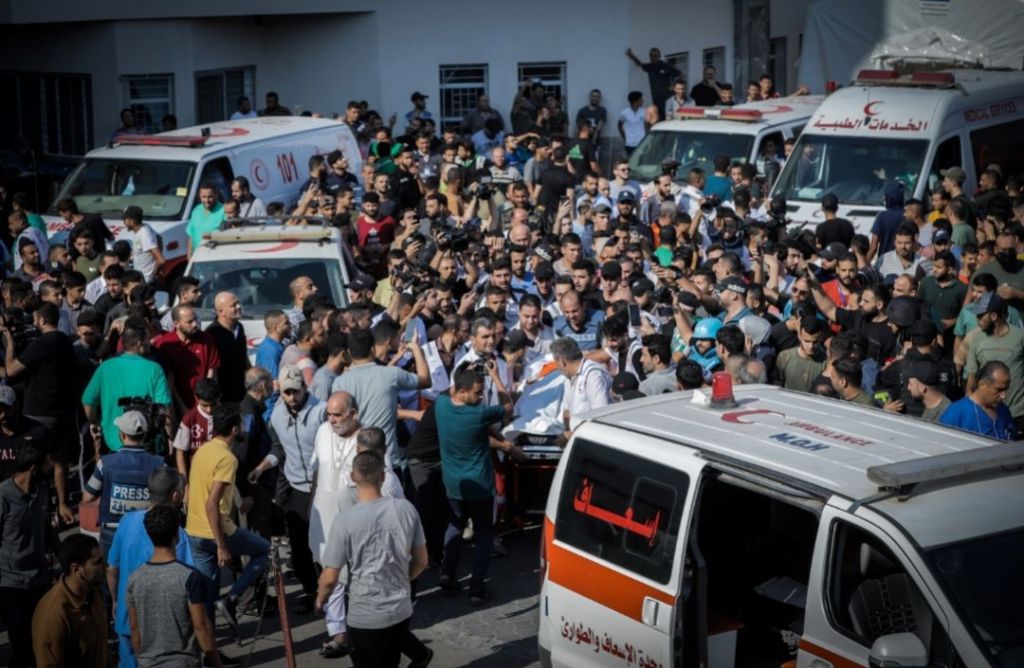
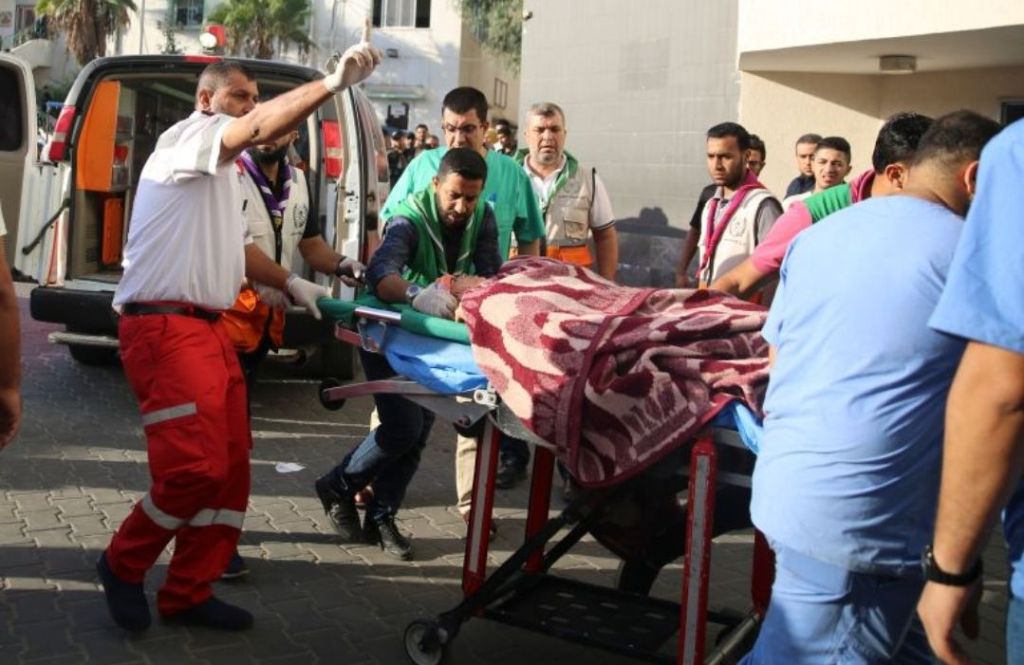
  • Gaza: Over 38,000 reported fatalities (WHO, June 2025), including 14,500+ children. Critical shortages of ambulances, blood supplies, and morgue capacity persist.
  • Lebanon: Cross-border strikes have killed 300+ civilians and displaced 100,000+ (UNOCHA), straining host communities.
  • Red Sea Region: Missile attacks on shipping routes have resulted in crew injuries, maritime evacuations, and seafarer trauma.

Health Implication: Mass casualties overwhelm local clinics, forcing “triage-by-survival-likelihood” in Gaza. Preventable deaths from infections, chronic conditions, and childbirth complications skyrocket.
2. Public Health Systems in Collapse

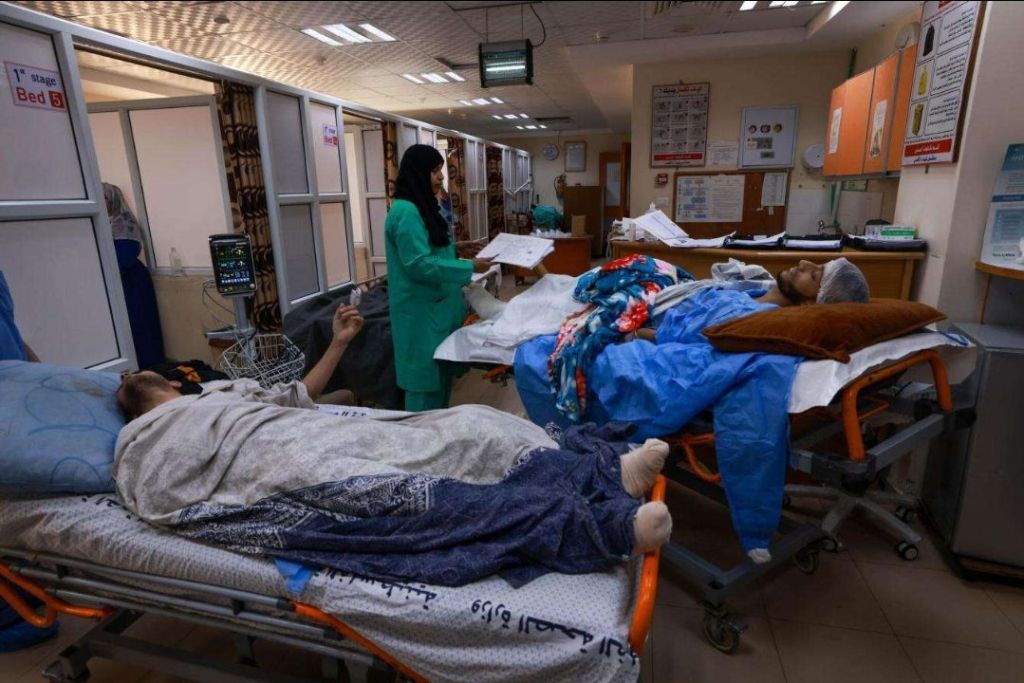
  • Gaza: 90% of hospitals are non-functional (WHO). Disease outbreaks (cholera, hepatitis A) thrive amid rubble, sewage contamination, and 3L/day water access (vs. WHO’s 15L minimum).
  • Lebanon/Jordan: Refugee camps face cholera and measles resurgences. Mental health crises—PTSD, anxiety—go untreated.
  • Yemen/Iraq: Spillover disruptions delay medicine imports, worsening existing humanitarian emergencies.

Travel Risk: Humanitarian workers report supply shortages of antibiotics, anesthetics, and vaccines. Medical tourism to the region has halted entirely.
3. Travel in Turmoil: Borders, Flights & Insurance

  • Flight Disruptions: Ben Gurion Airport (Tel Aviv) operates intermittently. Royal Jordanian, Emirates, and Turkish Airlines reroute flights avoiding Iranian/Iraqi airspace, adding 3–6 hours to EU-Asia trips.
  • Border Closures: Egypt’s Rafah crossing opens sporadically. Jordan suspended visa-on-arrival for conflict-zone evacuees.
  • Insurance & Costs: Most insurers void coverage for Israel, Lebanon, Yemen, Iraq, and parts of Jordan. Emergency medical evacuation (e.g., from Cyprus) now exceeds $200,000.
  • Shipping Delays: Red Sea diversions add 2–3 weeks to Asia-Europe cargo, disrupting medical supply chains globally.
4. Psychological Trauma: The Invisible Crisis

  • Local populations exhibit widespread symptoms of “toxic stress” (UNICEF).
  • Aid workers and journalists face burnout and moral injury.
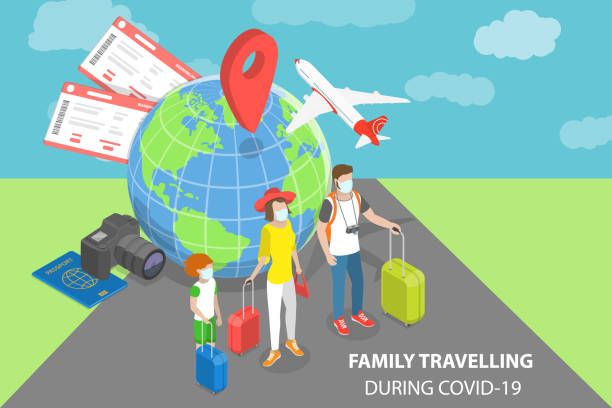
  • Travelers report anxiety over regional instability, canceling trips to Türkiye, Egypt, or Jordan due to proximity fears.

DoctorTravelLog Advisory

1. Pre-Travel Planning:

  • Avoid non-essential travel to Israel, Lebanon, Yemen, Iraq, and Gaza-border regions.
  • Verify insurance covers conflict zones (specialized providers required).

2. Health Precautions:

  • Pack trauma kits, water purifiers, and 4-week medicine supplies if working near crisis zones.
  • Update cholera/hepatitis A vaccinations.

3. Ethical Travel:

  • Support certified NGOs (e.g., MSF, IRC) if providing medical aid.
  • Respect local trauma: Avoid photography in displacement camps.

Conclusion

The human cost of conflict extends beyond headlines—into overwhelmed hospitals, displacement camps, and the psyche of survivors. For travelers, vigilance and compassion are paramount. As borders harden and health systems fracture, the healing of nations begins with unwavering global attention to their suffering.

Stay informed with DoctorTravelLog’s real-time conflict-zone advisories.


Sources (for verification):

  • WHO Situation Reports (Gaza, Lebanon)
  • UNOCHA Humanitarian Bulletins
  • International Committee of the Red Cross (ICRC)
  • Flight disruption data: OAG, Flightradar24
  • Insurance guidelines: Global Underwriters

Dr. Mohammad Rizwan Feroz / DoctorTravelLog

7 Travel Vaccines You Didn’t Know You Needed in 2025

Protect your journey with these 7 essential but often-overlooked travel vaccines in 2025.

Planning international travel in 2025? Beyond routine vaccines, discover 7 lesser-known immunizations critical for your health. From Japanese Encephalitis in Bali to Tick-borne Encephalitis in European forests—learn why these overlooked shots could save your trip. Consult a travel medicine specialist today!

As travel surges post-pandemic, adventurers often overlook region-specific health risks. While typhoid and hepatitis vaccines are well-known, evolving disease patterns and 2025 health advisories reveal surprising new essentials.

Here are seven under-the-radar vaccines to discuss with your travel clinic:

1. Japanese Encephalitis (JE)

  • Why: Mosquito-borne in rural Asia (e.g., Bali, Thai rice paddies). Cases spiked 20% in 2024.
  • For Whom: Travelers spending >1 month in rural SE Asia or short-term with high exposure (e.g., camping, farming).
  • 2025 Alert: Outbreaks reported near tourist hubs in Vietnam and Philippines.

2. Tick-borne Encephalitis (TBE)

  • Why: Forested Europe (Germany, Austria) and Asia. 10K cases/year—up 35% since 2022.
  • For Whom: Hikers, campers, or summer travelers to endemic zones.
  • 2025 Alert: Vaccination now advised for Switzerland’s Alpine regions.

3. Cholera (Oral Vaccine Vaxchora®)

  • Why: Food/water-borne in humanitarian crises (e.g., Yemen, Sudan).
  • For Whom: Aid workers or travelers to outbreak zones lacking sanitation.
  • 2025 Perk: Single-dose oral vaccine protects for 3 months.

4. Meningococcal ACWY

  • Why: Required for Saudi Arabia’s Hajj/Umrah. Rising in sub-Saharan “meningitis belt.”
  • For Whom: Pilgrims, festival attendees (e.g., Ghana’s gathering season).
  • 2025 Rule: Saudi Arabia mandates proof for visa approval.

5. Rabies (Pre-Exposure)

  • Why: Fatal if untreated. Rampant in Bali, Thailand, Peru.
  • For Whom: Remote travelers, animal handlers, or families with kids (higher bite risk).
  • 2025 Tip: Saves you from scarce post-bite serums in rural clinics.

6. Polio Booster

  • Why: Endemic in Afghanistan/Pakistan; outbreaks in Malawi/Mozambique.
  • For Whom: Travelers from polio-exporting countries may need proof.
  • 2025 Advisory: WHO lists 12 “at-risk” nations needing boosters.

7. COVID-19 XBB.1.5 Variant Booster

  • Why: New variants dominate globally. Japan/Canada require updated boosters for entry.
  • For Whom: All travelers—check country-specific rules pre-departure.

Honorable Mentions:

  • Yellow Fever: Now required for parts of Brazil (Amazonas) due to 2024 outbreaks.
  • Influenza: Southern hemisphere’s flu season (June–Sept) hits travelers in Australia/Argentina.

Practical Advice for 2025 Travelers:

  1. Timing: Schedule vaccines 4–6 weeks pre-trip (some need multiple doses).
  2. Documentation: Use DoctorTravelLog’s [Country-Specific Tool] to check entry requirements.
  3. Where to Go: Visit CDC’s Travel Health site or a certified travel clinic.

Final Thought:

Vaccines aren’t just paperwork—they’re armor against invisible threats. As climate change and urbanization reshape disease landscapes, 2025’s smart traveler prioritizes prevention. Consult a travel medicine specialist, pack your records, and explore confidently! 🌍💉

Dr. Mohammad Rizwan Feroz / DoctorTravelLog


New COVID-19 Variant Emerges in 2025: Essential Traveler Guidance

As we navigate 2025, a new COVID-19 variant (currently designated JN.1.XX by global health authorities) has emerged, prompting understandable questions for travelers. While vigilance is key, panic isn’t necessary. Here’s what you need to know to travel smartly and safely:

1. What We Know About the JN.1.XX Variant

  • Origin & Spread: Descended from the Omicron lineage (like the previous JN.1 variant), JN.1.XX demonstrates increased transmissibility. It’s rapidly becoming dominant in multiple regions.
    (World Health Organization (WHO) – Tracking Variants)
  • Symptoms: Reports suggest symptoms remain similar to recent Omicron variants: primarily upper respiratory (runny nose, sore throat, cough, fatigue, headache). Loss of taste/smell is less common. Severity appears generally mild-to-moderate for most vaccinated individuals, but can vary.
  • Vaccine/Efficacy: Current evidence indicates updated 2024-2025 COVID-19 vaccines continue to provide significant protection against severe disease, hospitalization, and death from JN.1.XX. Protection against infection may wane over time.
    (CDC – Stay Up to Date with COVID-19 Vaccines)

2. Current Travel Restrictions & Requirements (June 2025)

The landscape is fluid! Rules vary significantly by country and can change rapidly:

  • Testing: Some destinations may reinstate pre-departure or arrival testing requirements, particularly for unvaccinated travelers. Always check before you book and immediately before travel.
    (Kayak Travel Restrictions Map)
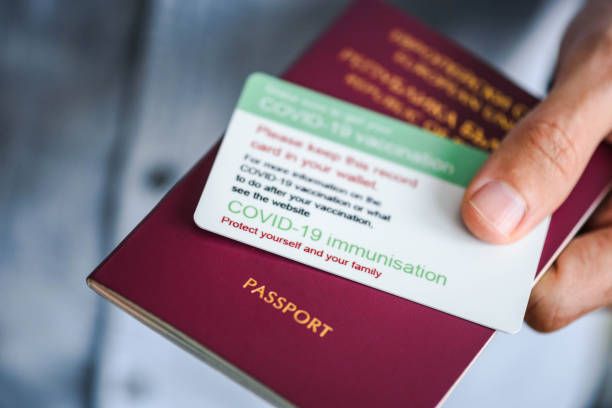
  • Vaccination Proof: While many countries lifted mandates, some may require proof of vaccination (especially the latest booster) or recovery for entry. Carry digital/physical copies.
  • Quarantine: Targeted quarantine rules may apply for symptomatic arrivals or those testing positive. Know your destination’s policy.
  • Mask Mandates: Airline and airport policies vary. Some countries or specific settings (hospitals, public transport) might still require masks. Pack high-quality masks (N95/KN95/KF94).

3. Essential Precautions for Travelers

  • Get Boosted: The single most important step. Ensure you’ve received the latest 2024-2025 COVID-19 booster designed to target recent variants. Allow 2 weeks for full effect before travel.
    (Find Vaccines – Vaccines.gov)
  • Pack a Travel Health Kit: Include high-quality masks, rapid antigen tests, hand sanitizer (>60% alcohol), and basic fever/pain relievers.
  • Consider Travel Insurance: Choose a policy covering COVID-19-related medical expenses and trip interruptions/cancellations. Read the fine print carefully.
  • Test Strategically: Test yourself before meeting vulnerable individuals or joining group tours. Test if you develop symptoms during travel.
  • Prioritize Air Quality & Hygiene: Choose well-ventilated spaces when possible. Maintain good hand hygiene, especially before eating/touching your face.
  • Have a Contingency Plan: Know what to do and where to go if you test positive abroad (isolate, seek medical care, contact accommodation/airline, understand local isolation rules).

4. Staying Informed is Crucial

Travel Smart, Travel Safe

The emergence of JN.1.XX is a reminder that COVID-19 remains part of our global health landscape. By staying updated on vaccinations, diligently checking travel requirements, packing smartly, and staying informed through official channels, travelers can significantly mitigate risks. Responsible travel—protecting yourself and others—remains paramount. Enjoy your adventures, but do so with awareness and preparation.

Disclaimer: This information is current as of June 2025. COVID-19 regulations and variant situations evolve rapidly. Always consult official government and health organization sources immediately before and during travel for the absolute latest requirements and guidance.

Dr. Mohammad Rizwan Feroz

Top 10 Essential Tools for Travel Medicine Practitioners

Travel medicine demands agility, up-to-date resources, and specialized tools. Whether you’re advising patients pre-trip or managing illnesses abroad, these digital and physical tools streamline care. Here’s our curated toolkit:

1. CDC Travelers’ Health – Destination Guides

  • Function: Country-specific vaccine/medication recommendations, outbreak alerts.
  • Integration: Link directly to CDC pages for each destination. CDC Thailand Guide

2. WHO Vaccine Requirements Map

  • Function: Legally mandated vaccines (e.g., YF) by country.
  • Integration: Embed WHO’s interactive map using their iframe code

3. GeoSentinel Surveillance Network

  • Function: Real-time global disease outbreak alerts.
  • Integration: Link to GeoSentinel (registration required for full access)

4. Travel Health Pro (UK NaTHNaC)

  • Function: UK-based clinical guidelines, malaria prophylaxis.
  • Integration: Direct link to country advice pages

5. Epocrates or UpToDate Mobile

  • Function: Drug interactions, dosing, disease management.
  • Integration: App download links (ensure affiliate disclosures if applicable)

6. Aura: Travel Health App

  • Function: Patient-facing app for storing vaccine records/clinic locators.
  • Integration: Co-branded partnership or referral link

7. TropNet Surveillance Data

  • Function: Emerging tropical disease trends in travelers.
  • Integration: Link to TropNet reports

8. Portable Telemedicine Kit

  • Function: Remote consults (stethoscope, otoscope, high-res camera).
  • Integration: Affiliate links to brands like TytoCare or Butterfly iQ+

9. Travax (Shoreland)

  • Function: Automated itinerary-based recommendations (subscription).
  • Integration: Offer a free demo link or clinic sign-up page

10. Google Translate + Offline Packs

  • Function: Real-time translation for patient interactions.
  • Integration: Link to Google Translate with tips for offline use

Doctor’s Toolkit Resource Section


Tool/App Function Link/Integration
CDC Travelers’ Health Destination-specific advisories Direct Link
WHO Vaccine Map Legally required vaccines by country Embed Map
GeoSentinel Global outbreak alerts Member Access
Aura Travel Health Digital vaccine records for patients Clinic Partnership

Key Legal & Strategic Tips

  • Linking Legally: Use target=”_blank” rel=”noopener noreferrer” for external links. Safe to link/embed CDC/WHO. Disclose any partnerships for commercial tools.
  • Content Integration: ✅ Summarize + deep link. ❌ Avoid embedding licensed content.
  • SEO Strategy: Use keywords like “travel vaccine tool,” “malaria prophylaxis app” etc.
  • User Experience: Add filters and offer printable PDF checklist for clinics.

Why This Works

  • Trust-Building: Uses authoritative sources
  • Utility: Solves real problems like offline access/language
  • Low-Risk: Maintains copyright compliance

Dr. Mohammad Rizwan Feroz 🩺✈️


Heatwaves and Health: How Global Warming Is Changing Emergency Medicine

Introduction

As global temperatures continue to rise due to climate change, heatwaves are becoming more frequent, intense, and prolonged—especially in regions like the Gulf, where countries such as Oman already face extreme heat. These soaring temperatures are reshaping emergency medicine, with hospitals reporting increased cases of heatstroke, dehydration, and cardiovascular stress. Travelers and outdoor workers are particularly vulnerable, making it crucial to understand the risks and preventive measures.

The Growing Threat of Heat-Related Illnesses

1. Heatstroke: A Life-Threatening Emergency

Heatstroke occurs when the body’s core temperature rises above 40°C (104°F), overwhelming its ability to cool down. Symptoms include confusion, seizures, and loss of consciousness. Without prompt treatment, it can lead to organ failure or death.

  • Why Gulf Countries Are High-Risk: Oman and neighboring Gulf nations often experience temperatures exceeding 45°C (113°F), especially in summer. Travelers unaccustomed to such heat may underestimate their risk.
  • Case Study: In 2023, Muscat reported a 30% increase in heatstroke-related ER visits during peak summer months, with many cases involving expatriates and tourists.

2. Dehydration and Heat Exhaustion

Prolonged exposure to extreme heat leads to excessive sweating, causing dehydration and electrolyte imbalances. Symptoms include dizziness, fatigue, and muscle cramps.

  • Outdoor Workers at Risk: Construction workers, delivery personnel, and agricultural laborers in Oman often work in direct sunlight, increasing their susceptibility.
  • Travelers Beware: Tourists exploring deserts or historical sites (like Nizwa Fort or Wahiba Sands) without proper hydration can quickly succumb to heat exhaustion.

3. Cardiovascular Stress

Extreme heat forces the heart to work harder to regulate body temperature, raising the risk of heart attacks and strokes—especially in those with pre-existing conditions.

  • Studies Show: A 2022 study in the Journal of Environmental Research found a 15% rise in cardiovascular emergencies in Gulf countries during heatwaves.
  • Vulnerable Groups: Elderly travelers, those with hypertension, and manual laborers are at higher risk.

How Emergency Medicine Is Adapting

Hospitals in Oman and other Gulf nations are enhancing their protocols to handle heat-related cases:

  • Specialized Heatstroke Units: Some hospitals now have rapid-cooling centers with ice baths and advanced monitoring.
  • Public Awareness Campaigns: Governments are issuing heat advisories and mandating midday work bans for outdoor laborers.
  • Hydration Stations: Tourist hotspots are increasing access to free water stations and shaded rest areas.

Protecting Yourself: Tips for Travelers and Workers

  • Stay Hydrated – Drink water regularly, even if you’re not thirsty. Avoid alcohol and caffeine, which worsen dehydration.
  • Wear Appropriate Clothing – Light, loose-fitting, and light-colored clothing helps reflect heat.
  • Limit Sun Exposure – Avoid outdoor activities between 11 AM and 3 PM, when the sun is strongest.
  • Recognize Early Symptoms – Dizziness, nausea, and headaches are warning signs—seek shade and rehydrate immediately.
  • Acclimatize Gradually – Travelers should allow a few days to adjust to the heat before engaging in strenuous activities.

Conclusion

Global warming is not just an environmental crisis—it’s a public health emergency. As heatwaves intensify, Gulf countries like Oman are witnessing a surge in heat-related illnesses, demanding urgent adaptations in emergency medicine. Whether you’re a traveler exploring Oman’s stunning landscapes or an outdoor worker braving the scorching sun, understanding these risks and taking preventive measures can be lifesaving.

Stay informed, stay hydrated, and stay safe in the heat.

Dr. Mohammad Rizwan Feroz

The Unfiltered Truth: A Doctor’s Guide to Smoking Hazards and the Path to Freedom

As a physician who has witnessed the devastating toll of tobacco firsthand, both in bustling city hospitals and remote clinics during my travels, I feel compelled to share the stark medical realities of smoking. It’s not just a bad habit; it’s a complex addiction driving a cascade of biological destruction. Understanding these hazards from a medical perspective is the first crucial step towards reclaiming your health and embracing a smoke-free life – essential for anyone wanting to fully experience the vitality travel demands.

Stop smoking health awareness message

Beyond the Lungs: The Systemic Onslaught of Smoke

Cigarette smoke is a toxic cocktail of over 7,000 chemicals, including at least 70 known carcinogens. Its damage is far-reaching:

1. Cardiovascular Catastrophe:

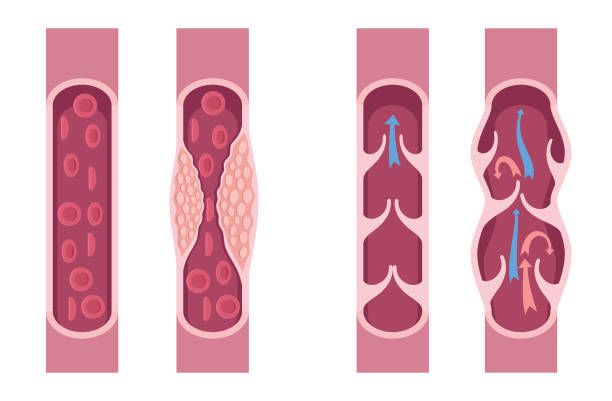
  • Atherosclerosis: Nicotine and other toxins damage the delicate endothelial lining of arteries. This allows LDL (“bad”) cholesterol to infiltrate the arterial wall, triggering inflammation and plaque buildup. This narrows arteries, restricting blood flow.
  • Hypertension: Nicotine is a potent vasoconstrictor, causing arteries to tighten, forcing the heart to work harder and raising blood pressure.
  • Increased Clotting: Smoking makes platelets stickier and increases fibrinogen levels, significantly raising the risk of dangerous blood clots.
  • Coronary Heart Disease (CHD): The leading cause of death among smokers. Plaque buildup in coronary arteries starves the heart muscle of oxygen, causing angina (chest pain) and heart attacks.
  • Stroke: Plaque in carotid arteries or clots traveling to the brain cause ischemic strokes. Smoking also increases the risk of hemorrhagic stroke (bleeding in the brain) by weakening blood vessels.
  • Peripheral Artery Disease (PAD): Reduced blood flow to limbs, causing pain (claudication), poor wound healing, infections, and potentially gangrene and amputation.

2. Respiratory Ruin:

Healthy lung vs smoker's lung damage
  • Chronic Obstructive Pulmonary Disease (COPD): An umbrella term encompassing emphysema and chronic bronchitis. Smoke destroys lung elasticity (emphysema) and inflames airways, causing excessive mucus and chronic cough (bronchitis). This leads to progressive, irreversible shortness of breath – a thief of vitality.
  • Lung Cancer: The most infamous hazard. Carcinogens like benzopyrene cause DNA mutations in lung cells, leading to uncontrolled growth. Smoking is responsible for about 85% of lung cancer cases.
  • Increased Infections: Smoke paralyzes and damages the cilia (tiny hairs) that clear mucus and pathogens from the airways. This makes smokers far more susceptible to pneumonia, influenza, and tuberculosis.
  • Asthma Exacerbation: Smoke is a potent trigger for asthma attacks and worsens overall control.

3. Cancer Beyond the Lungs: Smoking is a major risk factor for cancers of the:

  • Mouth, Throat (Pharynx & Larynx)
  • Esophagus
  • Stomach
  • Pancreas
  • Liver
  • Kidney & Bladder
  • Cervix
  • Colon & Rectum
  • Acute Myeloid Leukemia (AML)

4. Reproductive and Developmental Damage:

  • Men: Reduced sperm count, increased sperm abnormalities, erectile dysfunction (due to vascular damage).
  • Women: Reduced fertility, earlier menopause, increased risk of cervical cancer. During pregnancy: increased risk of miscarriage, stillbirth, preterm birth, low birth weight, placental problems (placenta previa, abruption), and sudden infant death syndrome (SIDS).

5. Accelerated Aging & Other Impacts:

  • Skin: Premature wrinkles, sagging, yellowing due to impaired blood flow and collagen/elastin breakdown.
  • Eyes: Increased risk of cataracts and age-related macular degeneration (AMD), leading causes of blindness.
  • Bones: Increased risk of osteoporosis and fractures due to reduced bone density.
  • Immune System: Chronic inflammation and impaired immune function.
  • Diabetes: Increases insulin resistance and the risk of developing Type 2 diabetes; makes existing diabetes harder to control.
  • Oral Health: Gum disease (periodontitis), tooth loss, stained teeth, oral cancers.
Used cigarette symbolizing quitting

The Addicted Brain: Why Quitting is Tough (But Not Impossible)

Nicotine is highly addictive, acting on the brain’s reward pathways. It stimulates the release of dopamine, creating feelings of pleasure and reinforcement. Over time, the brain adapts, needing more nicotine to achieve the same effect (tolerance) and causing unpleasant withdrawal symptoms (irritability, anxiety, difficulty concentrating, cravings, restlessness) when nicotine levels drop. This powerful neurobiological cycle makes quitting challenging, but absolutely achievable with the right strategies.

Prescribing Freedom: Evidence-Based Strategies to Quit Smoking

Quitting is the single most important step a smoker can take for their health. Benefits begin within hours and continue for years. Here’s the medical roadmap:

  1. Commit to a Quit Date: Choose a date within the next 2 weeks. Mark it clearly.
  2. Tell Your Support System: Inform family, friends, and colleagues. Their support is invaluable. Consider joining a support group.
  3. Identify & Avoid Triggers: Recognize situations (morning coffee, stress, socializing) that trigger cravings and plan alternatives.
  4. Consider Evidence-Based Cessation Aids (Discuss with your Doctor FIRST):
    • Nicotine Replacement Therapy (NRT): Provides controlled nicotine without the other toxins, easing withdrawal. Options include patches (steady dose), gum, lozenges, inhalers, nasal spray (for acute cravings). Can often be combined (e.g., patch + gum).
    • Prescription Medications:
      • Varenicline (Chantix): Blocks nicotine’s effects on the brain, reduces pleasure from smoking, and eases withdrawal.
      • Bupropion (Zyban): An antidepressant that reduces nicotine cravings and withdrawal symptoms.
  5. Behavioral Therapy/Counseling: Highly effective, especially combined with medication. Teaches coping skills, stress management, and problem-solving strategies to overcome addiction. Available individually, in groups, or via phone quitlines (e.g., 1-800-QUIT-NOW in the US).
  6. Manage Withdrawal & Cravings:
    • Delay: Urges typically peak within 5–10 minutes. Distract yourself.
    • Deep Breathing: Calms the nervous system.
    • Drink Water: Helps flush toxins and keeps hands/mouth busy.
    • Physical Activity: Reduces cravings and stress.
    • Avoid “Just One”: It almost always leads back to regular smoking.
  7. Prepare for Relapse: Slips happen. Don’t see it as failure. Analyze what triggered it, learn from it, and recommit immediately. Most successful quitters have made several attempts.

The Doctor’s Verdict: Your Healthiest Journey Begins Here

The medical evidence is unequivocal: smoking is a primary driver of preventable death and disability worldwide. It ravages nearly every organ system, stealing years of life and quality of life. However, the human body possesses an incredible capacity to heal once the assault of tobacco ceases.

Quitting smoking is a profound act of self-care. It requires commitment, often support, and sometimes medical assistance, but the rewards – easier breathing, a stronger heart, more energy, a brighter future, and the freedom to travel without being tethered to an addiction – are immeasurable. You don’t have to walk this path alone. Consult your doctor today. Together, you can develop a personalized quit plan tailored to your needs and embark on your most important journey yet: the journey to a smoke-free, healthier life.

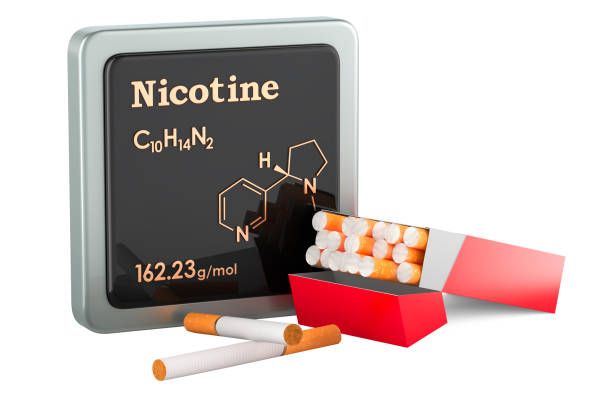
Nicotine molecule chemistry diagram

Disclaimer:

This article provides general medical information and does not replace personalized advice from a qualified healthcare professional. Always consult your physician before starting any cessation program or medication.

Dr. Mohammad Rizwan Feroz