Choosing Your European Pathway to Success (Guide for Applicants)
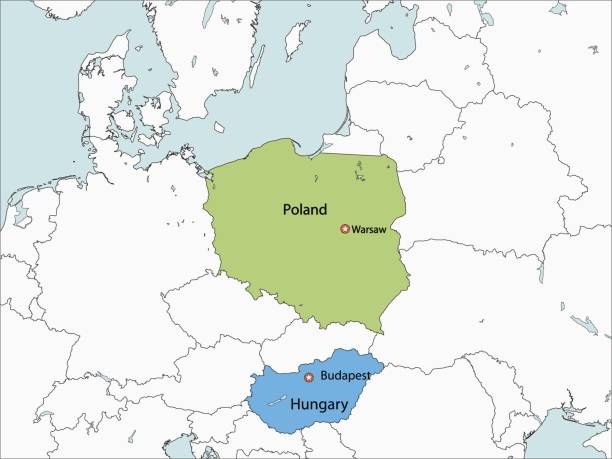
Dreaming of a prestigious medical career and considering the excellent education offered in Europe? Poland and Hungary consistently rank as top destinations for international medical students. Both offer high-quality programs, English-language instruction, and pathways to global practice. But which country is the right fork in the road for your journey? This comprehensive guide breaks down the key factors to help you decide.

Why Consider Poland or Hungary?
- Internationally Recognized Degrees: Degrees from accredited universities in both countries are recognized globally (WHO, ECFMG, EU Directives), opening doors for licensure worldwide and further training (USMLE, PLAB).
- English-Taught Programs: Extensive MD (equivalent to MBBS) and Dentistry programs taught entirely in English, eliminating a major language barrier for entry.
- High Academic Standards: Universities boast modern facilities, experienced faculty, and curricula designed to meet international benchmarks.
- EU Membership: Studying in an EU country offers benefits like easier travel within the Schengen zone and potential post-graduation work opportunities in Europe.
- Cultural Richness & Affordability: Both offer vibrant cultures, rich histories, beautiful cities, and a significantly lower cost of living compared to Western Europe or North America.

Head-to-Head Comparison: Poland vs. Hungary
1. Recognition & Accreditation:
- Poland: Programs are accredited by the Polish Accreditation Committee (PKA). Graduates are eligible for automatic recognition in the EU/EEA. Universities are listed in the World Directory of Medical Schools (WDOMS). Strong recognition globally, especially within the EU.
- Hungary: Programs accredited by the Hungarian Accreditation Committee (MAB). Also eligible for automatic EU/EEA recognition. Universities listed in WDOMS. Historically strong recognition, particularly for USMLE pathways (many universities offer dedicated support).
2. Language of Instruction & Local Language:
- Poland: Extensive English programs. Learning basic Polish is highly recommended (and often required) for effective patient interaction during clinical years. Polish is considered challenging.
- Hungary: Extensive English programs. Learning Hungarian is mandatory for clinical practice (usually integrated into the curriculum). Hungarian is famously complex but essential for patient contact.
3. Program Structure & Focus:
- Poland: Typically 6-year MD programs. Emphasis often leans towards integrating theoretical knowledge with practical skills. Clinical exposure usually starts later (years 4-6) but is robust, often within large university hospitals serving diverse populations. Strong focus on EU medical standards.
- Hungary: Typically 6-year MD programs (General Medicine) or 5-year Dentistry. Known for an early introduction to clinical skills (sometimes as early as year 2 or 3). Strong reputation for preparing students for the USMLE, with many universities offering integrated prep or resources. Curriculum often very exam-focused.

4. Tuition Fees & Cost of Living:
- Poland: Annual tuition fees generally range from €10,000 – €15,000 (higher end often in Warsaw/Krakow). Cost of living is moderate, especially in cities like Poznan, Lublin, or Lodz compared to Warsaw. Budget €600 – €1,000/month.
- Hungary: Annual tuition fees are typically higher, ranging from €12,000 – €18,000+ (Budapest often at the top). Cost of living, particularly in Budapest, can be slightly higher than in many Polish cities outside the capitals. Budget €700 – €1,200/month, more in Budapest.
5. Entrance Requirements & Competition:
- Poland: Primarily based on high school leaving certificates (Biology, Chemistry, Physics/Maths grades) and sometimes an entrance exam (biology, chemistry, physics) or an interview. Competition is high but spread across numerous universities.
- Hungary: Heavily reliant on entrance exams (typically Biology and Chemistry, sometimes Physics or English). Exams are often held internationally. Competition for places, especially at top universities like Semmelweis (Budapest) or Debrecen, is very intense.
6. Student Life & Environment:

- Poland: Larger country with diverse cities – from the historic charm of Krakow and Wroclaw to the bustling capital Warsaw. Large international student communities. Good public transport. Polish culture is vibrant, with a strong focus on history and tradition.
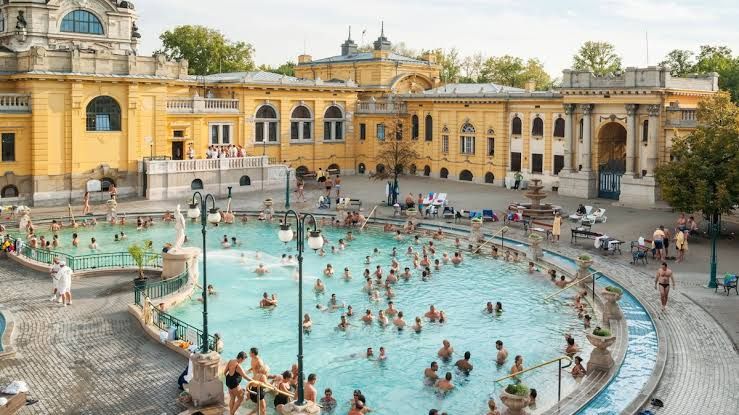
- Hungary: Budapest is a major draw – a stunning, cosmopolitan capital on the Danube. Other cities like Debrecen, Szeged, and Pecs offer strong university towns with a more relaxed pace. Very active international student scenes. Hungarian culture is unique, with famous thermal baths and cuisine.
7. Post-Graduation Opportunities:
- Both: EU diploma allows for Foundation Training/Residency applications anywhere in the EU/EEA (subject to country-specific language requirements). Strong alumni networks worldwide.
- Poland: Growing opportunities within Poland itself, especially with Polish language proficiency. Good connections to Germany and Scandinavia.
- Hungary: Historically strong pipeline to the USA (due to USMLE focus) and the UK. Opportunities within Hungary require fluent Hungarian.

Which Should You Choose? Key Considerations
- Choose Poland if:
- You prefer tuition fees at the lower end of the spectrum.
- You are comfortable with clinical years primarily in Polish (but start learning early!).
- You’re drawn to diverse city options beyond just the capital.
- You see potential for future work/career in Central/Eastern Europe or the EU broadly.
- Choose Hungary if:
- Your primary goal is practicing in the USA and you want integrated USMLE support.
- You value early clinical skills exposure.
- You are prepared for highly competitive entrance exams.
- You dream of studying in the vibrant city of Budapest or a strong university town.
- You are committed to learning Hungarian for clinical practice.
Beyond the Comparison: Essential Steps
- Research Specific Universities: Don’t just choose the country; dive deep into individual medical schools. Look at their curriculum specifics, faculty, hospital affiliations, student support services, and alumni success stories. Visit their websites and attend virtual open days.
- Verify Accreditation: Double-check the specific program’s accreditation status via WDOMS and the respective national accreditation bodies (PKA for Poland, MAB for Hungary).
- Understand the Language Commitment: Be brutally honest about your willingness and ability to learn Polish or Hungarian to a clinical level. This is non-negotiable for patient interaction.
- Budget Realistically: Factor in tuition, accommodation, food, health insurance, travel, and personal expenses. Explore scholarship opportunities early.
- Connect with Current Students/Alumni: Reach out via university forums or social media groups. Their firsthand experiences are invaluable.

The Verdict: Two Excellent Paths
There is no single “best” choice between Poland and Hungary for medical studies. Both offer world-class education, internationally recognized degrees, and life-changing experiences in the heart of Europe. The optimal decision hinges on your personal priorities:
- Cost-conscious with EU focus? Poland might edge ahead.
- Aiming for the USA & want exam prep? Hungary’s structure is compelling.
- Drawn to a specific city vibe? Let that influence you.
- Ready for a major language challenge? Both require dedication, but Hungarian is notoriously tough.
Ready to Take the Next Step?
Choosing where to study medicine is a monumental decision. By carefully weighing the factors outlined above – recognition, language, curriculum, cost, entrance requirements, lifestyle, and career goals – you can confidently select the European destination, Poland or Hungary, that best aligns with your aspirations to become a successful physician.
DoctorTravelLog Tip: Start your application process early! Requirements and deadlines can vary significantly between universities in both countries. Good luck on your medical journey!
Dr. Mohammad Rizwan Feroz
👍 Found this helpful? Show some love & follow us on Instagram @doctortravellog for expert tips & fresh updates!
💬 Got thoughts or questions? React below or drop a quick comment — no login needed!
❤️ 😮 🤔 👍 👎
 Doctor Travel Log