Travel medicine demands agility, up-to-date resources, and specialized tools. Whether you’re advising patients pre-trip or managing illnesses abroad, these digital and physical tools streamline care. Here’s our curated toolkit:
Linking Legally: Use target=”_blank” rel=”noopener noreferrer” for external links. Safe to link/embed CDC/WHO. Disclose any partnerships for commercial tools.
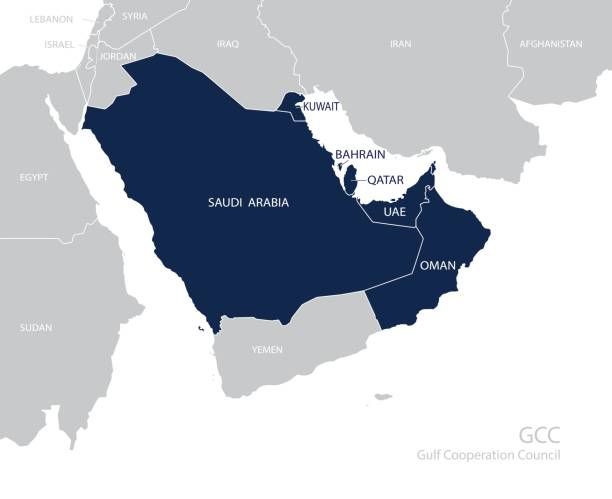
Planning a trip to the Gulf Cooperation Council (GCC) countries – Saudi Arabia, the United Arab Emirates (UAE), Qatar, Kuwait, Oman, or Bahrain – whether for a visit, employment, or business? Beyond visas and flights, your health preparation is paramount. Requirements can vary significantly by country, visa type, and your origin. This guide covers the key health aspects you need to address before you go. Always verify the latest, specific requirements directly with the embassy/consulate of your destination country and your sponsor/employer.
1. Health-Related Precautions: Beyond the Paperwork
While tests and vaccines are mandatory, proactively managing your health ensures a smoother trip:
Pre-Travel Consultation: Visit your doctor or a travel medicine clinic ideally 6–8 weeks before departure. Discuss your itinerary, medical history, current medications, and specific risks.
Environmental Adaptation:
Heat & Sun: GCC summers are extremely hot (often exceeding 40°C/104°F). Drink plenty of water (bottled is safest), use high-SPF sunscreen, wear loose, light-colored clothing, a wide-brimmed hat, and sunglasses. Limit outdoor activity during peak heat (10 am – 4 pm).
Dust & Sandstorms: Common, especially inland. Those with asthma or respiratory issues should carry ample medication. Consider masks (like N95s) for severe storms.
Food & Water Safety: Stick to bottled or purified water. Avoid ice in drinks unless sure of its source. Eat thoroughly cooked food and peel fruits yourself. Be cautious with street food and salads washed in tap water. “Boil it, cook it, peel it, or forget it” is a good rule.
Medications: Carry all essential medications in their original packaging with prescriptions (translated if necessary). Ensure you have enough for your entire stay plus extra. Some medications legal elsewhere (e.g., certain painkillers, ADHD meds) are strictly controlled or banned in GCC countries – check embassy rules.
Cultural Sensitivities: During Ramadan, eating, drinking, or smoking in public during daylight hours is prohibited in most GCC countries. Dress modestly to respect local customs and aid sun protection.
2. Mandatory Laboratory Tests (Especially Crucial for Employment Visas)
GCC countries, particularly for work/residence visas, require rigorous medical screening to protect public health. Tests are typically conducted at government-approved clinics in your home country or upon arrival. Requirements change, but commonly include:
HIV/AIDS: Universal requirement for all long-term visas (work/residence). A positive test usually results in visa denial/deportation.
Hepatitis B & C: Mandatory for work/residence visas in most GCC states. Chronic infection can lead to visa rejection depending on the country and job role (especially healthcare, food handling).
Tuberculosis (TB): Screening is critical.
Chest X-ray: Standard for detecting active pulmonary TB for work/residence visas.
Sputum Tests: May be required if the X-ray is abnormal.
Blood Tests (e.g., IGRA): Sometimes used instead of or alongside X-rays.
Syphilis: Routinely tested for work/residence visas.
Malaria: Blood tests may be required if traveling from endemic regions.
Pregnancy Test: Often mandatory for female applicants of certain nationalities applying for work/residence visas. Being pregnant can affect visa issuance.
General Health Check: May include blood sugar, kidney/liver function tests.
Key Notes:
Tests must be recent (usually valid 3 months).
Must be done at accredited laboratories/clinics (often specified by the sponsor/embassy).
Results are submitted for a “Medical Fitness” certificate – essential for visa processing. Failing any critical test (HIV, active TB, Hep B/C in restricted roles) usually means visa denial.
3. Vaccination Requirements: Building Immunity
Vaccination rules depend on your origin, destination, visa type, and planned activities:
Routine Vaccines (MUST be up-to-date): Ensure MMR (Measles, Mumps, Rubella), DTP (Diphtheria, Tetanus, Pertussis), Polio, and Varicella (Chickenpox) are current. These are baseline requirements.
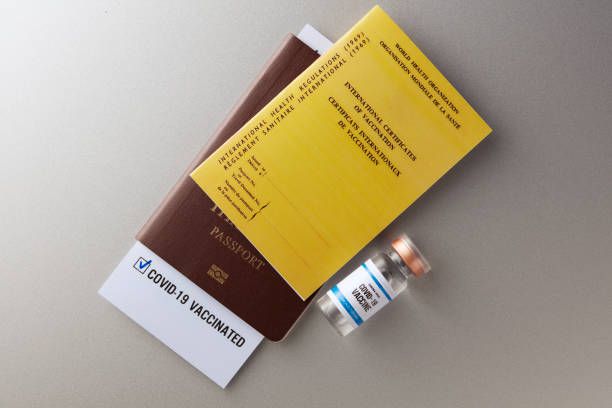
COVID-19: While most restrictions have eased, check the latest entry rules for your destination. Proof of vaccination (specific vaccines/boosters accepted) or a negative test may still be required by some countries/airlines. Always verify before travel.
Hepatitis A & Typhoid:Highly Recommended. Transmitted through contaminated food/water, common risks for travelers. Essential for protection.
Hepatitis B:Highly Recommended for everyone, often Mandatory for workers. Required for many employment visas. Protects against blood/body fluid transmission.
Meningococcal Meningitis (ACWY):Required for Hajj/Umrah pilgrims entering Saudi Arabia (often via the quadrivalent vaccine). Sometimes required for residence visas or if arriving from endemic areas. Check specific country requirements.
Influenza: Recommended, especially during flu season (Oct–May).
Rabies: Consider if you’ll have significant outdoor exposure (e.g., camping, veterinary work) or contact with animals.
Yellow Fever:Mandatory requirement ONLY if you are arriving from a Yellow Fever endemic country (or have transited there for >12 hours). Proof of vaccination (valid 10 days before entry) is essential. Not generally required for travelers coming directly from non-endemic regions.
4. Health Insurance: Non-Negotiable Protection
Comprehensive health insurance is almost universally mandatory for obtaining any GCC visa (tourist, business, employment):
Mandatory Requirement: You will be asked to provide proof of valid insurance covering your entire stay for visa processing. Your employer typically arranges this for employment visas. Visitors/business travelers often need to purchase it themselves.
Coverage Minimums: Policies must typically cover:
Emergency medical treatment and hospitalization.
Repatriation/medical evacuation.
Expenses related to COVID-19 (testing, treatment, quarantine).
Cover the entire duration of your visa/stay.
Validity: The insurance must be valid within the specific GCC country you are visiting.
Proof: Carry your insurance card and policy details (digital and physical copies) at all times.
Check Carefully: Understand the coverage limits, deductibles, exclusions, and the process for making claims. Ensure it meets the specific minimum requirements of your destination country.
Conclusion: Your Health, Your Journey’s Foundation
Thorough health preparation is not just about ticking boxes for visa approval; it’s about safeguarding your well-being in a unique environment. The GCC offers incredible experiences and opportunities, but neglecting health prerequisites can lead to visa denials, deportation, or serious health issues. Remember:
Verify: GCC country rules change. Double-check everything with official sources (embassy/consulate) and your sponsor/employer well in advance.
Plan Early: Start medical checks and vaccinations 6–8 weeks pre-travel.
Get Certified: Use only approved labs/clinics for mandatory tests to obtain your Medical Fitness certificate.
Insure: Secure comprehensive, compliant health insurance – don’t travel without it.
Prepare: Pack medications, sun protection, and stay vigilant about food/water and the climate.
By taking these essential health precautions, you pave the way for a successful, safe, and healthy visit or start to your new life in the GCC. Safe travels!
Disclaimer: This article provides general guidance. Health regulations for GCC countries are subject to frequent change. Always consult the official government websites of your destination country and seek advice from a qualified travel health professional for the most current and personalized information.
Between clinic shifts and journeys to remote health posts, one truth becomes undeniably clear: the health of a community isn’t built solely within hospital walls. It thrives in the neighborhoods, schools, workplaces, and homes where people live their daily lives. That’s the powerful message at the heart of Community Healthcare Improvement Week, observed annually from June 1st to June 8th. As both a physician and an observer of health systems worldwide (here at DoctorTravelLog), this week resonates deeply. It’s a dedicated time to recognize, celebrate, and actively participate in strengthening the vital foundation of our collective well-being: community-based healthcare.
‣ What is Community Healthcare Improvement Week?
This week serves as a national call to action. It’s a moment to spotlight the incredible work being done – often quietly and tirelessly – by community health centers (CHCs), public health departments, local non-profits, outreach workers, advocates, and countless volunteers. These are the individuals and organizations on the front lines, working with communities to address their specific health needs, break down barriers to care, and foster environments where health can flourish.
‣ Why Does Community Healthcare Matter More Than Ever?
The events of recent years have starkly illuminated the critical importance of strong, accessible, and equitable community health infrastructure. Community healthcare:
Reaches the Underserved: CHCs and outreach programs are lifelines for vulnerable populations – the uninsured, underinsured, low-income families, migrant workers, the homeless, and residents of rural or isolated areas. They provide care based on need, not ability to pay.
Focuses on Prevention: Community health excels at proactive care – vaccinations, screenings, health education, nutrition programs, and chronic disease management. Preventing illness is always more effective and less costly than treating it.
Addresses Social Determinants: Community health workers understand that health is shaped by factors like housing, food security, transportation, education, and safety. They connect individuals to vital social services, tackling the root causes of poor health.
Builds Trust & Cultural Competence: Local providers embedded within communities understand cultural nuances, language needs, and specific challenges. This builds essential trust, leading to better patient engagement and outcomes.
Promotes Health Equity: By focusing on access and removing barriers, community healthcare is a powerful force in closing the persistent gaps in health outcomes experienced by different racial, ethnic, and socioeconomic groups.
‣ Challenges on the Ground: A View from the Road
Through my travels, I’ve witnessed both inspiring community health initiatives and the significant hurdles they face. Common challenges include:
Funding Instability: Reliance on grants and government funding can make long-term planning difficult.
Workforce Shortages: Recruiting and retaining doctors, nurses, dentists, mental health professionals, and community health workers, especially in rural areas, is an ongoing struggle.
Burdensome Regulations: Navigating complex administrative requirements diverts resources from direct patient care.
Integration Gaps: Ensuring seamless communication and coordination between community providers, hospitals, and social services remains a work in progress.
The Rising Tide of Need: Increasing rates of chronic disease, mental health challenges, and the lingering impacts of health crises place immense pressure on these essential services.
‣ How Can You Participate in Community Healthcare Improvement Week?
This week isn’t just for health professionals; it’s for everyone who cares about the health of their neighbors and their town. Here’s how you can get involved, no matter your background:
Learn & Raise Awareness:
Visit the website of your local Community Health Center or Public Health Department. Understand their services and challenges.
Share information about Community Healthcare Improvement Week and the role of CHCs on social media using hashtags like #CommunityHealthWeek #CHCs #HealthEquity #PublicHealth.
Talk to friends and family about the importance of accessible local healthcare.
Support Local Efforts:
Donate: Even small contributions to your local CHC or health-focused non-profit make a tangible difference.
Volunteer: Offer your time and skills. Opportunities range from administrative help to health education support, event coordination, or even pro-bono professional services.
Attend Events: Many CHCs and health departments host open houses, health fairs, or educational seminars during this week. Participate!
Advocate:
Contact your local, state, and federal representatives. Express your support for sustained and increased funding for community health centers, public health infrastructure, and programs addressing social determinants of health.
Share stories about the positive impact community health has had on you or someone you know.
Prioritize Your Own Community Health:
Schedule a check-up or screening at your local CHC or clinic.
Participate in local health initiatives like walking groups, nutrition classes, or vaccination drives.
Support local businesses and initiatives that promote healthy food options and safe environments.
‣ A Global Perspective: Community Health in Action
From the community health workers traversing remote villages in the Himalayas to deliver prenatal care, to the integrated health and social service hubs in bustling cities like London or Toronto, the core principle remains the same: meeting people where they are. The most effective health solutions are often hyper-local, culturally attuned, and developed with the community, not just for it. Community Healthcare Improvement Week reminds us to value and invest in this essential model.
‣ The Ripple Effect: Why Your Involvement Matters
Strengthening community healthcare creates a powerful ripple effect.
Healthier individuals mean stronger families.
Healthier families contribute to more vibrant neighborhoods.
Healthier neighborhoods build more resilient and productive communities.
Investing in the health infrastructure at our doorstep is an investment in our shared future.
This Community Healthcare Improvement Week (June 1-8), let’s move beyond awareness to action.
Find your local community health center, learn about their work, and discover how you can contribute. Whether through donation, volunteering, advocacy, or simply utilizing their services, you become part of the vital network building a healthier foundation for everyone.
Let’s celebrate the unsung heroes of community health and work together to ensure these essential services not only survive but thrive.
What community health initiatives have you encountered in your own neighborhood or travels? Share your experiences in the comments below!
Let’s inspire each other with stories of local health making a global difference.
Every year on June 2nd, the world unites to honor a remarkable community of warriors: cancer survivors. International Cancer Survivors Day is more than a date—it’s a global celebration of resilience, hope, and triumph of the human spirit over one of life’s toughest challenges.
‣ Why This Day Matters
Cancer touches millions, but survivorship reminds us that a diagnosis isn’t the end. It’s a testament to :
Advances in medicine
Power of early detection
Strength of patients and support networks
This day:
Celebrates those living with, through, and beyond cancer.
Raises awareness about ongoing challenges survivors face, from physical after-effects to emotional healing.
Inspires those currently battling the disease by showcasing stories of hope.
🌿 The Unseen Journey
Survivorship isn’t just about remission—it’s a lifelong journey. Survivors navigate:
Physical Recovery: Managing side effects, fatigue, and long-term health changes.
Emotional Healing: Overcoming fear of recurrence, anxiety, and reclaiming identity.
Social Reintegration: Returning to work, relationships, and “normal” life with renewed perspective.
“Survivor-ship is my ‘badge of honor’… It’s about thriving, not just surviving.” — Kris Carr
🤝 How You Can Participate
1. Amplify Voices: Share survivor stories on social media using #CancerSurvivorsDay. Personal narratives spark hope and reduce stigma.
2. Support Survivor-Led Initiatives: Donate to organizations providing post-treatment resources e.g.
3. Host a Local Event: Organize a virtual meet-up, wellness workshop, or fundraising walk.
4. Offer Practical Help: Cook a meal, run errands, or simply listen—small acts uplift spirits
5. Prioritize Prevention: Encourage screenings. Early detection saves lives.
🧬 A Future Fueled by Hope
Medical breakthroughs—immunotherapy, targeted therapies, and personalized care—are extending survival rates and improving quality of life. Yet, the heart of survivorship lies in community: families, friends, healthcare heroes, and fellow survivors who turn empathy into action.
💌 A Message to Survivors
To every survivor: Your strength reshapes what’s possible. You teach us that vulnerability is power, that scars tell stories of victory, and that every sunrise is a gift. Today, we celebrate YOU—not just for surviving, but for lighting the way for others.
🎗️ Join the Movement
This June 2nd, pause to honor survivors in your life. Share this article, wear a symbolic ribbon (lavender represents all cancers), or reach out with a heartfelt message. Together, we prove that beyond cancer, there is life, love, and limitless hope.
“Once you choose hope, anything is possible.” Christopher Reeve
DoctorTravelLog stands with survivors worldwide. Explore our resources on cancer support, prevention tips, and survivor stories drrizwan786.wordpress.com.










 Doctor Travel Log