Smart Travel Health Kit 2025: Your Tech-Enhanced Prescription for Safer Journeys

Gone are the days of simply tossing bandages and aspirin into a zip-lock bag. In 2025, the savvy traveler understands that a truly “smart” health kit leverages technology and personalized planning to proactively manage well-being on the road.

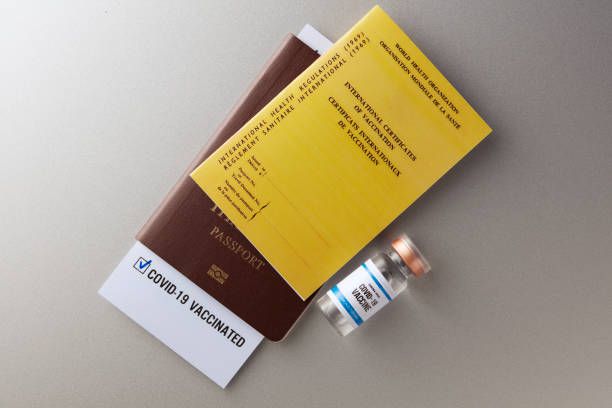
Essential travel first-aid kit with prescription medications and bandages neatly organized

At DoctorTravelLog, we believe staying healthy abroad requires foresight and innovation. Here’s how to assemble your cutting-edge Smart Travel Health Kit for 2025:


Beyond Basics: The Non-Negotiable Core (Enhanced for 2025)
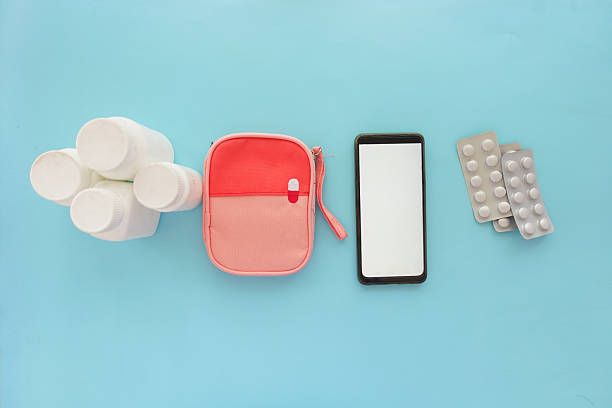
Modern travel health kit with smart gadgets, bandages, and digital health devices

While tech is exciting, the foundation remains critical. Ensure your kit includes:

  1. Prescription Powerhouse:
    • Medications: Ample supply of all regular prescriptions (plus copies of prescriptions/doctor’s notes on letterhead). Consider time-zone changes for dosing schedules.
    • Travel-Specific Meds: Updated 2025 recommendations for destination-specific malaria prophylaxis, altitude sickness meds (like acetazolamide), or antibiotics for traveler’s diarrhea (e.g., azithromycin – prescribed by your doctor).
    • Digital Proof: Scan prescriptions and store them securely in your phone’s health app or encrypted cloud storage.
  2. Wound Care & Infection Control 2.0:
    • Antibiotic ointment packets (single-use reduce waste).
    • Variety of bandages, sterile gauze pads, adhesive tape, and butterfly closures.
    • Antiseptic wipes (alcohol-free options for sensitive skin).
    • Compact UV Sanitizer: Pen-sized UV-C lights for sanitizing surfaces, utensils, or small items on the go.
  3. Symptom Management Essentials:
    • Pain/fever reducer (Acetaminophen, Ibuprofen).
    • Antihistamines (for allergies – non-drowsy & drowsy versions).
    • Decongestant.
    • Anti-nausea medication.
    • Anti-diarrheal medication (e.g., Loperamide).
    • Electrolyte rehydration powder/salts (crucial for hot climates or GI issues).
  4. Protection & Prevention:
    • High-SPF, broad-spectrum sunscreen (reef-safe if applicable).
    • Effective insect repellent (containing DEET 20-30%, Picaridin, or IR3535 – check destination-specific recommendations for 2025).
    • Basic first-aid manual (digital or physical).

The “Smart” Tech Integrations for 2025

This is where your kit becomes truly intelligent and forward-thinking:
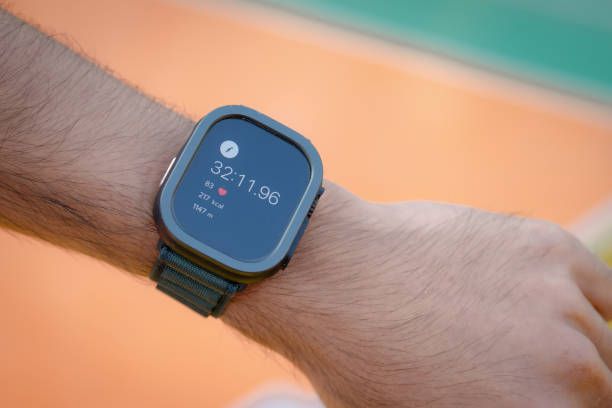
Smartwatch displaying health vitals and digital health monitoring apps for travelers

  1. Digital Health Vault:

    Store encrypted copies of crucial documents on your phone and a secure cloud service:

  2. Telehealth Access:
    • Pre-trip: Schedule a virtual consultation with a travel medicine specialist (essential for 2025, given evolving disease risks).
    • On-trip: Ensure you know how to access your insurance’s telehealth service or have a subscription to a reputable global telehealth provider. A small, portable phone tripod can be invaluable for virtual exams.
  3. Smart Monitoring Devices:
    • Compact Pulse Oximeter: Crucial for altitude travel or respiratory concerns. Many connect to phone apps for tracking.
    • Digital Thermometer: Fast, accurate readings (non-contact models are popular).
    • Portable ECG Monitor (Consider): For travelers with known heart conditions (discuss necessity with your doctor). Single-lead devices like KardiaMobile can provide peace of mind.
    • Continuous Glucose Monitor (CGM) Integration: Diabetic travelers should leverage CGM data synced to their phone apps for real-time monitoring and alerts.
  4. Biometric Tracking (Wearables):
    • Integrate data from your smartwatch (heart rate, sleep quality, activity levels, SpO2) to get an early warning of potential illness (elevated resting heart rate, poor sleep) or overexertion.
  5. AI-Powered Health Assistants:
    • Utilize reputable health apps with AI symptom checkers (like Ada or Babylon) for initial guidance, always followed by professional consultation if symptoms persist. Translation features within these apps can also be helpful abroad.

  6. Smart Medication Management:
    • Use medication reminder apps with customizable alarms accounting for time zone shifts.
    • Consider smart pill dispensers (for complex regimens) or simple timer caps that show the last time a bottle was opened.
  7. Portable Power & Connectivity:
    • A high-capacity, compact power bank is non-negotiable to keep your digital health tools operational.
    • Consider a global SIM card or robust eSIM plan for reliable, affordable data access anywhere – essential for telehealth and accessing health information.

2025 Special Considerations:

  • Climate Resilience: Factor in extreme weather. Add cooling towels, electrolyte tabs, and potentially compact water purification tablets/straws if traveling to areas with questionable water security.
  • Mental Wellness: Include resources like meditation app subscriptions or contact info for telehealth therapists. Jet lag management tools (like Timeshifter) are increasingly valuable.
  • Supply Chain Savvy: Order prescription refills and specialized items well in advance due to potential global supply fluctuations.
  • TSA & Customs Ready: Keep medications in original, clearly labeled containers. Pack liquids/gels compliantly. Have documentation readily accessible for any medical devices.
Jet lag management app, portable water purifier, and heat care travel gear for climate resilience

Assembling Your Smart Kit:

  1. Consult Your Travel Medicine Pro: This is step zero. Get personalized advice based on your health, itinerary, and activities for 2025.
  2. Choose the Right Bag: Durable, water-resistant, and well-organized (clear compartments help). Consider TSA-friendly designs.
  3. Organize Digitally: Set up your digital health vault and essential apps before you travel. Ensure offline access where possible.
  4. Test Your Tech: Charge and test all devices. Know how they work and connect to your phone.
  5. Know Your Insurance: Understand exactly what your travel health insurance covers and how to activate it in an emergency.
Essential travel first-aid kit with prescription medications and bandages neatly organized

The DoctorTravelLog Prescription:

The 2025 Smart Travel Health Kit isn’t just about what you pack; it’s about seamlessly integrating technology, information, and preparation. By combining the timeless essentials with intelligent digital tools and proactive planning, you empower yourself to handle minor issues confidently and access critical help swiftly for more serious situations. Invest in your health tech before your trip – it’s the smartest travel insurance you can have.

Modern travel health kit with smart gadgets, bandages, and digital health devices

Disclaimer: This article provides general guidance. Always consult with your personal physician or a travel medicine specialist for personalized medical advice before any trip. The specific contents of your kit must be tailored to your individual health needs and destination.

Dr. Mohammad Rizwan Feroz

The Role of Health Insurance for Expatriate Employees in the GCC

Discover why health insurance for expatriates in the GCC is mandatory, its benefits, and how to choose the best plan. Protect your workforce with the right coverage!

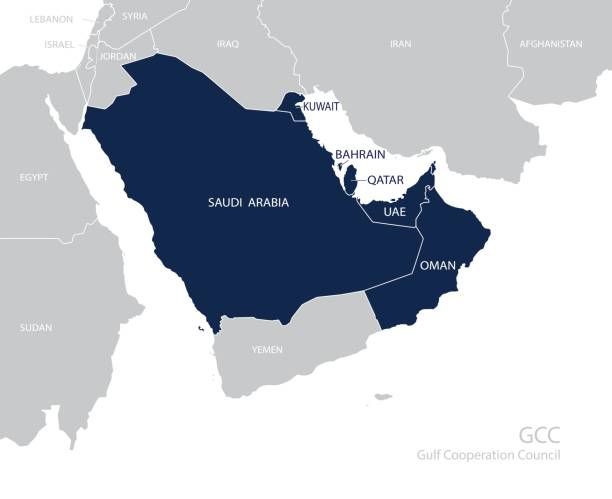
GCC region map highlighting healthcare coverage

Introduction

The Gulf Cooperation Council (GCC)β€”including the UAE, Saudi Arabia, Qatar, Kuwait, Oman, and Bahrainβ€”is a hub for expatriate professionals. However, working abroad comes with challenges, especially regarding healthcare access.

Since most GCC countries mandate health insurance for expatriates, understanding its importance is crucial for employees and employers. This guide explains why health insurance is vital, its benefits, and how to select the best policy.

πŸ”— Looking for travel health tips? Check out our guide on Staying Healthy While Working Abroad here.


Why Health Insurance is Mandatory for Expatriates in the GCC

1. Legal Requirement

  • UAE, Saudi Arabia, and Qatar enforce strict health insurance laws for expatriates.
  • Employers must provide valid medical coverage to avoid fines or visa rejections.

2. High Medical Costs

  • Without insurance, a single hospital visit in Dubai or Riyadh can cost thousands of dollars.
  • Insurance prevents financial strain from emergencies or chronic conditions.

3. Visa & Work Permit Compliance

  • Many GCC countries require proof of health insurance during visa processing.
  • Some nations (like Abu Dhabi) link insurance to Emirates ID or residency permits.

πŸ”— Read more about GCC Visa Requirements for Expatriates in our detailed blog.

Close-up of a health insurance card issued in UAE

Key Benefits of Health Insurance for Expatriate Employees

1. Comprehensive Medical Coverage

  • Inpatient & Outpatient Care – Covers doctor visits, surgeries, and diagnostics.
  • Chronic Disease Management – Critical for diabetes, hypertension, and heart conditions.
  • Maternity & Childcare – Essential for expatriate families.

2. Emergency & Medical Evacuation

  • Some policies include air ambulance services for critical cases.
  • 24/7 global assistance ensures help during emergencies.

3. Mental Health & Wellness Support

  • Many insurers now cover therapy and stress managementβ€”key for expatriates.

4. Benefits for Employers

  • Boosts Employee Retention – Workers value good insurance.
  • Reduces Absenteeism – Healthy employees = higher productivity.
  • Avoids Legal Penalties – Non-compliance risks fines or bans.

πŸ”— Learn how Employers Can Support Expatriate Health in our latest article.

Ambulance and medical evacuation icons

How to Choose the Best Health Insurance Plan

βœ… Check Coverage Limits

  • Ensure the policy covers major surgeries, hospitalization, and emergencies.

βœ… Verify Network Hospitals

  • Confirm if preferred hospitals (like Cleveland Clinic UAE or King Faisal Specialist Hospital) are included.

βœ… Look for Add-Ons

  • Dental, optical, and wellness programs improve coverage.
  • Repatriation benefits for emergency returns to home countries.

βœ… Compare Costs & Claims Process

  • Some insurers offer cashless treatments, while others require reimbursement.

πŸ”— Need help picking a plan? Read our Best Health Insurance for Expats in Dubai.

Doctor and expatriate discussing health insurance options

Final Thoughts

Health insurance isn’t just a legal formalityβ€”it’s a lifesaver for expatriates in the GCC. From emergency care to chronic disease management, the right policy ensures financial security and peace of mind.

Employers, investing in robust health insurance boosts morale and compliance, while employees gain access to world-class healthcare without stress.

Close-up of a health insurance card issued in UAE

Dr.Mohammad Rizwan Feroz

Hajj Health Essentials: Mandatory Precautions, Tests, Vaccines & Insurance

Preparing Spiritually and Physically for the Journey of a Lifetime

Undertaking Hajj is a profound spiritual journey, but Saudi Arabia enforces strict health protocols to protect pilgrims amid extreme heat and dense crowds. Failure to comply may result in denied entry. Here’s what you must know:


1. Non-Negotiable Vaccinations

(Mandatory for Hajj Visa Approval)

Vaccine Requirement Details Validity/Timing
Meningococcal (ACWY) Mandatory for all pilgrims. Protects against meningitis strains common in crowded settings. Administered β‰₯ 10 days before arrival. Valid for 5 years. Proof required.
Seasonal Influenza Required for pilgrims from high-risk countries (check annually). Highly recommended for all. Current season’s vaccine. Ideal timing: 2–4 weeks pre-travel.
COVID-19 Based on current Saudi MOH guidelines (verify yearly). Often requires primary series + booster. Check approved vaccines (e.g., Pfizer, Moderna). Negative PCR tests may suffice.
Polio Mandatory if arriving from polio-endemic countries (e.g., Afghanistan, Pakistan). Oral dose on arrival may apply. Proof of vaccination + booster within past year.

πŸ“Œ Pro Tip: Routine vaccines (MMR, Tetanus, Hepatitis A/B) are strongly recommended but not Hajj-mandatory.


2. Health Documentation & Permits

  • Hajj e-Visa Health Form: Submit via Saudi’s Muqeem portal with vaccination proofs.
  • Medical Fitness Certificate: Required for pilgrims >65 years or with chronic conditions (diabetes, heart/kidney disease). Must include:
    • Physician’s clearance note
    • Recent lab tests (blood sugar, kidney/liver function)
  • Pregnancy Restrictions: Saudi bans pregnant women from Hajj. Tests may be required for women of childbearing age.

3. Critical Health Precautions

  • Heat & Hydration:
    • Temperatures exceed 45Β°C (113Β°F). Carry electrolyte sachets.
    • Avoid dehydration: Drink 3–5 liters of bottled water daily.
    • Recognize heatstroke signs: dizziness, no sweating, confusion.
  • Crowd & Infection Risks:
    • Wear N95 masks in congested areas (Mina, Jamarat).
    • Use hand sanitizer rigorously – respiratory illnesses spread rapidly.
    • Diabetics: Pack extra insulin (cooling pouch required).
  • Medication Rules:
    • Carry prescriptions + Arabic translation.
    • Banned substances: Narcotics, CBD, amphetamines (strict penalties).

4. Mandatory Health Insurance

(Hajj-Specific Requirements)

  • Coverage Must Include:
    • COVID-19 testing/treatment
    • Heatstroke emergencies
    • Medical evacuation/repatriation
    • Minimum coverage: $100,000 USD
  • Proof Required: Submit insurance certificate during visa processing.

5. Key Timeline

(Start 8 Weeks Before Departure)

Timing Action Item
8 Weeks Out – Book travel clinic appointment.
– Start meningitis/flu vaccines.
4 Weeks Out – Complete all vaccines.
– Organize medication supplies.
2 Weeks Out – Finalize medical certificate.
– Upload documents to Muqeem portal.
Travel Day – Carry vaccine records, insurance, prescriptions IN HAND LUGGAGE.

Saudi-Approved Resources

⚠️ Reminder: Rules change annually. Verify all details 60 days pre-travel via Saudi embassies.


Final Advice: Pilgrims with chronic conditions (e.g., dialysis patients) must coordinate with Saudi-accredited medical agencies. Hajj is physically demanding – prioritize your health to focus on spirituality.

May your journey be accepted and safe! πŸŒ™


Disclaimer: This article reflects 2025 Hajj guidelines. Always consult Saudi MOH and your travel clinic for updates.

Dr. Mohammad Rizwan Feroz


Essential Health Guide for GCC Travel: Precautions, Tests, Vaccines & Insurance

Planning a trip to the Gulf Cooperation Council (GCC) countries – Saudi Arabia, the United Arab Emirates (UAE), Qatar, Kuwait, Oman, or Bahrain – whether for a visit, employment, or business? Beyond visas and flights, your health preparation is paramount. Requirements can vary significantly by country, visa type, and your origin. This guide covers the key health aspects you need to address before you go. Always verify the latest, specific requirements directly with the embassy/consulate of your destination country and your sponsor/employer.

1. Health-Related Precautions: Beyond the Paperwork

While tests and vaccines are mandatory, proactively managing your health ensures a smoother trip:

  • Pre-Travel Consultation: Visit your doctor or a travel medicine clinic ideally 6–8 weeks before departure. Discuss your itinerary, medical history, current medications, and specific risks.
  • Environmental Adaptation:
    • Heat & Sun: GCC summers are extremely hot (often exceeding 40Β°C/104Β°F). Drink plenty of water (bottled is safest), use high-SPF sunscreen, wear loose, light-colored clothing, a wide-brimmed hat, and sunglasses. Limit outdoor activity during peak heat (10 am – 4 pm).
    • Dust & Sandstorms: Common, especially inland. Those with asthma or respiratory issues should carry ample medication. Consider masks (like N95s) for severe storms.
  • Food & Water Safety: Stick to bottled or purified water. Avoid ice in drinks unless sure of its source. Eat thoroughly cooked food and peel fruits yourself. Be cautious with street food and salads washed in tap water. “Boil it, cook it, peel it, or forget it” is a good rule.
  • Medications: Carry all essential medications in their original packaging with prescriptions (translated if necessary). Ensure you have enough for your entire stay plus extra. Some medications legal elsewhere (e.g., certain painkillers, ADHD meds) are strictly controlled or banned in GCC countries – check embassy rules.
  • Cultural Sensitivities: During Ramadan, eating, drinking, or smoking in public during daylight hours is prohibited in most GCC countries. Dress modestly to respect local customs and aid sun protection.
Doctor consulting traveler before GCC visit

2. Mandatory Laboratory Tests (Especially Crucial for Employment Visas)

GCC countries, particularly for work/residence visas, require rigorous medical screening to protect public health. Tests are typically conducted at government-approved clinics in your home country or upon arrival. Requirements change, but commonly include:

  • HIV/AIDS: Universal requirement for all long-term visas (work/residence). A positive test usually results in visa denial/deportation.
  • Hepatitis B & C: Mandatory for work/residence visas in most GCC states. Chronic infection can lead to visa rejection depending on the country and job role (especially healthcare, food handling).
  • Tuberculosis (TB): Screening is critical.
    • Chest X-ray: Standard for detecting active pulmonary TB for work/residence visas.
    • Sputum Tests: May be required if the X-ray is abnormal.
    • Blood Tests (e.g., IGRA): Sometimes used instead of or alongside X-rays.
  • Syphilis: Routinely tested for work/residence visas.
  • Malaria: Blood tests may be required if traveling from endemic regions.
  • Pregnancy Test: Often mandatory for female applicants of certain nationalities applying for work/residence visas. Being pregnant can affect visa issuance.
  • General Health Check: May include blood sugar, kidney/liver function tests.
  • Key Notes:
    • Tests must be recent (usually valid 3 months).
    • Must be done at accredited laboratories/clinics (often specified by the sponsor/embassy).
    • Results are submitted for a “Medical Fitness” certificate – essential for visa processing. Failing any critical test (HIV, active TB, Hep B/C in restricted roles) usually means visa denial.
Medical fitness certificate for GCC visa

3. Vaccination Requirements: Building Immunity

Vaccination rules depend on your origin, destination, visa type, and planned activities:

  • Routine Vaccines (MUST be up-to-date): Ensure MMR (Measles, Mumps, Rubella), DTP (Diphtheria, Tetanus, Pertussis), Polio, and Varicella (Chickenpox) are current. These are baseline requirements.
  • COVID-19: While most restrictions have eased, check the latest entry rules for your destination. Proof of vaccination (specific vaccines/boosters accepted) or a negative test may still be required by some countries/airlines. Always verify before travel.
  • Hepatitis A & Typhoid: Highly Recommended. Transmitted through contaminated food/water, common risks for travelers. Essential for protection.
  • Hepatitis B: Highly Recommended for everyone, often Mandatory for workers. Required for many employment visas. Protects against blood/body fluid transmission.
  • Meningococcal Meningitis (ACWY): Required for Hajj/Umrah pilgrims entering Saudi Arabia (often via the quadrivalent vaccine). Sometimes required for residence visas or if arriving from endemic areas. Check specific country requirements.
  • Influenza: Recommended, especially during flu season (Oct–May).
  • Rabies: Consider if you’ll have significant outdoor exposure (e.g., camping, veterinary work) or contact with animals.
  • Yellow Fever: Mandatory requirement ONLY if you are arriving from a Yellow Fever endemic country (or have transited there for >12 hours). Proof of vaccination (valid 10 days before entry) is essential. Not generally required for travelers coming directly from non-endemic regions.

4.  Health Insurance: Non-Negotiable Protection

Comprehensive health insurance is almost universally mandatory for obtaining any GCC visa (tourist, business, employment):

  • Mandatory Requirement: You will be asked to provide proof of valid insurance covering your entire stay for visa processing. Your employer typically arranges this for employment visas. Visitors/business travelers often need to purchase it themselves.
  • Coverage Minimums: Policies must typically cover:
    • Emergency medical treatment and hospitalization.
    • Repatriation/medical evacuation.
    • Expenses related to COVID-19 (testing, treatment, quarantine).
    • Cover the entire duration of your visa/stay.
  • Validity: The insurance must be valid within the specific GCC country you are visiting.
  • Proof: Carry your insurance card and policy details (digital and physical copies) at all times.
  • Check Carefully: Understand the coverage limits, deductibles, exclusions, and the process for making claims. Ensure it meets the specific minimum requirements of your destination country.

Conclusion: Your Health, Your Journey’s Foundation

Thorough health preparation is not just about ticking boxes for visa approval; it’s about safeguarding your well-being in a unique environment. The GCC offers incredible experiences and opportunities, but neglecting health prerequisites can lead to visa denials, deportation, or serious health issues. Remember:

  1. Verify: GCC country rules change. Double-check everything with official sources (embassy/consulate) and your sponsor/employer well in advance.
  2. Plan Early: Start medical checks and vaccinations 6–8 weeks pre-travel.
  3. Get Certified: Use only approved labs/clinics for mandatory tests to obtain your Medical Fitness certificate.
  4. Insure: Secure comprehensive, compliant health insurance – don’t travel without it.
  5. Prepare: Pack medications, sun protection, and stay vigilant about food/water and the climate.

By taking these essential health precautions, you pave the way for a successful, safe, and healthy visit or start to your new life in the GCC. Safe travels!

Disclaimer: This article provides general guidance. Health regulations for GCC countries are subject to frequent change. Always consult the official government websites of your destination country and seek advice from a qualified travel health professional for the most current and personalized information.

Dr. Mohammad Rizwan Feroz