MBBS in Europe vs. Asia: Finding Your Perfect Medical School Match (Not Just “Better”)

Choosing where to pursue your MBBS (Bachelor of Medicine, Bachelor of Surgery) is one of the most significant decisions for an aspiring international doctor. It’s not just about getting a degree; it’s about shaping your future career, lifestyle, and even your worldview. Europe and Asia emerge as two powerhouse destinations, each radiating distinct advantages and challenges. Declaring one universally “better” is impossible – the “best” fit depends entirely on you.

Let’s dissect the pros and cons of pursuing an MBBS in Europe versus Asia to help you navigate this life-altering choice:

The European Pathway: Tradition, Integration & Global Mobility

  • Pros:
    • High Standards & Global Recognition: Degrees from accredited EU universities (especially in countries like Germany, Poland, Czech Republic, Hungary, Romania, Bulgaria, Italy, Spain) are widely respected by medical councils globally (USMLE, PLAB, AMC pathways generally smoother). Rigorous quality control is a hallmark.
    • Integrated EU Practice Potential: Graduating from an EU country often simplifies the process of practicing medicine within other EU/EEA nations due to mutual recognition directives (though language proficiency is still key). This offers incredible career mobility.
    • Advanced Infrastructure & Research: Access to cutting-edge medical technology, well-equipped teaching hospitals, and opportunities to engage in high-level research projects is often readily available.
    • Cultural Immersion & Travel: Studying in Europe offers unparalleled access to diverse cultures, languages, and travel opportunities across the continent during breaks.
    • Focus on Clinical Skills (Often): Many European programs integrate clinical exposure earlier and more consistently than some traditional Asian curricula.
    • English-Taught Programs: A wide range of universities offer MBBS programs entirely in English, attracting a diverse international student body.
  • Cons:
    • Higher Tuition & Living Costs: While often cheaper than the US/UK, tuition fees and especially living expenses (Western/Northern Europe particularly) are significantly higher than in most Asian destinations. Budget realistically.
    • Competitive Entry: Admission can be highly competitive, requiring excellent high school grades (especially in science subjects), strong entrance exam scores (e.g., IMAT for Italy, NEET for some), and sometimes specific language prerequisites even for English programs.
    • Language Barrier for Practice: While the degree might be in English, practicing medicine locally requires near-native fluency in the host country’s language (e.g., German, Polish, Czech). Learning this is non-optional for local licensure.
    • Colder Climate Adjustment: For students from tropical Asia, adapting to long, cold winters in many European destinations can be challenging.
    • Cultural Adjustment: European social norms, teaching styles, and daily life can feel more distant initially for students from Asian backgrounds compared to studying within Asia.
The Asian Pathway: Affordability, Scale & Diverse Options

  • Pros:
    • Significant Cost Advantage: This is often the biggest draw. Tuition fees and living expenses in countries like China, Philippines, Russia, Ukraine (pre-war context is complex), Kyrgyzstan, Kazakhstan, Bangladesh, Nepal, and some programs in India (for NRI/Management quota) are substantially lower than in Europe or the West.
    • Large International Communities: Many Asian medical universities have well-established systems for international students, large expat communities, and support structures catering specifically to them.
    • PMC( Pakistan)/MCI/NMC Recognition (Crucial for India): Many universities in China, Philippines, Russia, Bangladesh, Nepal etc., are recognized by India’s National Medical Commission (NMC), allowing graduates to sit for the FMGE (now NEXT) to practice in India. This is paramount for Indian students intending to return home.
    • Cultural Proximity (For Many): Students from South Asia, Southeast Asia, or the Middle East may find cultural adaptation easier, with familiar food, social dynamics, and potentially shorter travel distances.
    • Focus on Theoretical Foundation: Some Asian curricula place a strong emphasis on rote learning and theoretical knowledge, which can be advantageous for certain licensing exams.
    • High Patient Volume: Hospitals attached to universities often see enormous patient volumes, offering exposure to a wide range of cases early on.
  • Cons:
    • Variable Quality & Recognition: Quality can vary dramatically between institutions and countries. Vigilant research is CRITICAL. Ensure the university is recognized by the medical council of the country where you intend to practice. (WHO’s World Directory of Medical Schools is a start, but check specific council lists like PMC,BMC,NMC, ECFMG, GMC).
    • Language of Instruction & Patient Interaction: While programs are marketed in English, clinical rotations often involve patients and local doctors speaking the native language (Mandarin, Russian, Filipino dialects, etc.).This can hinder learning and patient interaction if you’re not proficient.
    • Infrastructure Disparities: While top universities are excellent, some institutions, especially in less developed areas, may have outdated equipment or facilities compared to European counterparts.
    • Licensing Exam Hurdles (For Non-Home Practice): Returning to practice in the US, UK, Australia, or even the EU often requires clearing challenging licensing exams (USMLE, PLAB, AMC) and potentially additional internships/training, which can be a long road regardless of where you study.
    • Cultural & Lifestyle Adjustments: Bureaucracy, teaching styles, food, hygiene standards, and social freedoms can differ significantly and be challenging for some.
    • Political Instability (Specific Regions): Some popular destinations have experienced political unrest or conflict, impacting student safety and continuity of studies (research current conditions diligently).

Meet the Students:

  • Sofia (from Brazil): Chose Hungary. “The EU degree recognition was key for me, dreaming of working in Portugal later. Budapest is beautiful, the program is tough but structured. Learning Hungarian is my biggest challenge now!”
  • Arjun (from India): Chose the Philippines. “Cost was the biggest factor for my family. The NMC recognition list gave me options. English is widely spoken, but learning basic Tagalog helps in the wards. The patient volume is insane – you see everything!”

Beyond the Continents: Key Questions to Ask YOURSELF

  1. Where Do You Want to Practice Ultimately? This is the MOST crucial factor. Research the specific licensing requirements (exams, internships, language) for your target country *before* choosing a medical school. An NMC-recognized Asian university might be “better” for India, while an EU degree eases EU practice.
  2. What’s Your Realistic Budget? Include tuition, accommodation, food, travel, health insurance, and potential language courses for the entire duration. Don’t underestimate living costs in Europe.
  3. How Important is Cultural Proximity & Support? Can you thrive far from familiar comforts, or do you need a larger community from your home region?
  4. What’s Your Learning Style?  Do you prefer highly structured, theory-heavy learning (some Asian styles) or earlier clinical integration and problem-based learning (common in Europe)?
  5. Are You Willing to Learn a New Language (Fluently)? For Europe, this is almost mandatory for practice. In Asia, it’s essential for effective clinical rotations and daily life beyond campus.

The Verdict: It’s About Alignment, Not Ranking

There is no single “better” continent for an MBBS. Europe shines with its high global recognition, EU mobility potential, advanced infrastructure, and cultural richness, demanding a higher budget and language commitment. Asia excels in affordability, offers NMC-recognized options crucial for Indian returnees, and provides cultural familiarity for many, requiring careful vetting for quality and presenting language/recognition hurdles for non-home practice.

Your Next Step: Research Relentlessly!

  • Verify Recognition: Double and triple-check the university is listed on the official medical council websites of your target practice countries (NMC, GMC, ECFMG, AMC etc.). DoctorTravelLog recommends using the official council directories, not just agent claims.
  • Talk to Current Students & Alumni: Seek honest opinions on curriculum, faculty, facilities, support, and challenges. Explore DoctorTravelLog’s Student Forum (Link) for real experiences.
  • Consider Lifestyle Fit: Visit if possible, or research extensively. Can you live there happily for 5-6 years?
  • Understand the Fine Print: Know the total costs, language requirements, internship structure, and FMGE/NEXT/USMLE pass rates of the university.

Ready to chart your medical journey?

Choosing between Europe and Asia is deeply personal. By honestly assessing your goals, budget, and preferences, and conducting meticulous research, you’ll find the medical school that isn’t just a place to study, but the launchpad for your dream career.

Overwhelmed by choices? DoctorTravelLog offers personalized consultancy services and in-depth Country & University Guides. Explore our resources or Book a Consultation today!

Dr. Mohammad Rizwan Feroz


👍 Found this helpful? Show some love & follow us on Instagram @doctortravellog for expert tips & fresh updates!

💬 Got thoughts or questions? React below or drop a quick comment — no login needed!

❤️ 😮 🤔 👍 👎

7 Travel Vaccines You Didn’t Know You Needed in 2025

Protect your journey with these 7 essential but often-overlooked travel vaccines in 2025.

Planning international travel in 2025? Beyond routine vaccines, discover 7 lesser-known immunizations critical for your health. From Japanese Encephalitis in Bali to Tick-borne Encephalitis in European forests—learn why these overlooked shots could save your trip. Consult a travel medicine specialist today!

As travel surges post-pandemic, adventurers often overlook region-specific health risks. While typhoid and hepatitis vaccines are well-known, evolving disease patterns and 2025 health advisories reveal surprising new essentials.

Here are seven under-the-radar vaccines to discuss with your travel clinic:

1. Japanese Encephalitis (JE)

  • Why: Mosquito-borne in rural Asia (e.g., Bali, Thai rice paddies). Cases spiked 20% in 2024.
  • For Whom: Travelers spending >1 month in rural SE Asia or short-term with high exposure (e.g., camping, farming).
  • 2025 Alert: Outbreaks reported near tourist hubs in Vietnam and Philippines.

2. Tick-borne Encephalitis (TBE)

  • Why: Forested Europe (Germany, Austria) and Asia. 10K cases/year—up 35% since 2022.
  • For Whom: Hikers, campers, or summer travelers to endemic zones.
  • 2025 Alert: Vaccination now advised for Switzerland’s Alpine regions.

3. Cholera (Oral Vaccine Vaxchora®)

  • Why: Food/water-borne in humanitarian crises (e.g., Yemen, Sudan).
  • For Whom: Aid workers or travelers to outbreak zones lacking sanitation.
  • 2025 Perk: Single-dose oral vaccine protects for 3 months.

4. Meningococcal ACWY

  • Why: Required for Saudi Arabia’s Hajj/Umrah. Rising in sub-Saharan “meningitis belt.”
  • For Whom: Pilgrims, festival attendees (e.g., Ghana’s gathering season).
  • 2025 Rule: Saudi Arabia mandates proof for visa approval.

5. Rabies (Pre-Exposure)

  • Why: Fatal if untreated. Rampant in Bali, Thailand, Peru.
  • For Whom: Remote travelers, animal handlers, or families with kids (higher bite risk).
  • 2025 Tip: Saves you from scarce post-bite serums in rural clinics.

6. Polio Booster

  • Why: Endemic in Afghanistan/Pakistan; outbreaks in Malawi/Mozambique.
  • For Whom: Travelers from polio-exporting countries may need proof.
  • 2025 Advisory: WHO lists 12 “at-risk” nations needing boosters.

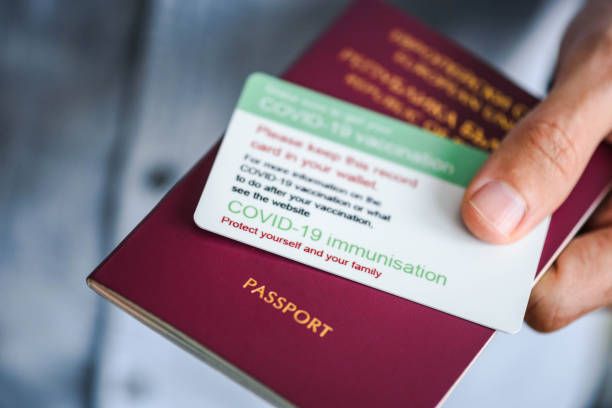
7. COVID-19 XBB.1.5 Variant Booster

  • Why: New variants dominate globally. Japan/Canada require updated boosters for entry.
  • For Whom: All travelers—check country-specific rules pre-departure.

Honorable Mentions:

  • Yellow Fever: Now required for parts of Brazil (Amazonas) due to 2024 outbreaks.
  • Influenza: Southern hemisphere’s flu season (June–Sept) hits travelers in Australia/Argentina.

Practical Advice for 2025 Travelers:

  1. Timing: Schedule vaccines 4–6 weeks pre-trip (some need multiple doses).
  2. Documentation: Use DoctorTravelLog’s [Country-Specific Tool] to check entry requirements.
  3. Where to Go: Visit CDC’s Travel Health site or a certified travel clinic.

Final Thought:

Vaccines aren’t just paperwork—they’re armor against invisible threats. As climate change and urbanization reshape disease landscapes, 2025’s smart traveler prioritizes prevention. Consult a travel medicine specialist, pack your records, and explore confidently! 🌍💉

Dr. Mohammad Rizwan Feroz / DoctorTravelLog


The Unfiltered Truth: A Doctor’s Guide to Smoking Hazards and the Path to Freedom

As a physician who has witnessed the devastating toll of tobacco firsthand, both in bustling city hospitals and remote clinics during my travels, I feel compelled to share the stark medical realities of smoking. It’s not just a bad habit; it’s a complex addiction driving a cascade of biological destruction. Understanding these hazards from a medical perspective is the first crucial step towards reclaiming your health and embracing a smoke-free life – essential for anyone wanting to fully experience the vitality travel demands.

Stop smoking health awareness message

Beyond the Lungs: The Systemic Onslaught of Smoke

Cigarette smoke is a toxic cocktail of over 7,000 chemicals, including at least 70 known carcinogens. Its damage is far-reaching:

1. Cardiovascular Catastrophe:

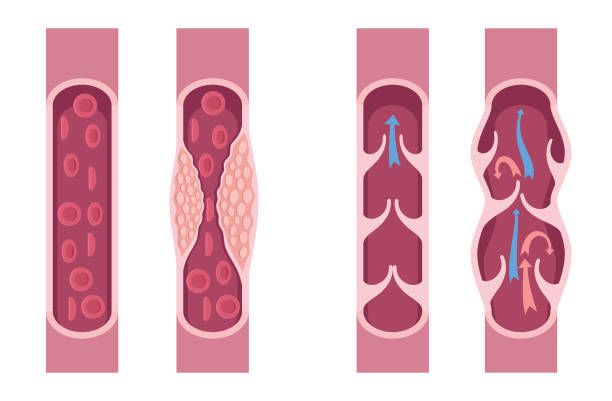
  • Atherosclerosis: Nicotine and other toxins damage the delicate endothelial lining of arteries. This allows LDL (“bad”) cholesterol to infiltrate the arterial wall, triggering inflammation and plaque buildup. This narrows arteries, restricting blood flow.
  • Hypertension: Nicotine is a potent vasoconstrictor, causing arteries to tighten, forcing the heart to work harder and raising blood pressure.
  • Increased Clotting: Smoking makes platelets stickier and increases fibrinogen levels, significantly raising the risk of dangerous blood clots.
  • Coronary Heart Disease (CHD): The leading cause of death among smokers. Plaque buildup in coronary arteries starves the heart muscle of oxygen, causing angina (chest pain) and heart attacks.
  • Stroke: Plaque in carotid arteries or clots traveling to the brain cause ischemic strokes. Smoking also increases the risk of hemorrhagic stroke (bleeding in the brain) by weakening blood vessels.
  • Peripheral Artery Disease (PAD): Reduced blood flow to limbs, causing pain (claudication), poor wound healing, infections, and potentially gangrene and amputation.

2. Respiratory Ruin:

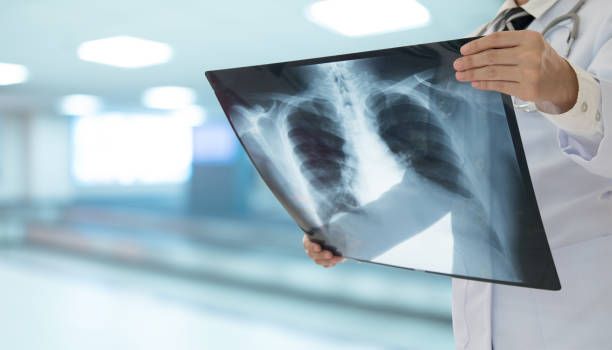
Healthy lung vs smoker's lung damage
  • Chronic Obstructive Pulmonary Disease (COPD): An umbrella term encompassing emphysema and chronic bronchitis. Smoke destroys lung elasticity (emphysema) and inflames airways, causing excessive mucus and chronic cough (bronchitis). This leads to progressive, irreversible shortness of breath – a thief of vitality.
  • Lung Cancer: The most infamous hazard. Carcinogens like benzopyrene cause DNA mutations in lung cells, leading to uncontrolled growth. Smoking is responsible for about 85% of lung cancer cases.
  • Increased Infections: Smoke paralyzes and damages the cilia (tiny hairs) that clear mucus and pathogens from the airways. This makes smokers far more susceptible to pneumonia, influenza, and tuberculosis.
  • Asthma Exacerbation: Smoke is a potent trigger for asthma attacks and worsens overall control.

3. Cancer Beyond the Lungs: Smoking is a major risk factor for cancers of the:

  • Mouth, Throat (Pharynx & Larynx)
  • Esophagus
  • Stomach
  • Pancreas
  • Liver
  • Kidney & Bladder
  • Cervix
  • Colon & Rectum
  • Acute Myeloid Leukemia (AML)

4. Reproductive and Developmental Damage:

  • Men: Reduced sperm count, increased sperm abnormalities, erectile dysfunction (due to vascular damage).
  • Women: Reduced fertility, earlier menopause, increased risk of cervical cancer. During pregnancy: increased risk of miscarriage, stillbirth, preterm birth, low birth weight, placental problems (placenta previa, abruption), and sudden infant death syndrome (SIDS).

5. Accelerated Aging & Other Impacts:

  • Skin: Premature wrinkles, sagging, yellowing due to impaired blood flow and collagen/elastin breakdown.
  • Eyes: Increased risk of cataracts and age-related macular degeneration (AMD), leading causes of blindness.
  • Bones: Increased risk of osteoporosis and fractures due to reduced bone density.
  • Immune System: Chronic inflammation and impaired immune function.
  • Diabetes: Increases insulin resistance and the risk of developing Type 2 diabetes; makes existing diabetes harder to control.
  • Oral Health: Gum disease (periodontitis), tooth loss, stained teeth, oral cancers.
Used cigarette symbolizing quitting

The Addicted Brain: Why Quitting is Tough (But Not Impossible)

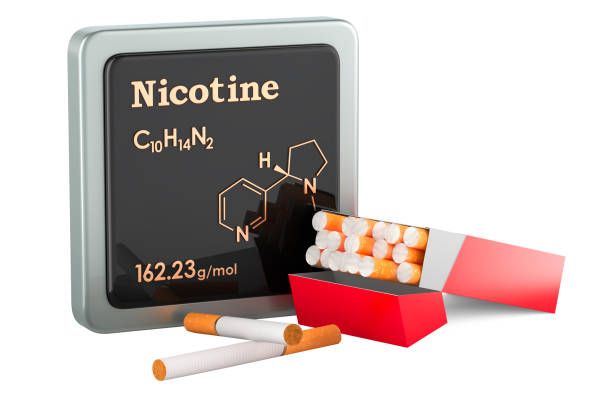
Nicotine is highly addictive, acting on the brain’s reward pathways. It stimulates the release of dopamine, creating feelings of pleasure and reinforcement. Over time, the brain adapts, needing more nicotine to achieve the same effect (tolerance) and causing unpleasant withdrawal symptoms (irritability, anxiety, difficulty concentrating, cravings, restlessness) when nicotine levels drop. This powerful neurobiological cycle makes quitting challenging, but absolutely achievable with the right strategies.

Prescribing Freedom: Evidence-Based Strategies to Quit Smoking

Quitting is the single most important step a smoker can take for their health. Benefits begin within hours and continue for years. Here’s the medical roadmap:

  1. Commit to a Quit Date: Choose a date within the next 2 weeks. Mark it clearly.
  2. Tell Your Support System: Inform family, friends, and colleagues. Their support is invaluable. Consider joining a support group.
  3. Identify & Avoid Triggers: Recognize situations (morning coffee, stress, socializing) that trigger cravings and plan alternatives.
  4. Consider Evidence-Based Cessation Aids (Discuss with your Doctor FIRST):
    • Nicotine Replacement Therapy (NRT): Provides controlled nicotine without the other toxins, easing withdrawal. Options include patches (steady dose), gum, lozenges, inhalers, nasal spray (for acute cravings). Can often be combined (e.g., patch + gum).
    • Prescription Medications:
      • Varenicline (Chantix): Blocks nicotine’s effects on the brain, reduces pleasure from smoking, and eases withdrawal.
      • Bupropion (Zyban): An antidepressant that reduces nicotine cravings and withdrawal symptoms.
  5. Behavioral Therapy/Counseling: Highly effective, especially combined with medication. Teaches coping skills, stress management, and problem-solving strategies to overcome addiction. Available individually, in groups, or via phone quitlines (e.g., 1-800-QUIT-NOW in the US).
  6. Manage Withdrawal & Cravings:
    • Delay: Urges typically peak within 5–10 minutes. Distract yourself.
    • Deep Breathing: Calms the nervous system.
    • Drink Water: Helps flush toxins and keeps hands/mouth busy.
    • Physical Activity: Reduces cravings and stress.
    • Avoid “Just One”: It almost always leads back to regular smoking.
  7. Prepare for Relapse: Slips happen. Don’t see it as failure. Analyze what triggered it, learn from it, and recommit immediately. Most successful quitters have made several attempts.

The Doctor’s Verdict: Your Healthiest Journey Begins Here

The medical evidence is unequivocal: smoking is a primary driver of preventable death and disability worldwide. It ravages nearly every organ system, stealing years of life and quality of life. However, the human body possesses an incredible capacity to heal once the assault of tobacco ceases.

Quitting smoking is a profound act of self-care. It requires commitment, often support, and sometimes medical assistance, but the rewards – easier breathing, a stronger heart, more energy, a brighter future, and the freedom to travel without being tethered to an addiction – are immeasurable. You don’t have to walk this path alone. Consult your doctor today. Together, you can develop a personalized quit plan tailored to your needs and embark on your most important journey yet: the journey to a smoke-free, healthier life.

Nicotine molecule chemistry diagram

Disclaimer:

This article provides general medical information and does not replace personalized advice from a qualified healthcare professional. Always consult your physician before starting any cessation program or medication.

Dr. Mohammad Rizwan Feroz

The Role of Health Insurance for Expatriate Employees in the GCC

Discover why health insurance for expatriates in the GCC is mandatory, its benefits, and how to choose the best plan. Protect your workforce with the right coverage!

GCC region map highlighting healthcare coverage

Introduction

The Gulf Cooperation Council (GCC)—including the UAE, Saudi Arabia, Qatar, Kuwait, Oman, and Bahrain—is a hub for expatriate professionals. However, working abroad comes with challenges, especially regarding healthcare access.

Since most GCC countries mandate health insurance for expatriates, understanding its importance is crucial for employees and employers. This guide explains why health insurance is vital, its benefits, and how to select the best policy.

🔗 Looking for travel health tips? Check out our guide on Staying Healthy While Working Abroad here.


Why Health Insurance is Mandatory for Expatriates in the GCC

1. Legal Requirement

  • UAE, Saudi Arabia, and Qatar enforce strict health insurance laws for expatriates.
  • Employers must provide valid medical coverage to avoid fines or visa rejections.

2. High Medical Costs

  • Without insurance, a single hospital visit in Dubai or Riyadh can cost thousands of dollars.
  • Insurance prevents financial strain from emergencies or chronic conditions.

3. Visa & Work Permit Compliance

  • Many GCC countries require proof of health insurance during visa processing.
  • Some nations (like Abu Dhabi) link insurance to Emirates ID or residency permits.

🔗 Read more about GCC Visa Requirements for Expatriates in our detailed blog.

Close-up of a health insurance card issued in UAE

Key Benefits of Health Insurance for Expatriate Employees

1. Comprehensive Medical Coverage

  • Inpatient & Outpatient Care – Covers doctor visits, surgeries, and diagnostics.
  • Chronic Disease Management – Critical for diabetes, hypertension, and heart conditions.
  • Maternity & Childcare – Essential for expatriate families.

2. Emergency & Medical Evacuation

  • Some policies include air ambulance services for critical cases.
  • 24/7 global assistance ensures help during emergencies.

3. Mental Health & Wellness Support

  • Many insurers now cover therapy and stress management—key for expatriates.

4. Benefits for Employers

  • Boosts Employee Retention – Workers value good insurance.
  • Reduces Absenteeism – Healthy employees = higher productivity.
  • Avoids Legal Penalties – Non-compliance risks fines or bans.

🔗 Learn how Employers Can Support Expatriate Health in our latest article.

Ambulance and medical evacuation icons

How to Choose the Best Health Insurance Plan

✅ Check Coverage Limits

  • Ensure the policy covers major surgeries, hospitalization, and emergencies.

✅ Verify Network Hospitals

  • Confirm if preferred hospitals (like Cleveland Clinic UAE or King Faisal Specialist Hospital) are included.

✅ Look for Add-Ons

  • Dental, optical, and wellness programs improve coverage.
  • Repatriation benefits for emergency returns to home countries.

✅ Compare Costs & Claims Process

  • Some insurers offer cashless treatments, while others require reimbursement.

🔗 Need help picking a plan? Read our Best Health Insurance for Expats in Dubai.

Doctor and expatriate discussing health insurance options

Final Thoughts

Health insurance isn’t just a legal formality—it’s a lifesaver for expatriates in the GCC. From emergency care to chronic disease management, the right policy ensures financial security and peace of mind.

Employers, investing in robust health insurance boosts morale and compliance, while employees gain access to world-class healthcare without stress.

Close-up of a health insurance card issued in UAE

Dr.Mohammad Rizwan Feroz

Beyond the Clinic Walls: Celebrating Community Healthcare Improvement Week (June 1-8)

Between clinic shifts and journeys to remote health posts, one truth becomes undeniably clear: the health of a community isn’t built solely within hospital walls. It thrives in the neighborhoods, schools, workplaces, and homes where people live their daily lives. That’s the powerful message at the heart of Community Healthcare Improvement Week, observed annually from June 1st to June 8th. As both a physician and an observer of health systems worldwide (here at DoctorTravelLog), this week resonates deeply. It’s a dedicated time to recognize, celebrate, and actively participate in strengthening the vital foundation of our collective well-being: community-based healthcare.

What is Community Healthcare Improvement Week?

This week serves as a national call to action. It’s a moment to spotlight the incredible work being done – often quietly and tirelessly – by community health centers (CHCs), public health departments, local non-profits, outreach workers, advocates, and countless volunteers. These are the individuals and organizations on the front lines, working with communities to address their specific health needs, break down barriers to care, and foster environments where health can flourish.

Why Does Community Healthcare Matter More Than Ever?

The events of recent years have starkly illuminated the critical importance of strong, accessible, and equitable community health infrastructure. Community healthcare:

  1. Reaches the Underserved: CHCs and outreach programs are lifelines for vulnerable populations – the uninsured, underinsured, low-income families, migrant workers, the homeless, and residents of rural or isolated areas. They provide care based on need, not ability to pay.
  2. Focuses on Prevention: Community health excels at proactive care – vaccinations, screenings, health education, nutrition programs, and chronic disease management. Preventing illness is always more effective and less costly than treating it.
  3. Addresses Social Determinants: Community health workers understand that health is shaped by factors like housing, food security, transportation, education, and safety. They connect individuals to vital social services, tackling the root causes of poor health.
  4. Builds Trust & Cultural Competence: Local providers embedded within communities understand cultural nuances, language needs, and specific challenges. This builds essential trust, leading to better patient engagement and outcomes.
  5. Promotes Health Equity: By focusing on access and removing barriers, community healthcare is a powerful force in closing the persistent gaps in health outcomes experienced by different racial, ethnic, and socioeconomic groups.

Challenges on the Ground: A View from the Road

Through my travels, I’ve witnessed both inspiring community health initiatives and the significant hurdles they face. Common challenges include:

  • Funding Instability: Reliance on grants and government funding can make long-term planning difficult.
  • Workforce Shortages: Recruiting and retaining doctors, nurses, dentists, mental health professionals, and community health workers, especially in rural areas, is an ongoing struggle.
  • Burdensome Regulations: Navigating complex administrative requirements diverts resources from direct patient care.
  • Integration Gaps: Ensuring seamless communication and coordination between community providers, hospitals, and social services remains a work in progress.
  • The Rising Tide of Need: Increasing rates of chronic disease, mental health challenges, and the lingering impacts of health crises place immense pressure on these essential services.

How Can You Participate in Community Healthcare Improvement Week?

This week isn’t just for health professionals; it’s for everyone who cares about the health of their neighbors and their town. Here’s how you can get involved, no matter your background:

  • Learn & Raise Awareness:
    • Visit the website of your local Community Health Center or Public Health Department. Understand their services and challenges.
    • Share information about Community Healthcare Improvement Week and the role of CHCs on social media using hashtags like #CommunityHealthWeek #CHCs #HealthEquity #PublicHealth.
    • Talk to friends and family about the importance of accessible local healthcare.
  • Support Local Efforts:
    • Donate: Even small contributions to your local CHC or health-focused non-profit make a tangible difference.
    • Volunteer: Offer your time and skills. Opportunities range from administrative help to health education support, event coordination, or even pro-bono professional services.
    • Attend Events: Many CHCs and health departments host open houses, health fairs, or educational seminars during this week. Participate!
  • Advocate:
    • Contact your local, state, and federal representatives. Express your support for sustained and increased funding for community health centers, public health infrastructure, and programs addressing social determinants of health.
    • Share stories about the positive impact community health has had on you or someone you know.
  • Prioritize Your Own Community Health:
    • Schedule a check-up or screening at your local CHC or clinic.
    • Participate in local health initiatives like walking groups, nutrition classes, or vaccination drives.
    • Support local businesses and initiatives that promote healthy food options and safe environments.

A Global Perspective: Community Health in Action

From the community health workers traversing remote villages in the Himalayas to deliver prenatal care, to the integrated health and social service hubs in bustling cities like London or Toronto, the core principle remains the same: meeting people where they are. The most effective health solutions are often hyper-local, culturally attuned, and developed with the community, not just for it. Community Healthcare Improvement Week reminds us to value and invest in this essential model.

The Ripple Effect: Why Your Involvement Matters

Strengthening community healthcare creates a powerful ripple effect.

  • Healthier individuals mean stronger families.
  • Healthier families contribute to more vibrant neighborhoods.
  • Healthier neighborhoods build more resilient and productive communities.

Investing in the health infrastructure at our doorstep is an investment in our shared future.

This Community Healthcare Improvement Week (June 1-8), let’s move beyond awareness to action.

Find your local community health center, learn about their work, and discover how you can contribute. Whether through donation, volunteering, advocacy, or simply utilizing their services, you become part of the vital network building a healthier foundation for everyone.

Public health fair with volunteers offering free check-ups.

Let’s celebrate the unsung heroes of community health and work together to ensure these essential services not only survive but thrive.

What community health initiatives have you encountered in your own neighborhood or travels? Share your experiences in the comments below!

Let’s inspire each other with stories of local health making a global difference.

Dr. Mohammad Rizwan Feroz