Heart Attack vs. Cardiac Arrest

An ER Doctor in Muscat Explains the Critical Difference

As an emergency physician working in Muscat, I see firsthand the confusion surrounding the terms “heart attack” and “cardiac arrest.” Often used interchangeably, they describe two distinct, though sometimes related, life-threatening events. Understanding this difference isn’t just medical jargon โ€“ it can be the difference between life and death. Knowing what to look for and how to react is crucial.

ER doctor in Muscat explaining heart attack vs cardiac arrest in a hospital setting

The Core Difference: Plumbing vs. Electricity

Think of your heart as a house:

1. Heart Attack (Myocardial Infarction): A Plumbing Problem
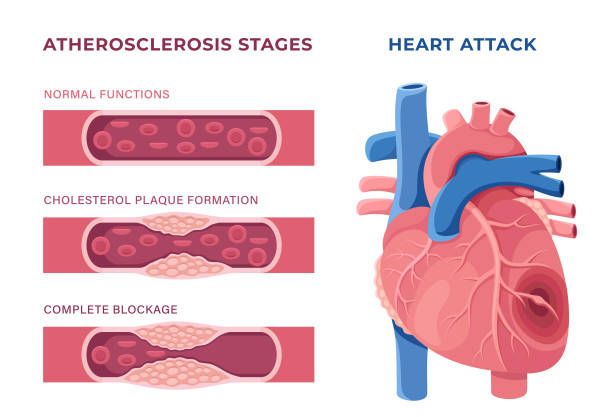
Diagram showing heart attack as blocked artery vs cardiac arrest as electrical failure"
  • What Happens: A blocked pipe! One or more coronary arteries supplying blood to the heart muscle itself become obstructed, usually by a blood clot forming on top of a cholesterol plaque. This blockage cuts off oxygen-rich blood to a section of the heart muscle.
  • Analogy: A clogged pipe preventing water from reaching a specific room. That room (heart muscle) starts to suffer damage.
  • The Heart: Usually still beating. The problem is blood flow to the heart muscle.
  • Symptoms (Often Gradual, Can Last Hours/Days):
    • Chest pain, pressure, tightness, or squeezing (like an elephant sitting on your chest)
    • Pain radiating to arm(s), neck, jaw, shoulder, or back
    • Shortness of breath
    • Cold sweat
    • Nausea/vomiting
    • Lightheadedness
    • Unusual fatigue
    • (Important Note: Symptoms can be subtle, especially in women and diabetics โ€“ don’t ignore unusual feelings!)
  • Outcome Without Treatment: The affected heart muscle begins to die. This damage can weaken the heart, lead to heart failure, or trigger a cardiac arrest.
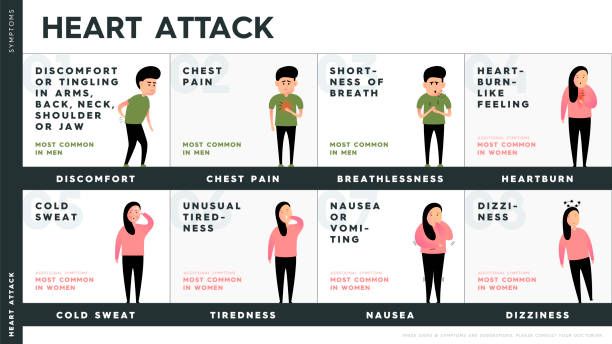
"Infographic comparing symptoms of heart attack and cardiac arrest"

2. Cardiac Arrest: An Electrical Problem

  • What Happens: A sudden power outage! The heart’s electrical system malfunctions, causing the heart to beat chaotically (ventricular fibrillation) or stop beating altogether (asystole). This halts effective pumping. Blood stops flowing to the brain, lungs, and other vital organs.
  • Analogy: The house’s electrical system shorts out, plunging everything into darkness and stopping all function instantly.
  • The Heart: Stops beating effectively or stops completely. No pulse. No blood flow.
  • Symptoms (Sudden and Dramatic):
    • Sudden collapse
    • Loss of consciousness/unresponsiveness
    • No normal breathing (may have gasping agonal breaths)
    • No pulse
  • Outcome Without Immediate Treatment: Death within minutes. Brain damage starts after just 4-6 minutes without blood flow.
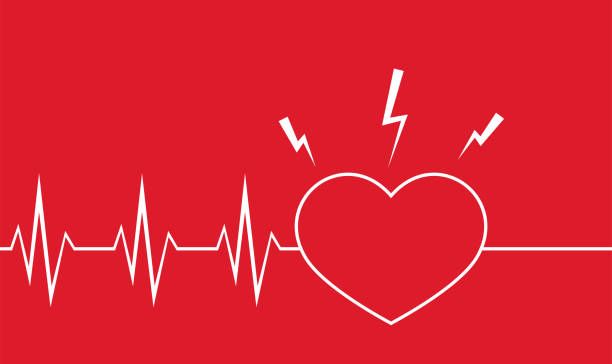
Diagram showing heart attack as blocked artery vs cardiac arrest as electrical failure"

The Critical Link: How One Can Lead to the Other

  • A severe heart attack can cause an electrical disturbance that triggers cardiac arrest.
  • Other conditions like severe arrhythmias, electrocution, drowning, trauma, or respiratory failure can also cause cardiac arrest without a preceding heart attack.

Why This Difference Matters in Muscat (and Everywhere Else)

1. Recognition:

Knowing the symptoms helps you identify the problem faster. Chest pain demands urgent medical attention before it might turn into arrest. Unresponsiveness and no breathing is cardiac arrest now.

2. Response:

  • Heart Attack: Call Emergency Services Immediately (999 in Oman). Every minute of delay means more heart muscle damage. Chew aspirin (if not allergic) as advised while waiting for help. Do NOT drive yourself.
  • Cardiac Arrest:This is an absolute emergency requiring instant action:
    • Shout for Help & Dial 999.
    • Start CPR (Cardiopulmonary Resuscitation) IMMEDIATELY: Push hard and fast (at least 5-6 cm deep, 100-120 beats per minute) in the center of the chest. Don’t stop until help arrives or an AED is ready.
    • Use an AED (Automated External Defibrillator) if available: Turn it on and follow the voice prompts. These devices can shock the heart back into a normal rhythm and are increasingly available in public places in Muscat. CPR + AED use within the first few minutes is the ONLY chance for survival.
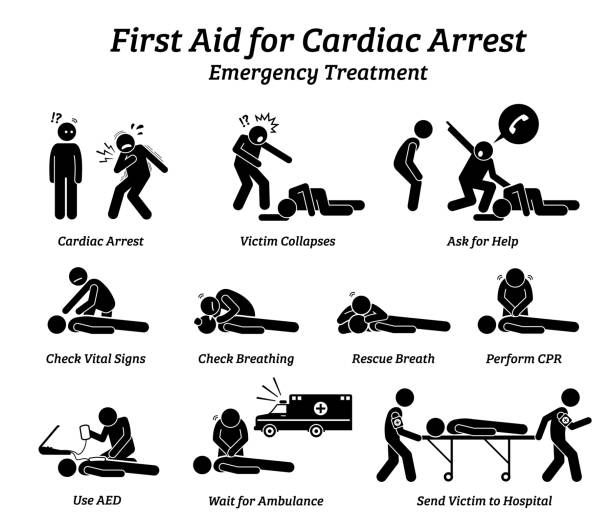
"Bystander using CPR and AED during cardiac arrest in Muscat public setting"

Prevention: Your Best Defense

While not always preventable, managing risk factors significantly lowers your chances:

  • Control Blood Pressure & Cholesterol
  • Manage Diabetes
  • Quit Smoking/Vaping
  • Maintain a Healthy Weight
  • Exercise Regularly
  • Eat a Heart-Healthy Diet (Mediterranean style is excellent)
  • Manage Stress
  • Attend Regular Health Check-ups
Preventive health for heart attack and cardiac arrest: diet, exercise, regular checkups"

The Bottom Line from the Muscat ER:

A heart attack is a circulation problem โ€“ blood flow to the heart is blocked. The person is usually conscious and experiencing symptoms. Call 999 immediately.

Cardiac arrest is an electrical problem โ€“ the heart stops beating effectively. The person is unconscious, not breathing normally, and has no pulse. This requires immediate CPR and an AED. Call 999 and START COMPRESSIONS NOW.

Understanding this difference empowers you to act swiftly and correctly. Share this knowledge. Encourage CPR training โ€“ it’s a lifesaving skill anyone can learn. Your actions in those critical first minutes before help arrives here in Muscat can make all the difference.

๐Ÿ‘ Found this helpful? Show some love & follow us on Instagram @doctortravellog for expert tips & fresh updates!

๐Ÿ’ฌ Got thoughts or questions? React below or drop a quick comment โ€” no login needed!

โค๏ธ ๐Ÿ˜ฎ ๐Ÿค” ๐Ÿ‘ ๐Ÿ‘Ž

Medical Tourism in the Middle East: Healing Journeys or Hidden Headaches?

Forget sterile waiting rooms and astronomical bills. Imagine recovering from knee surgery overlooking the turquoise Persian Gulf, or exploring ancient souks between dental check-ups. This is the evolving reality of medical tourism in the Middle East โ€“ a region rapidly transforming into a global healthcare destination. But is this surge a genuine boon for patients and economies, or does it mask potential burdens? Letโ€™s unpack the scalpel-sharp truth.

Luxury recovery suite in a Middle East hospital overlooking the sea

The Allure: Why Patients are Flocking East

The Middle East isn’t just about oil riches anymore; it’s investing heavily in “healthcare cities” and world-class facilities. Countries like the UAE, Saudi Arabia, Jordan, Turkey, and Iran are leading the charge, offering compelling advantages:

  1. Cutting-Edge Technology & Expertise: State-of-the-art hospitals (often branches of renowned names like Cleveland Clinic, Johns Hopkins Medicine International in Abu Dhabi) boast the latest robotic surgery systems, advanced imaging, and specialized centers for oncology, cardiology, orthopedics, and fertility. Many doctors are Western-trained, bringing international expertise.
  2. Cost Savings (Significant for Some): Compared to the US, UK, or even parts of Europe, complex procedures like cardiac surgery, joint replacements, or advanced dental work can cost 30-70% less, even factoring in travel and accommodation. This makes life-changing treatments accessible.
  3. Luxury & Hospitality: The Middle East excels at high-end service. Many medical tourism packages include 5-star recovery suites, private nurses, concierge services arranging airport transfers and leisure activities. Recovery feels more like a resort vacation.
  4. Reduced Wait Times: Escaping lengthy waiting lists for elective surgeries in public healthcare systems (common in Canada, UK, parts of Europe) is a major driver. Patients can often schedule procedures within weeks.
  5. Cultural & Religious Familiarity: For patients from the wider Muslim world and diaspora, the Middle East offers an environment sensitive to cultural norms, dietary requirements (halal food), prayer facilities, and often, staff speaking their native language. This provides significant comfort during a vulnerable time.
State-of-the-art robotic surgery equipment in a Middle Eastern hospital

Meet Aisha: A Jordanian-American woman facing a year-long wait for a crucial hip replacement in the US. Drawn by familiarity, renowned surgeons, and a cost saving of nearly 50% including a luxury recovery stay, she chose a top hospital in Dubai.

“It wasn’t just the surgery,” she shared, “it was being understood, cared for culturally, and recovering somewhere peaceful. It felt like healing on my terms.”

Middle Eastern woman recovering after successful surgery in a modern facility

The Thorny Side: Potential Burdens to Consider

Despite the shiny allure, medical tourism isn’t without its complexities and risks. Potential burdens lurk beneath the surface:

  1. Quality & Regulation Variability: While flagship hospitals are exceptional, quality and regulation standards vary significantly across the region and even within countries. Thorough research is non-negotiable. Not every “international” hospital meets the same rigorous standards.
  2. The Follow-Up Care Conundrum: What happens when you fly home? Coordinating post-operative care with your home doctor can be challenging. Complications arising weeks later become your local healthcare system’s responsibility, potentially causing friction or gaps in care continuity.
  3. Hidden Costs & Logistical Hurdles: Travel expenses (flights, visas, extended stays for recovery), unexpected complications requiring longer hospitalization, or the need for a companion’s travel can quickly erode initial cost savings. Navigating foreign bureaucracies and healthcare systems adds stress.
  4. Ethical Concerns & Transparency: Issues like organ transplant tourism (with its dark underbelly of trafficking and exploitation, though heavily cracked down upon), lack of price transparency in some facilities, and potential language barriers in informed consent processes raise ethical red flags that demand vigilance.
  5. Impact on Local Populations: Critics argue a focus on lucrative medical tourism could divert resources and top talent away from public healthcare systems, potentially exacerbating inequalities for local citizens needing care. Is the local infrastructure truly benefiting?
  6. Medical-Legal Recourse: Seeking legal recourse for malpractice in a foreign country is often complex, expensive, and faces significant jurisdictional hurdles. Patients may have far less protection than in their home countries.
Doctor in Middle East discussing post-operative care with international patient

Dr. Hassan, a leading orthopedic surgeon in Riyadh, acknowledges the challenges: “We offer world-class care, but patient selection and education are paramount. We insist on comprehensive pre-travel consultations and clear, signed agreements regarding follow-up plans with their home physicians. Transparency is key to avoiding burdens.”

Boon or Burden? The Verdict is Nuanced

Labeling Middle Eastern medical tourism solely a “boon” or “burden” is overly simplistic. It’s both, simultaneously. Its success as a boon hinges entirely on:

  1. Informed Decisions: Patients must meticulously research facilities (look for JCI accreditation – Joint Commission International – as a baseline), surgeons, costs, and understand all risks. DoctorTravelLog recommends verified platforms and direct consultations.
  2. Robust Planning: Seamless coordination between the overseas hospital, the patient, and their home healthcare provider before, during, and after treatment is critical.
  3. Choosing Reputable Providers: Opting for established hospitals with transparent practices and international partnerships significantly mitigates risks.
  4. Realistic Expectations: Understanding that while cost savings are possible, luxury packages add expense, and unforeseen complications can occur.

For the Middle East, it’s a powerful economic boon, driving investment, creating jobs, and diversifying economies beyond oil. For the right patient โ€“ well-informed, choosing accredited facilities, with a solid follow-up plan โ€“ it can be a life-enhancing, even life-saving, boon offering quality care, cultural comfort, and significant value.

For the unprepared patient or one chasing only the lowest price without due diligence, the risks can quickly transform the journey into a significant burden.

The Future: Towards Sustainable Healing

The trajectory points towards growth. Countries like Saudi Arabia (Vision 2030) and the UAE are pouring billions into healthcare infrastructure and digital health records to facilitate seamless international patient care. The focus must be on sustainable, ethical, and patient-centered development โ€“ ensuring quality is universal, regulations are stringent and enforced, benefits extend to local populations, and patients are empowered with knowledge.

Planning medical tourism journey with a globe, passport, and stethoscope

Your Healing Journey?

Is the Middle East calling you for healthcare? The potential for a positive, transformative experience is real. But approach it with the same diligence you would any major medical decision. Research relentlessly, ask tough questions, prioritize accredited providers, plan your aftercare meticulously, and understand both the gleaming promise and the potential pitfalls.

Considering medical tourism in the Middle East? Share your thoughts, questions, or experiences in the comments below! Stay tuned to DoctorTravelLog for in-depth country guides, hospital reviews, and expert interviews to navigate your healthcare journey abroad safely and successfully.

Dr. Mohammad Rizwan Feroz

๐Ÿ‘ Found this helpful? Show some love & follow us on Instagram @doctortravellog for expert tips & fresh updates!

๐Ÿ’ฌ Got thoughts or questions? React below or drop a quick comment โ€” no login needed!

โค๏ธ ๐Ÿ˜ฎ ๐Ÿค” ๐Ÿ‘ ๐Ÿ‘Ž

Desert Survivor Medicine: What Tourists Don’t Know Can Kill Them (And How to Stay Safe)

The stark beauty of the desert calls to adventurers, but its unforgiving environment hides dangers most tourists never consider. Understanding essential desert survival medicine isn’t about dramatic Hollywood tropes; it’s about recognizing subtle, life-threatening tourist health risks that escalate with alarming speed. Ignorance of heat illness prevention, dehydration symptoms, and wilderness first aid fundamentals transforms a dream trip into a lethal crisis. What you don’t know about surviving extreme heat, finding water, and treating common desert injuries truly can kill you. This guide, from a medical perspective, reveals the critical gaps in tourist knowledge and the practical survival medicine steps that save lives.

Beyond the Canteen: The Silent Killers Most Tourists Miss

A dehydrated tourist slumped in the desert, showing visible signs of heat exhaustion and fatigue

  1. Heatstroke: Not Just “Feeling Hot” – Cellular Shutdown: Tourists often mistake exhaustion (dizziness, nausea, heavy sweating) for just being overheated. Heatstroke, the true killer, is a medical emergency where the body’s core temperature soars past 104ยฐF (40ยฐC), causing cellular breakdown.
    • Critical ignorance: Sweating often stops in heatstroke as the body fails. Hot, dry, flushed skin with confusion, seizures, or loss of consciousness means imminent organ failure and death.
    • Survivor Medicine: Prevention is absolute. Hike in coolest hours, wear loose, light-colored clothing covering skin, soak clothes/hat in water. If heatstroke strikes: Immediate, aggressive cooling is the ONLY priority. Get to shade, strip unnecessary clothing, drench with any available water (cool, not ice-cold), fan vigorously. EVACUATE IMMEDIATELY. Every minute counts. Forget “toughing it out” โ€“ delay is fatal.
  2. Hyponatremia: When Drinking Water Becomes Poisonous: Everyone knows “drink water,” but few tourists understand hyponatremia โ€“ critically low blood sodium from drinking too much plain water without replacing electrolytes lost in sweat.
    • Critical ignorance: Symptoms mimic dehydration (headache, nausea, fatigue), leading tourists to drink more water, worsening the crisis. Confusion, seizures, coma, and death follow.
    • Survivor Medicine: Balance is key. Drink steadily (sip, don’t gulp), especially during exertion. Include electrolyte sources: pre-mixed solutions, salty snacks (nuts, pretzels), or even small amounts of broth if available. If severe symptoms develop, stop drinking plain water, consume salty foods if conscious, and seek help. Recognize the paradox: clear urine and worsening symptoms after heavy water intake signals hyponatremia.
  3. Dehydration: The Slow, Insidious Thief of Judgment: Dehydration creeps in long before intense thirst hits. 
    • Critical ignorance: By the time you feel very thirsty, you’re already significantly dehydrated, impairing critical thinking and physical ability โ€“ exactly when you need them most to survive. Dark urine, fatigue, headache, and irritability are early warnings tourists often ignore.
    • Survivor Medicine: Pre-hydrate before activity. Sip constantly (set a timer if needed), aiming for pale yellow urine. Monitor your group โ€“ dehydration makes people irrational and less likely to self-care. Eat water-rich foods (fruits, veggies). Rationing water too aggressively early on is dangerous; drink steadily before a crisis.

Beyond Heat & Thirst: Other Overlooked Threats

  1. Venomous Critters: Know Your Enemy (and First Aid Myths): Tourists fear snakes, but scorpions and spiders (like recluses) are common.
    • Critical ignorance: Most “field extraction” kits (suction devices, cutting) are ineffective and dangerous. Applying ice or tourniquets worsens tissue damage from many venoms.
    • Survivor Medicine: Prevention: Shake out boots, bedding; watch where you step/place hands. If bitten/stung: Stay calm (panic increases venom spread). Immobilize the limb at heart level. Remove constrictive items (rings, watches). Wash gently with soap/water. Identify the creature ONLY if safe. EVACUATE โ€“ antivenom is often the only effective treatment. Forget cutting, sucking, or ice.
  2. Environmental Injuries: Sand, Sun, and Sharp Things: Blistering feet can immobilize. Deep sand cuts easily become infected. Intense UV radiation causes rapid sunburn and eye damage (snow blindness can happen on sand!).
    • Critical ignorance: Underestimating the speed and severity of sunburn/infection in the dry, dusty environment. Not protecting eyes.
    • Survivor Medicine: Meticulous foot care (proper boots, moisture-wicking socks, treat blisters early). Clean all wounds immediately with purified water, apply antibiotic ointment, cover. High-SPF broad-spectrum sunscreen reapplied constantly, wide-brimmed hat, UV-blocking sunglasses always.
  3. Getting Lost: The Mental Game: Panic is the enemy.
    • Critical ignorance: Not telling someone your route/return time. Rushing blindly when lost, expending energy and water.
    • Survivor Medicine: STOP (Stop, Think, Observe, Plan). Conserve energy and water. Signal for help (mirror, bright clothing, smoke if safe). Stay put if you told someone your plan. Night travel is cooler but riskier for injury.

The DoctorTravelLog Top 3 Desert Survival Prescriptions:

  1. Respect the Heat Relentlessly: Plan around it, dress for it, hydrate for it. Heatstroke kills fast.
  2. Water is Life, But Balance is Key: Sip steadily, include electrolytes, recognize hyponatremia symptoms. Your urine color is your dashboard gauge.
  3. Prepare for the Worst, Hope for the Best: Carry a desert-specific first aid kit (emphasis on wound care, electrolytes, burn gel), signaling devices (mirror, whistle), extra water, navigation tools, and tell someone your plans.

The desert’s majesty demands profound respect. Understanding these hidden medical dangers and the core principles of desert survivor medicine isn’t about fear; it’s about empowerment. Equip yourself with this knowledge, prioritize prevention, and you transform potential lethal threats into manageable challenges, ensuring your desert adventure is remembered for its awe-inspiring beauty, not its peril.

A well-organized desert survival kit with water, electrolyte packs, a compass, and first-aid supplies laid out on sand

Disclaimer: This article provides general information for educational purposes only and does not constitute medical advice. Always consult with a healthcare professional or wilderness medicine expert before traveling to remote or extreme environments. Proper training (like wilderness first aid courses) is highly recommended.

Sources for Verification (Ensure Originality):

  • Wilderness Medical Society Clinical Practice Guidelines (Heat Illness, Hyponatremia)
  • Centers for Disease Control and Prevention (CDC) – Travelers’ Health: Arid Environments
  • National Park Service – Desert Safety Information
  • American Hiking Society – Desert Hiking Tips
  • Peer-reviewed journals: Wilderness & Environmental Medicine, Travel Medicine and Infectious Disease

Dr. Mohammad Rizwan Feroz

๐Ÿ‘ Found this helpful? Show some love & follow us on Instagram @doctortravellog for expert tips & fresh updates!

๐Ÿ’ฌ Got thoughts or questions? React below or drop a quick comment โ€” no login needed!

โค๏ธ ๐Ÿ˜ฎ ๐Ÿค” ๐Ÿ‘ ๐Ÿ‘Ž