Heart Attack vs. Cardiac Arrest

An ER Doctor in Muscat Explains the Critical Difference

As an emergency physician working in Muscat, I see firsthand the confusion surrounding the terms “heart attack” and “cardiac arrest.” Often used interchangeably, they describe two distinct, though sometimes related, life-threatening events. Understanding this difference isn’t just medical jargon – it can be the difference between life and death. Knowing what to look for and how to react is crucial.

ER doctor in Muscat explaining heart attack vs cardiac arrest in a hospital setting

The Core Difference: Plumbing vs. Electricity

Think of your heart as a house:

1. Heart Attack (Myocardial Infarction): A Plumbing Problem
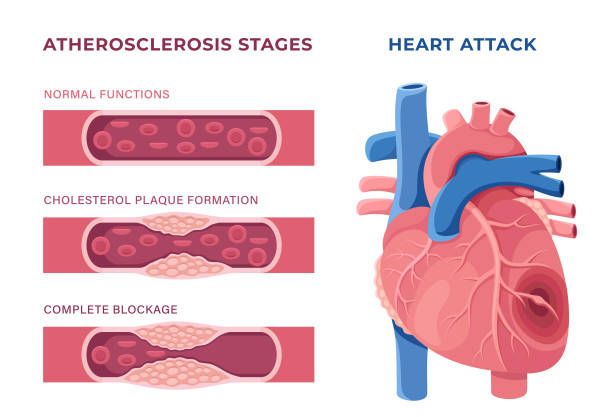
Diagram showing heart attack as blocked artery vs cardiac arrest as electrical failure"
  • What Happens: A blocked pipe! One or more coronary arteries supplying blood to the heart muscle itself become obstructed, usually by a blood clot forming on top of a cholesterol plaque. This blockage cuts off oxygen-rich blood to a section of the heart muscle.
  • Analogy: A clogged pipe preventing water from reaching a specific room. That room (heart muscle) starts to suffer damage.
  • The Heart: Usually still beating. The problem is blood flow to the heart muscle.
  • Symptoms (Often Gradual, Can Last Hours/Days):
    • Chest pain, pressure, tightness, or squeezing (like an elephant sitting on your chest)
    • Pain radiating to arm(s), neck, jaw, shoulder, or back
    • Shortness of breath
    • Cold sweat
    • Nausea/vomiting
    • Lightheadedness
    • Unusual fatigue
    • (Important Note: Symptoms can be subtle, especially in women and diabetics – don’t ignore unusual feelings!)
  • Outcome Without Treatment: The affected heart muscle begins to die. This damage can weaken the heart, lead to heart failure, or trigger a cardiac arrest.
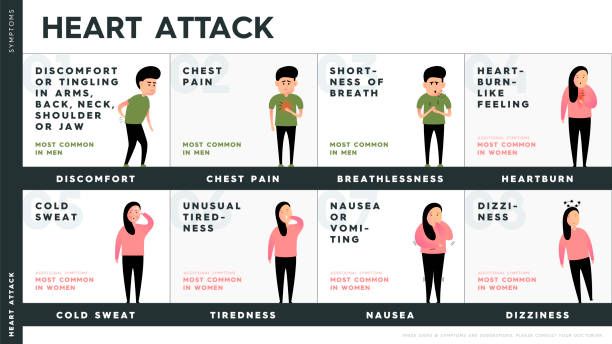
"Infographic comparing symptoms of heart attack and cardiac arrest"

2. Cardiac Arrest: An Electrical Problem

  • What Happens: A sudden power outage! The heart’s electrical system malfunctions, causing the heart to beat chaotically (ventricular fibrillation) or stop beating altogether (asystole). This halts effective pumping. Blood stops flowing to the brain, lungs, and other vital organs.
  • Analogy: The house’s electrical system shorts out, plunging everything into darkness and stopping all function instantly.
  • The Heart: Stops beating effectively or stops completely. No pulse. No blood flow.
  • Symptoms (Sudden and Dramatic):
    • Sudden collapse
    • Loss of consciousness/unresponsiveness
    • No normal breathing (may have gasping agonal breaths)
    • No pulse
  • Outcome Without Immediate Treatment: Death within minutes. Brain damage starts after just 4-6 minutes without blood flow.
Diagram showing heart attack as blocked artery vs cardiac arrest as electrical failure"

The Critical Link: How One Can Lead to the Other

  • A severe heart attack can cause an electrical disturbance that triggers cardiac arrest.
  • Other conditions like severe arrhythmias, electrocution, drowning, trauma, or respiratory failure can also cause cardiac arrest without a preceding heart attack.

Why This Difference Matters in Muscat (and Everywhere Else)

1. Recognition:

Knowing the symptoms helps you identify the problem faster. Chest pain demands urgent medical attention before it might turn into arrest. Unresponsiveness and no breathing is cardiac arrest now.

2. Response:

  • Heart Attack: Call Emergency Services Immediately (999 in Oman). Every minute of delay means more heart muscle damage. Chew aspirin (if not allergic) as advised while waiting for help. Do NOT drive yourself.
  • Cardiac Arrest:This is an absolute emergency requiring instant action:
    • Shout for Help & Dial 999.
    • Start CPR (Cardiopulmonary Resuscitation) IMMEDIATELY: Push hard and fast (at least 5-6 cm deep, 100-120 beats per minute) in the center of the chest. Don’t stop until help arrives or an AED is ready.
    • Use an AED (Automated External Defibrillator) if available: Turn it on and follow the voice prompts. These devices can shock the heart back into a normal rhythm and are increasingly available in public places in Muscat. CPR + AED use within the first few minutes is the ONLY chance for survival.
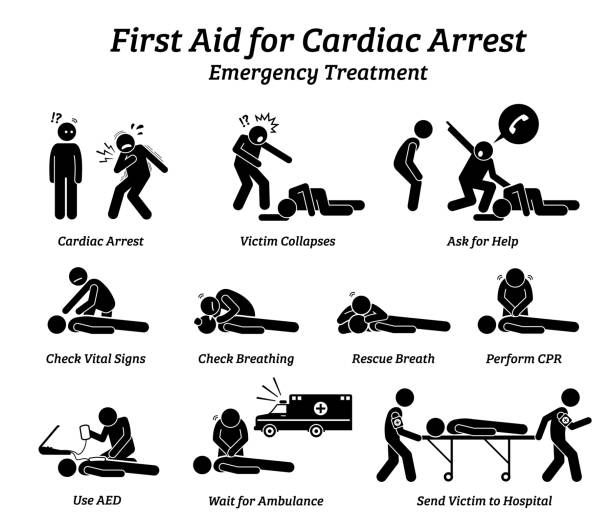
"Bystander using CPR and AED during cardiac arrest in Muscat public setting"

Prevention: Your Best Defense

While not always preventable, managing risk factors significantly lowers your chances:

  • Control Blood Pressure & Cholesterol
  • Manage Diabetes
  • Quit Smoking/Vaping
  • Maintain a Healthy Weight
  • Exercise Regularly
  • Eat a Heart-Healthy Diet (Mediterranean style is excellent)
  • Manage Stress
  • Attend Regular Health Check-ups
Preventive health for heart attack and cardiac arrest: diet, exercise, regular checkups"

The Bottom Line from the Muscat ER:

A heart attack is a circulation problem – blood flow to the heart is blocked. The person is usually conscious and experiencing symptoms. Call 999 immediately.

Cardiac arrest is an electrical problem – the heart stops beating effectively. The person is unconscious, not breathing normally, and has no pulse. This requires immediate CPR and an AED. Call 999 and START COMPRESSIONS NOW.

Understanding this difference empowers you to act swiftly and correctly. Share this knowledge. Encourage CPR training – it’s a lifesaving skill anyone can learn. Your actions in those critical first minutes before help arrives here in Muscat can make all the difference.

👍 Found this helpful? Show some love & follow us on Instagram @doctortravellog for expert tips & fresh updates!

💬 Got thoughts or questions? React below or drop a quick comment — no login needed!

❤️ 😮 🤔 👍 👎

Smart Travel Health Kit 2025: Your Tech-Enhanced Prescription for Safer Journeys

Gone are the days of simply tossing bandages and aspirin into a zip-lock bag. In 2025, the savvy traveler understands that a truly “smart” health kit leverages technology and personalized planning to proactively manage well-being on the road.

Essential travel first-aid kit with prescription medications and bandages neatly organized

At DoctorTravelLog, we believe staying healthy abroad requires foresight and innovation. Here’s how to assemble your cutting-edge Smart Travel Health Kit for 2025:


Beyond Basics: The Non-Negotiable Core (Enhanced for 2025)

Modern travel health kit with smart gadgets, bandages, and digital health devices

While tech is exciting, the foundation remains critical. Ensure your kit includes:

  1. Prescription Powerhouse:
    • Medications: Ample supply of all regular prescriptions (plus copies of prescriptions/doctor’s notes on letterhead). Consider time-zone changes for dosing schedules.
    • Travel-Specific Meds: Updated 2025 recommendations for destination-specific malaria prophylaxis, altitude sickness meds (like acetazolamide), or antibiotics for traveler’s diarrhea (e.g., azithromycin – prescribed by your doctor).
    • Digital Proof: Scan prescriptions and store them securely in your phone’s health app or encrypted cloud storage.
  2. Wound Care & Infection Control 2.0:
    • Antibiotic ointment packets (single-use reduce waste).
    • Variety of bandages, sterile gauze pads, adhesive tape, and butterfly closures.
    • Antiseptic wipes (alcohol-free options for sensitive skin).
    • Compact UV Sanitizer: Pen-sized UV-C lights for sanitizing surfaces, utensils, or small items on the go.
  3. Symptom Management Essentials:
    • Pain/fever reducer (Acetaminophen, Ibuprofen).
    • Antihistamines (for allergies – non-drowsy & drowsy versions).
    • Decongestant.
    • Anti-nausea medication.
    • Anti-diarrheal medication (e.g., Loperamide).
    • Electrolyte rehydration powder/salts (crucial for hot climates or GI issues).
  4. Protection & Prevention:
    • High-SPF, broad-spectrum sunscreen (reef-safe if applicable).
    • Effective insect repellent (containing DEET 20-30%, Picaridin, or IR3535 – check destination-specific recommendations for 2025).
    • Basic first-aid manual (digital or physical).

The “Smart” Tech Integrations for 2025

This is where your kit becomes truly intelligent and forward-thinking:

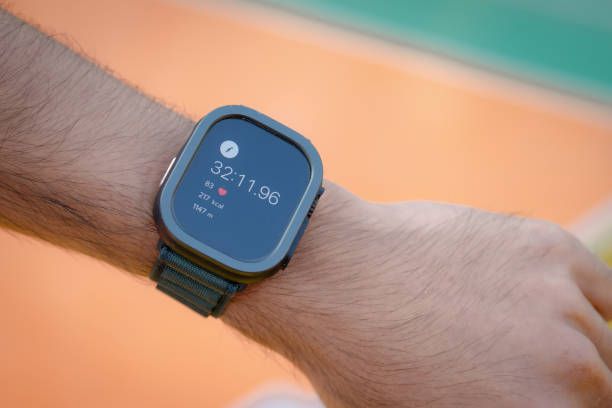
Smartwatch displaying health vitals and digital health monitoring apps for travelers

  1. Digital Health Vault:

    Store encrypted copies of crucial documents on your phone and a secure cloud service:

  2. Telehealth Access:
    • Pre-trip: Schedule a virtual consultation with a travel medicine specialist (essential for 2025, given evolving disease risks).
    • On-trip: Ensure you know how to access your insurance’s telehealth service or have a subscription to a reputable global telehealth provider. A small, portable phone tripod can be invaluable for virtual exams.
  3. Smart Monitoring Devices:
    • Compact Pulse Oximeter: Crucial for altitude travel or respiratory concerns. Many connect to phone apps for tracking.
    • Digital Thermometer: Fast, accurate readings (non-contact models are popular).
    • Portable ECG Monitor (Consider): For travelers with known heart conditions (discuss necessity with your doctor). Single-lead devices like KardiaMobile can provide peace of mind.
    • Continuous Glucose Monitor (CGM) Integration: Diabetic travelers should leverage CGM data synced to their phone apps for real-time monitoring and alerts.
  4. Biometric Tracking (Wearables):
    • Integrate data from your smartwatch (heart rate, sleep quality, activity levels, SpO2) to get an early warning of potential illness (elevated resting heart rate, poor sleep) or overexertion.
  5. AI-Powered Health Assistants:
    • Utilize reputable health apps with AI symptom checkers (like Ada or Babylon) for initial guidance, always followed by professional consultation if symptoms persist. Translation features within these apps can also be helpful abroad.

  6. Smart Medication Management:
    • Use medication reminder apps with customizable alarms accounting for time zone shifts.
    • Consider smart pill dispensers (for complex regimens) or simple timer caps that show the last time a bottle was opened.
  7. Portable Power & Connectivity:
    • A high-capacity, compact power bank is non-negotiable to keep your digital health tools operational.
    • Consider a global SIM card or robust eSIM plan for reliable, affordable data access anywhere – essential for telehealth and accessing health information.

2025 Special Considerations:

  • Climate Resilience: Factor in extreme weather. Add cooling towels, electrolyte tabs, and potentially compact water purification tablets/straws if traveling to areas with questionable water security.
  • Mental Wellness: Include resources like meditation app subscriptions or contact info for telehealth therapists. Jet lag management tools (like Timeshifter) are increasingly valuable.
  • Supply Chain Savvy: Order prescription refills and specialized items well in advance due to potential global supply fluctuations.
  • TSA & Customs Ready: Keep medications in original, clearly labeled containers. Pack liquids/gels compliantly. Have documentation readily accessible for any medical devices.
Jet lag management app, portable water purifier, and heat care travel gear for climate resilience

Assembling Your Smart Kit:

  1. Consult Your Travel Medicine Pro: This is step zero. Get personalized advice based on your health, itinerary, and activities for 2025.
  2. Choose the Right Bag: Durable, water-resistant, and well-organized (clear compartments help). Consider TSA-friendly designs.
  3. Organize Digitally: Set up your digital health vault and essential apps before you travel. Ensure offline access where possible.
  4. Test Your Tech: Charge and test all devices. Know how they work and connect to your phone.
  5. Know Your Insurance: Understand exactly what your travel health insurance covers and how to activate it in an emergency.
Essential travel first-aid kit with prescription medications and bandages neatly organized

The DoctorTravelLog Prescription:

The 2025 Smart Travel Health Kit isn’t just about what you pack; it’s about seamlessly integrating technology, information, and preparation. By combining the timeless essentials with intelligent digital tools and proactive planning, you empower yourself to handle minor issues confidently and access critical help swiftly for more serious situations. Invest in your health tech before your trip – it’s the smartest travel insurance you can have.

Modern travel health kit with smart gadgets, bandages, and digital health devices

Disclaimer: This article provides general guidance. Always consult with your personal physician or a travel medicine specialist for personalized medical advice before any trip. The specific contents of your kit must be tailored to your individual health needs and destination.

Dr. Mohammad Rizwan Feroz

New COVID-19 Variant Emerges in 2025: Essential Traveler Guidance

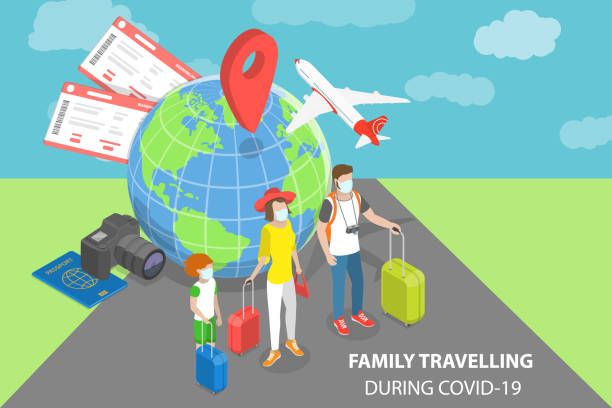
As we navigate 2025, a new COVID-19 variant (currently designated JN.1.XX by global health authorities) has emerged, prompting understandable questions for travelers. While vigilance is key, panic isn’t necessary. Here’s what you need to know to travel smartly and safely:

1. What We Know About the JN.1.XX Variant

  • Origin & Spread: Descended from the Omicron lineage (like the previous JN.1 variant), JN.1.XX demonstrates increased transmissibility. It’s rapidly becoming dominant in multiple regions.
    (World Health Organization (WHO) – Tracking Variants)
  • Symptoms: Reports suggest symptoms remain similar to recent Omicron variants: primarily upper respiratory (runny nose, sore throat, cough, fatigue, headache). Loss of taste/smell is less common. Severity appears generally mild-to-moderate for most vaccinated individuals, but can vary.
  • Vaccine/Efficacy: Current evidence indicates updated 2024-2025 COVID-19 vaccines continue to provide significant protection against severe disease, hospitalization, and death from JN.1.XX. Protection against infection may wane over time.
    (CDC – Stay Up to Date with COVID-19 Vaccines)

2. Current Travel Restrictions & Requirements (June 2025)

The landscape is fluid! Rules vary significantly by country and can change rapidly:

  • Testing: Some destinations may reinstate pre-departure or arrival testing requirements, particularly for unvaccinated travelers. Always check before you book and immediately before travel.
    (Kayak Travel Restrictions Map)
  • Vaccination Proof: While many countries lifted mandates, some may require proof of vaccination (especially the latest booster) or recovery for entry. Carry digital/physical copies.
  • Quarantine: Targeted quarantine rules may apply for symptomatic arrivals or those testing positive. Know your destination’s policy.
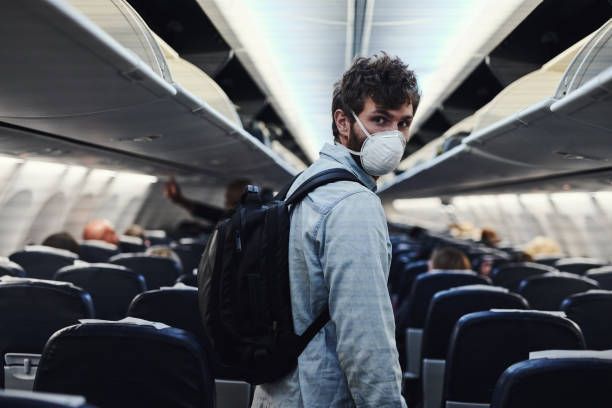
  • Mask Mandates: Airline and airport policies vary. Some countries or specific settings (hospitals, public transport) might still require masks. Pack high-quality masks (N95/KN95/KF94).

3. Essential Precautions for Travelers

  • Get Boosted: The single most important step. Ensure you’ve received the latest 2024-2025 COVID-19 booster designed to target recent variants. Allow 2 weeks for full effect before travel.
    (Find Vaccines – Vaccines.gov)
  • Pack a Travel Health Kit: Include high-quality masks, rapid antigen tests, hand sanitizer (>60% alcohol), and basic fever/pain relievers.
  • Consider Travel Insurance: Choose a policy covering COVID-19-related medical expenses and trip interruptions/cancellations. Read the fine print carefully.
  • Test Strategically: Test yourself before meeting vulnerable individuals or joining group tours. Test if you develop symptoms during travel.
  • Prioritize Air Quality & Hygiene: Choose well-ventilated spaces when possible. Maintain good hand hygiene, especially before eating/touching your face.
  • Have a Contingency Plan: Know what to do and where to go if you test positive abroad (isolate, seek medical care, contact accommodation/airline, understand local isolation rules).

4. Staying Informed is Crucial

Travel Smart, Travel Safe

The emergence of JN.1.XX is a reminder that COVID-19 remains part of our global health landscape. By staying updated on vaccinations, diligently checking travel requirements, packing smartly, and staying informed through official channels, travelers can significantly mitigate risks. Responsible travel—protecting yourself and others—remains paramount. Enjoy your adventures, but do so with awareness and preparation.

Disclaimer: This information is current as of June 2025. COVID-19 regulations and variant situations evolve rapidly. Always consult official government and health organization sources immediately before and during travel for the absolute latest requirements and guidance.

Dr. Mohammad Rizwan Feroz

Top 10 Essential Tools for Travel Medicine Practitioners

Travel medicine demands agility, up-to-date resources, and specialized tools. Whether you’re advising patients pre-trip or managing illnesses abroad, these digital and physical tools streamline care. Here’s our curated toolkit:

1. CDC Travelers’ Health – Destination Guides

  • Function: Country-specific vaccine/medication recommendations, outbreak alerts.
  • Integration: Link directly to CDC pages for each destination. CDC Thailand Guide

2. WHO Vaccine Requirements Map

  • Function: Legally mandated vaccines (e.g., YF) by country.
  • Integration: Embed WHO’s interactive map using their iframe code

3. GeoSentinel Surveillance Network

  • Function: Real-time global disease outbreak alerts.
  • Integration: Link to GeoSentinel (registration required for full access)

4. Travel Health Pro (UK NaTHNaC)

  • Function: UK-based clinical guidelines, malaria prophylaxis.
  • Integration: Direct link to country advice pages

5. Epocrates or UpToDate Mobile

  • Function: Drug interactions, dosing, disease management.
  • Integration: App download links (ensure affiliate disclosures if applicable)

6. Aura: Travel Health App

  • Function: Patient-facing app for storing vaccine records/clinic locators.
  • Integration: Co-branded partnership or referral link

7. TropNet Surveillance Data

  • Function: Emerging tropical disease trends in travelers.
  • Integration: Link to TropNet reports

8. Portable Telemedicine Kit

  • Function: Remote consults (stethoscope, otoscope, high-res camera).
  • Integration: Affiliate links to brands like TytoCare or Butterfly iQ+

9. Travax (Shoreland)

  • Function: Automated itinerary-based recommendations (subscription).
  • Integration: Offer a free demo link or clinic sign-up page

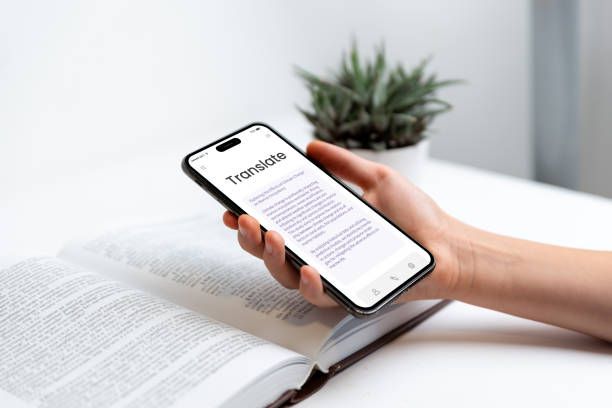
10. Google Translate + Offline Packs

  • Function: Real-time translation for patient interactions.
  • Integration: Link to Google Translate with tips for offline use

Doctor’s Toolkit Resource Section


Tool/App Function Link/Integration
CDC Travelers’ Health Destination-specific advisories Direct Link
WHO Vaccine Map Legally required vaccines by country Embed Map
GeoSentinel Global outbreak alerts Member Access
Aura Travel Health Digital vaccine records for patients Clinic Partnership

Key Legal & Strategic Tips

  • Linking Legally: Use target=”_blank” rel=”noopener noreferrer” for external links. Safe to link/embed CDC/WHO. Disclose any partnerships for commercial tools.
  • Content Integration: ✅ Summarize + deep link. ❌ Avoid embedding licensed content.
  • SEO Strategy: Use keywords like “travel vaccine tool,” “malaria prophylaxis app” etc.
  • User Experience: Add filters and offer printable PDF checklist for clinics.

Why This Works

  • Trust-Building: Uses authoritative sources
  • Utility: Solves real problems like offline access/language
  • Low-Risk: Maintains copyright compliance

Dr. Mohammad Rizwan Feroz 🩺✈️


The Unfiltered Truth: A Doctor’s Guide to Smoking Hazards and the Path to Freedom

As a physician who has witnessed the devastating toll of tobacco firsthand, both in bustling city hospitals and remote clinics during my travels, I feel compelled to share the stark medical realities of smoking. It’s not just a bad habit; it’s a complex addiction driving a cascade of biological destruction. Understanding these hazards from a medical perspective is the first crucial step towards reclaiming your health and embracing a smoke-free life – essential for anyone wanting to fully experience the vitality travel demands.

Stop smoking health awareness message

Beyond the Lungs: The Systemic Onslaught of Smoke

Cigarette smoke is a toxic cocktail of over 7,000 chemicals, including at least 70 known carcinogens. Its damage is far-reaching:

1. Cardiovascular Catastrophe:

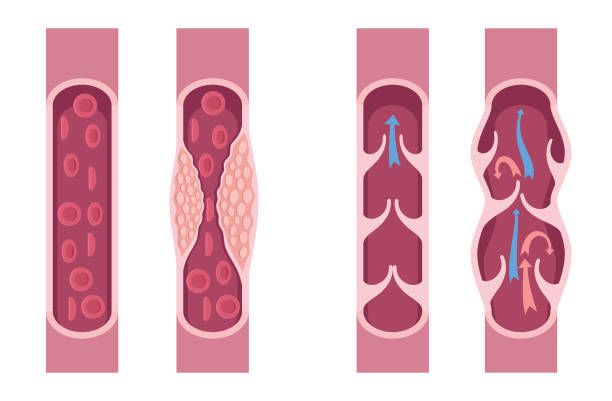
  • Atherosclerosis: Nicotine and other toxins damage the delicate endothelial lining of arteries. This allows LDL (“bad”) cholesterol to infiltrate the arterial wall, triggering inflammation and plaque buildup. This narrows arteries, restricting blood flow.
  • Hypertension: Nicotine is a potent vasoconstrictor, causing arteries to tighten, forcing the heart to work harder and raising blood pressure.
  • Increased Clotting: Smoking makes platelets stickier and increases fibrinogen levels, significantly raising the risk of dangerous blood clots.
  • Coronary Heart Disease (CHD): The leading cause of death among smokers. Plaque buildup in coronary arteries starves the heart muscle of oxygen, causing angina (chest pain) and heart attacks.
  • Stroke: Plaque in carotid arteries or clots traveling to the brain cause ischemic strokes. Smoking also increases the risk of hemorrhagic stroke (bleeding in the brain) by weakening blood vessels.
  • Peripheral Artery Disease (PAD): Reduced blood flow to limbs, causing pain (claudication), poor wound healing, infections, and potentially gangrene and amputation.

2. Respiratory Ruin:

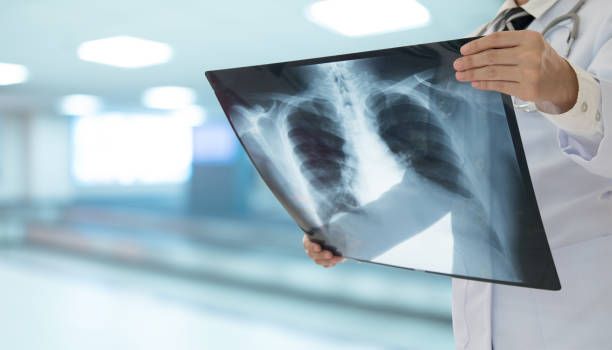
Healthy lung vs smoker's lung damage
  • Chronic Obstructive Pulmonary Disease (COPD): An umbrella term encompassing emphysema and chronic bronchitis. Smoke destroys lung elasticity (emphysema) and inflames airways, causing excessive mucus and chronic cough (bronchitis). This leads to progressive, irreversible shortness of breath – a thief of vitality.
  • Lung Cancer: The most infamous hazard. Carcinogens like benzopyrene cause DNA mutations in lung cells, leading to uncontrolled growth. Smoking is responsible for about 85% of lung cancer cases.
  • Increased Infections: Smoke paralyzes and damages the cilia (tiny hairs) that clear mucus and pathogens from the airways. This makes smokers far more susceptible to pneumonia, influenza, and tuberculosis.
  • Asthma Exacerbation: Smoke is a potent trigger for asthma attacks and worsens overall control.

3. Cancer Beyond the Lungs: Smoking is a major risk factor for cancers of the:

  • Mouth, Throat (Pharynx & Larynx)
  • Esophagus
  • Stomach
  • Pancreas
  • Liver
  • Kidney & Bladder
  • Cervix
  • Colon & Rectum
  • Acute Myeloid Leukemia (AML)

4. Reproductive and Developmental Damage:

  • Men: Reduced sperm count, increased sperm abnormalities, erectile dysfunction (due to vascular damage).
  • Women: Reduced fertility, earlier menopause, increased risk of cervical cancer. During pregnancy: increased risk of miscarriage, stillbirth, preterm birth, low birth weight, placental problems (placenta previa, abruption), and sudden infant death syndrome (SIDS).

5. Accelerated Aging & Other Impacts:

  • Skin: Premature wrinkles, sagging, yellowing due to impaired blood flow and collagen/elastin breakdown.
  • Eyes: Increased risk of cataracts and age-related macular degeneration (AMD), leading causes of blindness.
  • Bones: Increased risk of osteoporosis and fractures due to reduced bone density.
  • Immune System: Chronic inflammation and impaired immune function.
  • Diabetes: Increases insulin resistance and the risk of developing Type 2 diabetes; makes existing diabetes harder to control.
  • Oral Health: Gum disease (periodontitis), tooth loss, stained teeth, oral cancers.
Used cigarette symbolizing quitting

The Addicted Brain: Why Quitting is Tough (But Not Impossible)

Nicotine is highly addictive, acting on the brain’s reward pathways. It stimulates the release of dopamine, creating feelings of pleasure and reinforcement. Over time, the brain adapts, needing more nicotine to achieve the same effect (tolerance) and causing unpleasant withdrawal symptoms (irritability, anxiety, difficulty concentrating, cravings, restlessness) when nicotine levels drop. This powerful neurobiological cycle makes quitting challenging, but absolutely achievable with the right strategies.

Prescribing Freedom: Evidence-Based Strategies to Quit Smoking

Quitting is the single most important step a smoker can take for their health. Benefits begin within hours and continue for years. Here’s the medical roadmap:

  1. Commit to a Quit Date: Choose a date within the next 2 weeks. Mark it clearly.
  2. Tell Your Support System: Inform family, friends, and colleagues. Their support is invaluable. Consider joining a support group.
  3. Identify & Avoid Triggers: Recognize situations (morning coffee, stress, socializing) that trigger cravings and plan alternatives.
  4. Consider Evidence-Based Cessation Aids (Discuss with your Doctor FIRST):
    • Nicotine Replacement Therapy (NRT): Provides controlled nicotine without the other toxins, easing withdrawal. Options include patches (steady dose), gum, lozenges, inhalers, nasal spray (for acute cravings). Can often be combined (e.g., patch + gum).
    • Prescription Medications:
      • Varenicline (Chantix): Blocks nicotine’s effects on the brain, reduces pleasure from smoking, and eases withdrawal.
      • Bupropion (Zyban): An antidepressant that reduces nicotine cravings and withdrawal symptoms.
  5. Behavioral Therapy/Counseling: Highly effective, especially combined with medication. Teaches coping skills, stress management, and problem-solving strategies to overcome addiction. Available individually, in groups, or via phone quitlines (e.g., 1-800-QUIT-NOW in the US).
  6. Manage Withdrawal & Cravings:
    • Delay: Urges typically peak within 5–10 minutes. Distract yourself.
    • Deep Breathing: Calms the nervous system.
    • Drink Water: Helps flush toxins and keeps hands/mouth busy.
    • Physical Activity: Reduces cravings and stress.
    • Avoid “Just One”: It almost always leads back to regular smoking.
  7. Prepare for Relapse: Slips happen. Don’t see it as failure. Analyze what triggered it, learn from it, and recommit immediately. Most successful quitters have made several attempts.

The Doctor’s Verdict: Your Healthiest Journey Begins Here

The medical evidence is unequivocal: smoking is a primary driver of preventable death and disability worldwide. It ravages nearly every organ system, stealing years of life and quality of life. However, the human body possesses an incredible capacity to heal once the assault of tobacco ceases.

Quitting smoking is a profound act of self-care. It requires commitment, often support, and sometimes medical assistance, but the rewards – easier breathing, a stronger heart, more energy, a brighter future, and the freedom to travel without being tethered to an addiction – are immeasurable. You don’t have to walk this path alone. Consult your doctor today. Together, you can develop a personalized quit plan tailored to your needs and embark on your most important journey yet: the journey to a smoke-free, healthier life.

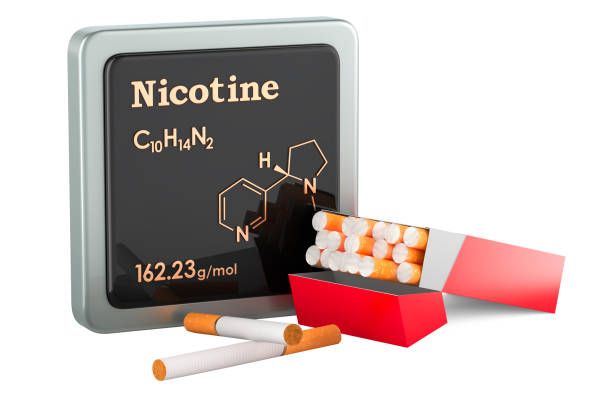
Nicotine molecule chemistry diagram

Disclaimer:

This article provides general medical information and does not replace personalized advice from a qualified healthcare professional. Always consult your physician before starting any cessation program or medication.

Dr. Mohammad Rizwan Feroz

Hajj Health Essentials: Mandatory Precautions, Tests, Vaccines & Insurance

Preparing Spiritually and Physically for the Journey of a Lifetime

Undertaking Hajj is a profound spiritual journey, but Saudi Arabia enforces strict health protocols to protect pilgrims amid extreme heat and dense crowds. Failure to comply may result in denied entry. Here’s what you must know:


1. Non-Negotiable Vaccinations

(Mandatory for Hajj Visa Approval)

Vaccine Requirement Details Validity/Timing
Meningococcal (ACWY) Mandatory for all pilgrims. Protects against meningitis strains common in crowded settings. Administered ≥ 10 days before arrival. Valid for 5 years. Proof required.
Seasonal Influenza Required for pilgrims from high-risk countries (check annually). Highly recommended for all. Current season’s vaccine. Ideal timing: 2–4 weeks pre-travel.
COVID-19 Based on current Saudi MOH guidelines (verify yearly). Often requires primary series + booster. Check approved vaccines (e.g., Pfizer, Moderna). Negative PCR tests may suffice.
Polio Mandatory if arriving from polio-endemic countries (e.g., Afghanistan, Pakistan). Oral dose on arrival may apply. Proof of vaccination + booster within past year.

📌 Pro Tip: Routine vaccines (MMR, Tetanus, Hepatitis A/B) are strongly recommended but not Hajj-mandatory.


2. Health Documentation & Permits

  • Hajj e-Visa Health Form: Submit via Saudi’s Muqeem portal with vaccination proofs.
  • Medical Fitness Certificate: Required for pilgrims >65 years or with chronic conditions (diabetes, heart/kidney disease). Must include:
    • Physician’s clearance note
    • Recent lab tests (blood sugar, kidney/liver function)
  • Pregnancy Restrictions: Saudi bans pregnant women from Hajj. Tests may be required for women of childbearing age.

3. Critical Health Precautions

  • Heat & Hydration:
    • Temperatures exceed 45°C (113°F). Carry electrolyte sachets.
    • Avoid dehydration: Drink 3–5 liters of bottled water daily.
    • Recognize heatstroke signs: dizziness, no sweating, confusion.
  • Crowd & Infection Risks:
    • Wear N95 masks in congested areas (Mina, Jamarat).
    • Use hand sanitizer rigorously – respiratory illnesses spread rapidly.
    • Diabetics: Pack extra insulin (cooling pouch required).
  • Medication Rules:
    • Carry prescriptions + Arabic translation.
    • Banned substances: Narcotics, CBD, amphetamines (strict penalties).

4. Mandatory Health Insurance

(Hajj-Specific Requirements)

  • Coverage Must Include:
    • COVID-19 testing/treatment
    • Heatstroke emergencies
    • Medical evacuation/repatriation
    • Minimum coverage: $100,000 USD
  • Proof Required: Submit insurance certificate during visa processing.

5. Key Timeline

(Start 8 Weeks Before Departure)

Timing Action Item
8 Weeks Out – Book travel clinic appointment.
– Start meningitis/flu vaccines.
4 Weeks Out – Complete all vaccines.
– Organize medication supplies.
2 Weeks Out – Finalize medical certificate.
– Upload documents to Muqeem portal.
Travel Day – Carry vaccine records, insurance, prescriptions IN HAND LUGGAGE.

Saudi-Approved Resources

⚠️ Reminder: Rules change annually. Verify all details 60 days pre-travel via Saudi embassies.


Final Advice: Pilgrims with chronic conditions (e.g., dialysis patients) must coordinate with Saudi-accredited medical agencies. Hajj is physically demanding – prioritize your health to focus on spirituality.

May your journey be accepted and safe! 🌙


Disclaimer: This article reflects 2025 Hajj guidelines. Always consult Saudi MOH and your travel clinic for updates.

Dr. Mohammad Rizwan Feroz


Beyond the Clinic Walls: Celebrating Community Healthcare Improvement Week (June 1-8)

Between clinic shifts and journeys to remote health posts, one truth becomes undeniably clear: the health of a community isn’t built solely within hospital walls. It thrives in the neighborhoods, schools, workplaces, and homes where people live their daily lives. That’s the powerful message at the heart of Community Healthcare Improvement Week, observed annually from June 1st to June 8th. As both a physician and an observer of health systems worldwide (here at DoctorTravelLog), this week resonates deeply. It’s a dedicated time to recognize, celebrate, and actively participate in strengthening the vital foundation of our collective well-being: community-based healthcare.

What is Community Healthcare Improvement Week?

This week serves as a national call to action. It’s a moment to spotlight the incredible work being done – often quietly and tirelessly – by community health centers (CHCs), public health departments, local non-profits, outreach workers, advocates, and countless volunteers. These are the individuals and organizations on the front lines, working with communities to address their specific health needs, break down barriers to care, and foster environments where health can flourish.

Why Does Community Healthcare Matter More Than Ever?

The events of recent years have starkly illuminated the critical importance of strong, accessible, and equitable community health infrastructure. Community healthcare:

  1. Reaches the Underserved: CHCs and outreach programs are lifelines for vulnerable populations – the uninsured, underinsured, low-income families, migrant workers, the homeless, and residents of rural or isolated areas. They provide care based on need, not ability to pay.
  2. Focuses on Prevention: Community health excels at proactive care – vaccinations, screenings, health education, nutrition programs, and chronic disease management. Preventing illness is always more effective and less costly than treating it.
  3. Addresses Social Determinants: Community health workers understand that health is shaped by factors like housing, food security, transportation, education, and safety. They connect individuals to vital social services, tackling the root causes of poor health.
  4. Builds Trust & Cultural Competence: Local providers embedded within communities understand cultural nuances, language needs, and specific challenges. This builds essential trust, leading to better patient engagement and outcomes.
  5. Promotes Health Equity: By focusing on access and removing barriers, community healthcare is a powerful force in closing the persistent gaps in health outcomes experienced by different racial, ethnic, and socioeconomic groups.

Challenges on the Ground: A View from the Road

Through my travels, I’ve witnessed both inspiring community health initiatives and the significant hurdles they face. Common challenges include:

  • Funding Instability: Reliance on grants and government funding can make long-term planning difficult.
  • Workforce Shortages: Recruiting and retaining doctors, nurses, dentists, mental health professionals, and community health workers, especially in rural areas, is an ongoing struggle.
  • Burdensome Regulations: Navigating complex administrative requirements diverts resources from direct patient care.
  • Integration Gaps: Ensuring seamless communication and coordination between community providers, hospitals, and social services remains a work in progress.
  • The Rising Tide of Need: Increasing rates of chronic disease, mental health challenges, and the lingering impacts of health crises place immense pressure on these essential services.

How Can You Participate in Community Healthcare Improvement Week?

This week isn’t just for health professionals; it’s for everyone who cares about the health of their neighbors and their town. Here’s how you can get involved, no matter your background:

  • Learn & Raise Awareness:
    • Visit the website of your local Community Health Center or Public Health Department. Understand their services and challenges.
    • Share information about Community Healthcare Improvement Week and the role of CHCs on social media using hashtags like #CommunityHealthWeek #CHCs #HealthEquity #PublicHealth.
    • Talk to friends and family about the importance of accessible local healthcare.
  • Support Local Efforts:
    • Donate: Even small contributions to your local CHC or health-focused non-profit make a tangible difference.
    • Volunteer: Offer your time and skills. Opportunities range from administrative help to health education support, event coordination, or even pro-bono professional services.
    • Attend Events: Many CHCs and health departments host open houses, health fairs, or educational seminars during this week. Participate!
  • Advocate:
    • Contact your local, state, and federal representatives. Express your support for sustained and increased funding for community health centers, public health infrastructure, and programs addressing social determinants of health.
    • Share stories about the positive impact community health has had on you or someone you know.
  • Prioritize Your Own Community Health:
    • Schedule a check-up or screening at your local CHC or clinic.
    • Participate in local health initiatives like walking groups, nutrition classes, or vaccination drives.
    • Support local businesses and initiatives that promote healthy food options and safe environments.

A Global Perspective: Community Health in Action

From the community health workers traversing remote villages in the Himalayas to deliver prenatal care, to the integrated health and social service hubs in bustling cities like London or Toronto, the core principle remains the same: meeting people where they are. The most effective health solutions are often hyper-local, culturally attuned, and developed with the community, not just for it. Community Healthcare Improvement Week reminds us to value and invest in this essential model.

The Ripple Effect: Why Your Involvement Matters

Strengthening community healthcare creates a powerful ripple effect.

  • Healthier individuals mean stronger families.
  • Healthier families contribute to more vibrant neighborhoods.
  • Healthier neighborhoods build more resilient and productive communities.

Investing in the health infrastructure at our doorstep is an investment in our shared future.

This Community Healthcare Improvement Week (June 1-8), let’s move beyond awareness to action.

Find your local community health center, learn about their work, and discover how you can contribute. Whether through donation, volunteering, advocacy, or simply utilizing their services, you become part of the vital network building a healthier foundation for everyone.

Public health fair with volunteers offering free check-ups.

Let’s celebrate the unsung heroes of community health and work together to ensure these essential services not only survive but thrive.

What community health initiatives have you encountered in your own neighborhood or travels? Share your experiences in the comments below!

Let’s inspire each other with stories of local health making a global difference.

Dr. Mohammad Rizwan Feroz


Celebrating Life and Resilience: International Cancer Survivors Day 

June 2, 2024

Every year on June 2nd, the world unites to honor a remarkable community of warriors: cancer survivors.
International Cancer Survivors Day is more than a date—it’s a global celebration of resilience, hope, and triumph of the human spirit over one of life’s toughest challenges.

Why This Day Matters

Cancer touches millions, but survivorship reminds us that a diagnosis isn’t the end. It’s a testament to :

  • Advances in medicine
  • Power of early detection
  • Strength of patients and support networks

This day:

  • Celebrates those living with, through, and beyond cancer. 
  • Raises awareness about ongoing challenges survivors face, from physical after-effects to emotional healing. 
  • Inspires those currently battling the disease by showcasing stories of hope. 

🌿 The Unseen Journey

Survivorship isn’t just about remission—it’s a lifelong journey. Survivors navigate:

  • Physical Recovery: Managing side effects, fatigue, and long-term health changes.
  • Emotional Healing: Overcoming fear of recurrence, anxiety, and reclaiming identity.
  • Social Reintegration: Returning to work, relationships, and “normal” life with renewed perspective.

“Survivor-ship is my ‘badge of honor’… It’s about thriving, not just surviving.”
Kris Carr

A cancer survivor reflecting on their healing journey after treatment

🤝 How You Can Participate

1. Amplify Voices: Share survivor stories on social media using #CancerSurvivorsDay. Personal narratives spark hope and reduce stigma.

2. Support Survivor-Led Initiatives: Donate to organizations providing post-treatment resources e.g.

[Cancer Survivors Network]  https://csn.cancer.org/

[Stupid Cancer]      https://stupidcancer.org/

3. Host a Local Event: Organize a virtual meet-up, wellness workshop, or fundraising walk.

4. Offer Practical Help: Cook a meal, run errands, or simply listen—small acts uplift spirits

5. Prioritize Prevention: Encourage screenings. Early detection saves lives.

🧬 A Future Fueled by Hope

Medical breakthroughs—immunotherapy, targeted therapies, and personalized care—are extending survival rates and improving quality of life. Yet, the heart of survivorship lies in community: families, friends, healthcare heroes, and fellow survivors who turn empathy into action.

💌 A Message to Survivors

To every survivor: Your strength reshapes what’s possible. You teach us that vulnerability is power, that scars tell stories of victory, and that every sunrise is a gift. Today, we celebrate YOU—not just for surviving, but for lighting the way for others.

🎗️ Join the Movement

This June 2nd, pause to honor survivors in your life. Share this article, wear a symbolic ribbon (lavender represents all cancers), or reach out with a heartfelt message. Together, we prove that beyond cancer, there is life, love, and limitless hope.

“Once you choose hope, anything is possible.” Christopher Reeve

Lavender ribbon symbolizing all cancer types

DoctorTravelLog stands with survivors worldwide. Explore our resources on cancer support, prevention tips, and survivor stories drrizwan786.wordpress.com.

— Dr. Mohammad Rizwan Feroz