Medical Tourism in the Middle East: Healing Journeys or Hidden Headaches?

Forget sterile waiting rooms and astronomical bills. Imagine recovering from knee surgery overlooking the turquoise Persian Gulf, or exploring ancient souks between dental check-ups. This is the evolving reality of medical tourism in the Middle East – a region rapidly transforming into a global healthcare destination. But is this surge a genuine boon for patients and economies, or does it mask potential burdens? Let’s unpack the scalpel-sharp truth.

Luxury recovery suite in a Middle East hospital overlooking the sea

The Allure: Why Patients are Flocking East

The Middle East isn’t just about oil riches anymore; it’s investing heavily in “healthcare cities” and world-class facilities. Countries like the UAE, Saudi Arabia, Jordan, Turkey, and Iran are leading the charge, offering compelling advantages:

  1. Cutting-Edge Technology & Expertise: State-of-the-art hospitals (often branches of renowned names like Cleveland Clinic, Johns Hopkins Medicine International in Abu Dhabi) boast the latest robotic surgery systems, advanced imaging, and specialized centers for oncology, cardiology, orthopedics, and fertility. Many doctors are Western-trained, bringing international expertise.
  2. Cost Savings (Significant for Some): Compared to the US, UK, or even parts of Europe, complex procedures like cardiac surgery, joint replacements, or advanced dental work can cost 30-70% less, even factoring in travel and accommodation. This makes life-changing treatments accessible.
  3. Luxury & Hospitality: The Middle East excels at high-end service. Many medical tourism packages include 5-star recovery suites, private nurses, concierge services arranging airport transfers and leisure activities. Recovery feels more like a resort vacation.
  4. Reduced Wait Times: Escaping lengthy waiting lists for elective surgeries in public healthcare systems (common in Canada, UK, parts of Europe) is a major driver. Patients can often schedule procedures within weeks.
  5. Cultural & Religious Familiarity: For patients from the wider Muslim world and diaspora, the Middle East offers an environment sensitive to cultural norms, dietary requirements (halal food), prayer facilities, and often, staff speaking their native language. This provides significant comfort during a vulnerable time.
State-of-the-art robotic surgery equipment in a Middle Eastern hospital

Meet Aisha: A Jordanian-American woman facing a year-long wait for a crucial hip replacement in the US. Drawn by familiarity, renowned surgeons, and a cost saving of nearly 50% including a luxury recovery stay, she chose a top hospital in Dubai.

“It wasn’t just the surgery,” she shared, “it was being understood, cared for culturally, and recovering somewhere peaceful. It felt like healing on my terms.”

Middle Eastern woman recovering after successful surgery in a modern facility

The Thorny Side: Potential Burdens to Consider

Despite the shiny allure, medical tourism isn’t without its complexities and risks. Potential burdens lurk beneath the surface:

  1. Quality & Regulation Variability: While flagship hospitals are exceptional, quality and regulation standards vary significantly across the region and even within countries. Thorough research is non-negotiable. Not every “international” hospital meets the same rigorous standards.
  2. The Follow-Up Care Conundrum: What happens when you fly home? Coordinating post-operative care with your home doctor can be challenging. Complications arising weeks later become your local healthcare system’s responsibility, potentially causing friction or gaps in care continuity.
  3. Hidden Costs & Logistical Hurdles: Travel expenses (flights, visas, extended stays for recovery), unexpected complications requiring longer hospitalization, or the need for a companion’s travel can quickly erode initial cost savings. Navigating foreign bureaucracies and healthcare systems adds stress.
  4. Ethical Concerns & Transparency: Issues like organ transplant tourism (with its dark underbelly of trafficking and exploitation, though heavily cracked down upon), lack of price transparency in some facilities, and potential language barriers in informed consent processes raise ethical red flags that demand vigilance.
  5. Impact on Local Populations: Critics argue a focus on lucrative medical tourism could divert resources and top talent away from public healthcare systems, potentially exacerbating inequalities for local citizens needing care. Is the local infrastructure truly benefiting?
  6. Medical-Legal Recourse: Seeking legal recourse for malpractice in a foreign country is often complex, expensive, and faces significant jurisdictional hurdles. Patients may have far less protection than in their home countries.
Doctor in Middle East discussing post-operative care with international patient

Dr. Hassan, a leading orthopedic surgeon in Riyadh, acknowledges the challenges: “We offer world-class care, but patient selection and education are paramount. We insist on comprehensive pre-travel consultations and clear, signed agreements regarding follow-up plans with their home physicians. Transparency is key to avoiding burdens.”

Boon or Burden? The Verdict is Nuanced

Labeling Middle Eastern medical tourism solely a “boon” or “burden” is overly simplistic. It’s both, simultaneously. Its success as a boon hinges entirely on:

  1. Informed Decisions: Patients must meticulously research facilities (look for JCI accreditation – Joint Commission International – as a baseline), surgeons, costs, and understand all risks. DoctorTravelLog recommends verified platforms and direct consultations.
  2. Robust Planning: Seamless coordination between the overseas hospital, the patient, and their home healthcare provider before, during, and after treatment is critical.
  3. Choosing Reputable Providers: Opting for established hospitals with transparent practices and international partnerships significantly mitigates risks.
  4. Realistic Expectations: Understanding that while cost savings are possible, luxury packages add expense, and unforeseen complications can occur.

For the Middle East, it’s a powerful economic boon, driving investment, creating jobs, and diversifying economies beyond oil. For the right patient – well-informed, choosing accredited facilities, with a solid follow-up plan – it can be a life-enhancing, even life-saving, boon offering quality care, cultural comfort, and significant value.

For the unprepared patient or one chasing only the lowest price without due diligence, the risks can quickly transform the journey into a significant burden.

The Future: Towards Sustainable Healing

The trajectory points towards growth. Countries like Saudi Arabia (Vision 2030) and the UAE are pouring billions into healthcare infrastructure and digital health records to facilitate seamless international patient care. The focus must be on sustainable, ethical, and patient-centered development – ensuring quality is universal, regulations are stringent and enforced, benefits extend to local populations, and patients are empowered with knowledge.

Planning medical tourism journey with a globe, passport, and stethoscope

Your Healing Journey?

Is the Middle East calling you for healthcare? The potential for a positive, transformative experience is real. But approach it with the same diligence you would any major medical decision. Research relentlessly, ask tough questions, prioritize accredited providers, plan your aftercare meticulously, and understand both the gleaming promise and the potential pitfalls.

Considering medical tourism in the Middle East? Share your thoughts, questions, or experiences in the comments below! Stay tuned to DoctorTravelLog for in-depth country guides, hospital reviews, and expert interviews to navigate your healthcare journey abroad safely and successfully.

Dr. Mohammad Rizwan Feroz

👍 Found this helpful? Show some love & follow us on Instagram @doctortravellog for expert tips & fresh updates!

💬 Got thoughts or questions? React below or drop a quick comment — no login needed!

❤️ 😮 🤔 👍 👎

Heatwaves and Health: How Global Warming Is Changing Emergency Medicine

Introduction

As global temperatures continue to rise due to climate change, heatwaves are becoming more frequent, intense, and prolonged—especially in regions like the Gulf, where countries such as Oman already face extreme heat. These soaring temperatures are reshaping emergency medicine, with hospitals reporting increased cases of heatstroke, dehydration, and cardiovascular stress. Travelers and outdoor workers are particularly vulnerable, making it crucial to understand the risks and preventive measures.

The Growing Threat of Heat-Related Illnesses

1. Heatstroke: A Life-Threatening Emergency

Heatstroke occurs when the body’s core temperature rises above 40°C (104°F), overwhelming its ability to cool down. Symptoms include confusion, seizures, and loss of consciousness. Without prompt treatment, it can lead to organ failure or death.

  • Why Gulf Countries Are High-Risk: Oman and neighboring Gulf nations often experience temperatures exceeding 45°C (113°F), especially in summer. Travelers unaccustomed to such heat may underestimate their risk.
  • Case Study: In 2023, Muscat reported a 30% increase in heatstroke-related ER visits during peak summer months, with many cases involving expatriates and tourists.

2. Dehydration and Heat Exhaustion

Prolonged exposure to extreme heat leads to excessive sweating, causing dehydration and electrolyte imbalances. Symptoms include dizziness, fatigue, and muscle cramps.

  • Outdoor Workers at Risk: Construction workers, delivery personnel, and agricultural laborers in Oman often work in direct sunlight, increasing their susceptibility.
  • Travelers Beware: Tourists exploring deserts or historical sites (like Nizwa Fort or Wahiba Sands) without proper hydration can quickly succumb to heat exhaustion.

3. Cardiovascular Stress

Extreme heat forces the heart to work harder to regulate body temperature, raising the risk of heart attacks and strokes—especially in those with pre-existing conditions.

  • Studies Show: A 2022 study in the Journal of Environmental Research found a 15% rise in cardiovascular emergencies in Gulf countries during heatwaves.
  • Vulnerable Groups: Elderly travelers, those with hypertension, and manual laborers are at higher risk.

How Emergency Medicine Is Adapting

Hospitals in Oman and other Gulf nations are enhancing their protocols to handle heat-related cases:

  • Specialized Heatstroke Units: Some hospitals now have rapid-cooling centers with ice baths and advanced monitoring.
  • Public Awareness Campaigns: Governments are issuing heat advisories and mandating midday work bans for outdoor laborers.
  • Hydration Stations: Tourist hotspots are increasing access to free water stations and shaded rest areas.

Protecting Yourself: Tips for Travelers and Workers

  • Stay Hydrated – Drink water regularly, even if you’re not thirsty. Avoid alcohol and caffeine, which worsen dehydration.
  • Wear Appropriate Clothing – Light, loose-fitting, and light-colored clothing helps reflect heat.
  • Limit Sun Exposure – Avoid outdoor activities between 11 AM and 3 PM, when the sun is strongest.
  • Recognize Early Symptoms – Dizziness, nausea, and headaches are warning signs—seek shade and rehydrate immediately.
  • Acclimatize Gradually – Travelers should allow a few days to adjust to the heat before engaging in strenuous activities.

Conclusion

Global warming is not just an environmental crisis—it’s a public health emergency. As heatwaves intensify, Gulf countries like Oman are witnessing a surge in heat-related illnesses, demanding urgent adaptations in emergency medicine. Whether you’re a traveler exploring Oman’s stunning landscapes or an outdoor worker braving the scorching sun, understanding these risks and taking preventive measures can be lifesaving.

Stay informed, stay hydrated, and stay safe in the heat.

Dr. Mohammad Rizwan Feroz

The Role of Health Insurance for Expatriate Employees in the GCC

Discover why health insurance for expatriates in the GCC is mandatory, its benefits, and how to choose the best plan. Protect your workforce with the right coverage!

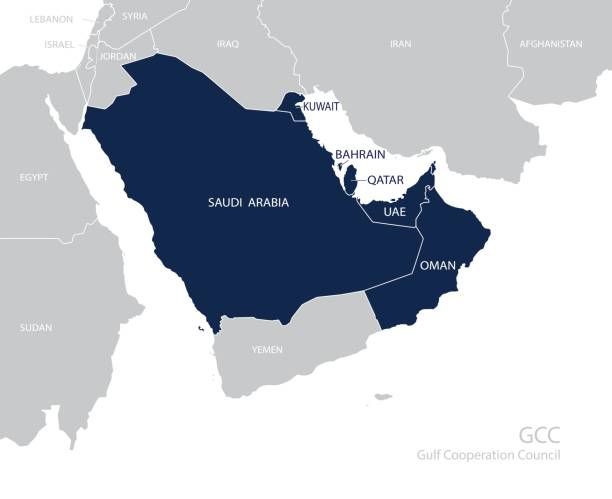
GCC region map highlighting healthcare coverage

Introduction

The Gulf Cooperation Council (GCC)—including the UAE, Saudi Arabia, Qatar, Kuwait, Oman, and Bahrain—is a hub for expatriate professionals. However, working abroad comes with challenges, especially regarding healthcare access.

Since most GCC countries mandate health insurance for expatriates, understanding its importance is crucial for employees and employers. This guide explains why health insurance is vital, its benefits, and how to select the best policy.

🔗 Looking for travel health tips? Check out our guide on Staying Healthy While Working Abroad here.


Why Health Insurance is Mandatory for Expatriates in the GCC

1. Legal Requirement

  • UAE, Saudi Arabia, and Qatar enforce strict health insurance laws for expatriates.
  • Employers must provide valid medical coverage to avoid fines or visa rejections.

2. High Medical Costs

  • Without insurance, a single hospital visit in Dubai or Riyadh can cost thousands of dollars.
  • Insurance prevents financial strain from emergencies or chronic conditions.

3. Visa & Work Permit Compliance

  • Many GCC countries require proof of health insurance during visa processing.
  • Some nations (like Abu Dhabi) link insurance to Emirates ID or residency permits.

🔗 Read more about GCC Visa Requirements for Expatriates in our detailed blog.

Close-up of a health insurance card issued in UAE

Key Benefits of Health Insurance for Expatriate Employees

1. Comprehensive Medical Coverage

  • Inpatient & Outpatient Care – Covers doctor visits, surgeries, and diagnostics.
  • Chronic Disease Management – Critical for diabetes, hypertension, and heart conditions.
  • Maternity & Childcare – Essential for expatriate families.

2. Emergency & Medical Evacuation

  • Some policies include air ambulance services for critical cases.
  • 24/7 global assistance ensures help during emergencies.

3. Mental Health & Wellness Support

  • Many insurers now cover therapy and stress management—key for expatriates.

4. Benefits for Employers

  • Boosts Employee Retention – Workers value good insurance.
  • Reduces Absenteeism – Healthy employees = higher productivity.
  • Avoids Legal Penalties – Non-compliance risks fines or bans.

🔗 Learn how Employers Can Support Expatriate Health in our latest article.

Ambulance and medical evacuation icons

How to Choose the Best Health Insurance Plan

✅ Check Coverage Limits

  • Ensure the policy covers major surgeries, hospitalization, and emergencies.

✅ Verify Network Hospitals

  • Confirm if preferred hospitals (like Cleveland Clinic UAE or King Faisal Specialist Hospital) are included.

✅ Look for Add-Ons

  • Dental, optical, and wellness programs improve coverage.
  • Repatriation benefits for emergency returns to home countries.

✅ Compare Costs & Claims Process

  • Some insurers offer cashless treatments, while others require reimbursement.

🔗 Need help picking a plan? Read our Best Health Insurance for Expats in Dubai.

Doctor and expatriate discussing health insurance options

Final Thoughts

Health insurance isn’t just a legal formality—it’s a lifesaver for expatriates in the GCC. From emergency care to chronic disease management, the right policy ensures financial security and peace of mind.

Employers, investing in robust health insurance boosts morale and compliance, while employees gain access to world-class healthcare without stress.

Close-up of a health insurance card issued in UAE

Dr.Mohammad Rizwan Feroz

Hajj Health Essentials: Mandatory Precautions, Tests, Vaccines & Insurance

Preparing Spiritually and Physically for the Journey of a Lifetime

Undertaking Hajj is a profound spiritual journey, but Saudi Arabia enforces strict health protocols to protect pilgrims amid extreme heat and dense crowds. Failure to comply may result in denied entry. Here’s what you must know:


1. Non-Negotiable Vaccinations

(Mandatory for Hajj Visa Approval)

Vaccine Requirement Details Validity/Timing
Meningococcal (ACWY) Mandatory for all pilgrims. Protects against meningitis strains common in crowded settings. Administered ≥ 10 days before arrival. Valid for 5 years. Proof required.
Seasonal Influenza Required for pilgrims from high-risk countries (check annually). Highly recommended for all. Current season’s vaccine. Ideal timing: 2–4 weeks pre-travel.
COVID-19 Based on current Saudi MOH guidelines (verify yearly). Often requires primary series + booster. Check approved vaccines (e.g., Pfizer, Moderna). Negative PCR tests may suffice.
Polio Mandatory if arriving from polio-endemic countries (e.g., Afghanistan, Pakistan). Oral dose on arrival may apply. Proof of vaccination + booster within past year.

📌 Pro Tip: Routine vaccines (MMR, Tetanus, Hepatitis A/B) are strongly recommended but not Hajj-mandatory.


2. Health Documentation & Permits

  • Hajj e-Visa Health Form: Submit via Saudi’s Muqeem portal with vaccination proofs.
  • Medical Fitness Certificate: Required for pilgrims >65 years or with chronic conditions (diabetes, heart/kidney disease). Must include:
    • Physician’s clearance note
    • Recent lab tests (blood sugar, kidney/liver function)
  • Pregnancy Restrictions: Saudi bans pregnant women from Hajj. Tests may be required for women of childbearing age.

3. Critical Health Precautions

  • Heat & Hydration:
    • Temperatures exceed 45°C (113°F). Carry electrolyte sachets.
    • Avoid dehydration: Drink 3–5 liters of bottled water daily.
    • Recognize heatstroke signs: dizziness, no sweating, confusion.
  • Crowd & Infection Risks:
    • Wear N95 masks in congested areas (Mina, Jamarat).
    • Use hand sanitizer rigorously – respiratory illnesses spread rapidly.
    • Diabetics: Pack extra insulin (cooling pouch required).
  • Medication Rules:
    • Carry prescriptions + Arabic translation.
    • Banned substances: Narcotics, CBD, amphetamines (strict penalties).

4. Mandatory Health Insurance

(Hajj-Specific Requirements)

  • Coverage Must Include:
    • COVID-19 testing/treatment
    • Heatstroke emergencies
    • Medical evacuation/repatriation
    • Minimum coverage: $100,000 USD
  • Proof Required: Submit insurance certificate during visa processing.

5. Key Timeline

(Start 8 Weeks Before Departure)

Timing Action Item
8 Weeks Out – Book travel clinic appointment.
– Start meningitis/flu vaccines.
4 Weeks Out – Complete all vaccines.
– Organize medication supplies.
2 Weeks Out – Finalize medical certificate.
– Upload documents to Muqeem portal.
Travel Day – Carry vaccine records, insurance, prescriptions IN HAND LUGGAGE.

Saudi-Approved Resources

⚠️ Reminder: Rules change annually. Verify all details 60 days pre-travel via Saudi embassies.


Final Advice: Pilgrims with chronic conditions (e.g., dialysis patients) must coordinate with Saudi-accredited medical agencies. Hajj is physically demanding – prioritize your health to focus on spirituality.

May your journey be accepted and safe! 🌙


Disclaimer: This article reflects 2025 Hajj guidelines. Always consult Saudi MOH and your travel clinic for updates.

Dr. Mohammad Rizwan Feroz


Essential Health Guide for GCC Travel: Precautions, Tests, Vaccines & Insurance

Planning a trip to the Gulf Cooperation Council (GCC) countries – Saudi Arabia, the United Arab Emirates (UAE), Qatar, Kuwait, Oman, or Bahrain – whether for a visit, employment, or business? Beyond visas and flights, your health preparation is paramount. Requirements can vary significantly by country, visa type, and your origin. This guide covers the key health aspects you need to address before you go. Always verify the latest, specific requirements directly with the embassy/consulate of your destination country and your sponsor/employer.

1. Health-Related Precautions: Beyond the Paperwork

While tests and vaccines are mandatory, proactively managing your health ensures a smoother trip:

  • Pre-Travel Consultation: Visit your doctor or a travel medicine clinic ideally 6–8 weeks before departure. Discuss your itinerary, medical history, current medications, and specific risks.
  • Environmental Adaptation:
    • Heat & Sun: GCC summers are extremely hot (often exceeding 40°C/104°F). Drink plenty of water (bottled is safest), use high-SPF sunscreen, wear loose, light-colored clothing, a wide-brimmed hat, and sunglasses. Limit outdoor activity during peak heat (10 am – 4 pm).
    • Dust & Sandstorms: Common, especially inland. Those with asthma or respiratory issues should carry ample medication. Consider masks (like N95s) for severe storms.
  • Food & Water Safety: Stick to bottled or purified water. Avoid ice in drinks unless sure of its source. Eat thoroughly cooked food and peel fruits yourself. Be cautious with street food and salads washed in tap water. “Boil it, cook it, peel it, or forget it” is a good rule.
  • Medications: Carry all essential medications in their original packaging with prescriptions (translated if necessary). Ensure you have enough for your entire stay plus extra. Some medications legal elsewhere (e.g., certain painkillers, ADHD meds) are strictly controlled or banned in GCC countries – check embassy rules.
  • Cultural Sensitivities: During Ramadan, eating, drinking, or smoking in public during daylight hours is prohibited in most GCC countries. Dress modestly to respect local customs and aid sun protection.
Doctor consulting traveler before GCC visit

2. Mandatory Laboratory Tests (Especially Crucial for Employment Visas)

GCC countries, particularly for work/residence visas, require rigorous medical screening to protect public health. Tests are typically conducted at government-approved clinics in your home country or upon arrival. Requirements change, but commonly include:

  • HIV/AIDS: Universal requirement for all long-term visas (work/residence). A positive test usually results in visa denial/deportation.
  • Hepatitis B & C: Mandatory for work/residence visas in most GCC states. Chronic infection can lead to visa rejection depending on the country and job role (especially healthcare, food handling).
  • Tuberculosis (TB): Screening is critical.
    • Chest X-ray: Standard for detecting active pulmonary TB for work/residence visas.
    • Sputum Tests: May be required if the X-ray is abnormal.
    • Blood Tests (e.g., IGRA): Sometimes used instead of or alongside X-rays.
  • Syphilis: Routinely tested for work/residence visas.
  • Malaria: Blood tests may be required if traveling from endemic regions.
  • Pregnancy Test: Often mandatory for female applicants of certain nationalities applying for work/residence visas. Being pregnant can affect visa issuance.
  • General Health Check: May include blood sugar, kidney/liver function tests.
  • Key Notes:
    • Tests must be recent (usually valid 3 months).
    • Must be done at accredited laboratories/clinics (often specified by the sponsor/embassy).
    • Results are submitted for a “Medical Fitness” certificate – essential for visa processing. Failing any critical test (HIV, active TB, Hep B/C in restricted roles) usually means visa denial.
Medical fitness certificate for GCC visa

3. Vaccination Requirements: Building Immunity

Vaccination rules depend on your origin, destination, visa type, and planned activities:

  • Routine Vaccines (MUST be up-to-date): Ensure MMR (Measles, Mumps, Rubella), DTP (Diphtheria, Tetanus, Pertussis), Polio, and Varicella (Chickenpox) are current. These are baseline requirements.
  • COVID-19: While most restrictions have eased, check the latest entry rules for your destination. Proof of vaccination (specific vaccines/boosters accepted) or a negative test may still be required by some countries/airlines. Always verify before travel.
  • Hepatitis A & Typhoid: Highly Recommended. Transmitted through contaminated food/water, common risks for travelers. Essential for protection.
  • Hepatitis B: Highly Recommended for everyone, often Mandatory for workers. Required for many employment visas. Protects against blood/body fluid transmission.
  • Meningococcal Meningitis (ACWY): Required for Hajj/Umrah pilgrims entering Saudi Arabia (often via the quadrivalent vaccine). Sometimes required for residence visas or if arriving from endemic areas. Check specific country requirements.
  • Influenza: Recommended, especially during flu season (Oct–May).
  • Rabies: Consider if you’ll have significant outdoor exposure (e.g., camping, veterinary work) or contact with animals.
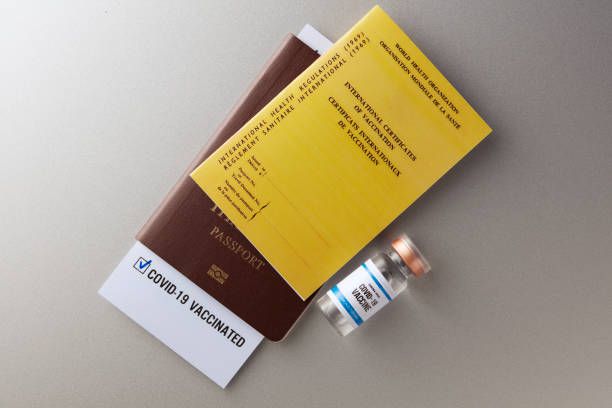
  • Yellow Fever: Mandatory requirement ONLY if you are arriving from a Yellow Fever endemic country (or have transited there for >12 hours). Proof of vaccination (valid 10 days before entry) is essential. Not generally required for travelers coming directly from non-endemic regions.

4.  Health Insurance: Non-Negotiable Protection

Comprehensive health insurance is almost universally mandatory for obtaining any GCC visa (tourist, business, employment):

  • Mandatory Requirement: You will be asked to provide proof of valid insurance covering your entire stay for visa processing. Your employer typically arranges this for employment visas. Visitors/business travelers often need to purchase it themselves.
  • Coverage Minimums: Policies must typically cover:
    • Emergency medical treatment and hospitalization.
    • Repatriation/medical evacuation.
    • Expenses related to COVID-19 (testing, treatment, quarantine).
    • Cover the entire duration of your visa/stay.
  • Validity: The insurance must be valid within the specific GCC country you are visiting.
  • Proof: Carry your insurance card and policy details (digital and physical copies) at all times.
  • Check Carefully: Understand the coverage limits, deductibles, exclusions, and the process for making claims. Ensure it meets the specific minimum requirements of your destination country.

Conclusion: Your Health, Your Journey’s Foundation

Thorough health preparation is not just about ticking boxes for visa approval; it’s about safeguarding your well-being in a unique environment. The GCC offers incredible experiences and opportunities, but neglecting health prerequisites can lead to visa denials, deportation, or serious health issues. Remember:

  1. Verify: GCC country rules change. Double-check everything with official sources (embassy/consulate) and your sponsor/employer well in advance.
  2. Plan Early: Start medical checks and vaccinations 6–8 weeks pre-travel.
  3. Get Certified: Use only approved labs/clinics for mandatory tests to obtain your Medical Fitness certificate.
  4. Insure: Secure comprehensive, compliant health insurance – don’t travel without it.
  5. Prepare: Pack medications, sun protection, and stay vigilant about food/water and the climate.

By taking these essential health precautions, you pave the way for a successful, safe, and healthy visit or start to your new life in the GCC. Safe travels!

Disclaimer: This article provides general guidance. Health regulations for GCC countries are subject to frequent change. Always consult the official government websites of your destination country and seek advice from a qualified travel health professional for the most current and personalized information.

Dr. Mohammad Rizwan Feroz