Smart Travel Health Kit 2025: Your Tech-Enhanced Prescription for Safer Journeys

Gone are the days of simply tossing bandages and aspirin into a zip-lock bag. In 2025, the savvy traveler understands that a truly “smart” health kit leverages technology and personalized planning to proactively manage well-being on the road.

Essential travel first-aid kit with prescription medications and bandages neatly organized

At DoctorTravelLog, we believe staying healthy abroad requires foresight and innovation. Here’s how to assemble your cutting-edge Smart Travel Health Kit for 2025:


Beyond Basics: The Non-Negotiable Core (Enhanced for 2025)
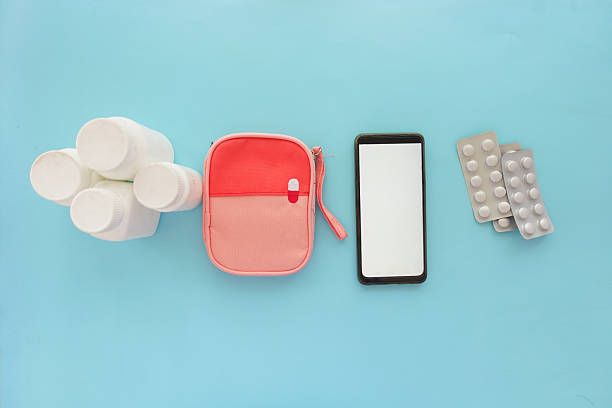
Modern travel health kit with smart gadgets, bandages, and digital health devices

While tech is exciting, the foundation remains critical. Ensure your kit includes:

  1. Prescription Powerhouse:
    • Medications: Ample supply of all regular prescriptions (plus copies of prescriptions/doctor’s notes on letterhead). Consider time-zone changes for dosing schedules.
    • Travel-Specific Meds: Updated 2025 recommendations for destination-specific malaria prophylaxis, altitude sickness meds (like acetazolamide), or antibiotics for traveler’s diarrhea (e.g., azithromycin – prescribed by your doctor).
    • Digital Proof: Scan prescriptions and store them securely in your phone’s health app or encrypted cloud storage.
  2. Wound Care & Infection Control 2.0:
    • Antibiotic ointment packets (single-use reduce waste).
    • Variety of bandages, sterile gauze pads, adhesive tape, and butterfly closures.
    • Antiseptic wipes (alcohol-free options for sensitive skin).
    • Compact UV Sanitizer: Pen-sized UV-C lights for sanitizing surfaces, utensils, or small items on the go.
  3. Symptom Management Essentials:
    • Pain/fever reducer (Acetaminophen, Ibuprofen).
    • Antihistamines (for allergies – non-drowsy & drowsy versions).
    • Decongestant.
    • Anti-nausea medication.
    • Anti-diarrheal medication (e.g., Loperamide).
    • Electrolyte rehydration powder/salts (crucial for hot climates or GI issues).
  4. Protection & Prevention:
    • High-SPF, broad-spectrum sunscreen (reef-safe if applicable).
    • Effective insect repellent (containing DEET 20-30%, Picaridin, or IR3535 – check destination-specific recommendations for 2025).
    • Basic first-aid manual (digital or physical).

The “Smart” Tech Integrations for 2025

This is where your kit becomes truly intelligent and forward-thinking:
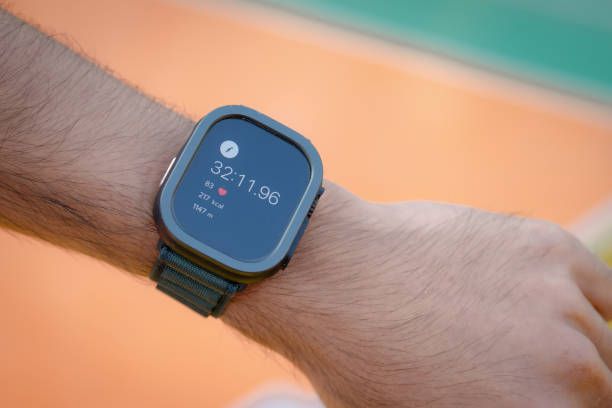
Smartwatch displaying health vitals and digital health monitoring apps for travelers

  1. Digital Health Vault:

    Store encrypted copies of crucial documents on your phone and a secure cloud service:

  2. Telehealth Access:
    • Pre-trip: Schedule a virtual consultation with a travel medicine specialist (essential for 2025, given evolving disease risks).
    • On-trip: Ensure you know how to access your insurance’s telehealth service or have a subscription to a reputable global telehealth provider. A small, portable phone tripod can be invaluable for virtual exams.
  3. Smart Monitoring Devices:
    • Compact Pulse Oximeter: Crucial for altitude travel or respiratory concerns. Many connect to phone apps for tracking.
    • Digital Thermometer: Fast, accurate readings (non-contact models are popular).
    • Portable ECG Monitor (Consider): For travelers with known heart conditions (discuss necessity with your doctor). Single-lead devices like KardiaMobile can provide peace of mind.
    • Continuous Glucose Monitor (CGM) Integration: Diabetic travelers should leverage CGM data synced to their phone apps for real-time monitoring and alerts.
  4. Biometric Tracking (Wearables):
    • Integrate data from your smartwatch (heart rate, sleep quality, activity levels, SpO2) to get an early warning of potential illness (elevated resting heart rate, poor sleep) or overexertion.
  5. AI-Powered Health Assistants:
    • Utilize reputable health apps with AI symptom checkers (like Ada or Babylon) for initial guidance, always followed by professional consultation if symptoms persist. Translation features within these apps can also be helpful abroad.

  6. Smart Medication Management:
    • Use medication reminder apps with customizable alarms accounting for time zone shifts.
    • Consider smart pill dispensers (for complex regimens) or simple timer caps that show the last time a bottle was opened.
  7. Portable Power & Connectivity:
    • A high-capacity, compact power bank is non-negotiable to keep your digital health tools operational.
    • Consider a global SIM card or robust eSIM plan for reliable, affordable data access anywhere – essential for telehealth and accessing health information.

2025 Special Considerations:

  • Climate Resilience: Factor in extreme weather. Add cooling towels, electrolyte tabs, and potentially compact water purification tablets/straws if traveling to areas with questionable water security.
  • Mental Wellness: Include resources like meditation app subscriptions or contact info for telehealth therapists. Jet lag management tools (like Timeshifter) are increasingly valuable.
  • Supply Chain Savvy: Order prescription refills and specialized items well in advance due to potential global supply fluctuations.
  • TSA & Customs Ready: Keep medications in original, clearly labeled containers. Pack liquids/gels compliantly. Have documentation readily accessible for any medical devices.
Jet lag management app, portable water purifier, and heat care travel gear for climate resilience

Assembling Your Smart Kit:

  1. Consult Your Travel Medicine Pro: This is step zero. Get personalized advice based on your health, itinerary, and activities for 2025.
  2. Choose the Right Bag: Durable, water-resistant, and well-organized (clear compartments help). Consider TSA-friendly designs.
  3. Organize Digitally: Set up your digital health vault and essential apps before you travel. Ensure offline access where possible.
  4. Test Your Tech: Charge and test all devices. Know how they work and connect to your phone.
  5. Know Your Insurance: Understand exactly what your travel health insurance covers and how to activate it in an emergency.
Essential travel first-aid kit with prescription medications and bandages neatly organized

The DoctorTravelLog Prescription:

The 2025 Smart Travel Health Kit isn’t just about what you pack; it’s about seamlessly integrating technology, information, and preparation. By combining the timeless essentials with intelligent digital tools and proactive planning, you empower yourself to handle minor issues confidently and access critical help swiftly for more serious situations. Invest in your health tech before your trip – it’s the smartest travel insurance you can have.

Modern travel health kit with smart gadgets, bandages, and digital health devices

Disclaimer: This article provides general guidance. Always consult with your personal physician or a travel medicine specialist for personalized medical advice before any trip. The specific contents of your kit must be tailored to your individual health needs and destination.

Dr. Mohammad Rizwan Feroz

Heatwaves and Health: How Global Warming Is Changing Emergency Medicine

Introduction

As global temperatures continue to rise due to climate change, heatwaves are becoming more frequent, intense, and prolonged—especially in regions like the Gulf, where countries such as Oman already face extreme heat. These soaring temperatures are reshaping emergency medicine, with hospitals reporting increased cases of heatstroke, dehydration, and cardiovascular stress. Travelers and outdoor workers are particularly vulnerable, making it crucial to understand the risks and preventive measures.

The Growing Threat of Heat-Related Illnesses

1. Heatstroke: A Life-Threatening Emergency

Heatstroke occurs when the body’s core temperature rises above 40°C (104°F), overwhelming its ability to cool down. Symptoms include confusion, seizures, and loss of consciousness. Without prompt treatment, it can lead to organ failure or death.

  • Why Gulf Countries Are High-Risk: Oman and neighboring Gulf nations often experience temperatures exceeding 45°C (113°F), especially in summer. Travelers unaccustomed to such heat may underestimate their risk.
  • Case Study: In 2023, Muscat reported a 30% increase in heatstroke-related ER visits during peak summer months, with many cases involving expatriates and tourists.

2. Dehydration and Heat Exhaustion

Prolonged exposure to extreme heat leads to excessive sweating, causing dehydration and electrolyte imbalances. Symptoms include dizziness, fatigue, and muscle cramps.

  • Outdoor Workers at Risk: Construction workers, delivery personnel, and agricultural laborers in Oman often work in direct sunlight, increasing their susceptibility.
  • Travelers Beware: Tourists exploring deserts or historical sites (like Nizwa Fort or Wahiba Sands) without proper hydration can quickly succumb to heat exhaustion.

3. Cardiovascular Stress

Extreme heat forces the heart to work harder to regulate body temperature, raising the risk of heart attacks and strokes—especially in those with pre-existing conditions.

  • Studies Show: A 2022 study in the Journal of Environmental Research found a 15% rise in cardiovascular emergencies in Gulf countries during heatwaves.
  • Vulnerable Groups: Elderly travelers, those with hypertension, and manual laborers are at higher risk.

How Emergency Medicine Is Adapting

Hospitals in Oman and other Gulf nations are enhancing their protocols to handle heat-related cases:

  • Specialized Heatstroke Units: Some hospitals now have rapid-cooling centers with ice baths and advanced monitoring.
  • Public Awareness Campaigns: Governments are issuing heat advisories and mandating midday work bans for outdoor laborers.
  • Hydration Stations: Tourist hotspots are increasing access to free water stations and shaded rest areas.

Protecting Yourself: Tips for Travelers and Workers

  • Stay Hydrated – Drink water regularly, even if you’re not thirsty. Avoid alcohol and caffeine, which worsen dehydration.
  • Wear Appropriate Clothing – Light, loose-fitting, and light-colored clothing helps reflect heat.
  • Limit Sun Exposure – Avoid outdoor activities between 11 AM and 3 PM, when the sun is strongest.
  • Recognize Early Symptoms – Dizziness, nausea, and headaches are warning signs—seek shade and rehydrate immediately.
  • Acclimatize Gradually – Travelers should allow a few days to adjust to the heat before engaging in strenuous activities.

Conclusion

Global warming is not just an environmental crisis—it’s a public health emergency. As heatwaves intensify, Gulf countries like Oman are witnessing a surge in heat-related illnesses, demanding urgent adaptations in emergency medicine. Whether you’re a traveler exploring Oman’s stunning landscapes or an outdoor worker braving the scorching sun, understanding these risks and taking preventive measures can be lifesaving.

Stay informed, stay hydrated, and stay safe in the heat.

Dr. Mohammad Rizwan Feroz

The Role of Health Insurance for Expatriate Employees in the GCC

Discover why health insurance for expatriates in the GCC is mandatory, its benefits, and how to choose the best plan. Protect your workforce with the right coverage!

GCC region map highlighting healthcare coverage

Introduction

The Gulf Cooperation Council (GCC)—including the UAE, Saudi Arabia, Qatar, Kuwait, Oman, and Bahrain—is a hub for expatriate professionals. However, working abroad comes with challenges, especially regarding healthcare access.

Since most GCC countries mandate health insurance for expatriates, understanding its importance is crucial for employees and employers. This guide explains why health insurance is vital, its benefits, and how to select the best policy.

🔗 Looking for travel health tips? Check out our guide on Staying Healthy While Working Abroad here.


Why Health Insurance is Mandatory for Expatriates in the GCC

1. Legal Requirement

  • UAE, Saudi Arabia, and Qatar enforce strict health insurance laws for expatriates.
  • Employers must provide valid medical coverage to avoid fines or visa rejections.

2. High Medical Costs

  • Without insurance, a single hospital visit in Dubai or Riyadh can cost thousands of dollars.
  • Insurance prevents financial strain from emergencies or chronic conditions.

3. Visa & Work Permit Compliance

  • Many GCC countries require proof of health insurance during visa processing.
  • Some nations (like Abu Dhabi) link insurance to Emirates ID or residency permits.

🔗 Read more about GCC Visa Requirements for Expatriates in our detailed blog.

Close-up of a health insurance card issued in UAE

Key Benefits of Health Insurance for Expatriate Employees

1. Comprehensive Medical Coverage

  • Inpatient & Outpatient Care – Covers doctor visits, surgeries, and diagnostics.
  • Chronic Disease Management – Critical for diabetes, hypertension, and heart conditions.
  • Maternity & Childcare – Essential for expatriate families.

2. Emergency & Medical Evacuation

  • Some policies include air ambulance services for critical cases.
  • 24/7 global assistance ensures help during emergencies.

3. Mental Health & Wellness Support

  • Many insurers now cover therapy and stress management—key for expatriates.

4. Benefits for Employers

  • Boosts Employee Retention – Workers value good insurance.
  • Reduces Absenteeism – Healthy employees = higher productivity.
  • Avoids Legal Penalties – Non-compliance risks fines or bans.

🔗 Learn how Employers Can Support Expatriate Health in our latest article.

Ambulance and medical evacuation icons

How to Choose the Best Health Insurance Plan

✅ Check Coverage Limits

  • Ensure the policy covers major surgeries, hospitalization, and emergencies.

✅ Verify Network Hospitals

  • Confirm if preferred hospitals (like Cleveland Clinic UAE or King Faisal Specialist Hospital) are included.

✅ Look for Add-Ons

  • Dental, optical, and wellness programs improve coverage.
  • Repatriation benefits for emergency returns to home countries.

✅ Compare Costs & Claims Process

  • Some insurers offer cashless treatments, while others require reimbursement.

🔗 Need help picking a plan? Read our Best Health Insurance for Expats in Dubai.

Doctor and expatriate discussing health insurance options

Final Thoughts

Health insurance isn’t just a legal formality—it’s a lifesaver for expatriates in the GCC. From emergency care to chronic disease management, the right policy ensures financial security and peace of mind.

Employers, investing in robust health insurance boosts morale and compliance, while employees gain access to world-class healthcare without stress.

Close-up of a health insurance card issued in UAE

Dr.Mohammad Rizwan Feroz