Rabies ๐Ÿ•โ€๐Ÿฆบ

A Traveler’s Guide to Causes, Symptoms, Prevention & Vaccination

As an emergency doctor and founder of DoctorTravelLog, Iโ€™ve seen firsthand the devastating consequences of preventable diseases. Rabies stands out as a particular concern for international travelers and medical professionals alike. This deadly viral infection demands respect and proactive measures. Letโ€™s break down the essentials.

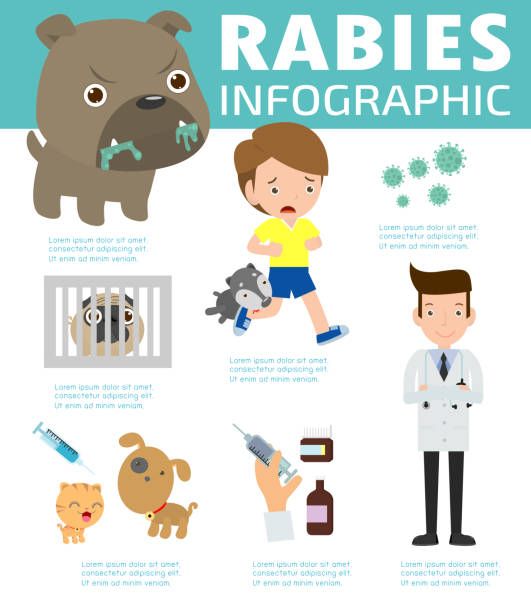
Traveler avoiding a stray dog to prevent rabies exposure

What Causes Rabies?

Rabies is caused by the Lyssavirus, typically transmitted through the saliva of an infected animal. Key routes include:

  • Bites: The most common transmission route (from dogs, bats, monkeys, raccoons, foxes, etc.).
  • Scratches: Contaminated claws can introduce the virus.
  • Mucous Membranes: Contact with infected saliva on eyes, nose, or mouth.
  • Rarely: Inhalation of aerosolized virus (e.g., in bat caves) or organ transplantation.
Recognizing the Symptoms: A Medical Emergency

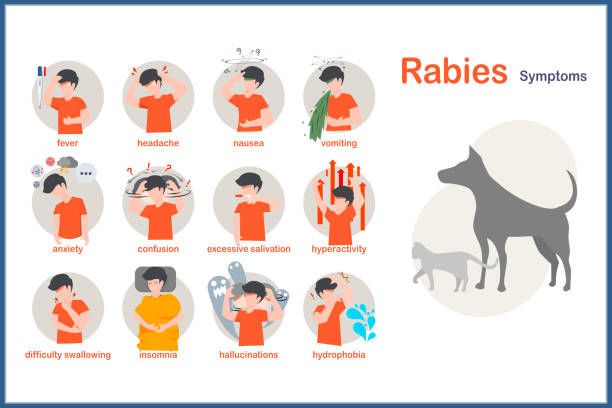
Once symptoms appear, rabies is almost invariably fatal. The incubation period varies (weeks to months), but early recognition is critical. Symptoms progress through stages:

  1. Prodromal Stage (2-10 days): Fever, headache, fatigue, nausea, tingling/burning at the exposure site.
  2. Acute Neurologic Phase:
    • Furious Rabies (80%): Agitation, hallucinations, hydrophobia (fear of water), aerophobia (fear of drafts), hyperactivity, seizures.
    • Paralytic Rabies (20%): Gradual paralysis starting at the bite site, coma.
  3. Coma & Death: Typically occurs within days of neurological symptom onset. Survival is exceptionally rare.
Prevention: Your Travel Health Armor

Prevention is your only reliable defense against rabies:

  1. Avoid Animal Contact: Admire wildlife from a distance. Never touch, feed, or approach wild or stray animals (especially dogs, monkeys, bats).
  2. Secure Accommodations: Ensure bats cannot enter rooms. Sleep under bed nets in high-risk areas.
  3. Protect Children: Supervise closely; they are more likely to approach animals and suffer bites to the head/neck.
  4. Pre-Travel Vaccination (PrEP): The cornerstone of protection for travelers (see Vaccination section below).
  5. Post-Exposure Action Plan: IMMEDIATE action after any potential exposure (bite, scratch, lick on broken skin/mucous membranes):
    • Wash Vigorously: Flush and scrub the wound with soap and running water for 15 minutes. Use iodine or alcohol if available.
    • Seek Medical Care IMMEDIATELY: Do not delay. Even if pre-vaccinated, you need prompt assessment. This is non-negotiable.
Rabies Vaccination: Pre & Post-Exposure

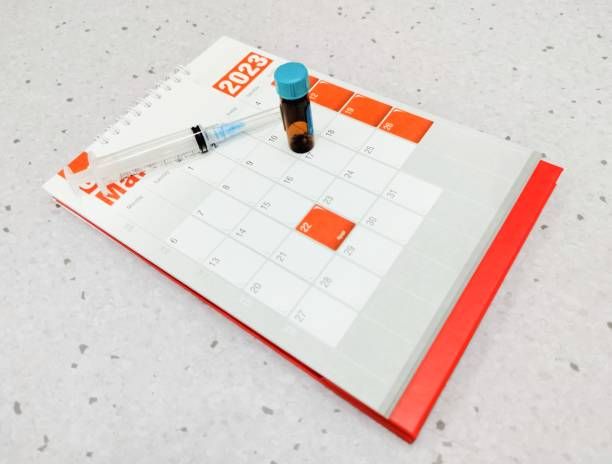
  1. Pre-Exposure Prophylaxis (PrEP): Highly Recommended for Travelers!
    • Who: Travelers going to rabies-endemic areas (especially rural regions in Asia, Africa, Latin America), those staying >1 month, adventure travelers, cavers, veterinarians, animal workers.
    • Schedule: Typically 3 doses given on Days 0, 7, and 21 or 28.
    • Benefits: Provides significant protection, simplifies post-exposure treatment (eliminates the need for Rabies Immunoglobulin (RIG), which is scarce globally), buys crucial time to reach appropriate care.
  2. Post-Exposure Prophylaxis (PEP): Lifesaving Urgency!
    • Required IMMEDIATELY after exposure, even if previously vaccinated.
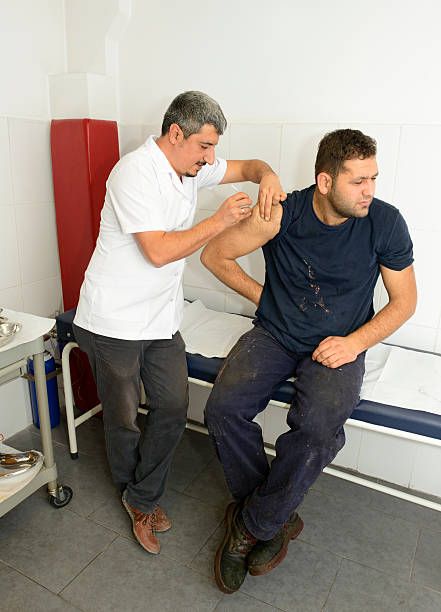
    • For Unvaccinated Individuals: Involves thorough wound cleaning, administration of Rabies Immunoglobulin (RIG) infiltrated around the wound (if possible), plus a series of 4-5 rabies vaccine doses over 14-28 days.
    • For PrEP-Vaccinated Individuals: Requires only thorough wound cleaning plus 2 booster doses of rabies vaccine (Days 0 and 3). No RIG needed.
Why This Matters for Travelers & Medics

Rabies kills tens of thousands globally each year. For travelers, the risk is real in endemic areas, and accessing timely, appropriate PEP (especially RIG) can be extremely difficult or impossible. As medical professionals, we must educate our patients and be prepared to manage potential exposures. Pre-travel vaccination (PrEP) is a simple, effective shield that dramatically reduces risk and simplifies emergency care.

Final Prescription from DoctorTravelLog

Rabies is a terrifying disease, but itโ€™s preventable. Prioritize pre-travel rabies vaccination (PrEP) as part of your essential health prep. Practice vigilant animal avoidance. Know and act on the immediate post-exposure protocol without hesitation. Your awareness and proactive steps are the ultimate lifesavers. Stay informed, stay vaccinated, stay safe out there!

Disclaimer: This information is for educational purposes and does not replace personalized medical advice. Consult a travel health specialist or your doctor well before your trip.

๐Ÿ‘ Found this helpful? Show some love & follow us on Instagram @doctortravellog for expert tips & fresh updates!

๐Ÿ’ฌ Got thoughts or questions? React below or drop a quick comment โ€” no login needed!

โค๏ธ ๐Ÿ˜ฎ ๐Ÿค” ๐Ÿ‘ ๐Ÿ‘Ž

Altitude Sickness Survival Guide

Symptoms, Prevention & Acclimatization Tips

As an emergency doctor and founder of DoctorTravelLog, Iโ€™ve seen firsthand how quickly the thrill of high-altitude adventure can turn dangerous. Altitude sickness (Acute Mountain Sickness – AMS) isn’t just discomfort; it’s a potentially life-threatening condition affecting travelers and medical professionals alike. Whether you’re trekking the Himalayas, skiing the Rockies, or working at a high-elevation clinic, understanding altitude sickness is non-negotiable. This guide arms you with essential knowledge for safe ascents.

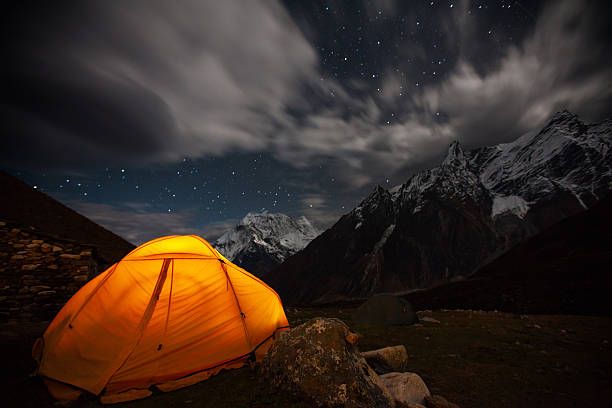
Trekker experiencing altitude sickness on a high mountain trail

Understanding the Enemy: Altitude Sickness Symptoms

Altitude sickness occurs when your body struggles to adapt to lower oxygen levels at higher elevations (usually above 8,000 feet / 2,500 meters). Recognizing symptoms EARLY is critical. They typically appear 6-24 hours after ascent:

  • Mild AMS: Headache (the most common symptom), nausea/vomiting, dizziness, fatigue, loss of appetite, difficulty sleeping.
  • Moderate AMS: Worsening headache unresponsive to painkillers, persistent vomiting, significant weakness/fatigue, shortness of breath at rest, decreased coordination (mild ataxia).
  • Severe & Life-Threatening Forms:
    • High Altitude Cerebral Edema (HACE): Severe headache, confusion, hallucinations, loss of coordination (staggering gait, inability to walk straight – “tandem gait test” failure), decreasing consciousness, coma. HACE is a medical emergency.
    • High Altitude Pulmonary Edema (HAPE): Extreme shortness of breath at rest, cough (often progressing to pink, frothy sputum), chest tightness/pain, gurgling sounds in the chest, bluish lips/nails (cyanosis), severe weakness. HAPE is a medical emergency.
Infographic of altitude sickness symptoms and emergency signs

Prevention: Your Best Defense Against Altitude Sickness

Don’t wait for symptoms. Prevention is paramount:

  1. Gradual Ascent is King: This is the single most effective strategy. Avoid ascending directly to very high sleeping altitudes.
    • The Golden Rule: Above 10,000 ft (3,000m), don’t increase your sleeping elevation by more than 1,600 ft (500m) per night. Plan a rest day (sleep at the same altitude) every 3-4 days, or every 1,200m (3,900 ft) gained.
  2. Hydrate Relentlessly: Drink plenty of water (aim for clear, copious urine). Dehydration mimics and worsens AMS. Avoid excessive caffeine and alcohol.
  3. Fuel Smart: Eat a carbohydrate-rich diet. Avoid heavy, fatty meals which are harder to digest with reduced oxygen.
  4. Avoid Depressants: Alcohol and sedative sleeping pills (like benzodiazepines) suppress breathing, hindering acclimatization. Avoid them, especially the first few nights.
  5. Consider Medications (Prophylaxis): Discuss with your doctor before your trip:
    • Acetazolamide (Diamox): The gold standard for prevention. It speeds acclimatization. Typically started 1-2 days before ascent and continued for 2-3 days at the highest altitude. (Be aware of side effects like tingling fingers/toes).
    • Dexamethasone: Primarily for treatment or prevention when Acetazolamide isn’t tolerated/contraindicated. Not for routine prophylaxis.
    • Nifedipine: For HAPE prevention in high-risk individuals.

Acclimatization: Helping Your Body Adapt

Acclimatization is the physiological process of adjusting to lower oxygen. Support it:

  1. “Climb High, Sleep Low”: If possible, hike to a higher elevation during the day, then descend to sleep. This stimulates acclimatization without prolonged oxygen stress.
  2. Prioritize Rest: Schedule rest days, especially after significant gains. Overexertion increases risk.
  3. Listen RELENTLESSLY to Your Body: Never ignore symptoms, even mild ones. A headache at altitude is not normal โ€“ treat it as an early warning sign.
  4. Go Slow: Rushing increases risk. Build extra days into your itinerary for potential delays due to symptoms.
Climber practicing climb high sleep low for acclimatization

The Emergency Doctor’s Action Plan: What To Do If Symptoms Hit

  1. Mild Symptoms (Headache, mild nausea):
    • STOP ASCENDING. Do not go higher.
    • Rest at the same altitude.
    • Hydrate well.
    • Treat headache with simple analgesics (Ibuprofen, Acetaminophen). Aspirin less preferred due to dehydration risk.
    • Consider Acetazolamide (if not already taking it) โ€“ consult your plan/doctor.
    • Only ascend further if symptoms completely resolve.
  2. Moderate Symptoms (Persistent vomiting, worsening headache, shortness of breath on mild exertion, mild ataxia):
    • DESCEND IMMEDIATELY. Even 500-1000m (1,600-3,300 ft) can make a dramatic difference.
    • Rest aggressively.
    • Hydrate (orally if possible, IV if severely dehydrated and resources available).
    • Administer Acetazolamide if not contraindicated.
    • Do not ascend until symptoms resolve completely for 24-48 hours.
  3. Severe Symptoms (HACE or HAPE – Confusion, severe ataxia, coughing frothy sputum, severe SOB at rest, chest tightness):
    • THIS IS AN EMERGENCY. DESCEND IMMEDIATELY. This is the most critical treatment. Every hour counts. Do not wait for daylight or convenience.
    • Supplemental Oxygen: Administer if available (high flow rates often needed).
    • Medications:
      • Dexamethasone: First-line for HACE (oral/IM/IV).
      • Nifedipine: First-line for HAPE (sustained-release).
      • Consider portable hyperbaric chambers (Gamow bag) as a temporary measure only if descent is impossible/delayed. This is NOT a substitute for descent.
    • EVACUATE TO A LOWER ALTITUDE AND SEEK URGENT MEDICAL CARE.
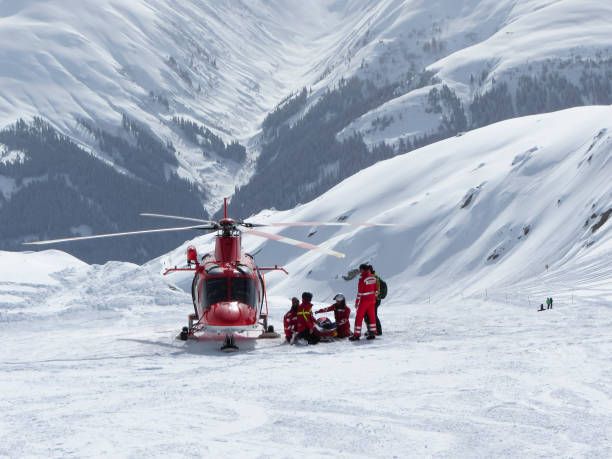
Emergency descent for altitude sickness patient using helicopter or stretcher

Conclusion: Respect the Altitude, Enjoy the Journey

Altitude sickness is unpredictable and can affect anyone, regardless of fitness. As medical professionals and informed travelers, our responsibility is to understand the risks, prepare diligently, and prioritize safety. Never let summit fever override common sense. By ascending gradually, recognizing symptoms early, knowing when and how to descend, and carrying appropriate medications (with training!), you can significantly reduce your risk and ensure your high-altitude adventures are memorable for the right reasons. Stay prepared, stay safe, and enjoy the incredible views from the top โ€“ responsibly.

Disclaimer: This information is for educational purposes and does not replace personalized medical advice. Consult your physician or a travel medicine specialist well before any high-altitude trip for individual risk assessment and management plans.

Founder, DoctorTravelLog | Emergency Physician

Dr.Mohammad Rizwan Feroz

๐Ÿ‘ Found this helpful? Show some love & follow us on Instagram @doctortravellog for expert tips & fresh updates!

๐Ÿ’ฌ Got thoughts or questions? React below or drop a quick comment โ€” no login needed!

โค๏ธ ๐Ÿ˜ฎ ๐Ÿค” ๐Ÿ‘ ๐Ÿ‘Ž


Malaria Prevention Guide: Zones, Medication Options & Bite Avoidance

By Dr Mohammad Rizwan Feroz Emergency Physician & Founder of DoctorTravelLog

A close-up of a mosquito on human skin, symbolizing malaria prevention

As an emergency doctor whoโ€™s treated travelers battling preventable diseases, Iโ€™ve seen malariaโ€™s devastating impact firsthand. This isnโ€™t “just a fever”โ€”itโ€™s a parasitic infection killing over 600,000 people yearly (WHO, 2024). But with smart preparation, your risk plummets. Hereโ€™s your evidence-based prevention blueprint.

๐Ÿ—บ๏ธ Part 1: Know Your Risk โ€“ Malaria Zones Explained

Malaria isnโ€™t uniformly distributed. Risk depends on:

  • Geography: Tropical/subtropical zones (Sub-Saharan Africa, South Asia, Latin America, Oceania).
  • Altitude: Rare >2,000m (6,500 ft).
  • Season: Highest during/after rainy seasons.
  • Urban vs. Rural: Cities generally lower risk (exceptions: Africa, India).

Highest-Risk Regions (CDC 2024):

  • ๐ŸŒ Sub-Saharan Africa: 95% of global malaria deaths. Plasmodium falciparum (severe/complicated malaria) dominates.
  • ๐ŸŒ Southeast Asia: Cambodia, Laos, Myanmar; rising artemisinin resistance.
  • ๐ŸŒŽ Amazon Basin: Brazil, Peru, Colombia. P. vivax and P. falciparum.
  • ๐Ÿ๏ธ Papua New Guinea/Solomon Islands: High transmission.

โœ… Action Step: Check the CDC Malaria Map or WHO Malaria Threat Index 8 weeks pre-travel.

๐Ÿ’Š Part 2: Anti-Malarial Medications โ€“ A Doctorโ€™s Breakdown

Medication is non-negotiable in high-risk zones. Options depend on destination, health history, and trip duration:

Medication Dosage & Timing Best For Key Precautions
Atovaquone-Proguanil (Malaroneยฎ) 1 tab daily. Start 1-2 days pre-trip; continue 7 days post. Short trips, last-minute travelers. Low side effects. Avoid if pregnant/breastfeeding or severe kidney disease.
Doxycycline 100mg daily. Start 1-2 days pre-trip; continue 4 weeks post. Long-term travelers, budget-conscious. Sun sensitivity (use SPF 50+), not for kids <8, or pregnancy.
Mefloquine (Lariamยฎ) 1 tab weekly. Start 2-3 weeks pre-trip; continue 4 weeks post. Regions with chloroquine resistance. Screen for depression/anxiety/psychosis history. Avoid if cardiac issues.
Tafenoquine (Arakodaยฎ) Loading dose pre-trip, then weekly. Stop 1 week post. Adults only; prevents relapse of P. vivax. Requires G6PD testing first (risk of hemolysis).

I recommend double-checking drug interactions on Medscape. Hereโ€™s the link:

โš ๏ธ Critical Notes from the ER:
No medication is 100% effectiveโ€”combine with bite prevention.
– Start meds early to test tolerance pre-travel.
Finish the full course post-trip (relapses occur with P. vivax/ovale).

๐ŸฆŸ Part 3: Bite Avoidance โ€“ Your First Line of Defense

Mosquitoes carrying malaria bite dusk to dawn. My top strategies:

  1. Repellents:
    • DEET (20-50%): Gold standard. Lasts 6-12 hours. Safe for kids >2 months.
    • Picaridin (20%): Odorless, non-greasy. Comparable to DEET.
    • IR3535 (20%): Safe for pregnancy/kids. Shorter duration (4-6 hrs).
    • Avoid: “Natural” repellents (lemon eucalyptus lasts <2 hrs).
  2. Clothing:
    • Permethrin-treated gear: Kills mosquitoes on contact. Lasts 70+ washes.
    • Cover skin: Long sleeves/pants in loose, light-colored fabric.
  3. Sleep Protection:
    • Air-conditioned rooms or screened windows.
    • Permethrin-treated bed nets (check for holes; tuck under mattress).
  4. Environmental Tactics:
    • Avoid stagnant water (mosquito breeding sites).
    • Use plug-in repellent devices (metofluthrin) in hotel rooms.

๐Ÿ‘ฉโ€โš•๏ธ Special Populations: Extra Precautions

  • Pregnant Travelers: Malaria risks miscarriage/stillbirth. Avoid travel to high-risk zones. If essential: mefloquine (2nd/3rd trimester) + permethrin nets.
  • Children: DEET (20-30%) safe >2 months. Weight-based Malaroneยฎ dosing.
  • Immunocompromised: Higher risk of severe disease. Consult specialist pre-travel.

๐Ÿšจ When to Seek Emergency Care (Even on Prophylaxis)

Malaria symptoms can appear 7-30 days post-bite. Go to a hospital immediately if you develop:

  • Fever >38ยฐC (100.4ยฐF) + chills
  • Severe headache, confusion, or seizures
  • Jaundice (yellow skin/eyes) or dark urine
  • Breathing difficulties or chest pain

๐Ÿ“Œ Doctorโ€™s Tip: Carry a rapid malaria test kit if traveling remote. Know the nearest hospital with IV artesunate (gold-standard treatment).

๐Ÿ’Ž Key Takeaways

  1. Check malaria risk for your destination.
  2. Get prescribed prophylaxis 4-8 weeks pre-travel.
  3. Avoid bites rigorously with DEET, permethrin, and nets.
  4. Suspect malaria? Seek care ASAPโ€”delays can be fatal.

Safe travels, and remember: Preparedness is your passport to health.

Disclaimer: This guide is informational. Consult a travel medicine specialist or GP for personalized advice.

ยฉ DoctorTravelLog | 2025

๐Ÿ‘ Found this helpful? Show some love & follow us on Instagram @doctortravellog for expert tips & fresh updates!

๐Ÿ’ฌ Got thoughts or questions? React below or drop a quick comment โ€” no login needed!

โค๏ธ ๐Ÿ˜ฎ ๐Ÿค” ๐Ÿ‘ ๐Ÿ‘Ž

Poland ๐Ÿ‡ต๐Ÿ‡ฑ vs. Hungary ๐Ÿ‡ญ๐Ÿ‡บ for Medical Studies

Choosing Your European Pathway to Success (Guide for Applicants)

Dreaming of a prestigious medical career and considering the excellent education offered in Europe? Poland and Hungary consistently rank as top destinations for international medical students. Both offer high-quality programs, English-language instruction, and pathways to global practice. But which country is the right fork in the road for your journey? This comprehensive guide breaks down the key factors to help you decide.

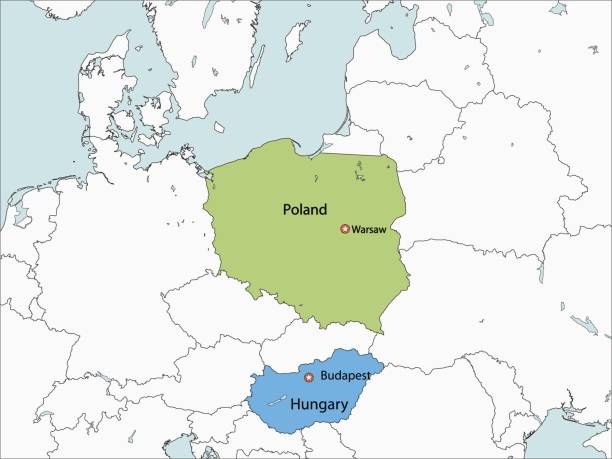
Medical study comparison between Poland and Hungary for international students

Why Consider Poland or Hungary?

  • Internationally Recognized Degrees: Degrees from accredited universities in both countries are recognized globally (WHO, ECFMG, EU Directives), opening doors for licensure worldwide and further training (USMLE, PLAB).
  • English-Taught Programs: Extensive MD (equivalent to MBBS) and Dentistry programs taught entirely in English, eliminating a major language barrier for entry.
  • High Academic Standards: Universities boast modern facilities, experienced faculty, and curricula designed to meet international benchmarks.
  • EU Membership: Studying in an EU country offers benefits like easier travel within the Schengen zone and potential post-graduation work opportunities in Europe.
  • Cultural Richness & Affordability: Both offer vibrant cultures, rich histories, beautiful cities, and a significantly lower cost of living compared to Western Europe or North America.
International recognition of EU medical degrees

Head-to-Head Comparison: Poland vs. Hungary

1. Recognition & Accreditation:

  • Poland: Programs are accredited by the Polish Accreditation Committee (PKA). Graduates are eligible for automatic recognition in the EU/EEA. Universities are listed in the World Directory of Medical Schools (WDOMS). Strong recognition globally, especially within the EU.
  • Hungary: Programs accredited by the Hungarian Accreditation Committee (MAB). Also eligible for automatic EU/EEA recognition. Universities listed in WDOMS. Historically strong recognition, particularly for USMLE pathways (many universities offer dedicated support).
Map highlighting Poland and Hungary in the European Union

2. Language of Instruction & Local Language:

  • Poland: Extensive English programs. Learning basic Polish is highly recommended (and often required) for effective patient interaction during clinical years. Polish is considered challenging.
  • Hungary: Extensive English programs. Learning Hungarian is mandatory for clinical practice (usually integrated into the curriculum). Hungarian is famously complex but essential for patient contact.

3. Program Structure & Focus:

  • Poland: Typically 6-year MD programs. Emphasis often leans towards integrating theoretical knowledge with practical skills. Clinical exposure usually starts later (years 4-6) but is robust, often within large university hospitals serving diverse populations. Strong focus on EU medical standards.
  • Hungary: Typically 6-year MD programs (General Medicine) or 5-year Dentistry. Known for an early introduction to clinical skills (sometimes as early as year 2 or 3). Strong reputation for preparing students for the USMLE, with many universities offering integrated prep or resources. Curriculum often very exam-focused.
Medical students attending clinical training in Europe

4. Tuition Fees & Cost of Living:

  • Poland: Annual tuition fees generally range from โ‚ฌ10,000 – โ‚ฌ15,000 (higher end often in Warsaw/Krakow). Cost of living is moderate, especially in cities like Poznan, Lublin, or Lodz compared to Warsaw. Budget โ‚ฌ600 – โ‚ฌ1,000/month.
  • Hungary: Annual tuition fees are typically higher, ranging from โ‚ฌ12,000 – โ‚ฌ18,000+ (Budapest often at the top). Cost of living, particularly in Budapest, can be slightly higher than in many Polish cities outside the capitals. Budget โ‚ฌ700 – โ‚ฌ1,200/month, more in Budapest.

5. Entrance Requirements & Competition:

  • Poland: Primarily based on high school leaving certificates (Biology, Chemistry, Physics/Maths grades) and sometimes an entrance exam (biology, chemistry, physics) or an interview. Competition is high but spread across numerous universities.
  • Hungary: Heavily reliant on entrance exams (typically Biology and Chemistry, sometimes Physics or English). Exams are often held internationally. Competition for places, especially at top universities like Semmelweis (Budapest) or Debrecen, is very intense.

6. Student Life & Environment:

University campus in Warsaw, Poland

  • Poland: Larger country with diverse cities โ€“ from the historic charm of Krakow and Wroclaw to the bustling capital Warsaw. Large international student communities. Good public transport. Polish culture is vibrant, with a strong focus on history and tradition.
  • Hungary: Budapest is a major draw โ€“ a stunning, cosmopolitan capital on the Danube. Other cities like Debrecen, Szeged, and Pecs offer strong university towns with a more relaxed pace. Very active international student scenes. Hungarian culture is unique, with famous thermal baths and cuisine.
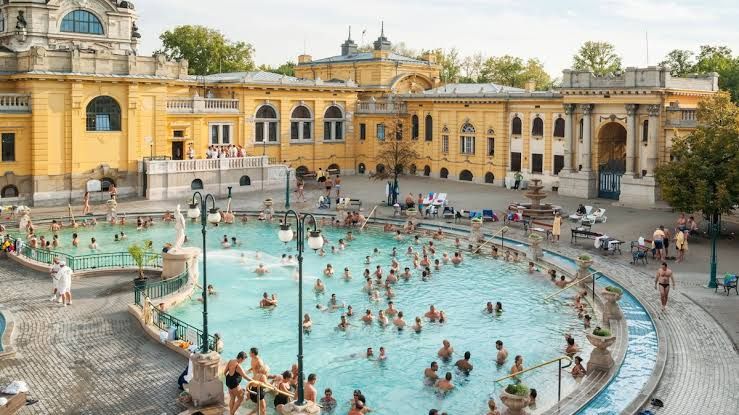
Medical students relaxing by the Danube river in Budapest, Hungary

7. Post-Graduation Opportunities:

  • Both: EU diploma allows for Foundation Training/Residency applications anywhere in the EU/EEA (subject to country-specific language requirements). Strong alumni networks worldwide.
  • Poland: Growing opportunities within Poland itself, especially with Polish language proficiency. Good connections to Germany and Scandinavia.
  • Hungary: Historically strong pipeline to the USA (due to USMLE focus) and the UK. Opportunities within Hungary require fluent Hungarian.
Doctor ready to practice in the EU after graduating from European medical university

Which Should You Choose? Key Considerations

  • Choose Poland if:
    • You prefer tuition fees at the lower end of the spectrum.
    • You are comfortable with clinical years primarily in Polish (but start learning early!).
    • You’re drawn to diverse city options beyond just the capital.
    • You see potential for future work/career in Central/Eastern Europe or the EU broadly.
  • Choose Hungary if:
    • Your primary goal is practicing in the USA and you want integrated USMLE support.
    • You value early clinical skills exposure.
    • You are prepared for highly competitive entrance exams.
    • You dream of studying in the vibrant city of Budapest or a strong university town.
    • You are committed to learning Hungarian for clinical practice.

Beyond the Comparison: Essential Steps

  1. Research Specific Universities: Don’t just choose the country; dive deep into individual medical schools. Look at their curriculum specifics, faculty, hospital affiliations, student support services, and alumni success stories. Visit their websites and attend virtual open days.
  2. Verify Accreditation: Double-check the specific program’s accreditation status via WDOMS and the respective national accreditation bodies (PKA for Poland, MAB for Hungary).
  3. Understand the Language Commitment: Be brutally honest about your willingness and ability to learn Polish or Hungarian to a clinical level. This is non-negotiable for patient interaction.
  4. Budget Realistically: Factor in tuition, accommodation, food, health insurance, travel, and personal expenses. Explore scholarship opportunities early.
  5. Connect with Current Students/Alumni: Reach out via university forums or social media groups. Their firsthand experiences are invaluable.

The Verdict: Two Excellent Paths

There is no single “best” choice between Poland and Hungary for medical studies. Both offer world-class education, internationally recognized degrees, and life-changing experiences in the heart of Europe. The optimal decision hinges on your personal priorities:

  • Cost-conscious with EU focus? Poland might edge ahead.
  • Aiming for the USA & want exam prep? Hungary’s structure is compelling.
  • Drawn to a specific city vibe? Let that influence you.
  • Ready for a major language challenge? Both require dedication, but Hungarian is notoriously tough.

Ready to Take the Next Step?

Choosing where to study medicine is a monumental decision. By carefully weighing the factors outlined above โ€“ recognition, language, curriculum, cost, entrance requirements, lifestyle, and career goals โ€“ you can confidently select the European destination, Poland or Hungary, that best aligns with your aspirations to become a successful physician.

DoctorTravelLog Tip: Start your application process early! Requirements and deadlines can vary significantly between universities in both countries. Good luck on your medical journey!

Dr. Mohammad Rizwan Feroz

๐Ÿ‘ Found this helpful? Show some love & follow us on Instagram @doctortravellog for expert tips & fresh updates!

๐Ÿ’ฌ Got thoughts or questions? React below or drop a quick comment โ€” no login needed!

โค๏ธ ๐Ÿ˜ฎ ๐Ÿค” ๐Ÿ‘ ๐Ÿ‘Ž

Romania ๐Ÿ‡ท๐Ÿ‡ด vs. Bulgaria ๐Ÿ‡ง๐Ÿ‡ฌ for Medical School

Your Guide to Choosing the Right Path in Eastern Europe

Dreaming of a prestigious medical career? Eastern Europe, with its blend of high-quality education, affordability, and rich cultural experiences, is a magnet for international medical students. Romania and Bulgaria stand out as top contenders. But which one is the perfect fit for you? Let’s break down the key factors to help you decide where to pursue your MBBS or MD.

Landmarks of Romania and Bulgaria representing medical study destinations.

Why Consider Romania or Bulgaria?

Both countries offer compelling advantages:

  • Internationally Recognized Degrees: Graduates are eligible for licensing exams worldwide (USMLE, PLAB, etc.), provided they meet specific country requirements.
  • EU Standard Education: Adherence to the Bologna Process and high academic standards.
  • Significantly Lower Costs: Tuition fees and living expenses are far more affordable than in Western Europe, North America, or Australia.
  • English-Taught Programs: Extensive options available, removing major language barriers.
  • Cultural Richness & Travel: Vibrant histories, stunning landscapes, and gateway locations to explore Europe.
International medical students studying in Europe.

Head-to-Head Comparison: Romania vs. Bulgaria for Medical Studies

1. Degree Recognition & Practice Opportunities:

  • Romania: Medical degrees are recognized throughout the European Union (EU). This grants automatic qualification to practice in any EU/EEA country after completing necessary internships/licensing procedures there. Recognition in non-EU countries (USA, Canada, Middle East, India) is generally strong, but always verify with your home country’s medical council.
  • Bulgaria: Similarly, Bulgarian medical degrees are EU-recognized, offering the same pathway to practice within the EU/EEA. Recognition outside the EU is also generally good, but requires verification with your target country’s authorities.
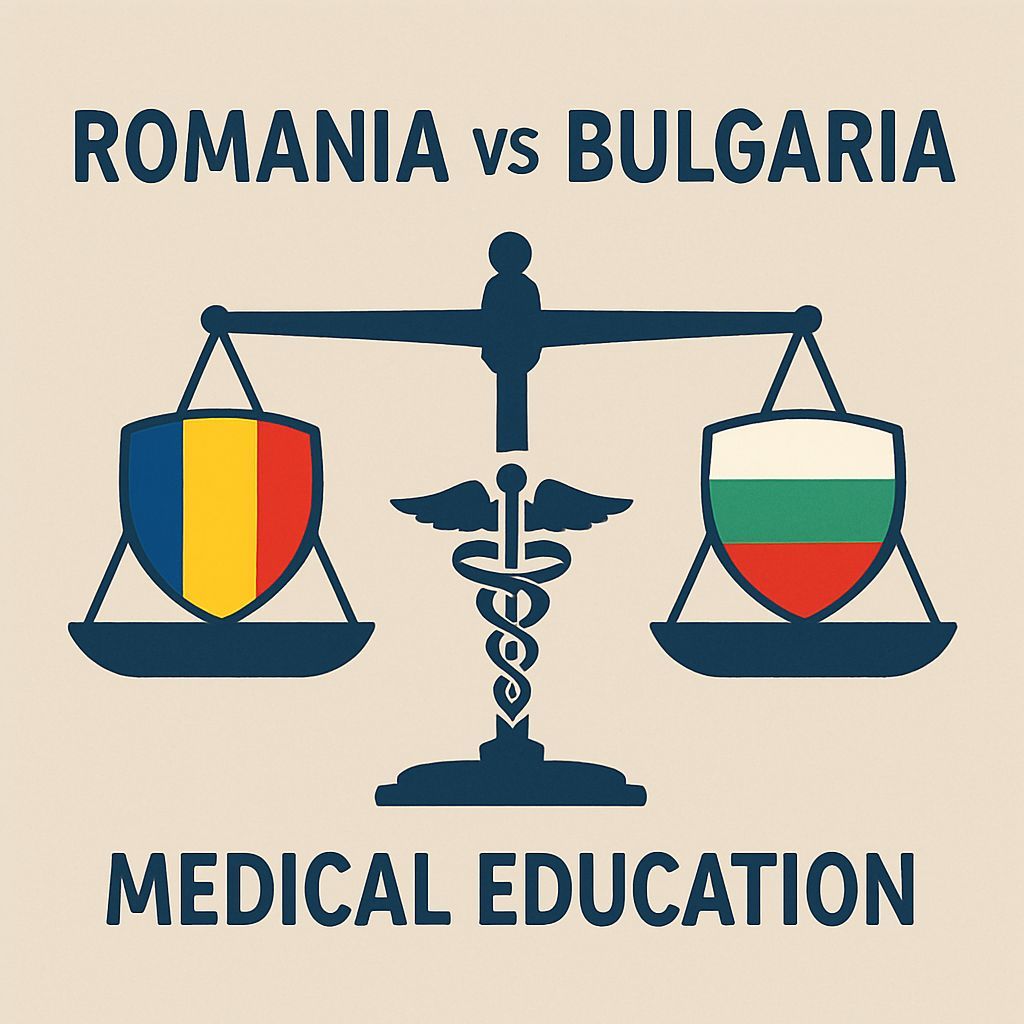
Symbolic comparison between Romania and Bulgaria medical education.

Key Point: Both are excellent for EU practice. For global practice, both are solid, but always confirm specific requirements with your home/target country’s medical council. No significant advantage here.

2. Language of Instruction:

  • Romania: Offers a wider selection of fully English-taught medical programs across more universities (e.g., Carol Davila Bucharest, Iuliu Haศ›ieganu Cluj-Napoca, Victor Babeศ™ Timiศ™oara, Grigore T. Popa Iaศ™i). Romanian language courses are often integrated to aid patient interaction during clinical years.
  • Bulgaria: Also offers well-established English-taught programs, primarily in major universities like Medical University Sofia, Plovdiv Medical University, and Varna Medical University. Learning basic Bulgarian is encouraged for clinical practice.

Key Point: Both offer English programs. Romania often has a slightly broader choice of universities and cities with English tracks.

3. Tuition Fees & Cost of Living:

  • Tuition Fees (Approx. per year):
    • Romania: โ‚ฌ5,000 – โ‚ฌ8,000 (can be higher in top unis like Carol Davila).
    • Bulgaria: โ‚ฌ7,000 – โ‚ฌ8,000.
  • Cost of Living (Monthly – Approx.):
    • Romania: โ‚ฌ500 – โ‚ฌ800 (Bucharest higher, smaller cities lower).
    • Bulgaria: โ‚ฌ450 – โ‚ฌ700 (Sofia higher, Plovdiv/Varna lower).
Affordable cost of living and tuition in Eastern Europe.

Key Point: Bulgaria often has a slight edge in affordability, particularly regarding living costs. Both are significantly cheaper than the West.

4. Academic Quality & Structure:

  • Both: Provide robust theoretical foundations and increasing clinical exposure. Programs are typically 6 years (including a final year of internship/practice). Teaching methods blend lectures, seminars, labs, and hospital rotations.
  • Focus: Quality is generally comparable. Research opportunities exist in both. Some Romanian universities (like Carol Davila) have particularly strong historical reputations and links to large university hospitals. Bulgarian universities like Sofia are also highly regarded.

Key Point: Quality is largely comparable. Research specific university rankings, faculty, hospital affiliations, and student reviews for your shortlist.

5. Admission Process & Requirements:

  • Both: Generally require:
    • High School Diploma (Biology, Chemistry, Physics crucial).
    • Good grades (especially in science subjects).
    • Entrance Exam (Biology, Chemistry) or consideration of High School grades. Entrance exams are common for both.
    • English Proficiency (TOEFL/IELTS or university test if English isn’t your first language).
    • Medical Certificate.
    • Application documents (passport, photos, etc.).

Key Point: Processes are very similar. Focus on preparing strong science grades and for potential entrance exams.

6. Student Life, Culture & Environment:

  • Romania:
    • Culture: Latin roots (Romanian is a Romance language), diverse influences. Vibrant cities like Bucharest (cosmopolitan), Cluj-Napoca (youthful tech hub), Iaศ™i (academic tradition), Timiศ™oara (Western feel).
    • Geography: Carpathian Mountains, Black Sea coast, Transylvania region.
    • Atmosphere: Generally perceived as slightly more “Westernized” in major cities.
  • Bulgaria:
    • Culture: Slavic roots, rich Thracian and Ottoman heritage. Sofia (bustling capital), Plovdiv (ancient European Capital of Culture), Varna (seaside resort feel).
    • Geography: Balkan Mountains, Black Sea coast, ski resorts.
    • Atmosphere: Often seen as slightly more laid-back, with very warm hospitality.

Key Point: Subjective! Romania offers Latin energy and diverse city vibes. Bulgaria provides a distinct Slavic/Balkan charm and beautiful coastline. Both are safe and welcoming. Consider visiting or researching cities extensively.

The Verdict: Which Should You Choose?

There’s no single “best” country. The right choice hinges on your priorities:

  • Choose Romania if:
    • You prioritize having the widest choice of English-taught programs across different cities.
    • You are drawn to a culture with Latin influences and diverse city atmospheres (from bustling Bucharest to historic Cluj).
    • Slightly higher tuition in some top unis is acceptable within your budget.
  • Choose Bulgaria if:
    • Overall affordability (especially living costs) is your absolute top priority.
    • You prefer a distinctly Slavic cultural experience and love the idea of easy access to the Black Sea coast.
    • You find the atmosphere of cities like Plovdiv or Varna particularly appealing.

Crucial Steps Before Deciding:

  1. Verify Recognition: Absolutely essential! Contact the medical council in the country where you ultimately wish to practice (e.g., MCI/NMC for India, ECFMG for USA, GMC for UK) to confirm their specific requirements for graduates from your shortlisted universities in Romania or Bulgaria.
  2. Research Universities: Go beyond the country level. Investigate specific medical universities:
    • Curriculum details and clinical exposure opportunities.
    • Entrance exam format and dates.
    • Student support services for international students.
    • Campus facilities and affiliated hospitals.
    • Student reviews and alumni networks.
  3. Consider the City: Where will you live for 6 years? Research safety, cost of living, accommodation options, transportation, and overall vibe of the cities housing your chosen universities.
  4. Budget Realistically: Factor in tuition, accommodation, food, transport, health insurance, books, and personal expenses for the entire duration. Include potential travel costs.

Final Thoughts

Both Romania and Bulgaria offer exceptional pathways to a global medical career at a fraction of the cost found elsewhere. You’ll receive an EU-recognized degree, quality education, and an unforgettable cultural experience.

By carefully weighing the factors of language preference, specific university strengths, budget nuances, cultural fit, and most importantly, recognition for your target practice country, you can confidently choose whether the vibrant, Latin-flavored avenues of Romania or the warm, affordable, and coastal charm of Bulgaria is the ideal launchpad for your medical dreams.

Successful medical graduation from a European university.

Ready to explore specific universities? Visit DoctorTravelLog for in-depth profiles of leading medical schools in Romania and Bulgaria, application guides, and student experiences! Start your journey today.

Disclaimer: Fees, admission requirements, and recognition policies can change. Always verify the latest information directly with the universities and relevant medical councils before applying.

๐Ÿ‘ Found this helpful? Show some love & follow us on Instagram @doctortravellog for expert tips & fresh updates!

๐Ÿ’ฌ Got thoughts or questions? React below or drop a quick comment โ€” no login needed!

โค๏ธ ๐Ÿ˜ฎ ๐Ÿค” ๐Ÿ‘ ๐Ÿ‘Ž

Heart Attack vs. Cardiac Arrest

An ER Doctor in Muscat Explains the Critical Difference

As an emergency physician working in Muscat, I see firsthand the confusion surrounding the terms “heart attack” and “cardiac arrest.” Often used interchangeably, they describe two distinct, though sometimes related, life-threatening events. Understanding this difference isn’t just medical jargon โ€“ it can be the difference between life and death. Knowing what to look for and how to react is crucial.

ER doctor in Muscat explaining heart attack vs cardiac arrest in a hospital setting

The Core Difference: Plumbing vs. Electricity

Think of your heart as a house:

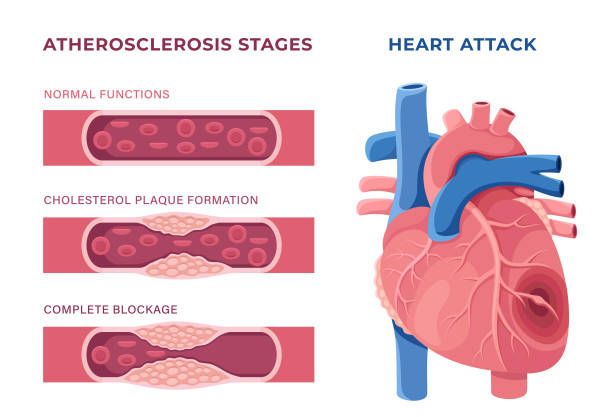
1. Heart Attack (Myocardial Infarction): A Plumbing Problem

Diagram showing heart attack as blocked artery vs cardiac arrest as electrical failure"
  • What Happens: A blocked pipe! One or more coronary arteries supplying blood to the heart muscle itself become obstructed, usually by a blood clot forming on top of a cholesterol plaque. This blockage cuts off oxygen-rich blood to a section of the heart muscle.
  • Analogy: A clogged pipe preventing water from reaching a specific room. That room (heart muscle) starts to suffer damage.
  • The Heart: Usually still beating. The problem is blood flow to the heart muscle.
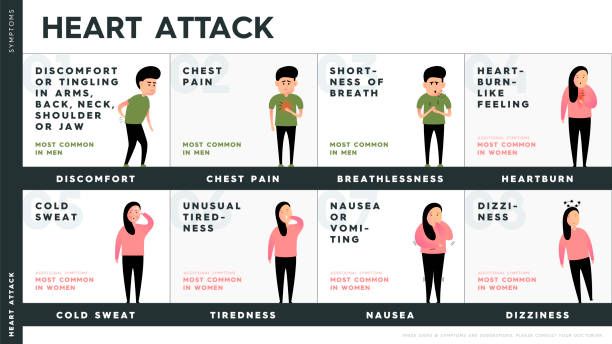
  • Symptoms (Often Gradual, Can Last Hours/Days):
    • Chest pain, pressure, tightness, or squeezing (like an elephant sitting on your chest)
    • Pain radiating to arm(s), neck, jaw, shoulder, or back
    • Shortness of breath
    • Cold sweat
    • Nausea/vomiting
    • Lightheadedness
    • Unusual fatigue
    • (Important Note: Symptoms can be subtle, especially in women and diabetics โ€“ don’t ignore unusual feelings!)
  • Outcome Without Treatment: The affected heart muscle begins to die. This damage can weaken the heart, lead to heart failure, or trigger a cardiac arrest.
"Infographic comparing symptoms of heart attack and cardiac arrest"

2. Cardiac Arrest: An Electrical Problem

  • What Happens: A sudden power outage! The heart’s electrical system malfunctions, causing the heart to beat chaotically (ventricular fibrillation) or stop beating altogether (asystole). This halts effective pumping. Blood stops flowing to the brain, lungs, and other vital organs.
  • Analogy: The house’s electrical system shorts out, plunging everything into darkness and stopping all function instantly.
  • The Heart: Stops beating effectively or stops completely. No pulse. No blood flow.
  • Symptoms (Sudden and Dramatic):
    • Sudden collapse
    • Loss of consciousness/unresponsiveness
    • No normal breathing (may have gasping agonal breaths)
    • No pulse
  • Outcome Without Immediate Treatment: Death within minutes. Brain damage starts after just 4-6 minutes without blood flow.
Diagram showing heart attack as blocked artery vs cardiac arrest as electrical failure"

The Critical Link: How One Can Lead to the Other

  • A severe heart attack can cause an electrical disturbance that triggers cardiac arrest.
  • Other conditions like severe arrhythmias, electrocution, drowning, trauma, or respiratory failure can also cause cardiac arrest without a preceding heart attack.

Why This Difference Matters in Muscat (and Everywhere Else)

1. Recognition:

Knowing the symptoms helps you identify the problem faster. Chest pain demands urgent medical attention before it might turn into arrest. Unresponsiveness and no breathing is cardiac arrest now.

2. Response:

  • Heart Attack: Call Emergency Services Immediately (999 in Oman). Every minute of delay means more heart muscle damage. Chew aspirin (if not allergic) as advised while waiting for help. Do NOT drive yourself.
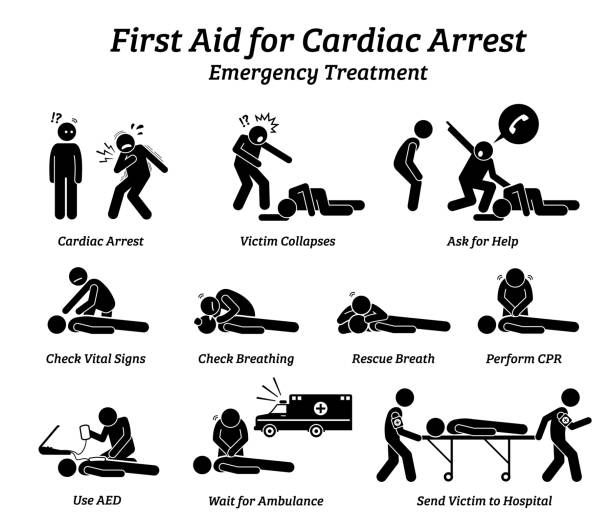
  • Cardiac Arrest:This is an absolute emergency requiring instant action:
    • Shout for Help & Dial 999.
    • Start CPR (Cardiopulmonary Resuscitation) IMMEDIATELY: Push hard and fast (at least 5-6 cm deep, 100-120 beats per minute) in the center of the chest. Don’t stop until help arrives or an AED is ready.
    • Use an AED (Automated External Defibrillator) if available: Turn it on and follow the voice prompts. These devices can shock the heart back into a normal rhythm and are increasingly available in public places in Muscat. CPR + AED use within the first few minutes is the ONLY chance for survival.
"Bystander using CPR and AED during cardiac arrest in Muscat public setting"

Prevention: Your Best Defense

While not always preventable, managing risk factors significantly lowers your chances:

  • Control Blood Pressure & Cholesterol
  • Manage Diabetes
  • Quit Smoking/Vaping
  • Maintain a Healthy Weight
  • Exercise Regularly
  • Eat a Heart-Healthy Diet (Mediterranean style is excellent)
  • Manage Stress
  • Attend Regular Health Check-ups
Preventive health for heart attack and cardiac arrest: diet, exercise, regular checkups"

The Bottom Line from the Muscat ER:

A heart attack is a circulation problem โ€“ blood flow to the heart is blocked. The person is usually conscious and experiencing symptoms. Call 999 immediately.

Cardiac arrest is an electrical problem โ€“ the heart stops beating effectively. The person is unconscious, not breathing normally, and has no pulse. This requires immediate CPR and an AED. Call 999 and START COMPRESSIONS NOW.

Understanding this difference empowers you to act swiftly and correctly. Share this knowledge. Encourage CPR training โ€“ it’s a lifesaving skill anyone can learn. Your actions in those critical first minutes before help arrives here in Muscat can make all the difference.

๐Ÿ‘ Found this helpful? Show some love & follow us on Instagram @doctortravellog for expert tips & fresh updates!

๐Ÿ’ฌ Got thoughts or questions? React below or drop a quick comment โ€” no login needed!

โค๏ธ ๐Ÿ˜ฎ ๐Ÿค” ๐Ÿ‘ ๐Ÿ‘Ž

Study Medicine in Germany ๐Ÿ‡ฉ๐Ÿ‡ช: Pros, Cons, Eligibility & How to Apply (2024 Guide)

๐Ÿฉบ Study Medicine in Germany: Your Complete Guide for International Students

Germanyโ€™s world-renowned medical schools, cutting-edge research, and tuition-free public universities make it a top destination for aspiring doctors. But fierce competition, strict eligibility, and complex applications demand careful planning. This guide breaks down everything you need โ€“ from pros/cons to visas โ€“ for your German medical journey.

โœ… Why Study Medicine in Germany? Key Benefits

  • World-Class Education

    Globally recognized degrees, research-focused curriculum, and hands-on training at university hospitals.
  • Low or No Tuition Fees

    Public universities charge only โ‚ฌ150โ€“400/semester (admin fees). Exception: Baden-Wรผrttemberg charges non-EU students โ‚ฌ1,500/semester.
  • Strong Career Pathways

    Germanyโ€™s doctor shortage simplifies post-graduate work visas. Degrees are EU-recognized.
  • Living in Europe

    High quality of life, efficient public transport, and rich cultural experiences.

โš ๏ธ Challenges to Consider

  • Extreme Competition

    Only 5โ€“8% of medical seats are allocated to non-EU international students.
  • Perfect Grades Required

    Youโ€™ll need near-perfect scores (German GPA 1.0โ€“1.2 โ‰ˆ 95%+).
  • German Language Mastery

    C1-level certification (TestDaF/DSH) is mandatory before applying. No English programs!
  • High Living Costs

    Proof of โ‚ฌ11,208/year in a blocked bank account is required.

๐Ÿ“‹ Eligibility: Do You Qualify?

Requirement Details
Academic Records Secondary school diploma equivalent to German Abitur (check Anabin). Low grades? Prepare for Studienkolleg.
Science Subjects Top marks in Biology, Chemistry, Physics & Math.
Language Proof C1 German certificate (TestDaF 4×4, DSH-2, Goethe C2, or Telc C1).
Internship 4โ€“8 weeks of healthcare work (Vorpraktikum) may be required.
Entrance Exams TMS/MedAT test scores boost admission chances.

๐Ÿ“… Application Timeline & Process

(Start 18 months before your intake!)

  1. Research Universities

    Target public universities with non-EU quotas (e.g., Charitรฉ Berlin, Heidelberg, LMU Munich).
  2. Get Academic Validation

    โ†’ Submit transcripts to uni-assist for a VPD (Pre-Document Review). Takes 6โ€“8 weeks!
  3. Prepare Documents
    • VPD report
    • C1 German certificate
    • Motivational letter (in German)
    • CV, passport, proof of internship
    • APS certificate (if from China, India, Vietnam)
  4. Apply via uni-assist

    Submit before July 15th for winter intake. Apply to 4โ€“6 universities to maximize chances.
  5. After Admission
    • Open a blocked account (โ‚ฌ11,208/year)
    • Apply for a student visa
    • Secure health insurance & housing

๐Ÿ’ก Key Tips for Success

  • Learn German early โ€“ Aim for C1 before finishing high school.
  • Boost your grades โ€“ Even 0.1 GPA points matter.
  • Gain clinical experience โ€“ Volunteering strengthens applications.
  • Apply strategically โ€“ Mix high- and mid-competition universities.

โ“ FAQs: Studying Medicine in Germany

Q: Can I study medicine in Germany in English?
A: No. Only German-taught programs are accredited.

Q: Is the MCAT required?
A: No, but the German TMS or Austrian MedAT tests are recommended.

Q: How long is the medical program?
A: 6 years + 3 months (Staatsexamen exam included).

Q: Can I work as a doctor in Germany after graduation?
A: Yes! Complete the Approbation (medical license) and residency (Facharztausbildung).

๐Ÿง  The Verdict

Germany offers a world-class, affordable medical degree with strong career prospects โ€“ but only for students with flawless academics, advanced German skills, and meticulous preparation. Start early, target 4+ universities, and master the bureaucracy to succeed.

Ready to take the next step?
๐Ÿ‘‰ Book a Consultation with DoctorTravelLog experts!

๐Ÿ‘ Found this helpful? Show some love & follow us on Instagram @doctortravellog for expert tips & fresh updates!

๐Ÿ’ฌ Got thoughts or questions? React below or drop a quick comment โ€” no login needed!

โค๏ธ ๐Ÿ˜ฎ ๐Ÿค” ๐Ÿ‘ ๐Ÿ‘Ž

Studying Medicine in Italy: Your Guide for Non-EU Students (Public vs. Private, IMAT & Beyond)

Dreaming of studying medicine amidst Renaissance art, vibrant piazzas, and world-class healthcare? Italy offers an enticing path for international students, blending high-quality education with a unique cultural experience. For Non-EU students, understanding the system โ€“ the critical IMAT exam, public vs. private universities, and the application maze โ€“ is key. This DoctorTravelLog guide cuts through the complexity.

Non-EU medical student studying in Italy with stethoscope and Italian flag

Why Study Medicine in Italy?

  1. Internationally Recognized Degrees: Graduates earn an MD degree (equivalent to MBBS/MBChB) recognized throughout the EU and widely respected globally. Graduates can pursue licensure worldwide (subject to specific country exams like USMLE, PLAB, NEXT).
  2. High Academic Standards: Italian medical schools boast rigorous curricula, strong theoretical foundations, and increasingly integrated clinical exposure, often within Italy’s respected public healthcare system (SSN).
  3. Significant Cost Advantage (Especially Public): Compared to the US, UK, Canada, or Australia, Italy offers remarkable value, particularly at public universities.
  4. Unique Cultural & Lifestyle Experience: Immerse yourself in history, art, food, and the Italian way of life while pursuing your medical career.
  5. English-Taught Programs: Most international spots are in English-taught programs, eliminating a major language barrier for entry and study.
  6. Gateway to the EU: An Italian degree facilitates further training or practice within the European Union.

The Core Distinction: Public vs. Private Universities

Comparison between public and private medical universities in Italy for Non-EU students
Feature Public Universities Private Universities
Tuition Fees Based on Family Income (ISEE Equivalent): Ranges from ~โ‚ฌ150 to ~โ‚ฌ4,000+ per year. Requires detailed financial documentation. Fixed Annual Fees: Significantly higher. Typically โ‚ฌ15,000 – โ‚ฌ25,000+ per year.
Funding Source Primarily government-funded. Self-funded through tuition and private sources.
Number of Seats (Int’l) Limited: Dedicated quota for Non-EU students (varies yearly/university). Highly competitive. Often More Seats: Dedicated Non-EU quota, sometimes larger than public, but still competitive.
IMAT Requirement Mandatory: Admission solely based on IMAT rank within the Non-EU quota. Usually Mandatory: Most require IMAT, but may have additional entrance pathways/interviews (CHECK per university!).
Teaching Quality Generally very high, steeped in tradition. Generally high, often with modern facilities & approaches. May have stronger industry links.
Clinical Exposure Extensive within the public SSN hospitals. Often within affiliated hospitals (can be public or private); scope varies.
Atmosphere Larger, more traditional, diverse student body. Often smaller cohorts, potentially more personalized attention.

Key Universities Offering Medicine in English (Non-EU Quota – Examples 2024/25 Cycle):

  • Public Universities:
    • University of Milan (Milano)
    • University of Padua (Padova)
    • University of Pavia (Pavia)
    • Sapienza University of Rome (Roma)
    • University of Turin (Torino)
    • University of Bologna (Bologna)
    • University of Bari (Bari)
    • University of Naples Federico II (Napoli)
    • University of Messina (Messina)
    • University of Siena (Siena)
  • Private Universities (Require IMAT unless specified otherwise*):
    • Humanitas University (Milan) – Highly regarded, modern
    • Universitร  Campus Bio-Medico di Roma (Rome)
    • Universitร  Vita-Salute San Raffaele (Milan)
    • Universitร  Cattolica del Sacro Cuore (Rome) – May have alternative pathways, check!
    • UniCamillus International Medical University (Rome)
    • University of Modena and Reggio Emilia (Modena/Reggio Emilia) – Public but fee structure similar to private for int’l? Check specifics.

Crucial Note: The exact number of seats for Non-EU students is set annually by each university and the Italian Ministry of Education (MUR). This number fluctuates yearly! Always check the official university website and the MUR/Ministry decrees (usually published Spring/Summer) for the current year’s seat allocation. Competition is fierce for both public and private seats.

The Heart of the Application: The IMAT Exam

The International Medical Admissions Test (IMAT) is the central gateway for most medicine programs in Italy taught in English, especially for Non-EU applicants.

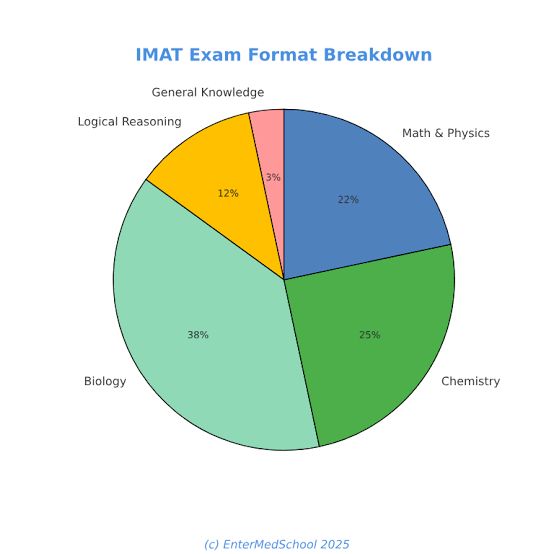
  • What it is: A 100-minute, 60-question multiple-choice exam testing:
    • Logical Reasoning & General Knowledge (12 Qs)
    • Biology (18 Qs)
    • Chemistry (12 Qs)
    • Physics & Maths (8 Qs)
  • Scoring: +1.5 for correct, -0.4 for incorrect, 0 for blank. Max score 90.
  • Language: English.
  • When: Once a year, typically mid-September. (2024 date: Sept 12th).
  • Where: Test centers worldwide (managed by Cambridge Assessment Admissions Testing).
  • Why it’s Critical for Non-EU: Your IMAT score determines your rank within the dedicated Non-EU quota at your chosen universities. Higher rank = better chance of admission. Public universities rely solely on this rank. Private universities heavily weigh it.

IMAT Guide for Non-EU Students:

  1. Register Early (Crucial!):
    • Registration opens ~May/June via the Universitaly portal. Do NOT delay.
    • You’ll select up to two Italian medical universities (in order of preference) where you want your score considered.
  2. Intensive Preparation is Non-Negotiable:
    • Start Early (6-12 months prior): Biology and Chemistry depth is key. Logical reasoning needs practice.
    • Use Official Resources: Past papers (available on Cambridge website) are GOLD. Understand the format and question styles.
    • Consider Prep Courses/Books: Dedicated IMAT prep resources (online/books) are highly recommended due to the specific nature of the exam. DoctorTravelLog can recommend trusted prep providers (Affiliate Link).
    • Focus on Weaknesses: Don’t neglect Physics/Maths or Logical Reasoning.
    • Timed Practice: Master the intense time pressure.
  3. Understand the Non-EU Competition: You are only competing against other Non-EU applicants for the designated seats. Aim for a score significantly above the historical cutoff for your chosen universities (cutoffs vary yearly and per uni).
  4. Results & Ranking: Results are released a few weeks after the exam. You will be ranked within the Non-EU quota for each university you applied to via Universitaly.

The Application Procedure for Non-EU Students: A Step-by-Step Timeline

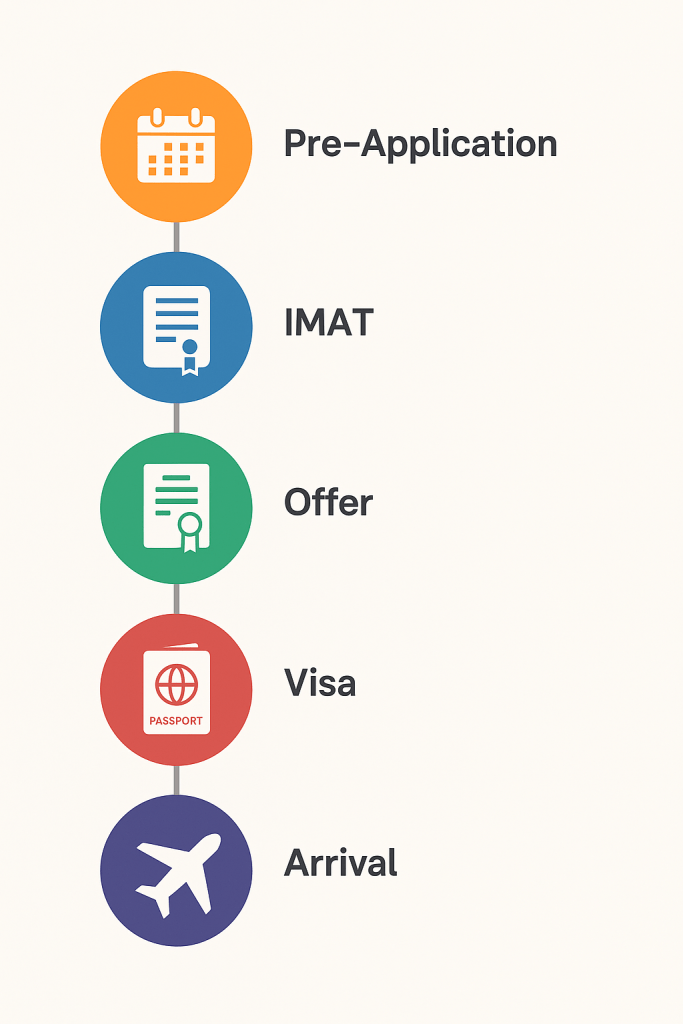
  1. Pre-Application (Early – Spring/Summer BEFORE IMAT):
    • Research Universities: Identify 1-2 target public/private universities. Check their specific requirements, fees (public: ISEE process), and historical Non-EU IMAT cutoffs.
    • Gather Documents: Start preparing your High School Diploma (or equivalent), Transcripts, Passport, Proof of English (if required, often waived if English is MOI).
    • Begin IMAT Prep: Enroll in courses, get books, start practicing past papers.
    • Financial Planning: Calculate costs (tuition + living ~โ‚ฌ10,000-12,000/year). For public unis, understand the ISEE process for income-based fees (requires financial docs translated/legalized).
  2. Application Phase (Spring/Summer – Sept):
    • Pre-enrollment on Universitaly (Critical Step!): Opens ~Spring (e.g., March/April). You MUST pre-enroll for your chosen universities and declare your intent to sit the IMAT. This is mandatory for visa purposes and exam registration. Upload required docs.
    • Register for IMAT (May/June): Via Universitaly portal during the registration window. Pay the exam fee.
    • Apply for “Dichiarazione di Valore” (DoV): Contact the Italian Embassy/Consulate in your home country early. The DoV certifies the validity of your high school diploma for Italian universities. This process takes MONTHS. Start ASAP after pre-enrollment. Requirements vary (translation, legalization, Apostille).
    • Take the IMAT (Mid-Sept): Give it your all!
  3. Post-IMAT & Admission (Oct – Dec):
    • IMAT Results: Released ~October.
    • University Ranking Lists: Universities publish Non-EU ranking lists based on IMAT scores. Check the lists for your chosen unis meticulously.
    • Receive Offer (if ranked high enough): If your rank is within the available seats for a university, you’ll be contacted (usually via PEC email or portal) with an offer. You MUST formally accept within a strict deadline (often just days!).
    • Finalize Enrollment: Accept the offer, pay the first tuition installment (public: often after fee calculation based on DoV/ISEE docs; private: fixed fee). Submit final documents (DoV, Passport, Acceptance, Payment proof) to the university via Universitaly.
    • Apply for Student Visa (Type D): Take your university acceptance letter, proof of finances (~โ‚ฌ6,000/year minimum), accommodation proof, health insurance, flight itinerary, and DoV to your Italian Embassy/Consulate. Apply immediately after enrollment confirmation.
  4. Pre-Departure & Arrival (Dec/Jan):
    • Secure Accommodation: University halls or private rentals. Start early!
    • Health Insurance: Mandatory. Enroll in the Italian National Health Service (SSN) upon arrival (~โ‚ฌ150/year) or have equivalent private coverage.
    • Arrive in Italy: Complete university registration, get residency permit (Permesso di Soggiorno), open bank account, enroll in SSN.

Life as a Med Student in Italy:

  • Language: While studies are in English, learning Italian is ESSENTIAL for effective clinical rotations (starting ~3rd year) and daily life. Universities often offer courses.
  • Cost of Living: Varies (North > South). Budget carefully. Part-time work is allowed on a student visa (max 20 hrs/week).
  • Culture: Embrace the Italian pace, food, and social life. Be prepared for bureaucratic processes.
Non-EU medical student doing clinical rotations and learning Italian in Italy

Is Italy Right for You?

Pros: Affordable quality (public), EU degree, unique experience, IMAT centralizes entry.
Cons: High Non-EU competition, intense IMAT prep, complex pre-enrollment/DoV, Italian language necessity for clinics, bureaucratic challenges.

Studying medicine in Italy is an adventure demanding preparation and perseverance, especially for Non-EU students. Master the IMAT, navigate the procedures diligently, embrace the language, and you could find yourself launching a brilliant medical career under the Italian sun. Buona fortuna!

๐Ÿฉบ Dr.Mohammad Rizwan Feroz

๐Ÿ‘ Found this helpful? Show some love & follow us on Instagram @doctortravellog for expert tips & fresh updates!

๐Ÿ’ฌ Got thoughts or questions? React below or drop a quick comment โ€” no login needed!

โค๏ธ ๐Ÿ˜ฎ ๐Ÿค” ๐Ÿ‘ ๐Ÿ‘Ž


Studying Medicine in the UK: Your Realistic Guide as a Non-EU Applicant (Beyond the Dream)

Dreaming of walking the historic halls of a UK medical school, training in the NHS, and earning a globally revered MBBS or MBChB? You’re not alone. The UK’s medical education is a beacon for international students, renowned for its rigor, clinical excellence, and the prestige of institutions like Oxford, Cambridge, Imperial, and UCL. But as a non-EU applicant, the path involves distinct challenges, costs, and processes post-Brexit.


This isn’t about selling a fantasy; it’s your practical roadmap to understanding what it *truly* takes to study medicine in the UK from outside the EU/EEA.

Why the UK? The Enduring Allure

  • Global Recognition & Standards: A UK medical degree is a passport respected by medical councils worldwide (though licensure in your home country will still require specific exams). The General Medical Council (GMC) sets exceptionally high standards.
  • Integrated Clinical Exposure: From early years, you’re immersed in the National Health Service (NHS), gaining hands-on experience in diverse clinical settings under expert supervision.
  • Research Powerhouse: Access to cutting-edge medical research and innovation is embedded in the curriculum at leading universities.
  • Quality of Teaching: Problem-based learning (PBL) and a strong emphasis on communication and ethics shape well-rounded future doctors.
  • Cultural & Linguistic Advantage: Studying in an English-speaking country eliminates a major language barrier for many, and the UK offers a vibrant, multicultural student experience.

The Reality Check: Key Challenges for Non-EU Applicants

1. Stiff Competition:

  • Limited Spaces: Medicine is the most competitive undergraduate degree in the UK. International student quotas are small.
  • Academic Excellence Required: You’ll need near-perfect grades in science subjects (Biology, Chemistry, often Physics/Maths) equivalent to top A-levels (e.g., A*AA or higher). Your high school qualifications must be rigorously assessed for equivalence (UCAS tariff points).
  • Entrance Exams: Almost all universities require either the UCAT (University Clinical Aptitude Test) or the BMAT (BioMedical Admissions Test). High scores are non-negotiable. Preparation is intense and costly.
  • Interviews: Multiple Mini Interviews (MMIs) are standard. They assess communication, empathy, ethics, resilience, and motivation โ€“ demanding thorough preparation, often remotely.

2. Significant Financial Investment:

  • Tuition Fees: This is the biggest hurdle. Non-EU international fees for medicine are substantially higher than for home/EU students. Expect ยฃ25,000 to ยฃ50,000+ PER YEAR for tuition alone (varies by university, with London/Oxbridge at the top end).
  • Living Costs: Especially in cities like London, Oxford, or Cambridge, budget at least ยฃ12,000 to ยฃ18,000+ per year for accommodation, food, transport, books, and personal expenses.
  • Immigration Health Surcharge (IHS): Mandatory for your Student Visa, granting access to the NHS. Currently ยฃ1,035 PER YEAR. Payable upfront for your entire visa duration.
  • Visa Fees: Application costs add several hundred pounds.
  • Total Cost: A 5-6 year degree can easily exceed ยฃ250,000+. Scholarships are scarce and fiercely competitive for medicine.

3. The Visa Journey:

  • Student Visa (Tier 4): You’ll need an unconditional offer and proof of sufficient funds covering the first year’s tuition + living costs (held for 28 days minimum) before applying.
  • English Language Proof: Usually IELTS Academic (typically 7.0+ overall, with minimums in each component) or equivalent.
  • TB Test: Required if coming from a listed country.
  • Biometrics & Processing: Allow ample time.

4. Post-Study Work & Foundation Training:

  • The Graduate Route: Allows you to stay and work (in any field) for 2 years (undergrad) or 3 years (PhD) after graduation. This is your bridge.
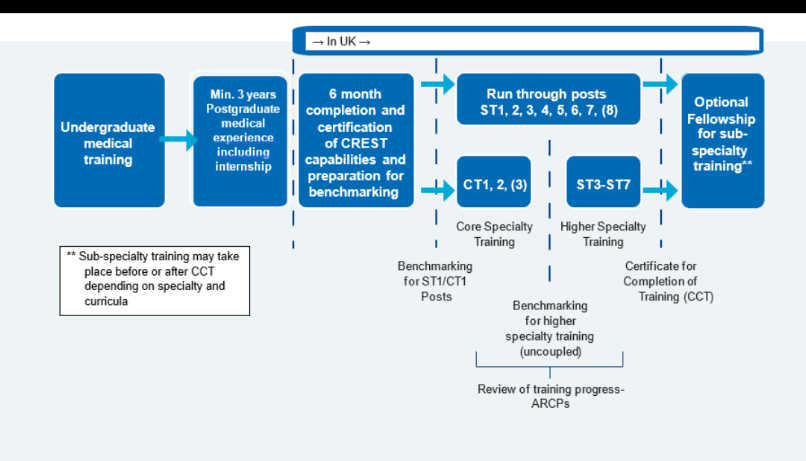
  • Foundation Programme (FY1/FY2): To practice as a doctor in the UK, you must complete this 2-year paid training programme within the NHS.
    • You compete in a separate, smaller allocation within the national application process.
    • You need full GMC registration before starting FY1, which requires passing the PLAB (Professional and Linguistic Assessments Board) exams (Part 1 often taken during studies, Part 2 after graduation). This is a major additional hurdle.
    • Visa sponsorship for the Foundation Programme is complex and not guaranteed.

The Non-EU Applicant Pathway: Step-by-Step

1. Research & Self-Assessment (Early – Years 11/12 or equivalent):

  • University Shortlisting: Focus on universities welcoming internationals, check their specific entry requirements, fees, UCAT/BMAT policy, and course
    structure. Use UCAS search tools.
  • Financial Planning: Be brutally honest about affordability. Explore all potential funding sources early (family savings, home country loans, rare scholarships).
  • Academic Focus: Excel in core science subjects.

2. Prepare for & Take Entrance Exams (Year 12/AS Level equivalent):

  • UCAT (July-Sept intake year): Widely used, computer-based. Requires dedicated prep (mocks, courses).
  • BMAT (Nov intake year): Used by Oxbridge, Imperial, UCL, Leeds, Brighton & Sussex. Tests science, maths, critical thinking, writing.

3. Craft Your UCAS Application (Sept 1st Deadline for Medicine):

  • Academic Reference: Must be stellar, from a science teacher.
  • Personal Statement: Crucial! Demonstrate motivation, relevant experience (shadowing, volunteering), skills, understanding of medicine/UK NHS. Avoid clichรฉs.
  • Choices: Maximum 4 medical school choices. Choose strategically based on predicted grades, exam scores, and competition.

4. Interview Preparation (Nov-Feb):

  • MMI Practice: Essential. Focus on ethics, NHS awareness, communication, handling scenarios. Practice with peers, teachers, or professional services.

5. Receive Offers & Meet Conditions (Dec-April):

  • Conditional Offers: Usually require achieving specific grades in final exams and meeting language requirements.
  • Unconditional Offer: Your golden ticket (if no conditions).

6. Secure Funding & Apply for Visa (After Unconditional Offer):

  • Proof of Funds: Get documentation ready (bank statements meeting UKVI requirements).
  • Apply for CAS: Your university issues a Confirmation of Acceptance for Studies.
  • Apply for Student Visa: Submit CAS, financial proof, passport, TB test (if needed), pay IHS and visa fee. Attend biometrics appointment.

7. Prepare for Relocation & Studies:

  • Accommodation, flights, orientation, NHS registration.

Life as a Non-EU Medical Student in the UK:

  • Community: Connect with international student societies and medical student associations. Build a support network.
  • Work: Student visa allows limited part-time work (usually 20 hrs/week during term, full-time in holidays). Balance is key โ€“ medicine is demanding.
  • Culture: Embrace the experience! Explore the UK, engage with different cultures on campus and in the NHS.
  • Plan Ahead: Start thinking about PLAB and Foundation Programme applications during your studies. The Graduate Route gives you time, but preparation is lengthy.

Is It Worth It? A Candid Perspective

Studying medicine in the UK as a non-EU student is an incredible opportunity, but it’s a massive investment of intellect, effort, and finances. It’s worth it if:

  • You are academically exceptional and resilient.
  • Your family can comfortably afford the entire cost without crippling debt.
  • You are genuinely passionate about the UK system and potentially working there long-term (understanding the hurdles to Foundation training).
  • You see the value beyond just the degree โ€“ the clinical training, research exposure, and international experience.

It might not be the best path if:

  • Cost is a primary barrier with no secure funding.
  • Your primary goal is to practice immediately in your home country (a local or cheaper international degree might be more efficient).
  • You underestimate the intense competition and workload.

Your Next Steps with DoctorTravelLog:

Resources for Studying Medicine in the UK (for International Students)

  1. Use Our University Finder: Filter UK medical schools by international fees, UCAT/BMAT requirements, and location. Find the perfect fit for your goals and budget.
  2. Download Our Budget Planner: Calculate your realistic total costs (tuition + living expenses) for different universities before applying.
  3. Explore UCAT/BMAT Prep Resources: Access trusted prep courses and practice materials to improve your scores. (Includes affiliate links to recommended providers.)
  4. Book a UK Medicine Consultancy Session: Get personalized advice on your academic profile, application strategy, and university shortlist from experienced consultants.
  5. Join the Forum: Connect with other international applicants and current students. Share your journey, ask questions, and get real insights.

The UK medical dream is demanding, but for the well-prepared, determined, and supported non-EU applicant, it remains a profoundly rewarding journey. Arm yourself with knowledge, plan meticulously, and step forward with your eyes wide open. Your stethoscope awaits โ€“ are you ready for the challenge?

Got questions? Share them below or explore DoctorTravelLog’s dedicated UK Medicine section for deeper dives!

โ€” Dr. Mohammad Rizwan Feroz

๐Ÿ‘ Found this helpful? Show some love & follow us on Instagram @doctortravellog for expert tips & fresh updates!

๐Ÿ’ฌ Got thoughts or questions? React below or drop a quick comment โ€” no login needed!

โค๏ธ ๐Ÿ˜ฎ ๐Ÿค” ๐Ÿ‘ ๐Ÿ‘Ž

MBBS in Europe vs. Asia: Finding Your Perfect Medical School Match (Not Just “Better”)

Choosing where to pursue your MBBS (Bachelor of Medicine, Bachelor of Surgery) is one of the most significant decisions for an aspiring international doctor. Itโ€™s not just about getting a degree; itโ€™s about shaping your future career, lifestyle, and even your worldview. Europe and Asia emerge as two powerhouse destinations, each radiating distinct advantages and challenges. Declaring one universally “better” is impossible โ€“ the “best” fit depends entirely on you.

Let’s dissect the pros and cons of pursuing an MBBS in Europe versus Asia to help you navigate this life-altering choice:

The European Pathway: Tradition, Integration & Global Mobility

  • Pros:
    • High Standards & Global Recognition: Degrees from accredited EU universities (especially in countries like Germany, Poland, Czech Republic, Hungary, Romania, Bulgaria, Italy, Spain) are widely respected by medical councils globally (USMLE, PLAB, AMC pathways generally smoother). Rigorous quality control is a hallmark.
    • Integrated EU Practice Potential: Graduating from an EU country often simplifies the process of practicing medicine within other EU/EEA nations due to mutual recognition directives (though language proficiency is still key). This offers incredible career mobility.
    • Advanced Infrastructure & Research: Access to cutting-edge medical technology, well-equipped teaching hospitals, and opportunities to engage in high-level research projects is often readily available.
    • Cultural Immersion & Travel: Studying in Europe offers unparalleled access to diverse cultures, languages, and travel opportunities across the continent during breaks.
    • Focus on Clinical Skills (Often): Many European programs integrate clinical exposure earlier and more consistently than some traditional Asian curricula.
    • English-Taught Programs: A wide range of universities offer MBBS programs entirely in English, attracting a diverse international student body.
  • Cons:
    • Higher Tuition & Living Costs: While often cheaper than the US/UK, tuition fees and especially living expenses (Western/Northern Europe particularly) are significantly higher than in most Asian destinations. Budget realistically.
    • Competitive Entry: Admission can be highly competitive, requiring excellent high school grades (especially in science subjects), strong entrance exam scores (e.g., IMAT for Italy, NEET for some), and sometimes specific language prerequisites even for English programs.
    • Language Barrier for Practice: While the degree might be in English, practicing medicine locally requires near-native fluency in the host country’s language (e.g., German, Polish, Czech). Learning this is non-optional for local licensure.
    • Colder Climate Adjustment: For students from tropical Asia, adapting to long, cold winters in many European destinations can be challenging.
    • Cultural Adjustment: European social norms, teaching styles, and daily life can feel more distant initially for students from Asian backgrounds compared to studying within Asia.

The Asian Pathway: Affordability, Scale & Diverse Options

  • Pros:
    • Significant Cost Advantage: This is often the biggest draw. Tuition fees and living expenses in countries like China, Philippines, Russia, Ukraine (pre-war context is complex), Kyrgyzstan, Kazakhstan, Bangladesh, Nepal, and some programs in India (for NRI/Management quota) are substantially lower than in Europe or the West.
    • Large International Communities: Many Asian medical universities have well-established systems for international students, large expat communities, and support structures catering specifically to them.
    • PMC( Pakistan)/MCI/NMC Recognition (Crucial for India): Many universities in China, Philippines, Russia, Bangladesh, Nepal etc., are recognized by India’s National Medical Commission (NMC), allowing graduates to sit for the FMGE (now NEXT) to practice in India. This is paramount for Indian students intending to return home.
    • Cultural Proximity (For Many): Students from South Asia, Southeast Asia, or the Middle East may find cultural adaptation easier, with familiar food, social dynamics, and potentially shorter travel distances.
    • Focus on Theoretical Foundation: Some Asian curricula place a strong emphasis on rote learning and theoretical knowledge, which can be advantageous for certain licensing exams.
    • High Patient Volume: Hospitals attached to universities often see enormous patient volumes, offering exposure to a wide range of cases early on.
  • Cons:
    • Variable Quality & Recognition: Quality can vary dramatically between institutions and countries. Vigilant research is CRITICAL. Ensure the university is recognized by the medical council of the country where you intend to practice. (WHO’s World Directory of Medical Schools is a start, but check specific council lists like PMC,BMC,NMC, ECFMG, GMC).
    • Language of Instruction & Patient Interaction: While programs are marketed in English, clinical rotations often involve patients and local doctors speaking the native language (Mandarin, Russian, Filipino dialects, etc.).This can hinder learning and patient interaction if you’re not proficient.
    • Infrastructure Disparities: While top universities are excellent, some institutions, especially in less developed areas, may have outdated equipment or facilities compared to European counterparts.
    • Licensing Exam Hurdles (For Non-Home Practice): Returning to practice in the US, UK, Australia, or even the EU often requires clearing challenging licensing exams (USMLE, PLAB, AMC) and potentially additional internships/training, which can be a long road regardless of where you study.
    • Cultural & Lifestyle Adjustments: Bureaucracy, teaching styles, food, hygiene standards, and social freedoms can differ significantly and be challenging for some.
    • Political Instability (Specific Regions): Some popular destinations have experienced political unrest or conflict, impacting student safety and continuity of studies (research current conditions diligently).

Meet the Students:

  • Sofia (from Brazil): Chose Hungary. “The EU degree recognition was key for me, dreaming of working in Portugal later. Budapest is beautiful, the program is tough but structured. Learning Hungarian is my biggest challenge now!”
  • Arjun (from India): Chose the Philippines. “Cost was the biggest factor for my family. The NMC recognition list gave me options. English is widely spoken, but learning basic Tagalog helps in the wards. The patient volume is insane โ€“ you see everything!”

Beyond the Continents: Key Questions to Ask YOURSELF

  1. Where Do You Want to Practice Ultimately? This is the MOST crucial factor. Research the specific licensing requirements (exams, internships, language) for your target country *before* choosing a medical school. An NMC-recognized Asian university might be “better” for India, while an EU degree eases EU practice.
  2. What’s Your Realistic Budget? Include tuition, accommodation, food, travel, health insurance, and potential language courses for the entire duration. Don’t underestimate living costs in Europe.
  3. How Important is Cultural Proximity & Support? Can you thrive far from familiar comforts, or do you need a larger community from your home region?
  4. What’s Your Learning Style?  Do you prefer highly structured, theory-heavy learning (some Asian styles) or earlier clinical integration and problem-based learning (common in Europe)?
  5. Are You Willing to Learn a New Language (Fluently)? For Europe, this is almost mandatory for practice. In Asia, it’s essential for effective clinical rotations and daily life beyond campus.

The Verdict: It’s About Alignment, Not Ranking

There is no single “better” continent for an MBBS. Europe shines with its high global recognition, EU mobility potential, advanced infrastructure, and cultural richness, demanding a higher budget and language commitment. Asia excels in affordability, offers NMC-recognized options crucial for Indian returnees, and provides cultural familiarity for many, requiring careful vetting for quality and presenting language/recognition hurdles for non-home practice.

Your Next Step: Research Relentlessly!

  • Verify Recognition: Double and triple-check the university is listed on the official medical council websites of your target practice countries (NMC, GMC, ECFMG, AMC etc.). DoctorTravelLog recommends using the official council directories, not just agent claims.
  • Talk to Current Students & Alumni: Seek honest opinions on curriculum, faculty, facilities, support, and challenges. Explore DoctorTravelLog’s Student Forum (Link) for real experiences.
  • Consider Lifestyle Fit: Visit if possible, or research extensively. Can you live there happily for 5-6 years?
  • Understand the Fine Print: Know the total costs, language requirements, internship structure, and FMGE/NEXT/USMLE pass rates of the university.

Ready to chart your medical journey?

Choosing between Europe and Asia is deeply personal. By honestly assessing your goals, budget, and preferences, and conducting meticulous research, you’ll find the medical school that isn’t just a place to study, but the launchpad for your dream career.

Overwhelmed by choices? DoctorTravelLog offers personalized consultancy services and in-depth Country & University Guides. Explore our resources or Book a Consultation today!

Dr. Mohammad Rizwan Feroz


๐Ÿ‘ Found this helpful? Show some love & follow us on Instagram @doctortravellog for expert tips & fresh updates!

๐Ÿ’ฌ Got thoughts or questions? React below or drop a quick comment โ€” no login needed!

โค๏ธ ๐Ÿ˜ฎ ๐Ÿค” ๐Ÿ‘ ๐Ÿ‘Ž