Navigating Your First Days in China 🇨🇳 : An Essential Guide for Students and Visitors

First-Time China 🇨🇳 Guide: Essential Tips for Students, Tourists & especially for Muslim Visitors | VPN, Apps, Halal Food

Stepping off the plane China is an exhilarating experience, filled with the promise of new adventures, academic pursuits, and cultural immersion. However, those first few days can also be daunting, filled with logistical hurdles that aren’t always obvious from afar.
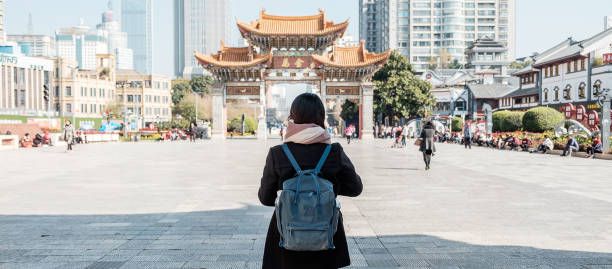
China university gate

Having recently accompanied my daughters as they began their studies in China, I experienced these challenges firsthand. To ensure your transition is as smooth as possible, I’ve compiled a practical, essential checklist based on real-world experience.


The Non-Negotiable Essentials: Your Digital Lifeline

Before you even pack your bags, your phone needs to be prepared. It will be your map, your translator, your wallet, and your connection to home.

1. Secure a Paid VPN (Virtual Private Network)

This is arguably the most important pre-departure step. Many websites and apps you rely on—like Google, Gmail, WhatsApp, Instagram, Facebook, and even some academic journals—are restricted in China.

  • Free VPNs are unreliable and often unsafe. They are easily blocked and can compromise your data.
  • Invest in a reputable paid service like ExpressVPN, Astrill, or NordVPN. Download and install them on all your devices before you arrive, as you often can’t access their websites once you’re in China.
VPN in mobile

2. Install These Must-Have Apps

China operates on a super-app ecosystem. Your life will be infinitely easier with these installed:

  • Alipay or WeChat Pay: This is how China pays for everything. From street food to high-speed rail tickets, cash is becoming rare. You cannot function efficiently without one of these.
  • WeChat: More than just a messaging app, it’s for social networking, official university groups, and its integrated payment system (WeChat Pay)
  • A Map App: Google Maps does not work properly. Use AMap (高德地图) or Baidu Maps (百度地图). While the interface is in Chinese, they are incredibly accurate for directions and public transport.
  • A Translator: Baidu Translate or Pleco (excellent for students) are indispensable for reading menus, signs, and communicating.
  • Taobao / JD.com: For online shopping, Taobao (Alibaba’s platform) is the giant. You can find everything from winter clothes to stationery at great prices. JD.com is famous for its fast, reliable delivery of electronics and groceries. Tip: Use your browser’s translate function or the built-in translate feature in the Alipay app to navigate Taobao.

Financial Setup: Unlocking Your Wallet

You have the apps, now you need to fund them.

3. Open a Local Bank Account ASAP

While international cards like Visa/Mastercard are accepted in some hotels and large stores, for daily life, a local bank account is essential.

  • Which Bank? Major banks like Bank of China (BOC), Industrial and Commercial Bank of China (ICBC), or Agricultural Bank of China (ABC) are used to dealing with foreigners.
  • What You Need: Bring your passport and your admission letter (for students) or invitation letter. The process is straightforward, and bank staff will help you.
  • Why It’s Crucial: You need a local bank card to link to and verify your Alipay and WeChat Pay wallets, allowing you to pay for things, scan QR codes, and even hail taxis. This is also necessary for smooth shopping on Taobao.
Bank of china

4. The Alipay/WeChat Pay Shortcut

If you can’t open a bank account immediately, you still have options:

  • Get a Friend to Help: Have a friend, university liaison, or classmate transfer a small balance to your
  • Alipay or WeChat wallet. You can then use this balance until your bank account is set up.
  • TourPass: Alipay offers a “TourPass” feature for short-term visitors, which allows you to pre-load funds using an international card (availability can vary).

Wepay app

A Special Note for Muslim Visitors: Finding Halal Food

Finding Halal food (清真食品, qīngzhēn shípǐn) can be a concern, but with the right knowledge, it’s manageable.

  • For Students: Most major universities with a significant number of Muslim students have a Halal canteen (清真食堂, qīngzhēn shítáng) on campus. This will be your most convenient and reliable option.
  • For Tourists & City Exploration: Look for restaurants specializing in cuisine from Muslim-majority regions in China.
    • Lanzhou Lamian (兰州拉面): These ubiquitous restaurants serve delicious hand-pulled beef noodles and are a fantastic, affordable, and trustworthy option. They are easily identifiable by their signs in both Chinese and Arabic script.
    • Xinjiang Restaurants (新疆饭店): These offer a wonderful taste of Uyghur cuisine. Look for signs that say “新疆饭馆” or feature pictures of lamb skewers (羊肉串, yángròu chuàn), naan bread (馕, náng), and pilaf (抓饭, zhuāfàn). Larger cities often have well-known Xinjiang restaurant chains.
  • General Tip: Look for the Arabic script and the Chinese Halal certification logo (often green and says 清真). Using your translator app to scan menus is very helpful
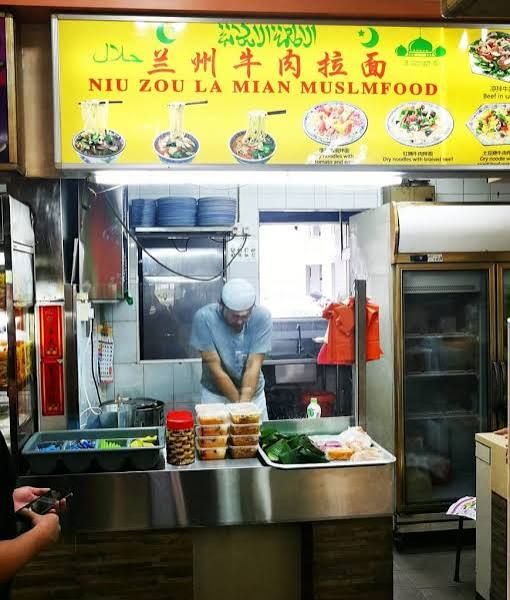
Halal food in china

Legal and Logistical Must-Dos

5. Smooth Immigration Processing

When you arrive at immigration, have the following documents ready and easily accessible:

  • Your passport with the appropriate visa.
  • Your official admission letter (for students) or invitation letter. Officers may ask to see it.

6. Mandatory Registration within 24 Hours

Chinese law requires all foreigners to register their place of residence with the local police station within 24 hours of arrival.

  • If you’re staying in a hotel: The hotel will handle this registration for you automatically when you check in. Always keep your hotel registration slip.
  • If you’re staying in a private residence or university dormitory: The responsibility falls on you or your host. Your university’s international student office will almost always assist you with this process for dorm registration. Do not neglect this step, as it is required for visa renewals and other official processes.

Final Pro-Tips for a Smooth Start

  • Pack a portable power bank. You will be using your phone constantly for translations, maps, and payments.
  • Carry a printed copy of your hotel/university address in Chinese characters to show taxi drivers.
  • Embrace patience and a sense of humor. Things might not always go as planned, but that’s part of the adventure!

Preparing with these key steps will dramatically reduce your stress and allow you to focus on what really matters: embracing an incredible new chapter in China.

Welcome to China! 欢迎来到中国!(Huānyíng lái dào Zhōngguó!)

Dr.Mohammad Rizwan Feroz

👍 Found this helpful? Show some love & follow us on Instagram @doctortravellog for expert tips & fresh updates!

💬 Got thoughts or questions? React below or drop a quick comment — no login needed!

❤️ 😮 🤔 👍 👎

Motion Sickness Survival Guide: How to Conquer Nausea in Cars, Planes & Boats

Why Your Brain Hates Travel (And How to Trick It)

Picture this: You’re on a scenic Omani mountain road… but you’re clutching a sick bag. Or mid-flight over the Arabian Sea, suddenly drenched in cold sweat. Motion sickness isn’t just “uncomfortable”—it can derail trips and terrify anxious travelers. As an ER doctor who’s treated hundreds of queasy adventurers, I’ll share medical insights + practical hacks to stay nausea-free.

Traveler enjoying nausea-free journey in airplane

The Science Simplified: Why We Get Sick

Your inner ear, eyes, and nerves send conflicting signals to the brain:

  • 🌀 Inner Ear:We’re moving!” (on a ship)
  • 👀 Eyes:Nope, we’re still!” (reading in a cabin)
  • Result: Brain thinks “Poison!” → Triggers vomiting.

Clinician Note: Children (2-12y), pregnant women, and migraine sufferers are most vulnerable due to neural hypersensitivity.

Illustration of inner ear and brain signals

Proven Prevention Strategies

📍 Position Matters

  • Cars: Front seat. Watch the horizon. Avoid rear seats or reading.
  • Planes: Wing seats (least turbulence).
  • Boats: Mid-ship/cabin (lower deck). Face forward.

🍃 Pre-Travel Prep

  • 24h Before: Avoid heavy/spicy foods & alcohol.
  • 2h Before: Light meal (oats, bananas, toast). Hydrate!
  • Pack: Peppermint oil, acupressure bands, sliced ginger (blocks gut nausea signals).

💊 Smart Medication Use

Medicine Best For When to Take Key Side Effects
Dimenhydrinate (Dramamine) Short trips 30–60 min pre-travel Drowsiness
Meclizine (Bonine) Cruises/long trips 1h pre-travel Dry mouth
Scopolamine Patch Severe cases 4h pre-travel (behind ear) Blurred vision
Ginger Capsules Natural option 2h pre-travel + q4h None
First aid kit on blue background

⚠️ Warning: Scopolamine contraindicated in glaucoma. Antihistamines may worsen prostate issues. Consult a doctor.


In-Transit Rescue Tactics

If nausea strikes:

  1. LOOK OUTSIDE: Focus on distant, stable objects (e.g., horizon).
  2. COOL AIR: Point vents at face/open windows.
  3. ACUPRESSURE: Press P6 point (3 finger-widths above wrist crease).
  4. SIP: Cold water or ginger ale. Avoid milk!
  5. DISTRACT: Listen to music (not podcasts!).

When It’s More Than “Just Motion Sickness”

Seek medical help if you experience:

  • 🚨 Dehydration (dark urine, dizziness)
  • 🚨 Vomiting >12h
  • 🚨 Vertigo continuing post-travel (rule out labyrinthitis)

Packing List for Sensitive Travelers

  • ✅ Sea-Bands (acupressure)
  • ✅ Ginger chews/gum
  • ✅ Alcohol wipes (sniffing reduces nausea in studies)
  • ✅ Zip-lock bags (emergency sick bags)
  • ✅ Mini fan (face cooling)
Acupressure band for nausea relief

Why This Haunts Frequent Travelers (And How to Adapt)

Neuroplasticity can help! Regular short exposures (e.g., 10-min car rides) may “train” your brain. VR therapy is also emerging for cruise crew.

Bottom Line: Motion sickness is preventable. Master your triggers, pack wisely, and reclaim the joy of journeying.


Author: Dr Mohammad Rizwan Feroz ER Physician (Muscat), Founder of DoctorTravelLog.com

👍 Found this helpful? Show some love & follow us on Instagram @doctortravellog for expert tips & fresh updates!

💬 Got thoughts or questions? React below or drop a quick comment — no login needed!

❤️ 😮 🤔 👍 👎

Essential Guide to Health Insurance in the GCC

Protection for Travelers & Residents
(For Healthcare Professionals & Travelers – By an Emergency Doctor in Muscat)

Navigating healthcare in the Gulf Cooperation Council (GCC) countries—Bahrain, Kuwait, Oman, Qatar, Saudi Arabia, and the UAE—requires understanding local health insurance systems. As an emergency physician in Muscat, I’ve witnessed firsthand how proper coverage prevents crises for travelers and expatriates.

Here’s a concise, actionable overview:

Why Health Insurance is Non-Negotiable in the GCC

Most GCC countries mandate health insurance for residents, and tourists increasingly require it for visas. Medical costs are high (e.g., an ER visit can exceed $1,000), making insurance critical for financial safety.

Key Features of GCC Health Insurance

  1. Premiums:
    • Residents: $200–$1,200/year for basic plans; varies by age, coverage, and country.
    • Travelers: $30–$150 for short-term plans covering 1–90 days.
    • Tip: Oman’s Dhofar Insurance offers competitive expat plans; UAE’s Daman has affordable visitor packages.
  2. Coverage:
    • Included: Hospitalization, emergencies, outpatient care, prescriptions.
    • Often Add-Ons: Dental, maternity, medical evacuation (essential for travelers!).
    • Exclusions: Pre-existing conditions may have waiting periods (e.g., 6 months in Saudi Arabia).
  3. Policies & Regulations:
    • Saudi Arabia: Employers must cover expats via providers like Bupa Arabia or Tawuniya.
    • UAE: Dubai/Abu Dhabi require resident policies (e.g., Oman Insurance Company).
    • Oman: Mandatory for expats since 2021; Dhofar Insurance and Oman United Insurance dominate.
    • Qatar: Visitors need insurance for Hayya visa; QIC is a top provider.

Top Insurers by Country

Critical Advice from an ER Doctor

  • For Travelers: Ensure your plan covers emergency evacuation (e.g., air ambulance from remote areas). Verify network hospitals near your destinations.
  • For Expatriates: Confirm if your employer’s policy includes family members. Always carry your insurance card—I’ve treated stranded patients without it!
  • For All: Disclose pre-existing conditions honestly. Check claim procedures (e.g., UAE requires pre-approval for non-emergencies).

Final Takeaways

  • GCC medical care is world-class but costly. Insurance isn’t optional—it’s a lifeline.
  • Compare plans using aggregators like Sukoon (Oman) or DHA Dubai.
  • Pro Tip: Bookmark your insurer’s 24/7 helpline in your phone before traveling.

Stay safe and insured! For more insights on travel health, visit doctortravellog.com.

(Disclaimer: Regulations change frequently. Verify requirements via GCC government portals before travel.)

👍 Found this helpful? Show some love & follow us on Instagram @doctortravellog for expert tips & fresh updates!

💬 Got thoughts or questions? React below or drop a quick comment — no login needed!

❤️ 😮 🤔 👍 👎

Travel Insurance Decoded

The Medical Coverage You ABSOLUTELY Must Have Abroad (Especially for Healthcare Pros!)

As doctors, we dedicate our lives to safeguarding the health of others. We understand anatomy, physiology, and the intricate workings of the human body. Yet, when we step outside our familiar healthcare systems and venture abroad – whether for a well-deserved holiday, a crucial medical conference, or humanitarian work – there’s one critical prescription we often overlook: robust travel medical insurance.

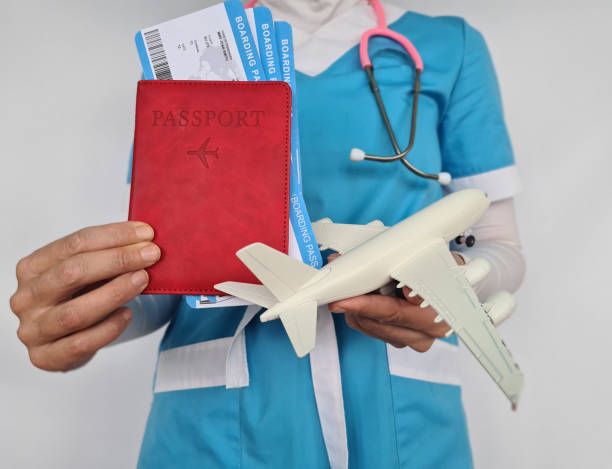
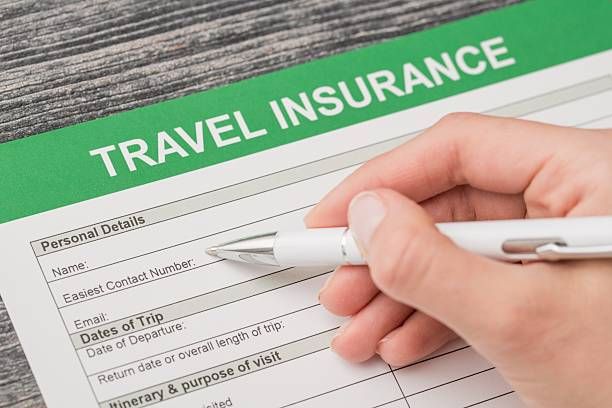
Doctor holding travel documents and medical insurance before boarding international flight.

It’s easy to assume minor scrapes won’t happen to us, or that healthcare costs elsewhere are manageable. But the reality of international travel, especially in unpredictable environments, demands more than hope. A serious illness or accident abroad can derail a trip and lead to astronomical medical bills and logistical nightmares.

Forget the souvenir budget for a second. Your most crucial travel prep is securing comprehensive medical coverage. Here’s the essential protection you MUST have:

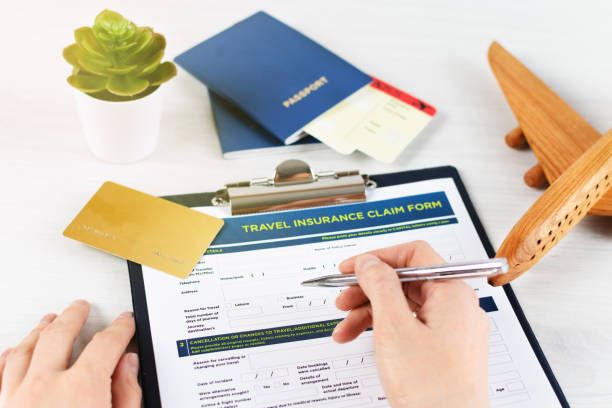
A traveler filling out an insurance claim form with bills
  1. Emergency Medical Expenses: The Non-Negotiable Core
    • What it is: Covers the costs of necessary medical treatment for sudden, unexpected illnesses or injuries occurring during your trip. This includes hospital stays, doctor visits, diagnostic tests (X-rays, labs), surgery, and prescription medications related to the emergency.
    • Why YOU Need It: Even seemingly minor issues (severe food poisoning, a deep cut requiring stitches, a nasty respiratory infection) can require significant care. Costs vary wildly by country and can be exorbitant, especially in private facilities common for expats or travelers. As medical professionals, we know costs can escalate quickly. Aim for high coverage limits ($250,000+ minimum, $1 million+ recommended, especially for travel to the USA or remote locations).
  2. Emergency Medical Evacuation: Your Lifeline Home
    • What it is: Covers the potentially astronomical cost of transporting you to the nearest adequate medical facility if you become critically ill or injured in a location without appropriate care. If medically necessary, it also covers repatriation (transport back to your home country).
    • Why YOU Need It: This is arguably the MOST critical coverage. Imagine needing complex cardiac care while trekking in Nepal, or specialized trauma surgery in a remote area. The logistics and cost of arranging a medically equipped air ambulance or specialized transport are staggering (easily reaching $100,000+). As doctors, we understand the limitations of local healthcare infrastructure in many parts of the world. Don’t travel without substantial evacuation coverage ($250,000+ minimum, $500,000+ recommended).
  3. Repatriation of Remains: The Difficult Reality
    • What it is: Covers the costs associated with returning your remains to your home country in the tragic event of death abroad.
    • Why YOU Need It: While no one wants to contemplate this, it’s a necessary and compassionate component. International repatriation is complex and costly, involving legal requirements, specialized transport, and coordination. Having this coverage spares your loved ones immense financial and logistical burdens during an already devastating time.
  4. Pre-Existing Medical Condition Waiver: Don’t Get Caught Out
    • What it is: Crucially, this is an add-on or specific policy feature. If you have a known, stable condition (e.g., well-controlled hypertension, diabetes, a past heart condition), a standard policy might exclude any related emergencies. A Pre-Existing Condition Waiver (often with specific requirements like stability periods before travel) removes this exclusion for acute flare-ups related to that condition.
    • Why YOU Need It: Many travelers unknowingly assume they’re covered, only to face denial when a known condition causes an emergency abroad. We know conditions can destabilize unexpectedly, especially with travel stress, dietary changes, or disrupted routines. Disclose your conditions honestly and secure this waiver if applicable. Read the stability requirements very carefully.

Beyond the Absolute Must-Haves (Strongly Recommended):

  • Trip Interruption/Cancellation: Reimburses non-refundable trip costs if you must cancel or cut short your trip due to a covered reason (serious illness/injury to you or a family member, natural disaster, etc.). Protects your financial investment.
  • Accidental Death & Dismemberment (AD&D): Provides a benefit in case of accidental death or loss of limb/sight during the trip.
  • 24/7 Assistance Services: Access to a global assistance hotline for medical referrals, translation help, coordination of care, and emergency cash advances. Invaluable in a crisis.
A traveler filling out an insurance claim form with bills

Prescribing the Right Policy: Key Considerations for Medical Travelers

  1. Destination Matters: Coverage needs differ vastly between a luxury resort in Europe and a medical mission in rural Africa. Ensure your policy explicitly covers your destination(s) and activities (see #4).
  2. Duration is Key: Buy coverage for the entire length of your trip. Don’t risk a gap!
  3. “Direct Pay” vs. Reimbursement: Does the insurer pay hospitals directly (highly preferable), or will you need to pay upfront and file for reimbursement later? The latter can be financially burdensome.
  4. Adventure/Activity Exclusions: Are you planning anything adventurous (trekking above a certain altitude, scuba diving, skiing)? Standard policies often exclude these. You’ll need an add-on or specialized plan.
  5. Read the Exclusions Meticulously: Understand what is NOT covered (e.g., routine check-ups, elective treatment, injuries sustained while intoxicated, pandemics without specific coverage, high-risk activities).
  6. Your Domestic Coverage is (Likely) Useless: Most domestic health insurance plans (like Medicare/Medicaid in the US or provincial plans in Canada) offer minimal or zero coverage abroad. Employer plans often have significant gaps. Never rely solely on them.

The Final Diagnosis:

Traveling without adequate medical insurance is practicing medicine on your own health and finances without a safety net. The potential costs of an overseas medical emergency are simply too high to risk. As healthcare professionals who understand the value of prevention and preparedness, securing comprehensive travel medical coverage – with a laser focus on high emergency medical, robust evacuation, repatriation, and managing pre-existing conditions – isn’t just smart travel planning; it’s essential risk management.

A traveler filling out an insurance claim form with bills.

Action Plan:

  1. Disclose: Honestly declare any pre-existing conditions.
  2. Compare: Get quotes from reputable travel insurance providers, focusing on the core medical components.
  3. Read: Scrutinize policy documents, especially coverage limits, exclusions, and claims procedures.
  4. Purchase Early: Buy your policy soon after booking your trip (often required for pre-existing condition waivers and cancellation coverage).
  5. Carry Proof: Have your insurance card and policy details (including the 24/7 emergency number) easily accessible physically and digitally.

Travel with confidence, knowing you’ve prescribed yourself the best protection. Prioritize your health and financial security abroad just as meticulously as you would for your patients at home. Bon voyage, and stay safe!

Dr. Mohammad Rizwan Feroz

👍 Found this helpful? Show some love & follow us on Instagram @doctortravellog for expert tips & fresh updates!

💬 Got thoughts or questions? React below or drop a quick comment — no login needed!

❤️ 😮 🤔 👍 👎


Travel Insurance Decoded: Essential Medical Coverage for Every International Traveler

Imagine this: You’re hiking in the Swiss Alps when a sudden slip results in a broken ankle. Or perhaps a severe stomach bug strikes during a business trip to Singapore. Without adequate travel insurance, these medical emergencies abroad can spiral into logistical nightmares and financial catastrophes. For international travelers, robust medical coverage isn’t a luxury—it’s a lifeline.

International traveler with travel insurance documents at airport terminal

Why Medical Coverage is Non-Negotiable

Your domestic health insurance likely offers limited or zero coverage overseas. Even in countries with affordable healthcare, costs for serious emergencies (like hospital stays, surgeries, or evacuations) can easily soar into six figures. The U.S. State Department explicitly advises travelers to carry medical coverage, noting that U.S. Medicare/Medicaid doesn’t work abroad. Without it, you risk:

  • Crushing medical bills
  • Denied care without upfront payment
  • Complex, self-funded evacuations
Traveler completing medical travel insurance form before departure

What Quality Medical Travel Insurance Covers

Look for plans explicitly including:

  1. Emergency Medical Expenses: Hospital stays, surgeries, doctor visits, prescription meds.
  2. Emergency Dental Treatment: Sudden pain relief or essential repairs.
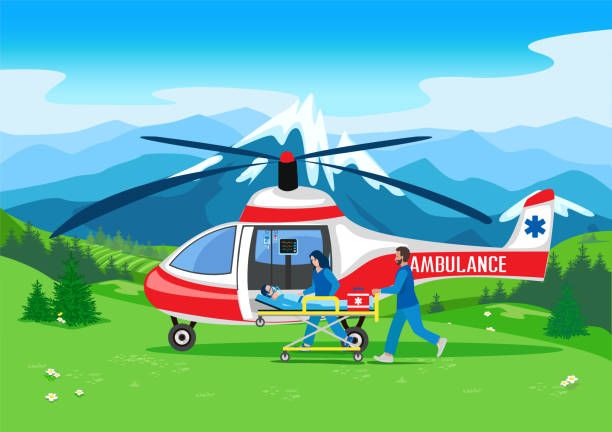
  3. Medical Evacuation: Air ambulance to the nearest qualified facility (critical in remote areas).
  4. Repatriation: Returning you home or bringing remains back if the worst happens.
  5. 24/7 Assistance Services: Multilingual help coordinating care and payments.
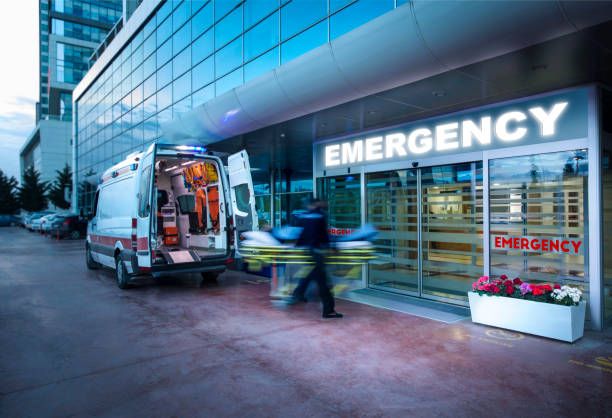
Emergency room with multilingual signage in a foreign country

Pre-Existing Conditions: Navigating the Fine Print

This is a major pitfall. Most standard policies exclude pre-existing conditions (e.g., heart disease, diabetes). However, you CAN get coverage:

  • Look for Waiver Eligibility: Many insurers waive the exclusion if you buy coverage within 10-21 days of your first trip deposit and are medically stable.
  • Specialized Plans: Companies like GeoBlue or Allianz offer plans specifically covering stable pre-existing conditions (check stability periods).
  • Honesty is Key: Disclose conditions upfront. Denial due to non-disclosure voids claims.
Traveler reviewing medications and pre-existing condition coverage

Choosing the Right Plan: Key Considerations

  • Destination: Costs vary wildly (e.g., $100k+ for ICU care in the U.S. vs. lower costs elsewhere). Ensure coverage limits ($250k-$1M+) match local healthcare costs.
  • Activities: Skiing, scuba diving, or trekking? Standard plans often exclude “adventure sports.” Add a rider if needed.
  • Trip Duration: Short-term vs. annual multi-trip policies.
  • Deductible/Co-Insurance: Higher deductibles lower premiums but increase out-of-pocket costs during a claim.
  • Provider Reputation: Choose insurers with proven claims support and global networks (e.g., IMG, WorldTrips, Seven Corners). Verify via AM Best ratings.

The Claims Process: Be Prepared

  1. Contact Immediately: Call your insurer’s assistance hotline before treatment (unless life-threatening).
  2. Document Everything: Keep itemized bills, medical reports, receipts, and police reports (if applicable). Take photos if possible.
  3. Submit Promptly: Complete claim forms accurately with supporting documents.
Filing a medical insurance claim from abroad after treatment

Common Exclusions to Avoid Pitfalls

Even comprehensive plans exclude:

  • Routine checkups or pre-existing conditions (without a waiver)
  • Injuries from alcohol/drug use or reckless behavior
  • High-risk activities (without a rider)
  • Travel to destinations under government sanctions or active travel advisories (check the U.S. State Department Alerts)

Final Prescription for Peace of Mind

Don’t gamble with your health—or finances. Prioritize plans with strong medical and evacuation coverage, understand exclusions, and declare pre-existing conditions transparently. Investing in tailored medical travel insurance ensures you explore the world confidently, knowing you’re protected against the unexpected.

Ready to Travel Safely?

Compare policies using reputable aggregators like

Squaremouth or InsureMyTrip.

Verify coverage details directly with providers and always carry your insurance ID and emergency contacts.

Disclaimer: This article provides general guidance. Policy terms vary significantly—always read your specific plan documents carefully before traveling.

Dr.Mohammad Rizwan Feroz

👍 Found this helpful? Show some love & follow us on Instagram @doctortravellog for expert tips & fresh updates!

💬 Got thoughts or questions? React below or drop a quick comment — no login needed!

❤️ 😮 🤔 👍 👎


Malaria Prevention Guide: Zones, Medication Options & Bite Avoidance

By Dr Mohammad Rizwan Feroz Emergency Physician & Founder of DoctorTravelLog

A close-up of a mosquito on human skin, symbolizing malaria prevention

As an emergency doctor who’s treated travelers battling preventable diseases, I’ve seen malaria’s devastating impact firsthand. This isn’t “just a fever”—it’s a parasitic infection killing over 600,000 people yearly (WHO, 2024). But with smart preparation, your risk plummets. Here’s your evidence-based prevention blueprint.

🗺️ Part 1: Know Your Risk – Malaria Zones Explained

Malaria isn’t uniformly distributed. Risk depends on:

  • Geography: Tropical/subtropical zones (Sub-Saharan Africa, South Asia, Latin America, Oceania).
  • Altitude: Rare >2,000m (6,500 ft).
  • Season: Highest during/after rainy seasons.
  • Urban vs. Rural: Cities generally lower risk (exceptions: Africa, India).

Highest-Risk Regions (CDC 2024):

  • 🌍 Sub-Saharan Africa: 95% of global malaria deaths. Plasmodium falciparum (severe/complicated malaria) dominates.
  • 🌏 Southeast Asia: Cambodia, Laos, Myanmar; rising artemisinin resistance.
  • 🌎 Amazon Basin: Brazil, Peru, Colombia. P. vivax and P. falciparum.
  • 🏝️ Papua New Guinea/Solomon Islands: High transmission.

Action Step: Check the CDC Malaria Map or WHO Malaria Threat Index 8 weeks pre-travel.

💊 Part 2: Anti-Malarial Medications – A Doctor’s Breakdown

Medication is non-negotiable in high-risk zones. Options depend on destination, health history, and trip duration:

Medication Dosage & Timing Best For Key Precautions
Atovaquone-Proguanil (Malarone®) 1 tab daily. Start 1-2 days pre-trip; continue 7 days post. Short trips, last-minute travelers. Low side effects. Avoid if pregnant/breastfeeding or severe kidney disease.
Doxycycline 100mg daily. Start 1-2 days pre-trip; continue 4 weeks post. Long-term travelers, budget-conscious. Sun sensitivity (use SPF 50+), not for kids <8, or pregnancy.
Mefloquine (Lariam®) 1 tab weekly. Start 2-3 weeks pre-trip; continue 4 weeks post. Regions with chloroquine resistance. Screen for depression/anxiety/psychosis history. Avoid if cardiac issues.
Tafenoquine (Arakoda®) Loading dose pre-trip, then weekly. Stop 1 week post. Adults only; prevents relapse of P. vivax. Requires G6PD testing first (risk of hemolysis).

I recommend double-checking drug interactions on Medscape. Here’s the link:

⚠️ Critical Notes from the ER:
No medication is 100% effective—combine with bite prevention.
– Start meds early to test tolerance pre-travel.
Finish the full course post-trip (relapses occur with P. vivax/ovale).

🦟 Part 3: Bite Avoidance – Your First Line of Defense

Mosquitoes carrying malaria bite dusk to dawn. My top strategies:

  1. Repellents:
    • DEET (20-50%): Gold standard. Lasts 6-12 hours. Safe for kids >2 months.
    • Picaridin (20%): Odorless, non-greasy. Comparable to DEET.
    • IR3535 (20%): Safe for pregnancy/kids. Shorter duration (4-6 hrs).
    • Avoid: “Natural” repellents (lemon eucalyptus lasts <2 hrs).
  2. Clothing:
    • Permethrin-treated gear: Kills mosquitoes on contact. Lasts 70+ washes.
    • Cover skin: Long sleeves/pants in loose, light-colored fabric.
  3. Sleep Protection:
    • Air-conditioned rooms or screened windows.
    • Permethrin-treated bed nets (check for holes; tuck under mattress).
  4. Environmental Tactics:
    • Avoid stagnant water (mosquito breeding sites).
    • Use plug-in repellent devices (metofluthrin) in hotel rooms.

👩‍⚕️ Special Populations: Extra Precautions

  • Pregnant Travelers: Malaria risks miscarriage/stillbirth. Avoid travel to high-risk zones. If essential: mefloquine (2nd/3rd trimester) + permethrin nets.
  • Children: DEET (20-30%) safe >2 months. Weight-based Malarone® dosing.
  • Immunocompromised: Higher risk of severe disease. Consult specialist pre-travel.

🚨 When to Seek Emergency Care (Even on Prophylaxis)

Malaria symptoms can appear 7-30 days post-bite. Go to a hospital immediately if you develop:

  • Fever >38°C (100.4°F) + chills
  • Severe headache, confusion, or seizures
  • Jaundice (yellow skin/eyes) or dark urine
  • Breathing difficulties or chest pain

📌 Doctor’s Tip: Carry a rapid malaria test kit if traveling remote. Know the nearest hospital with IV artesunate (gold-standard treatment).

💎 Key Takeaways

  1. Check malaria risk for your destination.
  2. Get prescribed prophylaxis 4-8 weeks pre-travel.
  3. Avoid bites rigorously with DEET, permethrin, and nets.
  4. Suspect malaria? Seek care ASAP—delays can be fatal.

Safe travels, and remember: Preparedness is your passport to health.

Disclaimer: This guide is informational. Consult a travel medicine specialist or GP for personalized advice.

© DoctorTravelLog | 2025

👍 Found this helpful? Show some love & follow us on Instagram @doctortravellog for expert tips & fresh updates!

💬 Got thoughts or questions? React below or drop a quick comment — no login needed!

❤️ 😮 🤔 👍 👎

Study Medicine in China 🇨🇳

Your Complete Guide for International Students (2025)

Unlock World-Class Medical Education at Affordable Costs
China has become a top destination for international medical students, blending ancient healing traditions with cutting-edge healthcare innovation. With over 10,000 international students enrolled in MBBS programs, China offers globally recognized degrees, state-of-the-art facilities, and rich cultural immersion—all at a fraction of Western costs. This DoctorTravelLog guide covers everything you need to embark on your medical journey in China.

International medical student in China with Chinese flag backdrop

Why China? Key Advantages

  1. MOE-Approved Degrees
    • Degrees from China’s Ministry of Education (MOE)-listed universities are recognized by WHO, ECFMG (USA), MCI/NMC (India), GMC (UK), PMC (Pakistan), BMC (Bangladesh) and more.
  2. Affordability
    • Tuition: $3,500–$10,000/year (vs. $50,000+ in the US/UK).
    • Living costs: $3,000–$5,000/year.
  3. English-Medium Programs
    • 6-year MBBS courses fully taught in English.
  4. World-Class Infrastructure
    • AI-equipped labs, simulation hospitals, and partnerships with 1,000+ teaching hospitals.
  5. Scholarship Opportunities
    • 20,000+ scholarships annually via CSC, provincial, and university programs.
State-of-the-art Chinese medical university campus

Top 20 MOE-Approved Medical Universities (2024)

Ranked by QS World University Rankings (Medicine) & Global Reputation

University City Global Ranking Annual Tuition (USD)
Peking University Health Science Center Beijing #24 (QS) $9,500
Fudan University Shanghai #29 $9,000
Shanghai Jiao Tong University Shanghai #46 $8,800
Zhejiang University Hangzhou #55 $8,500
Sun Yat-sen University Guangzhou #138 $7,200
Sichuan University Chengdu #203 $6,800

Note: Always verify MOE recognition status via China’s MOE Portal.

Peking University Health Science Center - Beijing

Admission Process: Step-by-Step (2024)

  1. Eligibility
    • Academic: 75%+ in PCB (Physics, Chemistry, Biology) at 10+2 level.
    • Age: 17–25 years.
    • Language: IELTS 6.0/TOEFL 80 (waived if prior education was in English).
    • Indian Students: Valid NEET score (50th percentile+).
  2. Application Timeline
    • Dec–Mar: Apply via university portals or authorized agents.
    • Apr–Jun: Receive offer letters & JW202 visa forms.
    • Jul–Aug: Pay fees, apply for X1 visa.
  3. Documents Checklist

    – High school transcripts + diploma

    – NEET scorecard (for Indians)

    – Passport copy

    – Medical fitness certificate

    – 2 recommendation letters

    – Personal statement

    – Non criminal certificate
International students applying for MBBS in China

Fee Structure & Scholarships

Annual Costs (USD)

  • Tuition: $3,500–$10,000
  • Hostel: $800–$2,000
  • Living Expenses: $2,000–$4,000
  • Insurance: $100–$200

Scholarships

  1. CSC Scholarship (Full Ride): Covers tuition + living stipend ($1,000/month).
  2. Provincial Scholarships: 30–50% fee waivers (e.g., Jiangsu, Beijing).
  3. University Scholarships: Merit-based (e.g., Fudan “Belt & Road” Scholarship).

Apply via CSC Portal by January 31 annually.


Reliable Consultant Agencies

Officially endorsed by Chinese MOE:

  1. CUCAS (www.cucas.cn)
  2. China Admissions (www.china-admissions.com)
  3. SICAS (www.sicas.cn)

Warning: Avoid agents demanding “admission fees”—tuition is paid directly to universities.


Pros vs. Cons: Reality Check

Pros Cons
Low cost, high ROI Mandatory Mandarin for clinicals
WHO-recognized degrees FMGE/NMC pass rates vary (30–50%)
Modern tech & research exposure Cultural adaptation challenges
Scholarship accessibility Limited or No part-time work options
Global career pathways Distance from home

Critical Tips for Success

  1. Verify Recognition: Confirm your university is listed in the World Directory of Medical Schools.
  2. Learn Mandarin: HSK 4 proficiency required for hospital rotations (Year 4+).
  3. Plan Licensing Early: Prep for home-country exams (USMLE, PLAB, FMGE) during your MBBS.
  4. Cultural Prep: Adapt to collaborative (vs. competitive) learning styles.

The DoctorTravelLog Verdict

“China offers unparalleled value for aspiring doctors, but success demands diligence. Choose MOE-approved universities, master medical Mandarin before internship, and align your studies with home-country licensing requirements. For the disciplined student, it’s a launchpad to a global career.”


Next Steps

  1. Explore verified student reviews on MDinChina Forum.
  2. Questions? Ask in the comments below!

Disclaimer: Policies change yearly. Always cross-check with university admissions offices.

Dr.Mohammad Rizwan Feroz

👍 Found this helpful? Show some love & follow us on Instagram @doctortravellog for expert tips & fresh updates!

💬 Got thoughts or questions? React below or drop a quick comment — no login needed!

❤️ 😮 🤔 👍 👎
Heart Attack vs. Cardiac Arrest

An ER Doctor in Muscat Explains the Critical Difference

As an emergency physician working in Muscat, I see firsthand the confusion surrounding the terms “heart attack” and “cardiac arrest.” Often used interchangeably, they describe two distinct, though sometimes related, life-threatening events. Understanding this difference isn’t just medical jargon – it can be the difference between life and death. Knowing what to look for and how to react is crucial.

ER doctor in Muscat explaining heart attack vs cardiac arrest in a hospital setting

The Core Difference: Plumbing vs. Electricity

Think of your heart as a house:

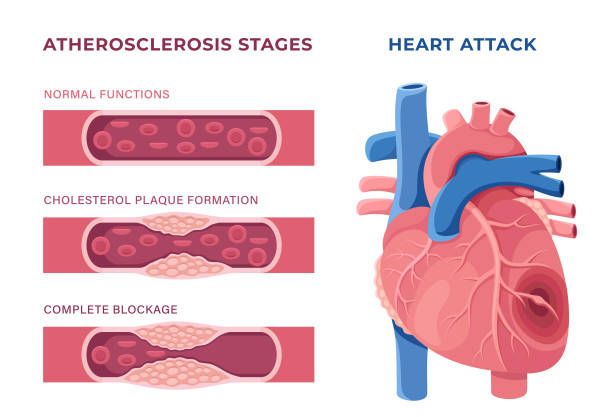
1. Heart Attack (Myocardial Infarction): A Plumbing Problem

Diagram showing heart attack as blocked artery vs cardiac arrest as electrical failure"
  • What Happens: A blocked pipe! One or more coronary arteries supplying blood to the heart muscle itself become obstructed, usually by a blood clot forming on top of a cholesterol plaque. This blockage cuts off oxygen-rich blood to a section of the heart muscle.
  • Analogy: A clogged pipe preventing water from reaching a specific room. That room (heart muscle) starts to suffer damage.
  • The Heart: Usually still beating. The problem is blood flow to the heart muscle.
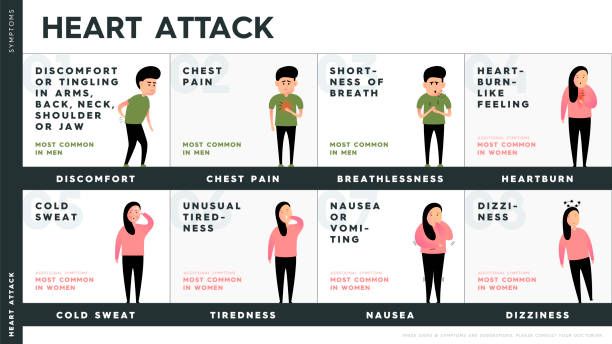
  • Symptoms (Often Gradual, Can Last Hours/Days):
    • Chest pain, pressure, tightness, or squeezing (like an elephant sitting on your chest)
    • Pain radiating to arm(s), neck, jaw, shoulder, or back
    • Shortness of breath
    • Cold sweat
    • Nausea/vomiting
    • Lightheadedness
    • Unusual fatigue
    • (Important Note: Symptoms can be subtle, especially in women and diabetics – don’t ignore unusual feelings!)
  • Outcome Without Treatment: The affected heart muscle begins to die. This damage can weaken the heart, lead to heart failure, or trigger a cardiac arrest.
"Infographic comparing symptoms of heart attack and cardiac arrest"

2. Cardiac Arrest: An Electrical Problem

  • What Happens: A sudden power outage! The heart’s electrical system malfunctions, causing the heart to beat chaotically (ventricular fibrillation) or stop beating altogether (asystole). This halts effective pumping. Blood stops flowing to the brain, lungs, and other vital organs.
  • Analogy: The house’s electrical system shorts out, plunging everything into darkness and stopping all function instantly.
  • The Heart: Stops beating effectively or stops completely. No pulse. No blood flow.
  • Symptoms (Sudden and Dramatic):
    • Sudden collapse
    • Loss of consciousness/unresponsiveness
    • No normal breathing (may have gasping agonal breaths)
    • No pulse
  • Outcome Without Immediate Treatment: Death within minutes. Brain damage starts after just 4-6 minutes without blood flow.
Diagram showing heart attack as blocked artery vs cardiac arrest as electrical failure"

The Critical Link: How One Can Lead to the Other

  • A severe heart attack can cause an electrical disturbance that triggers cardiac arrest.
  • Other conditions like severe arrhythmias, electrocution, drowning, trauma, or respiratory failure can also cause cardiac arrest without a preceding heart attack.

Why This Difference Matters in Muscat (and Everywhere Else)

1. Recognition:

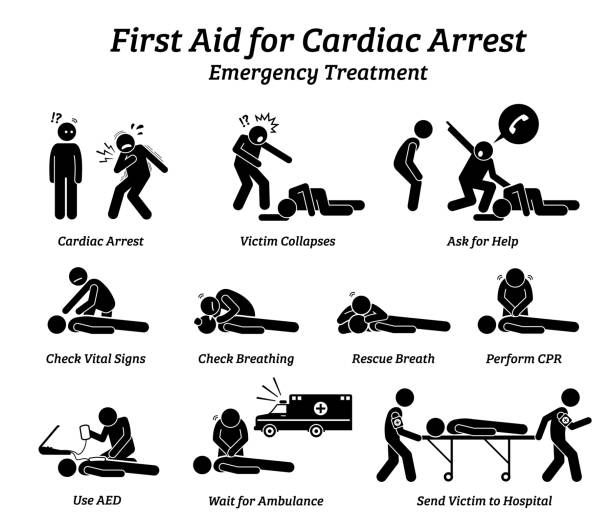
Knowing the symptoms helps you identify the problem faster. Chest pain demands urgent medical attention before it might turn into arrest. Unresponsiveness and no breathing is cardiac arrest now.

2. Response:

  • Heart Attack: Call Emergency Services Immediately (999 in Oman). Every minute of delay means more heart muscle damage. Chew aspirin (if not allergic) as advised while waiting for help. Do NOT drive yourself.
  • Cardiac Arrest:This is an absolute emergency requiring instant action:
    • Shout for Help & Dial 999.
    • Start CPR (Cardiopulmonary Resuscitation) IMMEDIATELY: Push hard and fast (at least 5-6 cm deep, 100-120 beats per minute) in the center of the chest. Don’t stop until help arrives or an AED is ready.
    • Use an AED (Automated External Defibrillator) if available: Turn it on and follow the voice prompts. These devices can shock the heart back into a normal rhythm and are increasingly available in public places in Muscat. CPR + AED use within the first few minutes is the ONLY chance for survival.
"Bystander using CPR and AED during cardiac arrest in Muscat public setting"

Prevention: Your Best Defense

While not always preventable, managing risk factors significantly lowers your chances:

  • Control Blood Pressure & Cholesterol
  • Manage Diabetes
  • Quit Smoking/Vaping
  • Maintain a Healthy Weight
  • Exercise Regularly
  • Eat a Heart-Healthy Diet (Mediterranean style is excellent)
  • Manage Stress
  • Attend Regular Health Check-ups
Preventive health for heart attack and cardiac arrest: diet, exercise, regular checkups"

The Bottom Line from the Muscat ER:

A heart attack is a circulation problem – blood flow to the heart is blocked. The person is usually conscious and experiencing symptoms. Call 999 immediately.

Cardiac arrest is an electrical problem – the heart stops beating effectively. The person is unconscious, not breathing normally, and has no pulse. This requires immediate CPR and an AED. Call 999 and START COMPRESSIONS NOW.

Understanding this difference empowers you to act swiftly and correctly. Share this knowledge. Encourage CPR training – it’s a lifesaving skill anyone can learn. Your actions in those critical first minutes before help arrives here in Muscat can make all the difference.

👍 Found this helpful? Show some love & follow us on Instagram @doctortravellog for expert tips & fresh updates!

💬 Got thoughts or questions? React below or drop a quick comment — no login needed!

❤️ 😮 🤔 👍 👎

MBBS in Europe vs. Asia: Finding Your Perfect Medical School Match (Not Just “Better”)

Choosing where to pursue your MBBS (Bachelor of Medicine, Bachelor of Surgery) is one of the most significant decisions for an aspiring international doctor. It’s not just about getting a degree; it’s about shaping your future career, lifestyle, and even your worldview. Europe and Asia emerge as two powerhouse destinations, each radiating distinct advantages and challenges. Declaring one universally “better” is impossible – the “best” fit depends entirely on you.

Let’s dissect the pros and cons of pursuing an MBBS in Europe versus Asia to help you navigate this life-altering choice:

The European Pathway: Tradition, Integration & Global Mobility

  • Pros:
    • High Standards & Global Recognition: Degrees from accredited EU universities (especially in countries like Germany, Poland, Czech Republic, Hungary, Romania, Bulgaria, Italy, Spain) are widely respected by medical councils globally (USMLE, PLAB, AMC pathways generally smoother). Rigorous quality control is a hallmark.
    • Integrated EU Practice Potential: Graduating from an EU country often simplifies the process of practicing medicine within other EU/EEA nations due to mutual recognition directives (though language proficiency is still key). This offers incredible career mobility.
    • Advanced Infrastructure & Research: Access to cutting-edge medical technology, well-equipped teaching hospitals, and opportunities to engage in high-level research projects is often readily available.
    • Cultural Immersion & Travel: Studying in Europe offers unparalleled access to diverse cultures, languages, and travel opportunities across the continent during breaks.
    • Focus on Clinical Skills (Often): Many European programs integrate clinical exposure earlier and more consistently than some traditional Asian curricula.
    • English-Taught Programs: A wide range of universities offer MBBS programs entirely in English, attracting a diverse international student body.
  • Cons:
    • Higher Tuition & Living Costs: While often cheaper than the US/UK, tuition fees and especially living expenses (Western/Northern Europe particularly) are significantly higher than in most Asian destinations. Budget realistically.
    • Competitive Entry: Admission can be highly competitive, requiring excellent high school grades (especially in science subjects), strong entrance exam scores (e.g., IMAT for Italy, NEET for some), and sometimes specific language prerequisites even for English programs.
    • Language Barrier for Practice: While the degree might be in English, practicing medicine locally requires near-native fluency in the host country’s language (e.g., German, Polish, Czech). Learning this is non-optional for local licensure.
    • Colder Climate Adjustment: For students from tropical Asia, adapting to long, cold winters in many European destinations can be challenging.
    • Cultural Adjustment: European social norms, teaching styles, and daily life can feel more distant initially for students from Asian backgrounds compared to studying within Asia.

The Asian Pathway: Affordability, Scale & Diverse Options

  • Pros:
    • Significant Cost Advantage: This is often the biggest draw. Tuition fees and living expenses in countries like China, Philippines, Russia, Ukraine (pre-war context is complex), Kyrgyzstan, Kazakhstan, Bangladesh, Nepal, and some programs in India (for NRI/Management quota) are substantially lower than in Europe or the West.
    • Large International Communities: Many Asian medical universities have well-established systems for international students, large expat communities, and support structures catering specifically to them.
    • PMC( Pakistan)/MCI/NMC Recognition (Crucial for India): Many universities in China, Philippines, Russia, Bangladesh, Nepal etc., are recognized by India’s National Medical Commission (NMC), allowing graduates to sit for the FMGE (now NEXT) to practice in India. This is paramount for Indian students intending to return home.
    • Cultural Proximity (For Many): Students from South Asia, Southeast Asia, or the Middle East may find cultural adaptation easier, with familiar food, social dynamics, and potentially shorter travel distances.
    • Focus on Theoretical Foundation: Some Asian curricula place a strong emphasis on rote learning and theoretical knowledge, which can be advantageous for certain licensing exams.
    • High Patient Volume: Hospitals attached to universities often see enormous patient volumes, offering exposure to a wide range of cases early on.
  • Cons:
    • Variable Quality & Recognition: Quality can vary dramatically between institutions and countries. Vigilant research is CRITICAL. Ensure the university is recognized by the medical council of the country where you intend to practice. (WHO’s World Directory of Medical Schools is a start, but check specific council lists like PMC,BMC,NMC, ECFMG, GMC).
    • Language of Instruction & Patient Interaction: While programs are marketed in English, clinical rotations often involve patients and local doctors speaking the native language (Mandarin, Russian, Filipino dialects, etc.).This can hinder learning and patient interaction if you’re not proficient.
    • Infrastructure Disparities: While top universities are excellent, some institutions, especially in less developed areas, may have outdated equipment or facilities compared to European counterparts.
    • Licensing Exam Hurdles (For Non-Home Practice): Returning to practice in the US, UK, Australia, or even the EU often requires clearing challenging licensing exams (USMLE, PLAB, AMC) and potentially additional internships/training, which can be a long road regardless of where you study.
    • Cultural & Lifestyle Adjustments: Bureaucracy, teaching styles, food, hygiene standards, and social freedoms can differ significantly and be challenging for some.
    • Political Instability (Specific Regions): Some popular destinations have experienced political unrest or conflict, impacting student safety and continuity of studies (research current conditions diligently).

Meet the Students:

  • Sofia (from Brazil): Chose Hungary. “The EU degree recognition was key for me, dreaming of working in Portugal later. Budapest is beautiful, the program is tough but structured. Learning Hungarian is my biggest challenge now!”
  • Arjun (from India): Chose the Philippines. “Cost was the biggest factor for my family. The NMC recognition list gave me options. English is widely spoken, but learning basic Tagalog helps in the wards. The patient volume is insane – you see everything!”

Beyond the Continents: Key Questions to Ask YOURSELF

  1. Where Do You Want to Practice Ultimately? This is the MOST crucial factor. Research the specific licensing requirements (exams, internships, language) for your target country *before* choosing a medical school. An NMC-recognized Asian university might be “better” for India, while an EU degree eases EU practice.
  2. What’s Your Realistic Budget? Include tuition, accommodation, food, travel, health insurance, and potential language courses for the entire duration. Don’t underestimate living costs in Europe.
  3. How Important is Cultural Proximity & Support? Can you thrive far from familiar comforts, or do you need a larger community from your home region?
  4. What’s Your Learning Style?  Do you prefer highly structured, theory-heavy learning (some Asian styles) or earlier clinical integration and problem-based learning (common in Europe)?
  5. Are You Willing to Learn a New Language (Fluently)? For Europe, this is almost mandatory for practice. In Asia, it’s essential for effective clinical rotations and daily life beyond campus.

The Verdict: It’s About Alignment, Not Ranking

There is no single “better” continent for an MBBS. Europe shines with its high global recognition, EU mobility potential, advanced infrastructure, and cultural richness, demanding a higher budget and language commitment. Asia excels in affordability, offers NMC-recognized options crucial for Indian returnees, and provides cultural familiarity for many, requiring careful vetting for quality and presenting language/recognition hurdles for non-home practice.

Your Next Step: Research Relentlessly!

  • Verify Recognition: Double and triple-check the university is listed on the official medical council websites of your target practice countries (NMC, GMC, ECFMG, AMC etc.). DoctorTravelLog recommends using the official council directories, not just agent claims.
  • Talk to Current Students & Alumni: Seek honest opinions on curriculum, faculty, facilities, support, and challenges. Explore DoctorTravelLog’s Student Forum (Link) for real experiences.
  • Consider Lifestyle Fit: Visit if possible, or research extensively. Can you live there happily for 5-6 years?
  • Understand the Fine Print: Know the total costs, language requirements, internship structure, and FMGE/NEXT/USMLE pass rates of the university.

Ready to chart your medical journey?

Choosing between Europe and Asia is deeply personal. By honestly assessing your goals, budget, and preferences, and conducting meticulous research, you’ll find the medical school that isn’t just a place to study, but the launchpad for your dream career.

Overwhelmed by choices? DoctorTravelLog offers personalized consultancy services and in-depth Country & University Guides. Explore our resources or Book a Consultation today!

Dr. Mohammad Rizwan Feroz


👍 Found this helpful? Show some love & follow us on Instagram @doctortravellog for expert tips & fresh updates!

💬 Got thoughts or questions? React below or drop a quick comment — no login needed!

❤️ 😮 🤔 👍 👎