The stark beauty of the desert calls to adventurers, but its unforgiving environment hides dangers most tourists never consider. Understanding essential desert survival medicine isn’t about dramatic Hollywood tropes; it’s about recognizing subtle, life-threatening tourist health risks that escalate with alarming speed. Ignorance of heat illness prevention, dehydration symptoms, and wilderness first aid fundamentals transforms a dream trip into a lethal crisis. What you don’t know about surviving extreme heat, finding water, and treating common desert injuries truly can kill you. This guide, from a medical perspective, reveals the critical gaps in tourist knowledge and the practical survival medicine steps that save lives.
Beyond the Canteen: The Silent Killers Most Tourists Miss
- Heatstroke: Not Just “Feeling Hot” – Cellular Shutdown: Tourists often mistake exhaustion (dizziness, nausea, heavy sweating) for just being overheated. Heatstroke, the true killer, is a medical emergency where the body’s core temperature soars past 104°F (40°C), causing cellular breakdown.
- Critical ignorance: Sweating often stops in heatstroke as the body fails. Hot, dry, flushed skin with confusion, seizures, or loss of consciousness means imminent organ failure and death.
- Survivor Medicine: Prevention is absolute. Hike in coolest hours, wear loose, light-colored clothing covering skin, soak clothes/hat in water. If heatstroke strikes: Immediate, aggressive cooling is the ONLY priority. Get to shade, strip unnecessary clothing, drench with any available water (cool, not ice-cold), fan vigorously. EVACUATE IMMEDIATELY. Every minute counts. Forget “toughing it out” – delay is fatal.
- Hyponatremia: When Drinking Water Becomes Poisonous: Everyone knows “drink water,” but few tourists understand hyponatremia – critically low blood sodium from drinking too much plain water without replacing electrolytes lost in sweat.
- Critical ignorance: Symptoms mimic dehydration (headache, nausea, fatigue), leading tourists to drink more water, worsening the crisis. Confusion, seizures, coma, and death follow.
- Survivor Medicine: Balance is key. Drink steadily (sip, don’t gulp), especially during exertion. Include electrolyte sources: pre-mixed solutions, salty snacks (nuts, pretzels), or even small amounts of broth if available. If severe symptoms develop, stop drinking plain water, consume salty foods if conscious, and seek help. Recognize the paradox: clear urine and worsening symptoms after heavy water intake signals hyponatremia.
- Dehydration: The Slow, Insidious Thief of Judgment: Dehydration creeps in long before intense thirst hits.
- Critical ignorance: By the time you feel very thirsty, you’re already significantly dehydrated, impairing critical thinking and physical ability – exactly when you need them most to survive. Dark urine, fatigue, headache, and irritability are early warnings tourists often ignore.
- Survivor Medicine: Pre-hydrate before activity. Sip constantly (set a timer if needed), aiming for pale yellow urine. Monitor your group – dehydration makes people irrational and less likely to self-care. Eat water-rich foods (fruits, veggies). Rationing water too aggressively early on is dangerous; drink steadily before a crisis.
Beyond Heat & Thirst: Other Overlooked Threats
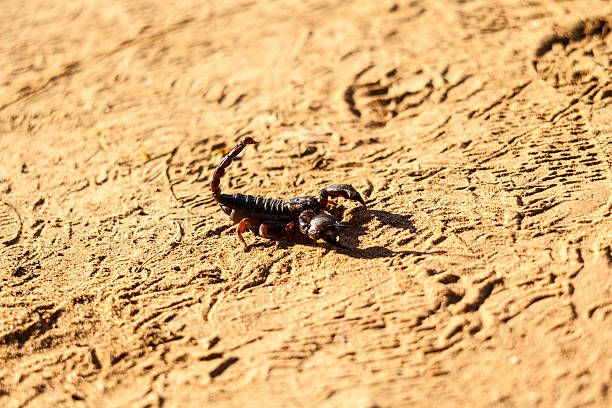
- Venomous Critters: Know Your Enemy (and First Aid Myths): Tourists fear snakes, but scorpions and spiders (like recluses) are common.
- Critical ignorance: Most “field extraction” kits (suction devices, cutting) are ineffective and dangerous. Applying ice or tourniquets worsens tissue damage from many venoms.
- Survivor Medicine: Prevention: Shake out boots, bedding; watch where you step/place hands. If bitten/stung: Stay calm (panic increases venom spread). Immobilize the limb at heart level. Remove constrictive items (rings, watches). Wash gently with soap/water. Identify the creature ONLY if safe. EVACUATE – antivenom is often the only effective treatment. Forget cutting, sucking, or ice.
- Environmental Injuries: Sand, Sun, and Sharp Things: Blistering feet can immobilize. Deep sand cuts easily become infected. Intense UV radiation causes rapid sunburn and eye damage (snow blindness can happen on sand!).
- Critical ignorance: Underestimating the speed and severity of sunburn/infection in the dry, dusty environment. Not protecting eyes.
- Survivor Medicine: Meticulous foot care (proper boots, moisture-wicking socks, treat blisters early). Clean all wounds immediately with purified water, apply antibiotic ointment, cover. High-SPF broad-spectrum sunscreen reapplied constantly, wide-brimmed hat, UV-blocking sunglasses always.
- Getting Lost: The Mental Game: Panic is the enemy.
- Critical ignorance: Not telling someone your route/return time. Rushing blindly when lost, expending energy and water.
- Survivor Medicine: STOP (Stop, Think, Observe, Plan). Conserve energy and water. Signal for help (mirror, bright clothing, smoke if safe). Stay put if you told someone your plan. Night travel is cooler but riskier for injury.

The DoctorTravelLog Top 3 Desert Survival Prescriptions:
- Respect the Heat Relentlessly: Plan around it, dress for it, hydrate for it. Heatstroke kills fast.
- Water is Life, But Balance is Key: Sip steadily, include electrolytes, recognize hyponatremia symptoms. Your urine color is your dashboard gauge.
- Prepare for the Worst, Hope for the Best: Carry a desert-specific first aid kit (emphasis on wound care, electrolytes, burn gel), signaling devices (mirror, whistle), extra water, navigation tools, and tell someone your plans.
The desert’s majesty demands profound respect. Understanding these hidden medical dangers and the core principles of desert survivor medicine isn’t about fear; it’s about empowerment. Equip yourself with this knowledge, prioritize prevention, and you transform potential lethal threats into manageable challenges, ensuring your desert adventure is remembered for its awe-inspiring beauty, not its peril.

Disclaimer: This article provides general information for educational purposes only and does not constitute medical advice. Always consult with a healthcare professional or wilderness medicine expert before traveling to remote or extreme environments. Proper training (like wilderness first aid courses) is highly recommended.
Sources for Verification (Ensure Originality):
- Wilderness Medical Society Clinical Practice Guidelines (Heat Illness, Hyponatremia)
- Centers for Disease Control and Prevention (CDC) – Travelers’ Health: Arid Environments
- National Park Service – Desert Safety Information
- American Hiking Society – Desert Hiking Tips
- Peer-reviewed journals: Wilderness & Environmental Medicine, Travel Medicine and Infectious Disease
Dr. Mohammad Rizwan Feroz
👍 Found this helpful? Show some love & follow us on Instagram @doctortravellog for expert tips & fresh updates!
💬 Got thoughts or questions? React below or drop a quick comment — no login needed!
❤️ 😮 🤔 👍 👎






 Doctor Travel Log