7 Travel Vaccines You Didn’t Know You Needed in 2025

Protect your journey with these 7 essential but often-overlooked travel vaccines in 2025.

Planning international travel in 2025? Beyond routine vaccines, discover 7 lesser-known immunizations critical for your health. From Japanese Encephalitis in Bali to Tick-borne Encephalitis in European forests—learn why these overlooked shots could save your trip. Consult a travel medicine specialist today!

As travel surges post-pandemic, adventurers often overlook region-specific health risks. While typhoid and hepatitis vaccines are well-known, evolving disease patterns and 2025 health advisories reveal surprising new essentials.

Here are seven under-the-radar vaccines to discuss with your travel clinic:

1. Japanese Encephalitis (JE)

  • Why: Mosquito-borne in rural Asia (e.g., Bali, Thai rice paddies). Cases spiked 20% in 2024.
  • For Whom: Travelers spending >1 month in rural SE Asia or short-term with high exposure (e.g., camping, farming).
  • 2025 Alert: Outbreaks reported near tourist hubs in Vietnam and Philippines.

2. Tick-borne Encephalitis (TBE)

  • Why: Forested Europe (Germany, Austria) and Asia. 10K cases/year—up 35% since 2022.
  • For Whom: Hikers, campers, or summer travelers to endemic zones.
  • 2025 Alert: Vaccination now advised for Switzerland’s Alpine regions.

3. Cholera (Oral Vaccine Vaxchora®)

  • Why: Food/water-borne in humanitarian crises (e.g., Yemen, Sudan).
  • For Whom: Aid workers or travelers to outbreak zones lacking sanitation.
  • 2025 Perk: Single-dose oral vaccine protects for 3 months.

4. Meningococcal ACWY

  • Why: Required for Saudi Arabia’s Hajj/Umrah. Rising in sub-Saharan “meningitis belt.”
  • For Whom: Pilgrims, festival attendees (e.g., Ghana’s gathering season).
  • 2025 Rule: Saudi Arabia mandates proof for visa approval.

5. Rabies (Pre-Exposure)

  • Why: Fatal if untreated. Rampant in Bali, Thailand, Peru.
  • For Whom: Remote travelers, animal handlers, or families with kids (higher bite risk).
  • 2025 Tip: Saves you from scarce post-bite serums in rural clinics.

6. Polio Booster

  • Why: Endemic in Afghanistan/Pakistan; outbreaks in Malawi/Mozambique.
  • For Whom: Travelers from polio-exporting countries may need proof.
  • 2025 Advisory: WHO lists 12 “at-risk” nations needing boosters.

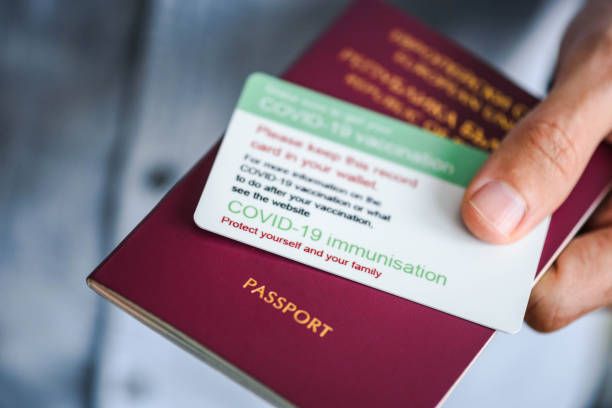
7. COVID-19 XBB.1.5 Variant Booster

  • Why: New variants dominate globally. Japan/Canada require updated boosters for entry.
  • For Whom: All travelers—check country-specific rules pre-departure.

Honorable Mentions:

  • Yellow Fever: Now required for parts of Brazil (Amazonas) due to 2024 outbreaks.
  • Influenza: Southern hemisphere’s flu season (June–Sept) hits travelers in Australia/Argentina.

Practical Advice for 2025 Travelers:

  1. Timing: Schedule vaccines 4–6 weeks pre-trip (some need multiple doses).
  2. Documentation: Use DoctorTravelLog’s [Country-Specific Tool] to check entry requirements.
  3. Where to Go: Visit CDC’s Travel Health site or a certified travel clinic.
Final Thought:

Vaccines aren’t just paperwork—they’re armor against invisible threats. As climate change and urbanization reshape disease landscapes, 2025’s smart traveler prioritizes prevention. Consult a travel medicine specialist, pack your records, and explore confidently! 🌍💉

Dr. Mohammad Rizwan Feroz / DoctorTravelLog


Smart Travel Health Kit 2025: Your Tech-Enhanced Prescription for Safer Journeys

Gone are the days of simply tossing bandages and aspirin into a zip-lock bag. In 2025, the savvy traveler understands that a truly “smart” health kit leverages technology and personalized planning to proactively manage well-being on the road.

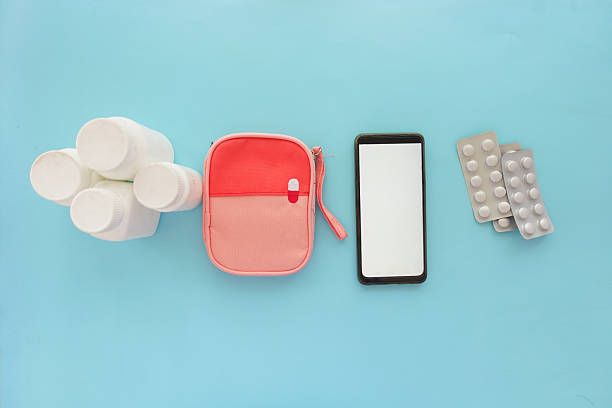
Essential travel first-aid kit with prescription medications and bandages neatly organized

At DoctorTravelLog, we believe staying healthy abroad requires foresight and innovation. Here’s how to assemble your cutting-edge Smart Travel Health Kit for 2025:


Beyond Basics: The Non-Negotiable Core (Enhanced for 2025)

Modern travel health kit with smart gadgets, bandages, and digital health devices

While tech is exciting, the foundation remains critical. Ensure your kit includes:

  1. Prescription Powerhouse:
    • Medications: Ample supply of all regular prescriptions (plus copies of prescriptions/doctor’s notes on letterhead). Consider time-zone changes for dosing schedules.
    • Travel-Specific Meds: Updated 2025 recommendations for destination-specific malaria prophylaxis, altitude sickness meds (like acetazolamide), or antibiotics for traveler’s diarrhea (e.g., azithromycin – prescribed by your doctor).
    • Digital Proof: Scan prescriptions and store them securely in your phone’s health app or encrypted cloud storage.
  2. Wound Care & Infection Control 2.0:
    • Antibiotic ointment packets (single-use reduce waste).
    • Variety of bandages, sterile gauze pads, adhesive tape, and butterfly closures.
    • Antiseptic wipes (alcohol-free options for sensitive skin).
    • Compact UV Sanitizer: Pen-sized UV-C lights for sanitizing surfaces, utensils, or small items on the go.
  3. Symptom Management Essentials:
    • Pain/fever reducer (Acetaminophen, Ibuprofen).
    • Antihistamines (for allergies – non-drowsy & drowsy versions).
    • Decongestant.
    • Anti-nausea medication.
    • Anti-diarrheal medication (e.g., Loperamide).
    • Electrolyte rehydration powder/salts (crucial for hot climates or GI issues).
  4. Protection & Prevention:
    • High-SPF, broad-spectrum sunscreen (reef-safe if applicable).
    • Effective insect repellent (containing DEET 20-30%, Picaridin, or IR3535 – check destination-specific recommendations for 2025).
    • Basic first-aid manual (digital or physical).

The “Smart” Tech Integrations for 2025

This is where your kit becomes truly intelligent and forward-thinking:

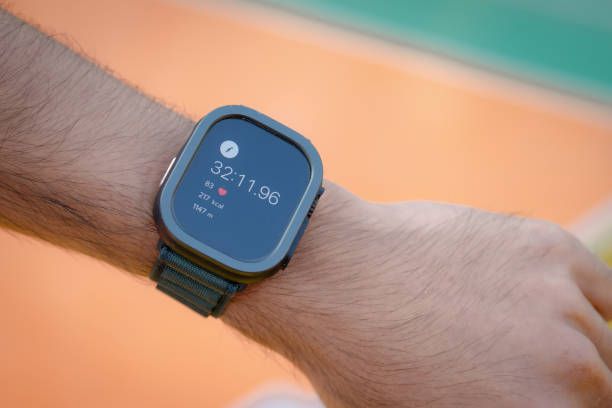
Smartwatch displaying health vitals and digital health monitoring apps for travelers

  1. Digital Health Vault:

    Store encrypted copies of crucial documents on your phone and a secure cloud service:

  2. Telehealth Access:
    • Pre-trip: Schedule a virtual consultation with a travel medicine specialist (essential for 2025, given evolving disease risks).
    • On-trip: Ensure you know how to access your insurance’s telehealth service or have a subscription to a reputable global telehealth provider. A small, portable phone tripod can be invaluable for virtual exams.
  3. Smart Monitoring Devices:
    • Compact Pulse Oximeter: Crucial for altitude travel or respiratory concerns. Many connect to phone apps for tracking.
    • Digital Thermometer: Fast, accurate readings (non-contact models are popular).
    • Portable ECG Monitor (Consider): For travelers with known heart conditions (discuss necessity with your doctor). Single-lead devices like KardiaMobile can provide peace of mind.
    • Continuous Glucose Monitor (CGM) Integration: Diabetic travelers should leverage CGM data synced to their phone apps for real-time monitoring and alerts.
  4. Biometric Tracking (Wearables):
    • Integrate data from your smartwatch (heart rate, sleep quality, activity levels, SpO2) to get an early warning of potential illness (elevated resting heart rate, poor sleep) or overexertion.
  5. AI-Powered Health Assistants:
    • Utilize reputable health apps with AI symptom checkers (like Ada or Babylon) for initial guidance, always followed by professional consultation if symptoms persist. Translation features within these apps can also be helpful abroad.

  6. Smart Medication Management:
    • Use medication reminder apps with customizable alarms accounting for time zone shifts.
    • Consider smart pill dispensers (for complex regimens) or simple timer caps that show the last time a bottle was opened.
  7. Portable Power & Connectivity:
    • A high-capacity, compact power bank is non-negotiable to keep your digital health tools operational.
    • Consider a global SIM card or robust eSIM plan for reliable, affordable data access anywhere – essential for telehealth and accessing health information.

2025 Special Considerations:

  • Climate Resilience: Factor in extreme weather. Add cooling towels, electrolyte tabs, and potentially compact water purification tablets/straws if traveling to areas with questionable water security.
  • Mental Wellness: Include resources like meditation app subscriptions or contact info for telehealth therapists. Jet lag management tools (like Timeshifter) are increasingly valuable.
  • Supply Chain Savvy: Order prescription refills and specialized items well in advance due to potential global supply fluctuations.
  • TSA & Customs Ready: Keep medications in original, clearly labeled containers. Pack liquids/gels compliantly. Have documentation readily accessible for any medical devices.
Jet lag management app, portable water purifier, and heat care travel gear for climate resilience

Assembling Your Smart Kit:

  1. Consult Your Travel Medicine Pro: This is step zero. Get personalized advice based on your health, itinerary, and activities for 2025.
  2. Choose the Right Bag: Durable, water-resistant, and well-organized (clear compartments help). Consider TSA-friendly designs.
  3. Organize Digitally: Set up your digital health vault and essential apps before you travel. Ensure offline access where possible.
  4. Test Your Tech: Charge and test all devices. Know how they work and connect to your phone.
  5. Know Your Insurance: Understand exactly what your travel health insurance covers and how to activate it in an emergency.
Essential travel first-aid kit with prescription medications and bandages neatly organized

The DoctorTravelLog Prescription:

The 2025 Smart Travel Health Kit isn’t just about what you pack; it’s about seamlessly integrating technology, information, and preparation. By combining the timeless essentials with intelligent digital tools and proactive planning, you empower yourself to handle minor issues confidently and access critical help swiftly for more serious situations. Invest in your health tech before your trip – it’s the smartest travel insurance you can have.

Modern travel health kit with smart gadgets, bandages, and digital health devices

Disclaimer: This article provides general guidance. Always consult with your personal physician or a travel medicine specialist for personalized medical advice before any trip. The specific contents of your kit must be tailored to your individual health needs and destination.

Dr. Mohammad Rizwan Feroz

New COVID-19 Variant Emerges in 2025: Essential Traveler Guidance

As we navigate 2025, a new COVID-19 variant (currently designated JN.1.XX by global health authorities) has emerged, prompting understandable questions for travelers. While vigilance is key, panic isn’t necessary. Here’s what you need to know to travel smartly and safely:

1. What We Know About the JN.1.XX Variant

  • Origin & Spread: Descended from the Omicron lineage (like the previous JN.1 variant), JN.1.XX demonstrates increased transmissibility. It’s rapidly becoming dominant in multiple regions.
    (World Health Organization (WHO) – Tracking Variants)
  • Symptoms: Reports suggest symptoms remain similar to recent Omicron variants: primarily upper respiratory (runny nose, sore throat, cough, fatigue, headache). Loss of taste/smell is less common. Severity appears generally mild-to-moderate for most vaccinated individuals, but can vary.
  • Vaccine/Efficacy: Current evidence indicates updated 2024-2025 COVID-19 vaccines continue to provide significant protection against severe disease, hospitalization, and death from JN.1.XX. Protection against infection may wane over time.
    (CDC – Stay Up to Date with COVID-19 Vaccines)

2. Current Travel Restrictions & Requirements (June 2025)

The landscape is fluid! Rules vary significantly by country and can change rapidly:

  • Testing: Some destinations may reinstate pre-departure or arrival testing requirements, particularly for unvaccinated travelers. Always check before you book and immediately before travel.
    (Kayak Travel Restrictions Map)
  • Vaccination Proof: While many countries lifted mandates, some may require proof of vaccination (especially the latest booster) or recovery for entry. Carry digital/physical copies.
  • Quarantine: Targeted quarantine rules may apply for symptomatic arrivals or those testing positive. Know your destination’s policy.
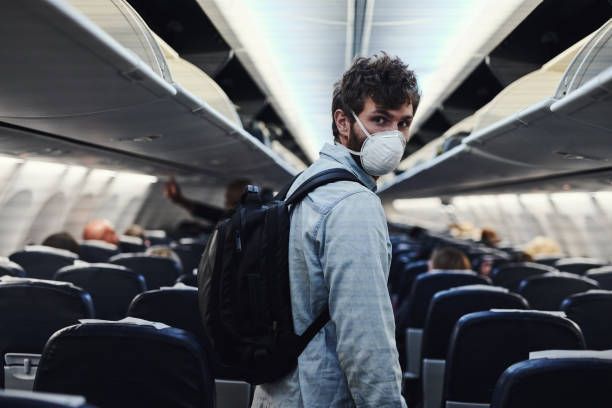
  • Mask Mandates: Airline and airport policies vary. Some countries or specific settings (hospitals, public transport) might still require masks. Pack high-quality masks (N95/KN95/KF94).

3. Essential Precautions for Travelers

  • Get Boosted: The single most important step. Ensure you’ve received the latest 2024-2025 COVID-19 booster designed to target recent variants. Allow 2 weeks for full effect before travel.
    (Find Vaccines – Vaccines.gov)
  • Pack a Travel Health Kit: Include high-quality masks, rapid antigen tests, hand sanitizer (>60% alcohol), and basic fever/pain relievers.
  • Consider Travel Insurance: Choose a policy covering COVID-19-related medical expenses and trip interruptions/cancellations. Read the fine print carefully.
  • Test Strategically: Test yourself before meeting vulnerable individuals or joining group tours. Test if you develop symptoms during travel.
  • Prioritize Air Quality & Hygiene: Choose well-ventilated spaces when possible. Maintain good hand hygiene, especially before eating/touching your face.
  • Have a Contingency Plan: Know what to do and where to go if you test positive abroad (isolate, seek medical care, contact accommodation/airline, understand local isolation rules).

4. Staying Informed is Crucial

Travel Smart, Travel Safe

The emergence of JN.1.XX is a reminder that COVID-19 remains part of our global health landscape. By staying updated on vaccinations, diligently checking travel requirements, packing smartly, and staying informed through official channels, travelers can significantly mitigate risks. Responsible travel—protecting yourself and others—remains paramount. Enjoy your adventures, but do so with awareness and preparation.

Disclaimer: This information is current as of June 2025. COVID-19 regulations and variant situations evolve rapidly. Always consult official government and health organization sources immediately before and during travel for the absolute latest requirements and guidance.

Dr. Mohammad Rizwan Feroz