Heatwaves and Health: How Global Warming Is Changing Emergency Medicine

Introduction

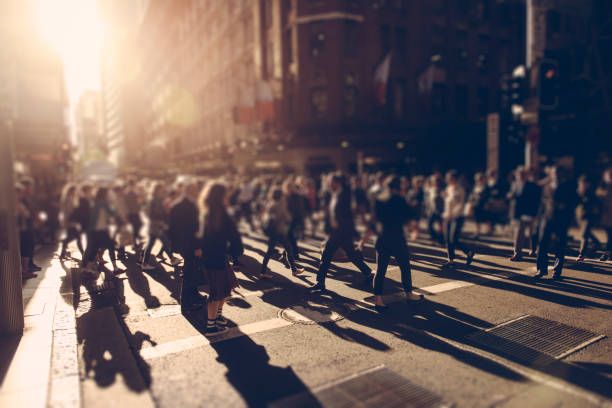
As global temperatures continue to rise due to climate change, heatwaves are becoming more frequent, intense, and prolonged—especially in regions like the Gulf, where countries such as Oman already face extreme heat. These soaring temperatures are reshaping emergency medicine, with hospitals reporting increased cases of heatstroke, dehydration, and cardiovascular stress. Travelers and outdoor workers are particularly vulnerable, making it crucial to understand the risks and preventive measures.
The Growing Threat of Heat-Related Illnesses

1. Heatstroke: A Life-Threatening Emergency

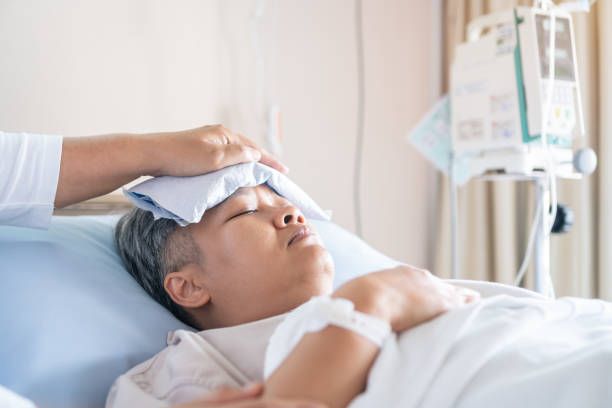
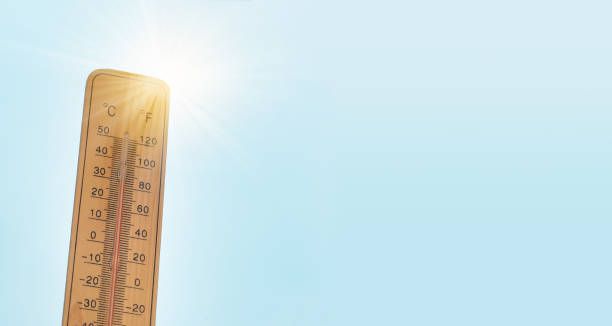
Heatstroke occurs when the body’s core temperature rises above 40°C (104°F), overwhelming its ability to cool down. Symptoms include confusion, seizures, and loss of consciousness. Without prompt treatment, it can lead to organ failure or death.

  • Why Gulf Countries Are High-Risk: Oman and neighboring Gulf nations often experience temperatures exceeding 45°C (113°F), especially in summer. Travelers unaccustomed to such heat may underestimate their risk.
  • Case Study: In 2023, Muscat reported a 30% increase in heatstroke-related ER visits during peak summer months, with many cases involving expatriates and tourists.

2. Dehydration and Heat Exhaustion

Prolonged exposure to extreme heat leads to excessive sweating, causing dehydration and electrolyte imbalances. Symptoms include dizziness, fatigue, and muscle cramps.

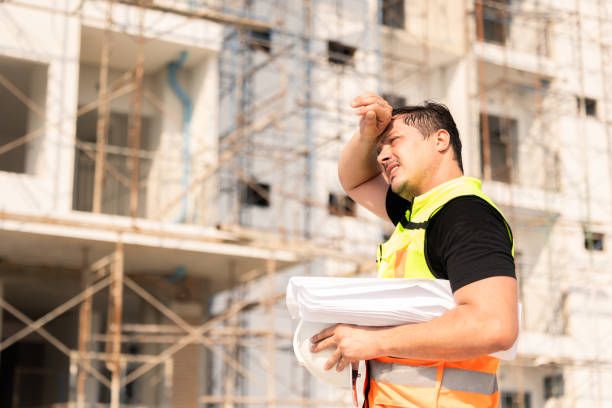
  • Outdoor Workers at Risk: Construction workers, delivery personnel, and agricultural laborers in Oman often work in direct sunlight, increasing their susceptibility.
  • Travelers Beware: Tourists exploring deserts or historical sites (like Nizwa Fort or Wahiba Sands) without proper hydration can quickly succumb to heat exhaustion.
3. Cardiovascular Stress

Extreme heat forces the heart to work harder to regulate body temperature, raising the risk of heart attacks and strokes—especially in those with pre-existing conditions.

  • Studies Show: A 2022 study in the Journal of Environmental Research found a 15% rise in cardiovascular emergencies in Gulf countries during heatwaves.
  • Vulnerable Groups: Elderly travelers, those with hypertension, and manual laborers are at higher risk.

How Emergency Medicine Is Adapting

Hospitals in Oman and other Gulf nations are enhancing their protocols to handle heat-related cases:

  • Specialized Heatstroke Units: Some hospitals now have rapid-cooling centers with ice baths and advanced monitoring.
  • Public Awareness Campaigns: Governments are issuing heat advisories and mandating midday work bans for outdoor laborers.
  • Hydration Stations: Tourist hotspots are increasing access to free water stations and shaded rest areas.
Protecting Yourself: Tips for Travelers and Workers

  • Stay Hydrated – Drink water regularly, even if you’re not thirsty. Avoid alcohol and caffeine, which worsen dehydration.
  • Wear Appropriate Clothing – Light, loose-fitting, and light-colored clothing helps reflect heat.
  • Limit Sun Exposure – Avoid outdoor activities between 11 AM and 3 PM, when the sun is strongest.
  • Recognize Early Symptoms – Dizziness, nausea, and headaches are warning signs—seek shade and rehydrate immediately.
  • Acclimatize Gradually – Travelers should allow a few days to adjust to the heat before engaging in strenuous activities.

Conclusion

Global warming is not just an environmental crisis—it’s a public health emergency. As heatwaves intensify, Gulf countries like Oman are witnessing a surge in heat-related illnesses, demanding urgent adaptations in emergency medicine. Whether you’re a traveler exploring Oman’s stunning landscapes or an outdoor worker braving the scorching sun, understanding these risks and taking preventive measures can be lifesaving.
Stay informed, stay hydrated, and stay safe in the heat.

Dr. Mohammad Rizwan Feroz

Beyond the Clinic Walls: Celebrating Community Healthcare Improvement Week (June 1-8)

Between clinic shifts and journeys to remote health posts, one truth becomes undeniably clear: the health of a community isn’t built solely within hospital walls. It thrives in the neighborhoods, schools, workplaces, and homes where people live their daily lives. That’s the powerful message at the heart of Community Healthcare Improvement Week, observed annually from June 1st to June 8th. As both a physician and an observer of health systems worldwide (here at DoctorTravelLog), this week resonates deeply. It’s a dedicated time to recognize, celebrate, and actively participate in strengthening the vital foundation of our collective well-being: community-based healthcare.

What is Community Healthcare Improvement Week?

This week serves as a national call to action. It’s a moment to spotlight the incredible work being done – often quietly and tirelessly – by community health centers (CHCs), public health departments, local non-profits, outreach workers, advocates, and countless volunteers. These are the individuals and organizations on the front lines, working with communities to address their specific health needs, break down barriers to care, and foster environments where health can flourish.

Why Does Community Healthcare Matter More Than Ever?

The events of recent years have starkly illuminated the critical importance of strong, accessible, and equitable community health infrastructure. Community healthcare:

  1. Reaches the Underserved: CHCs and outreach programs are lifelines for vulnerable populations – the uninsured, underinsured, low-income families, migrant workers, the homeless, and residents of rural or isolated areas. They provide care based on need, not ability to pay.
  2. Focuses on Prevention: Community health excels at proactive care – vaccinations, screenings, health education, nutrition programs, and chronic disease management. Preventing illness is always more effective and less costly than treating it.
  3. Addresses Social Determinants: Community health workers understand that health is shaped by factors like housing, food security, transportation, education, and safety. They connect individuals to vital social services, tackling the root causes of poor health.
  4. Builds Trust & Cultural Competence: Local providers embedded within communities understand cultural nuances, language needs, and specific challenges. This builds essential trust, leading to better patient engagement and outcomes.
  5. Promotes Health Equity: By focusing on access and removing barriers, community healthcare is a powerful force in closing the persistent gaps in health outcomes experienced by different racial, ethnic, and socioeconomic groups.

Challenges on the Ground: A View from the Road

Through my travels, I’ve witnessed both inspiring community health initiatives and the significant hurdles they face. Common challenges include:

  • Funding Instability: Reliance on grants and government funding can make long-term planning difficult.
  • Workforce Shortages: Recruiting and retaining doctors, nurses, dentists, mental health professionals, and community health workers, especially in rural areas, is an ongoing struggle.
  • Burdensome Regulations: Navigating complex administrative requirements diverts resources from direct patient care.
  • Integration Gaps: Ensuring seamless communication and coordination between community providers, hospitals, and social services remains a work in progress.
  • The Rising Tide of Need: Increasing rates of chronic disease, mental health challenges, and the lingering impacts of health crises place immense pressure on these essential services.

How Can You Participate in Community Healthcare Improvement Week?

This week isn’t just for health professionals; it’s for everyone who cares about the health of their neighbors and their town. Here’s how you can get involved, no matter your background:

  • Learn & Raise Awareness:
    • Visit the website of your local Community Health Center or Public Health Department. Understand their services and challenges.
    • Share information about Community Healthcare Improvement Week and the role of CHCs on social media using hashtags like #CommunityHealthWeek #CHCs #HealthEquity #PublicHealth.
    • Talk to friends and family about the importance of accessible local healthcare.
  • Support Local Efforts:
    • Donate: Even small contributions to your local CHC or health-focused non-profit make a tangible difference.
    • Volunteer: Offer your time and skills. Opportunities range from administrative help to health education support, event coordination, or even pro-bono professional services.
    • Attend Events: Many CHCs and health departments host open houses, health fairs, or educational seminars during this week. Participate!
  • Advocate:
    • Contact your local, state, and federal representatives. Express your support for sustained and increased funding for community health centers, public health infrastructure, and programs addressing social determinants of health.
    • Share stories about the positive impact community health has had on you or someone you know.
  • Prioritize Your Own Community Health:
    • Schedule a check-up or screening at your local CHC or clinic.
    • Participate in local health initiatives like walking groups, nutrition classes, or vaccination drives.
    • Support local businesses and initiatives that promote healthy food options and safe environments.

A Global Perspective: Community Health in Action

From the community health workers traversing remote villages in the Himalayas to deliver prenatal care, to the integrated health and social service hubs in bustling cities like London or Toronto, the core principle remains the same: meeting people where they are. The most effective health solutions are often hyper-local, culturally attuned, and developed with the community, not just for it. Community Healthcare Improvement Week reminds us to value and invest in this essential model.

The Ripple Effect: Why Your Involvement Matters

Strengthening community healthcare creates a powerful ripple effect.

  • Healthier individuals mean stronger families.
  • Healthier families contribute to more vibrant neighborhoods.
  • Healthier neighborhoods build more resilient and productive communities.

Investing in the health infrastructure at our doorstep is an investment in our shared future.

This Community Healthcare Improvement Week (June 1-8), let’s move beyond awareness to action.

Find your local community health center, learn about their work, and discover how you can contribute. Whether through donation, volunteering, advocacy, or simply utilizing their services, you become part of the vital network building a healthier foundation for everyone.

Public health fair with volunteers offering free check-ups.

Let’s celebrate the unsung heroes of community health and work together to ensure these essential services not only survive but thrive.

What community health initiatives have you encountered in your own neighborhood or travels? Share your experiences in the comments below!

Let’s inspire each other with stories of local health making a global difference.

Dr. Mohammad Rizwan Feroz