Symptoms, Prevention & Acclimatization Tips
As an emergency doctor and founder of DoctorTravelLog, I’ve seen firsthand how quickly the thrill of high-altitude adventure can turn dangerous. Altitude sickness (Acute Mountain Sickness – AMS) isn’t just discomfort; it’s a potentially life-threatening condition affecting travelers and medical professionals alike. Whether you’re trekking the Himalayas, skiing the Rockies, or working at a high-elevation clinic, understanding altitude sickness is non-negotiable. This guide arms you with essential knowledge for safe ascents.

Understanding the Enemy: Altitude Sickness Symptoms
Altitude sickness occurs when your body struggles to adapt to lower oxygen levels at higher elevations (usually above 8,000 feet / 2,500 meters). Recognizing symptoms EARLY is critical. They typically appear 6-24 hours after ascent:
- Mild AMS: Headache (the most common symptom), nausea/vomiting, dizziness, fatigue, loss of appetite, difficulty sleeping.
- Moderate AMS: Worsening headache unresponsive to painkillers, persistent vomiting, significant weakness/fatigue, shortness of breath at rest, decreased coordination (mild ataxia).
- Severe & Life-Threatening Forms:
- High Altitude Cerebral Edema (HACE): Severe headache, confusion, hallucinations, loss of coordination (staggering gait, inability to walk straight – “tandem gait test” failure), decreasing consciousness, coma. HACE is a medical emergency.
- High Altitude Pulmonary Edema (HAPE): Extreme shortness of breath at rest, cough (often progressing to pink, frothy sputum), chest tightness/pain, gurgling sounds in the chest, bluish lips/nails (cyanosis), severe weakness. HAPE is a medical emergency.

Prevention: Your Best Defense Against Altitude Sickness
Don’t wait for symptoms. Prevention is paramount:
- Gradual Ascent is King: This is the single most effective strategy. Avoid ascending directly to very high sleeping altitudes.
- The Golden Rule: Above 10,000 ft (3,000m), don’t increase your sleeping elevation by more than 1,600 ft (500m) per night. Plan a rest day (sleep at the same altitude) every 3-4 days, or every 1,200m (3,900 ft) gained.
- Hydrate Relentlessly: Drink plenty of water (aim for clear, copious urine). Dehydration mimics and worsens AMS. Avoid excessive caffeine and alcohol.
- Fuel Smart: Eat a carbohydrate-rich diet. Avoid heavy, fatty meals which are harder to digest with reduced oxygen.
- Avoid Depressants: Alcohol and sedative sleeping pills (like benzodiazepines) suppress breathing, hindering acclimatization. Avoid them, especially the first few nights.
- Consider Medications (Prophylaxis): Discuss with your doctor before your trip:
- Acetazolamide (Diamox): The gold standard for prevention. It speeds acclimatization. Typically started 1-2 days before ascent and continued for 2-3 days at the highest altitude. (Be aware of side effects like tingling fingers/toes).
- Dexamethasone: Primarily for treatment or prevention when Acetazolamide isn’t tolerated/contraindicated. Not for routine prophylaxis.
- Nifedipine: For HAPE prevention in high-risk individuals.
Acclimatization: Helping Your Body Adapt
Acclimatization is the physiological process of adjusting to lower oxygen. Support it:
- “Climb High, Sleep Low”: If possible, hike to a higher elevation during the day, then descend to sleep. This stimulates acclimatization without prolonged oxygen stress.
- Prioritize Rest: Schedule rest days, especially after significant gains. Overexertion increases risk.
- Listen RELENTLESSLY to Your Body: Never ignore symptoms, even mild ones. A headache at altitude is not normal – treat it as an early warning sign.
- Go Slow: Rushing increases risk. Build extra days into your itinerary for potential delays due to symptoms.
The Emergency Doctor’s Action Plan: What To Do If Symptoms Hit
- Mild Symptoms (Headache, mild nausea):
- STOP ASCENDING. Do not go higher.
- Rest at the same altitude.
- Hydrate well.
- Treat headache with simple analgesics (Ibuprofen, Acetaminophen). Aspirin less preferred due to dehydration risk.
- Consider Acetazolamide (if not already taking it) – consult your plan/doctor.
- Only ascend further if symptoms completely resolve.
- Moderate Symptoms (Persistent vomiting, worsening headache, shortness of breath on mild exertion, mild ataxia):
- DESCEND IMMEDIATELY. Even 500-1000m (1,600-3,300 ft) can make a dramatic difference.
- Rest aggressively.
- Hydrate (orally if possible, IV if severely dehydrated and resources available).
- Administer Acetazolamide if not contraindicated.
- Do not ascend until symptoms resolve completely for 24-48 hours.
- Severe Symptoms (HACE or HAPE – Confusion, severe ataxia, coughing frothy sputum, severe SOB at rest, chest tightness):
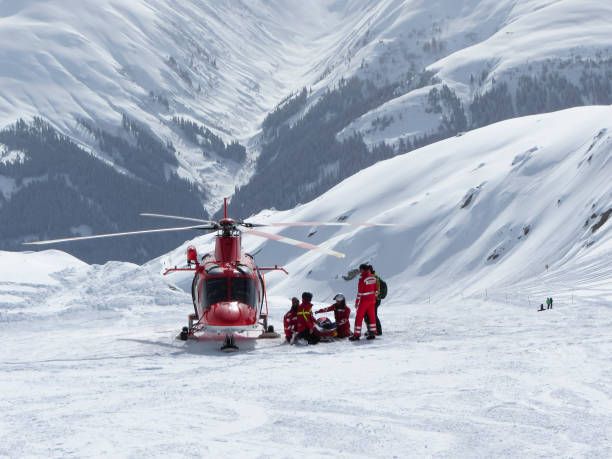
- THIS IS AN EMERGENCY. DESCEND IMMEDIATELY. This is the most critical treatment. Every hour counts. Do not wait for daylight or convenience.
- Supplemental Oxygen: Administer if available (high flow rates often needed).
- Medications:
- Dexamethasone: First-line for HACE (oral/IM/IV).
- Nifedipine: First-line for HAPE (sustained-release).
- Consider portable hyperbaric chambers (Gamow bag) as a temporary measure only if descent is impossible/delayed. This is NOT a substitute for descent.
- EVACUATE TO A LOWER ALTITUDE AND SEEK URGENT MEDICAL CARE.
Conclusion: Respect the Altitude, Enjoy the Journey
Altitude sickness is unpredictable and can affect anyone, regardless of fitness. As medical professionals and informed travelers, our responsibility is to understand the risks, prepare diligently, and prioritize safety. Never let summit fever override common sense. By ascending gradually, recognizing symptoms early, knowing when and how to descend, and carrying appropriate medications (with training!), you can significantly reduce your risk and ensure your high-altitude adventures are memorable for the right reasons. Stay prepared, stay safe, and enjoy the incredible views from the top – responsibly.
Disclaimer: This information is for educational purposes and does not replace personalized medical advice. Consult your physician or a travel medicine specialist well before any high-altitude trip for individual risk assessment and management plans.
Founder, DoctorTravelLog | Emergency Physician
Dr.Mohammad Rizwan Feroz
👍 Found this helpful? Show some love & follow us on Instagram @doctortravellog for expert tips & fresh updates!
💬 Got thoughts or questions? React below or drop a quick comment — no login needed!
❤️ 😮 🤔 👍 👎

















 Doctor Travel Log