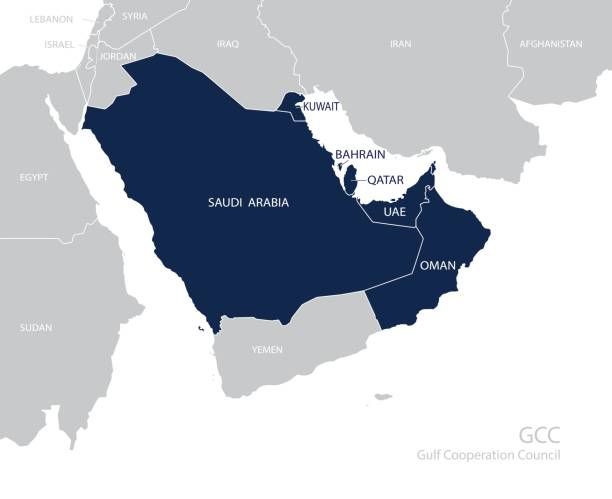
Planning a trip to the Gulf Cooperation Council (GCC) countries – Saudi Arabia, the United Arab Emirates (UAE), Qatar, Kuwait, Oman, or Bahrain – whether for a visit, employment, or business? Beyond visas and flights, your health preparation is paramount. Requirements can vary significantly by country, visa type, and your origin. This guide covers the key health aspects you need to address before you go. Always verify the latest, specific requirements directly with the embassy/consulate of your destination country and your sponsor/employer.
1. Health-Related Precautions: Beyond the Paperwork
While tests and vaccines are mandatory, proactively managing your health ensures a smoother trip:
- Pre-Travel Consultation: Visit your doctor or a travel medicine clinic ideally 6–8 weeks before departure. Discuss your itinerary, medical history, current medications, and specific risks.
- Environmental Adaptation:
- Heat & Sun: GCC summers are extremely hot (often exceeding 40°C/104°F). Drink plenty of water (bottled is safest), use high-SPF sunscreen, wear loose, light-colored clothing, a wide-brimmed hat, and sunglasses. Limit outdoor activity during peak heat (10 am – 4 pm).
- Dust & Sandstorms: Common, especially inland. Those with asthma or respiratory issues should carry ample medication. Consider masks (like N95s) for severe storms.
- Food & Water Safety: Stick to bottled or purified water. Avoid ice in drinks unless sure of its source. Eat thoroughly cooked food and peel fruits yourself. Be cautious with street food and salads washed in tap water. “Boil it, cook it, peel it, or forget it” is a good rule.
- Medications: Carry all essential medications in their original packaging with prescriptions (translated if necessary). Ensure you have enough for your entire stay plus extra. Some medications legal elsewhere (e.g., certain painkillers, ADHD meds) are strictly controlled or banned in GCC countries – check embassy rules.
- Cultural Sensitivities: During Ramadan, eating, drinking, or smoking in public during daylight hours is prohibited in most GCC countries. Dress modestly to respect local customs and aid sun protection.

2. Mandatory Laboratory Tests (Especially Crucial for Employment Visas)
GCC countries, particularly for work/residence visas, require rigorous medical screening to protect public health. Tests are typically conducted at government-approved clinics in your home country or upon arrival. Requirements change, but commonly include:
- HIV/AIDS: Universal requirement for all long-term visas (work/residence). A positive test usually results in visa denial/deportation.
- Hepatitis B & C: Mandatory for work/residence visas in most GCC states. Chronic infection can lead to visa rejection depending on the country and job role (especially healthcare, food handling).
- Tuberculosis (TB): Screening is critical.
- Chest X-ray: Standard for detecting active pulmonary TB for work/residence visas.
- Sputum Tests: May be required if the X-ray is abnormal.
- Blood Tests (e.g., IGRA): Sometimes used instead of or alongside X-rays.
- Syphilis: Routinely tested for work/residence visas.
- Malaria: Blood tests may be required if traveling from endemic regions.
- Pregnancy Test: Often mandatory for female applicants of certain nationalities applying for work/residence visas. Being pregnant can affect visa issuance.
- General Health Check: May include blood sugar, kidney/liver function tests.
- Key Notes:
- Tests must be recent (usually valid 3 months).
- Must be done at accredited laboratories/clinics (often specified by the sponsor/embassy).
- Results are submitted for a “Medical Fitness” certificate – essential for visa processing. Failing any critical test (HIV, active TB, Hep B/C in restricted roles) usually means visa denial.
3. Vaccination Requirements: Building Immunity
Vaccination rules depend on your origin, destination, visa type, and planned activities:
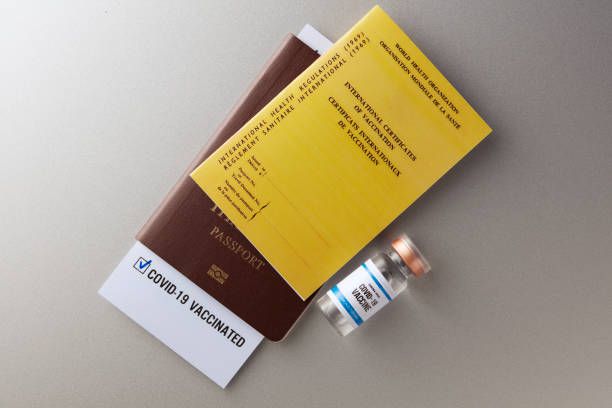
- Routine Vaccines (MUST be up-to-date): Ensure MMR (Measles, Mumps, Rubella), DTP (Diphtheria, Tetanus, Pertussis), Polio, and Varicella (Chickenpox) are current. These are baseline requirements.
- COVID-19: While most restrictions have eased, check the latest entry rules for your destination. Proof of vaccination (specific vaccines/boosters accepted) or a negative test may still be required by some countries/airlines. Always verify before travel.
- Hepatitis A & Typhoid: Highly Recommended. Transmitted through contaminated food/water, common risks for travelers. Essential for protection.
- Hepatitis B: Highly Recommended for everyone, often Mandatory for workers. Required for many employment visas. Protects against blood/body fluid transmission.
- Meningococcal Meningitis (ACWY): Required for Hajj/Umrah pilgrims entering Saudi Arabia (often via the quadrivalent vaccine). Sometimes required for residence visas or if arriving from endemic areas. Check specific country requirements.
- Influenza: Recommended, especially during flu season (Oct–May).
- Rabies: Consider if you’ll have significant outdoor exposure (e.g., camping, veterinary work) or contact with animals.
- Yellow Fever: Mandatory requirement ONLY if you are arriving from a Yellow Fever endemic country (or have transited there for >12 hours). Proof of vaccination (valid 10 days before entry) is essential. Not generally required for travelers coming directly from non-endemic regions.
4. Health Insurance: Non-Negotiable Protection
Comprehensive health insurance is almost universally mandatory for obtaining any GCC visa (tourist, business, employment):
- Mandatory Requirement: You will be asked to provide proof of valid insurance covering your entire stay for visa processing. Your employer typically arranges this for employment visas. Visitors/business travelers often need to purchase it themselves.
- Coverage Minimums: Policies must typically cover:
- Emergency medical treatment and hospitalization.
- Repatriation/medical evacuation.
- Expenses related to COVID-19 (testing, treatment, quarantine).
- Cover the entire duration of your visa/stay.
- Validity: The insurance must be valid within the specific GCC country you are visiting.
- Proof: Carry your insurance card and policy details (digital and physical copies) at all times.
- Check Carefully: Understand the coverage limits, deductibles, exclusions, and the process for making claims. Ensure it meets the specific minimum requirements of your destination country.

Conclusion: Your Health, Your Journey’s Foundation
Thorough health preparation is not just about ticking boxes for visa approval; it’s about safeguarding your well-being in a unique environment. The GCC offers incredible experiences and opportunities, but neglecting health prerequisites can lead to visa denials, deportation, or serious health issues. Remember:
- Verify: GCC country rules change. Double-check everything with official sources (embassy/consulate) and your sponsor/employer well in advance.
- Plan Early: Start medical checks and vaccinations 6–8 weeks pre-travel.
- Get Certified: Use only approved labs/clinics for mandatory tests to obtain your Medical Fitness certificate.
- Insure: Secure comprehensive, compliant health insurance – don’t travel without it.
- Prepare: Pack medications, sun protection, and stay vigilant about food/water and the climate.
By taking these essential health precautions, you pave the way for a successful, safe, and healthy visit or start to your new life in the GCC. Safe travels!
Disclaimer: This article provides general guidance. Health regulations for GCC countries are subject to frequent change. Always consult the official government websites of your destination country and seek advice from a qualified travel health professional for the most current and personalized information.
Dr. Mohammad Rizwan Feroz
 Doctor Travel Log