Medical Tourism in the Middle East: Healing Journeys or Hidden Headaches?

Forget sterile waiting rooms and astronomical bills. Imagine recovering from knee surgery overlooking the turquoise Persian Gulf, or exploring ancient souks between dental check-ups. This is the evolving reality of medical tourism in the Middle East – a region rapidly transforming into a global healthcare destination. But is this surge a genuine boon for patients and economies, or does it mask potential burdens? Let’s unpack the scalpel-sharp truth.

Luxury recovery suite in a Middle East hospital overlooking the sea

The Allure: Why Patients are Flocking East

The Middle East isn’t just about oil riches anymore; it’s investing heavily in “healthcare cities” and world-class facilities. Countries like the UAE, Saudi Arabia, Jordan, Turkey, and Iran are leading the charge, offering compelling advantages:

  1. Cutting-Edge Technology & Expertise: State-of-the-art hospitals (often branches of renowned names like Cleveland Clinic, Johns Hopkins Medicine International in Abu Dhabi) boast the latest robotic surgery systems, advanced imaging, and specialized centers for oncology, cardiology, orthopedics, and fertility. Many doctors are Western-trained, bringing international expertise.
  2. Cost Savings (Significant for Some): Compared to the US, UK, or even parts of Europe, complex procedures like cardiac surgery, joint replacements, or advanced dental work can cost 30-70% less, even factoring in travel and accommodation. This makes life-changing treatments accessible.
  3. Luxury & Hospitality: The Middle East excels at high-end service. Many medical tourism packages include 5-star recovery suites, private nurses, concierge services arranging airport transfers and leisure activities. Recovery feels more like a resort vacation.
  4. Reduced Wait Times: Escaping lengthy waiting lists for elective surgeries in public healthcare systems (common in Canada, UK, parts of Europe) is a major driver. Patients can often schedule procedures within weeks.
  5. Cultural & Religious Familiarity: For patients from the wider Muslim world and diaspora, the Middle East offers an environment sensitive to cultural norms, dietary requirements (halal food), prayer facilities, and often, staff speaking their native language. This provides significant comfort during a vulnerable time.
State-of-the-art robotic surgery equipment in a Middle Eastern hospital

Meet Aisha: A Jordanian-American woman facing a year-long wait for a crucial hip replacement in the US. Drawn by familiarity, renowned surgeons, and a cost saving of nearly 50% including a luxury recovery stay, she chose a top hospital in Dubai.

“It wasn’t just the surgery,” she shared, “it was being understood, cared for culturally, and recovering somewhere peaceful. It felt like healing on my terms.”

Middle Eastern woman recovering after successful surgery in a modern facility

The Thorny Side: Potential Burdens to Consider

Despite the shiny allure, medical tourism isn’t without its complexities and risks. Potential burdens lurk beneath the surface:

  1. Quality & Regulation Variability: While flagship hospitals are exceptional, quality and regulation standards vary significantly across the region and even within countries. Thorough research is non-negotiable. Not every “international” hospital meets the same rigorous standards.
  2. The Follow-Up Care Conundrum: What happens when you fly home? Coordinating post-operative care with your home doctor can be challenging. Complications arising weeks later become your local healthcare system’s responsibility, potentially causing friction or gaps in care continuity.
  3. Hidden Costs & Logistical Hurdles: Travel expenses (flights, visas, extended stays for recovery), unexpected complications requiring longer hospitalization, or the need for a companion’s travel can quickly erode initial cost savings. Navigating foreign bureaucracies and healthcare systems adds stress.
  4. Ethical Concerns & Transparency: Issues like organ transplant tourism (with its dark underbelly of trafficking and exploitation, though heavily cracked down upon), lack of price transparency in some facilities, and potential language barriers in informed consent processes raise ethical red flags that demand vigilance.
  5. Impact on Local Populations: Critics argue a focus on lucrative medical tourism could divert resources and top talent away from public healthcare systems, potentially exacerbating inequalities for local citizens needing care. Is the local infrastructure truly benefiting?
  6. Medical-Legal Recourse: Seeking legal recourse for malpractice in a foreign country is often complex, expensive, and faces significant jurisdictional hurdles. Patients may have far less protection than in their home countries.
Doctor in Middle East discussing post-operative care with international patient

Dr. Hassan, a leading orthopedic surgeon in Riyadh, acknowledges the challenges: “We offer world-class care, but patient selection and education are paramount. We insist on comprehensive pre-travel consultations and clear, signed agreements regarding follow-up plans with their home physicians. Transparency is key to avoiding burdens.”

Boon or Burden? The Verdict is Nuanced

Labeling Middle Eastern medical tourism solely a “boon” or “burden” is overly simplistic. It’s both, simultaneously. Its success as a boon hinges entirely on:

  1. Informed Decisions: Patients must meticulously research facilities (look for JCI accreditation – Joint Commission International – as a baseline), surgeons, costs, and understand all risks. DoctorTravelLog recommends verified platforms and direct consultations.
  2. Robust Planning: Seamless coordination between the overseas hospital, the patient, and their home healthcare provider before, during, and after treatment is critical.
  3. Choosing Reputable Providers: Opting for established hospitals with transparent practices and international partnerships significantly mitigates risks.
  4. Realistic Expectations: Understanding that while cost savings are possible, luxury packages add expense, and unforeseen complications can occur.

For the Middle East, it’s a powerful economic boon, driving investment, creating jobs, and diversifying economies beyond oil. For the right patient – well-informed, choosing accredited facilities, with a solid follow-up plan – it can be a life-enhancing, even life-saving, boon offering quality care, cultural comfort, and significant value.

For the unprepared patient or one chasing only the lowest price without due diligence, the risks can quickly transform the journey into a significant burden.

The Future: Towards Sustainable Healing

The trajectory points towards growth. Countries like Saudi Arabia (Vision 2030) and the UAE are pouring billions into healthcare infrastructure and digital health records to facilitate seamless international patient care. The focus must be on sustainable, ethical, and patient-centered development – ensuring quality is universal, regulations are stringent and enforced, benefits extend to local populations, and patients are empowered with knowledge.

Planning medical tourism journey with a globe, passport, and stethoscope

Your Healing Journey?

Is the Middle East calling you for healthcare? The potential for a positive, transformative experience is real. But approach it with the same diligence you would any major medical decision. Research relentlessly, ask tough questions, prioritize accredited providers, plan your aftercare meticulously, and understand both the gleaming promise and the potential pitfalls.

Considering medical tourism in the Middle East? Share your thoughts, questions, or experiences in the comments below! Stay tuned to DoctorTravelLog for in-depth country guides, hospital reviews, and expert interviews to navigate your healthcare journey abroad safely and successfully.

Dr. Mohammad Rizwan Feroz

👍 Found this helpful? Show some love & follow us on Instagram @doctortravellog for expert tips & fresh updates!

💬 Got thoughts or questions? React below or drop a quick comment — no login needed!

❤️ 😮 🤔 👍 👎

Desert Survivor Medicine: What Tourists Don’t Know Can Kill Them (And How to Stay Safe)

The stark beauty of the desert calls to adventurers, but its unforgiving environment hides dangers most tourists never consider. Understanding essential desert survival medicine isn’t about dramatic Hollywood tropes; it’s about recognizing subtle, life-threatening tourist health risks that escalate with alarming speed. Ignorance of heat illness prevention, dehydration symptoms, and wilderness first aid fundamentals transforms a dream trip into a lethal crisis. What you don’t know about surviving extreme heat, finding water, and treating common desert injuries truly can kill you. This guide, from a medical perspective, reveals the critical gaps in tourist knowledge and the practical survival medicine steps that save lives.

Beyond the Canteen: The Silent Killers Most Tourists Miss

A dehydrated tourist slumped in the desert, showing visible signs of heat exhaustion and fatigue

  1. Heatstroke: Not Just “Feeling Hot” – Cellular Shutdown: Tourists often mistake exhaustion (dizziness, nausea, heavy sweating) for just being overheated. Heatstroke, the true killer, is a medical emergency where the body’s core temperature soars past 104°F (40°C), causing cellular breakdown.
    • Critical ignorance: Sweating often stops in heatstroke as the body fails. Hot, dry, flushed skin with confusion, seizures, or loss of consciousness means imminent organ failure and death.
    • Survivor Medicine: Prevention is absolute. Hike in coolest hours, wear loose, light-colored clothing covering skin, soak clothes/hat in water. If heatstroke strikes: Immediate, aggressive cooling is the ONLY priority. Get to shade, strip unnecessary clothing, drench with any available water (cool, not ice-cold), fan vigorously. EVACUATE IMMEDIATELY. Every minute counts. Forget “toughing it out” – delay is fatal.
  2. Hyponatremia: When Drinking Water Becomes Poisonous: Everyone knows “drink water,” but few tourists understand hyponatremia – critically low blood sodium from drinking too much plain water without replacing electrolytes lost in sweat.
    • Critical ignorance: Symptoms mimic dehydration (headache, nausea, fatigue), leading tourists to drink more water, worsening the crisis. Confusion, seizures, coma, and death follow.
    • Survivor Medicine: Balance is key. Drink steadily (sip, don’t gulp), especially during exertion. Include electrolyte sources: pre-mixed solutions, salty snacks (nuts, pretzels), or even small amounts of broth if available. If severe symptoms develop, stop drinking plain water, consume salty foods if conscious, and seek help. Recognize the paradox: clear urine and worsening symptoms after heavy water intake signals hyponatremia.
  3. Dehydration: The Slow, Insidious Thief of Judgment: Dehydration creeps in long before intense thirst hits. 
    • Critical ignorance: By the time you feel very thirsty, you’re already significantly dehydrated, impairing critical thinking and physical ability – exactly when you need them most to survive. Dark urine, fatigue, headache, and irritability are early warnings tourists often ignore.
    • Survivor Medicine: Pre-hydrate before activity. Sip constantly (set a timer if needed), aiming for pale yellow urine. Monitor your group – dehydration makes people irrational and less likely to self-care. Eat water-rich foods (fruits, veggies). Rationing water too aggressively early on is dangerous; drink steadily before a crisis.

Beyond Heat & Thirst: Other Overlooked Threats

  1. Venomous Critters: Know Your Enemy (and First Aid Myths): Tourists fear snakes, but scorpions and spiders (like recluses) are common.
    • Critical ignorance: Most “field extraction” kits (suction devices, cutting) are ineffective and dangerous. Applying ice or tourniquets worsens tissue damage from many venoms.
    • Survivor Medicine: Prevention: Shake out boots, bedding; watch where you step/place hands. If bitten/stung: Stay calm (panic increases venom spread). Immobilize the limb at heart level. Remove constrictive items (rings, watches). Wash gently with soap/water. Identify the creature ONLY if safe. EVACUATE – antivenom is often the only effective treatment. Forget cutting, sucking, or ice.
  2. Environmental Injuries: Sand, Sun, and Sharp Things: Blistering feet can immobilize. Deep sand cuts easily become infected. Intense UV radiation causes rapid sunburn and eye damage (snow blindness can happen on sand!).
    • Critical ignorance: Underestimating the speed and severity of sunburn/infection in the dry, dusty environment. Not protecting eyes.
    • Survivor Medicine: Meticulous foot care (proper boots, moisture-wicking socks, treat blisters early). Clean all wounds immediately with purified water, apply antibiotic ointment, cover. High-SPF broad-spectrum sunscreen reapplied constantly, wide-brimmed hat, UV-blocking sunglasses always.
  3. Getting Lost: The Mental Game: Panic is the enemy.
    • Critical ignorance: Not telling someone your route/return time. Rushing blindly when lost, expending energy and water.
    • Survivor Medicine: STOP (Stop, Think, Observe, Plan). Conserve energy and water. Signal for help (mirror, bright clothing, smoke if safe). Stay put if you told someone your plan. Night travel is cooler but riskier for injury.

The DoctorTravelLog Top 3 Desert Survival Prescriptions:

  1. Respect the Heat Relentlessly: Plan around it, dress for it, hydrate for it. Heatstroke kills fast.
  2. Water is Life, But Balance is Key: Sip steadily, include electrolytes, recognize hyponatremia symptoms. Your urine color is your dashboard gauge.
  3. Prepare for the Worst, Hope for the Best: Carry a desert-specific first aid kit (emphasis on wound care, electrolytes, burn gel), signaling devices (mirror, whistle), extra water, navigation tools, and tell someone your plans.

The desert’s majesty demands profound respect. Understanding these hidden medical dangers and the core principles of desert survivor medicine isn’t about fear; it’s about empowerment. Equip yourself with this knowledge, prioritize prevention, and you transform potential lethal threats into manageable challenges, ensuring your desert adventure is remembered for its awe-inspiring beauty, not its peril.

A well-organized desert survival kit with water, electrolyte packs, a compass, and first-aid supplies laid out on sand

Disclaimer: This article provides general information for educational purposes only and does not constitute medical advice. Always consult with a healthcare professional or wilderness medicine expert before traveling to remote or extreme environments. Proper training (like wilderness first aid courses) is highly recommended.

Sources for Verification (Ensure Originality):

  • Wilderness Medical Society Clinical Practice Guidelines (Heat Illness, Hyponatremia)
  • Centers for Disease Control and Prevention (CDC) – Travelers’ Health: Arid Environments
  • National Park Service – Desert Safety Information
  • American Hiking Society – Desert Hiking Tips
  • Peer-reviewed journals: Wilderness & Environmental Medicine, Travel Medicine and Infectious Disease

Dr. Mohammad Rizwan Feroz

👍 Found this helpful? Show some love & follow us on Instagram @doctortravellog for expert tips & fresh updates!

💬 Got thoughts or questions? React below or drop a quick comment — no login needed!

❤️ 😮 🤔 👍 👎

Conflict Fallout: Health Crises & Travel Disruptions Across the Middle East

How Regional Escalations Are Affecting Civilians and Global Travelers

Introduction
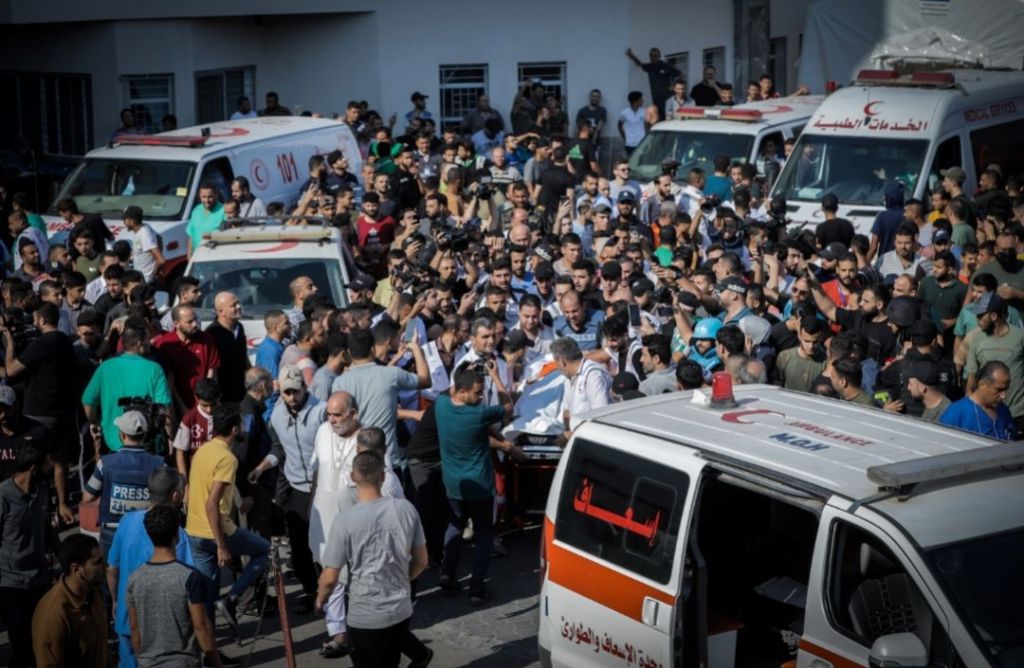
The intensifying conflict between Israel and regional actors in 2025 has reverberated far beyond military targets, triggering severe humanitarian crises and complex travel challenges. For health-conscious travelers and medical professionals monitoring global risks, understanding these interconnected impacts—civilian casualties, collapsing health systems, and logistical disruptions—is critical.

1. Civilian Casualties: The Human Toll

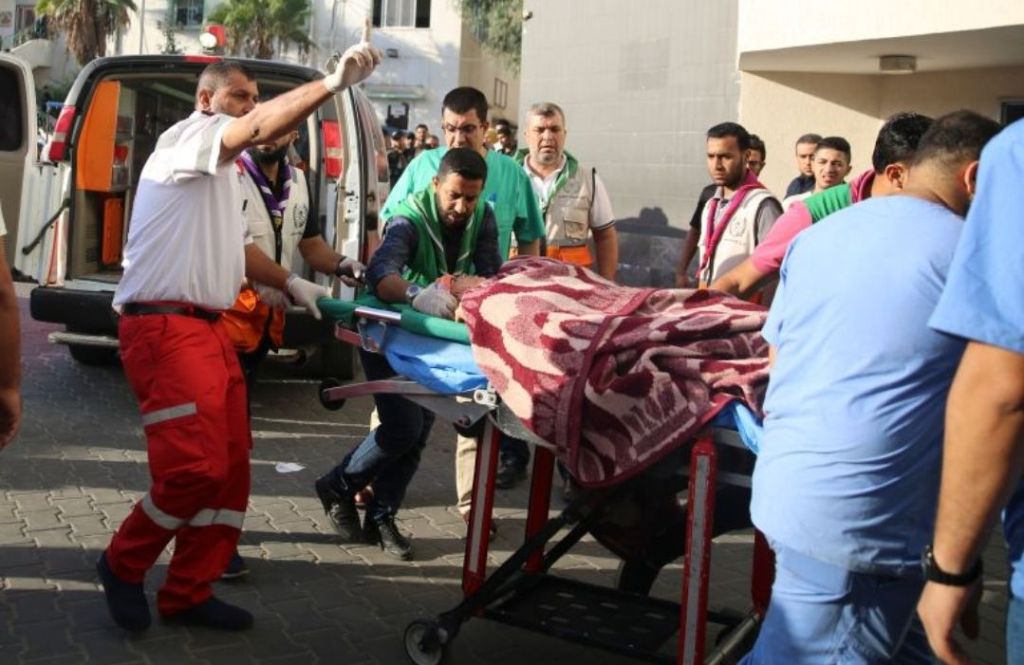
  • Gaza: Over 38,000 reported fatalities (WHO, June 2025), including 14,500+ children. Critical shortages of ambulances, blood supplies, and morgue capacity persist.
  • Lebanon: Cross-border strikes have killed 300+ civilians and displaced 100,000+ (UNOCHA), straining host communities.
  • Red Sea Region: Missile attacks on shipping routes have resulted in crew injuries, maritime evacuations, and seafarer trauma.

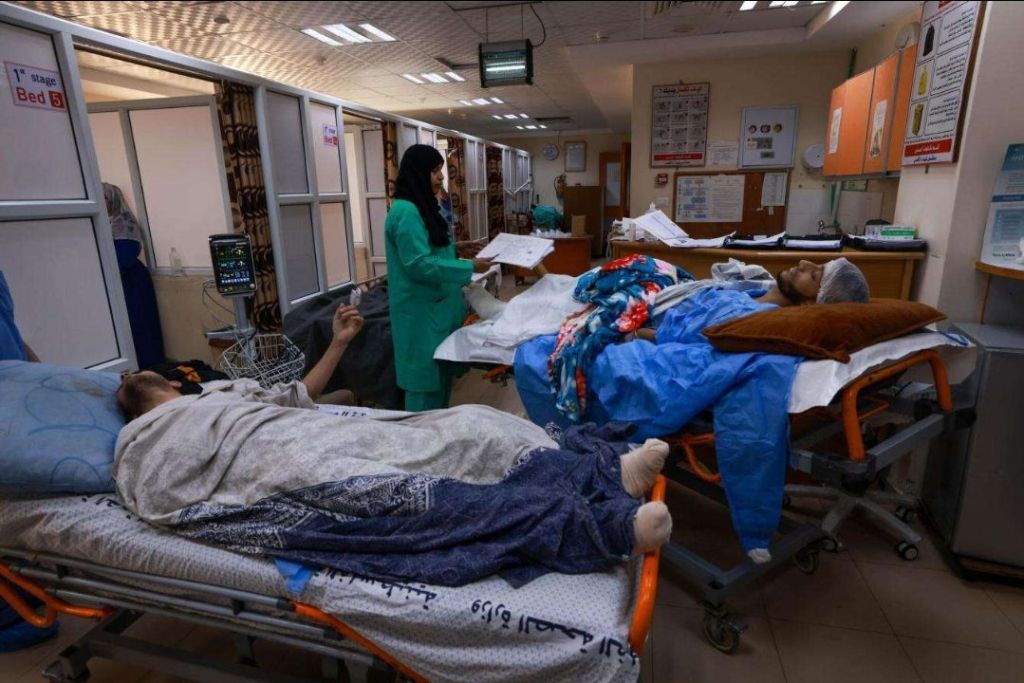
Health Implication: Mass casualties overwhelm local clinics, forcing “triage-by-survival-likelihood” in Gaza. Preventable deaths from infections, chronic conditions, and childbirth complications skyrocket.

2. Public Health Systems in Collapse

  • Gaza: 90% of hospitals are non-functional (WHO). Disease outbreaks (cholera, hepatitis A) thrive amid rubble, sewage contamination, and 3L/day water access (vs. WHO’s 15L minimum).
  • Lebanon/Jordan: Refugee camps face cholera and measles resurgences. Mental health crises—PTSD, anxiety—go untreated.
  • Yemen/Iraq: Spillover disruptions delay medicine imports, worsening existing humanitarian emergencies.

Travel Risk: Humanitarian workers report supply shortages of antibiotics, anesthetics, and vaccines. Medical tourism to the region has halted entirely.

3. Travel in Turmoil: Borders, Flights & Insurance

  • Flight Disruptions: Ben Gurion Airport (Tel Aviv) operates intermittently. Royal Jordanian, Emirates, and Turkish Airlines reroute flights avoiding Iranian/Iraqi airspace, adding 3–6 hours to EU-Asia trips.
  • Border Closures: Egypt’s Rafah crossing opens sporadically. Jordan suspended visa-on-arrival for conflict-zone evacuees.
  • Insurance & Costs: Most insurers void coverage for Israel, Lebanon, Yemen, Iraq, and parts of Jordan. Emergency medical evacuation (e.g., from Cyprus) now exceeds $200,000.
  • Shipping Delays: Red Sea diversions add 2–3 weeks to Asia-Europe cargo, disrupting medical supply chains globally.

4. Psychological Trauma: The Invisible Crisis

  • Local populations exhibit widespread symptoms of “toxic stress” (UNICEF).
  • Aid workers and journalists face burnout and moral injury.
  • Travelers report anxiety over regional instability, canceling trips to Türkiye, Egypt, or Jordan due to proximity fears.

DoctorTravelLog Advisory

1. Pre-Travel Planning:

  • Avoid non-essential travel to Israel, Lebanon, Yemen, Iraq, and Gaza-border regions.
  • Verify insurance covers conflict zones (specialized providers required).

2. Health Precautions:

  • Pack trauma kits, water purifiers, and 4-week medicine supplies if working near crisis zones.
  • Update cholera/hepatitis A vaccinations.

3. Ethical Travel:

  • Support certified NGOs (e.g., MSF, IRC) if providing medical aid.
  • Respect local trauma: Avoid photography in displacement camps.

Conclusion

The human cost of conflict extends beyond headlines—into overwhelmed hospitals, displacement camps, and the psyche of survivors. For travelers, vigilance and compassion are paramount. As borders harden and health systems fracture, the healing of nations begins with unwavering global attention to their suffering.

Stay informed with DoctorTravelLog’s real-time conflict-zone advisories.


Sources (for verification):

  • WHO Situation Reports (Gaza, Lebanon)
  • UNOCHA Humanitarian Bulletins
  • International Committee of the Red Cross (ICRC)
  • Flight disruption data: OAG, Flightradar24
  • Insurance guidelines: Global Underwriters

Dr. Mohammad Rizwan Feroz / DoctorTravelLog

7 Travel Vaccines You Didn’t Know You Needed in 2025

Protect your journey with these 7 essential but often-overlooked travel vaccines in 2025.

Planning international travel in 2025? Beyond routine vaccines, discover 7 lesser-known immunizations critical for your health. From Japanese Encephalitis in Bali to Tick-borne Encephalitis in European forests—learn why these overlooked shots could save your trip. Consult a travel medicine specialist today!

As travel surges post-pandemic, adventurers often overlook region-specific health risks. While typhoid and hepatitis vaccines are well-known, evolving disease patterns and 2025 health advisories reveal surprising new essentials.

Here are seven under-the-radar vaccines to discuss with your travel clinic:

1. Japanese Encephalitis (JE)

  • Why: Mosquito-borne in rural Asia (e.g., Bali, Thai rice paddies). Cases spiked 20% in 2024.
  • For Whom: Travelers spending >1 month in rural SE Asia or short-term with high exposure (e.g., camping, farming).
  • 2025 Alert: Outbreaks reported near tourist hubs in Vietnam and Philippines.

2. Tick-borne Encephalitis (TBE)

  • Why: Forested Europe (Germany, Austria) and Asia. 10K cases/year—up 35% since 2022.
  • For Whom: Hikers, campers, or summer travelers to endemic zones.
  • 2025 Alert: Vaccination now advised for Switzerland’s Alpine regions.

3. Cholera (Oral Vaccine Vaxchora®)

  • Why: Food/water-borne in humanitarian crises (e.g., Yemen, Sudan).
  • For Whom: Aid workers or travelers to outbreak zones lacking sanitation.
  • 2025 Perk: Single-dose oral vaccine protects for 3 months.

4. Meningococcal ACWY

  • Why: Required for Saudi Arabia’s Hajj/Umrah. Rising in sub-Saharan “meningitis belt.”
  • For Whom: Pilgrims, festival attendees (e.g., Ghana’s gathering season).
  • 2025 Rule: Saudi Arabia mandates proof for visa approval.

5. Rabies (Pre-Exposure)

  • Why: Fatal if untreated. Rampant in Bali, Thailand, Peru.
  • For Whom: Remote travelers, animal handlers, or families with kids (higher bite risk).
  • 2025 Tip: Saves you from scarce post-bite serums in rural clinics.

6. Polio Booster

  • Why: Endemic in Afghanistan/Pakistan; outbreaks in Malawi/Mozambique.
  • For Whom: Travelers from polio-exporting countries may need proof.
  • 2025 Advisory: WHO lists 12 “at-risk” nations needing boosters.

7. COVID-19 XBB.1.5 Variant Booster

  • Why: New variants dominate globally. Japan/Canada require updated boosters for entry.
  • For Whom: All travelers—check country-specific rules pre-departure.

Honorable Mentions:

  • Yellow Fever: Now required for parts of Brazil (Amazonas) due to 2024 outbreaks.
  • Influenza: Southern hemisphere’s flu season (June–Sept) hits travelers in Australia/Argentina.

Practical Advice for 2025 Travelers:

  1. Timing: Schedule vaccines 4–6 weeks pre-trip (some need multiple doses).
  2. Documentation: Use DoctorTravelLog’s [Country-Specific Tool] to check entry requirements.
  3. Where to Go: Visit CDC’s Travel Health site or a certified travel clinic.

Final Thought:

Vaccines aren’t just paperwork—they’re armor against invisible threats. As climate change and urbanization reshape disease landscapes, 2025’s smart traveler prioritizes prevention. Consult a travel medicine specialist, pack your records, and explore confidently! 🌍💉

Dr. Mohammad Rizwan Feroz / DoctorTravelLog


Conquering the Cursed Curry: Your Guide to Preventing & Managing Traveller’s Diarrhea

Ah, the dream trip. Exotic sights, tantalizing smells, unforgettable experiences… and then, it hits. That urgent rumble, the sprint to the bathroom, the feeling your insides are staging a rebellion. Traveller’s Diarrhea (TD) – the unwelcome souvenir nobody wants. At DoctorTravelLog, we’ve seen it all (and treated it all!), and we’re here to arm you with knowledge, not just fear. Let’s demystify this common travel woe.

What Exactly Is This Gut Rebellion?

Simply put, TD is your digestive system throwing a tantrum after encountering unfriendly bacteria, viruses, or parasites it’s not used to. Think E. coli, Salmonella, Campylobacter, norovirus, or Giardia. These microscopic hitchhikers usually enter via contaminated food or water. While rarely life-threatening for healthy adults, it can turn paradise into a porcelain prison for 3-7 days.

Why Me? The Usual Suspects:

  • The Water: Even tiny amounts of contaminated water used to wash salad, ice cubes in your drink, or brushing your teeth can be the culprit. “Local water” doesn’t just mean tap; be wary of sources.
  • The Food: Undercooked meats (especially street food), raw seafood, unpasteurized dairy, and anything washed in contaminated water (fruits, veggies) are prime offenders. Buffets where food sits out are risky.
  • Person-to-Person: Poor hand hygiene after using the bathroom or before eating spreads germs fast.
  • Location Matters: Risk is highest in parts of Asia (especially South and Southeast Asia), Africa, Latin America, and the Middle East. But anywhere with different sanitation standards poses some risk.

Recognizing the Enemy: Symptoms Beyond the Obvious

  • Urgent need to go
  • Abdominal cramps and bloating
  • Nausea and sometimes vomiting
  • Low-grade fever
  • General malaise (feeling awful)
  • Loss of appetite

Doctor’s Note: Blood in stool, high fever, severe pain, or dehydration (dizziness, extreme thirst, little/no urination) are RED FLAGS. Seek medical help immediately.

Your Best Defense: Prevention is King (and Queen!)

You can significantly reduce your risk. Think like a germ detective:

  1. Hydrate Smart:
    • Bottled/Sealed: Drink only commercially bottled water with intact seals. Check the cap!
    • Boiled: Vigorously boiled water (1 minute, 3 mins at altitude) is safe.
    • Purified: Use reliable water filters (check pore size – 0.1-0.4 microns for bacteria/protozoa) or chemical purification (chlorine dioxide tablets) following instructions exactly.
    • Avoid Ice: Unless you know it’s made from purified/bottled water. Assume it’s not.
    • Hot Drinks: Generally safe (coffee, tea made with boiling water).
    • Toothbrushing: Use bottled or purified water.
  2. Eat Wisely (“Boil It, Cook It, Peel It, or Forget It!”):
    • Peel It Yourself: Bananas, oranges, mangoes = usually safe. Avoid pre-cut fruit or salads.
    • Hot & Steamy: Eat foods served piping hot, straight from cooking. Avoid lukewarm buffet items.
    • Skip the Risky: Raw or undercooked meats, fish, shellfish. Unpasteurized milk, cheese, yogurt. Street food, unless you see it cooked thoroughly right in front of you and served hot.
    • Dry & Packaged: Breads, chips, factory-sealed items are generally low risk.
    • Condiments: Be wary of open sauces sitting out.
  3. Hand Hygiene is Non-Negotiable:
    • Wash hands thoroughly with soap and safe water (or use alcohol-based hand sanitizer with >60% alcohol if soap/water unavailable) BEFORE eating, AFTER using the bathroom, and after touching potentially contaminated surfaces.
    • Carry hand sanitizer everywhere.
  4. Consider Prophylaxis (Cautiously):
    • Bismuth Subsalicylate (Pepto-Bismol): Taking it preventatively (e.g., 2 tabs 4x/day) can reduce risk by ~50%, but isn’t suitable for everyone (aspirin allergy, pregnancy, kids, certain meds). It turns your tongue black!
    • Antibiotics: Generally NOT recommended for prevention due to side effects and antibiotic resistance. Reserved for high-risk individuals (weakened immune system, critical trips) only after consulting a travel doctor.

When Prevention Fails: Weathering the Storm

Even the most careful traveler can get hit. Don’t panic! Focus on:

  1. Hydration, Hydration, Hydration: This is CRITICAL. You’re losing fluids fast.
    • Oral Rehydration Solution (ORS): The GOLD STANDARD. Packets are cheap, light, and lifesaving. Mix with SAFE water. Sip constantly. Tastes bland? Add a splash of safe juice.
    • Safe Fluids: Bottled water, clear broths, weak tea. Avoid caffeine, alcohol, sugary drinks (soda, juice) – they can worsen diarrhea.
    • Signs of Dehydration: Dizziness, dark urine, dry mouth, lethargy. Push ORS hard!
  2. Diet: Listen to Your Gut (Gently)
    • Initially: Focus on fluids. The BRAT diet (Bananas, Rice, Applesauce, Toast) is outdated advice. Bland, starchy foods (plain rice, crackers, noodles) are okay if tolerated, but hydration is paramount.
    • Gradually Reintroduce: As you feel better, add simple proteins (boiled chicken, plain yogurt if tolerated) and cooked veggies. Avoid greasy, spicy, or high-fiber foods initially.
  3. Over-the-Counter Relief:
    • Loperamide (Imodium): Helps slow down the plumbing for adults. Useful for long bus rides/flights. BUT: Do NOT use if you have fever, bloody stools, or severe abdominal pain – it can trap the bug inside. Use only for symptom control, not as a cure. Follow dosing.
    • Bismuth Subsalicylate (Pepto-Bismol): Can help reduce symptoms and shorten duration slightly.
  4. When Antibiotics Are Needed:
    • For moderate to severe TD (frequent stools, fever, blood, incapacitation), antibiotics prescribed before your trip by a travel doctor can be a game-changer, shortening illness significantly (often 1-3 days).
    • Common options: Azithromycin, Rifaximin (less absorbed, good for certain bacteria). Crucial: Take exactly as prescribed. Never use leftover antibiotics.

Doctor’s Bag Must-Haves:

  • Oral Rehydration Salts (ORS) packets
  • Loperamide (Imodium)
  • Bismuth Subsalicylate (Pepto-Bismol)
  • Antibiotic prescribed by your travel doctor (if recommended)
  • Alcohol-based hand sanitizer (>60% alcohol)
  • Thermometer
  • Basic first-aid supplies

Special Cases: Kids, Pregnancy, Chronic Conditions

  • Children: Dehydrate much faster. ORS is vital. Consult a doctor immediately for infants/young children or severe symptoms. Antibiotic choices differ.
  • Pregnancy: Prevention is even more critical. Consult your OB/GYN and a travel medicine specialist well before travel. Treatment options are more limited.
  • Weakened Immune Systems/Conditions: Higher risk for severe illness. Essential to see a travel medicine specialist for a personalized plan.

The DoctorTravelLog Bottom Line:

Traveller’s Diarrhea is incredibly common, often manageable, but definitely disruptive. Respect the risks, prepare diligently, but don’t let fear ruin your adventure.

  • Prevention Focus: Water, food, hands. Be vigilant.
  • Hydration is Key: Pack ORS and use it at the first sign.
  • Know When to Treat: Have OTC meds and know when prescribed antibiotics are needed.
  • Seek Help for Red Flags: Don’t hesitate if things get severe.

With smart preparation and the right knowledge, you can significantly reduce your chances of getting TD and handle it effectively if it strikes. Now, go explore confidently! Stay safe, stay hydrated, and happy travels from the team at DoctorTravelLog.

Dr. Wanderlust (aka Dr Mohammad Rizwan Feroz/DoctorTravelLog)
Helping you explore the world, one healthy step at a time.


Smart Travel Health Kit 2025: Your Tech-Enhanced Prescription for Safer Journeys

Gone are the days of simply tossing bandages and aspirin into a zip-lock bag. In 2025, the savvy traveler understands that a truly “smart” health kit leverages technology and personalized planning to proactively manage well-being on the road.

Essential travel first-aid kit with prescription medications and bandages neatly organized

At DoctorTravelLog, we believe staying healthy abroad requires foresight and innovation. Here’s how to assemble your cutting-edge Smart Travel Health Kit for 2025:


Beyond Basics: The Non-Negotiable Core (Enhanced for 2025)

Modern travel health kit with smart gadgets, bandages, and digital health devices

While tech is exciting, the foundation remains critical. Ensure your kit includes:

  1. Prescription Powerhouse:
    • Medications: Ample supply of all regular prescriptions (plus copies of prescriptions/doctor’s notes on letterhead). Consider time-zone changes for dosing schedules.
    • Travel-Specific Meds: Updated 2025 recommendations for destination-specific malaria prophylaxis, altitude sickness meds (like acetazolamide), or antibiotics for traveler’s diarrhea (e.g., azithromycin – prescribed by your doctor).
    • Digital Proof: Scan prescriptions and store them securely in your phone’s health app or encrypted cloud storage.
  2. Wound Care & Infection Control 2.0:
    • Antibiotic ointment packets (single-use reduce waste).
    • Variety of bandages, sterile gauze pads, adhesive tape, and butterfly closures.
    • Antiseptic wipes (alcohol-free options for sensitive skin).
    • Compact UV Sanitizer: Pen-sized UV-C lights for sanitizing surfaces, utensils, or small items on the go.
  3. Symptom Management Essentials:
    • Pain/fever reducer (Acetaminophen, Ibuprofen).
    • Antihistamines (for allergies – non-drowsy & drowsy versions).
    • Decongestant.
    • Anti-nausea medication.
    • Anti-diarrheal medication (e.g., Loperamide).
    • Electrolyte rehydration powder/salts (crucial for hot climates or GI issues).
  4. Protection & Prevention:
    • High-SPF, broad-spectrum sunscreen (reef-safe if applicable).
    • Effective insect repellent (containing DEET 20-30%, Picaridin, or IR3535 – check destination-specific recommendations for 2025).
    • Basic first-aid manual (digital or physical).

The “Smart” Tech Integrations for 2025

This is where your kit becomes truly intelligent and forward-thinking:

Smartwatch displaying health vitals and digital health monitoring apps for travelers

  1. Digital Health Vault:

    Store encrypted copies of crucial documents on your phone and a secure cloud service:

  2. Telehealth Access:
    • Pre-trip: Schedule a virtual consultation with a travel medicine specialist (essential for 2025, given evolving disease risks).
    • On-trip: Ensure you know how to access your insurance’s telehealth service or have a subscription to a reputable global telehealth provider. A small, portable phone tripod can be invaluable for virtual exams.
  3. Smart Monitoring Devices:
    • Compact Pulse Oximeter: Crucial for altitude travel or respiratory concerns. Many connect to phone apps for tracking.
    • Digital Thermometer: Fast, accurate readings (non-contact models are popular).
    • Portable ECG Monitor (Consider): For travelers with known heart conditions (discuss necessity with your doctor). Single-lead devices like KardiaMobile can provide peace of mind.
    • Continuous Glucose Monitor (CGM) Integration: Diabetic travelers should leverage CGM data synced to their phone apps for real-time monitoring and alerts.
  4. Biometric Tracking (Wearables):
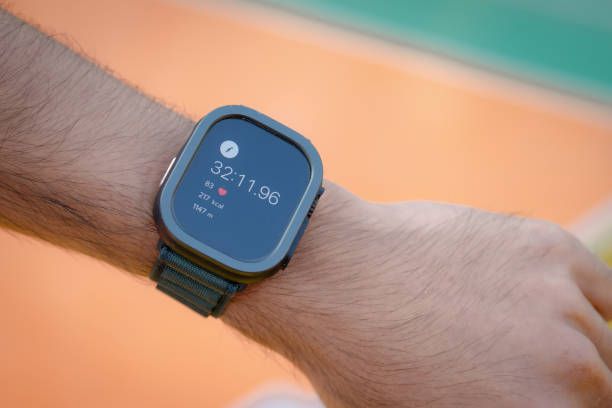
    • Integrate data from your smartwatch (heart rate, sleep quality, activity levels, SpO2) to get an early warning of potential illness (elevated resting heart rate, poor sleep) or overexertion.
  5. AI-Powered Health Assistants:
    • Utilize reputable health apps with AI symptom checkers (like Ada or Babylon) for initial guidance, always followed by professional consultation if symptoms persist. Translation features within these apps can also be helpful abroad.

  6. Smart Medication Management:
    • Use medication reminder apps with customizable alarms accounting for time zone shifts.
    • Consider smart pill dispensers (for complex regimens) or simple timer caps that show the last time a bottle was opened.
  7. Portable Power & Connectivity:
    • A high-capacity, compact power bank is non-negotiable to keep your digital health tools operational.
    • Consider a global SIM card or robust eSIM plan for reliable, affordable data access anywhere – essential for telehealth and accessing health information.

2025 Special Considerations:

  • Climate Resilience: Factor in extreme weather. Add cooling towels, electrolyte tabs, and potentially compact water purification tablets/straws if traveling to areas with questionable water security.
  • Mental Wellness: Include resources like meditation app subscriptions or contact info for telehealth therapists. Jet lag management tools (like Timeshifter) are increasingly valuable.
  • Supply Chain Savvy: Order prescription refills and specialized items well in advance due to potential global supply fluctuations.
  • TSA & Customs Ready: Keep medications in original, clearly labeled containers. Pack liquids/gels compliantly. Have documentation readily accessible for any medical devices.
Jet lag management app, portable water purifier, and heat care travel gear for climate resilience

Assembling Your Smart Kit:

  1. Consult Your Travel Medicine Pro: This is step zero. Get personalized advice based on your health, itinerary, and activities for 2025.
  2. Choose the Right Bag: Durable, water-resistant, and well-organized (clear compartments help). Consider TSA-friendly designs.
  3. Organize Digitally: Set up your digital health vault and essential apps before you travel. Ensure offline access where possible.
  4. Test Your Tech: Charge and test all devices. Know how they work and connect to your phone.
  5. Know Your Insurance: Understand exactly what your travel health insurance covers and how to activate it in an emergency.
Essential travel first-aid kit with prescription medications and bandages neatly organized

The DoctorTravelLog Prescription:

The 2025 Smart Travel Health Kit isn’t just about what you pack; it’s about seamlessly integrating technology, information, and preparation. By combining the timeless essentials with intelligent digital tools and proactive planning, you empower yourself to handle minor issues confidently and access critical help swiftly for more serious situations. Invest in your health tech before your trip – it’s the smartest travel insurance you can have.

Modern travel health kit with smart gadgets, bandages, and digital health devices

Disclaimer: This article provides general guidance. Always consult with your personal physician or a travel medicine specialist for personalized medical advice before any trip. The specific contents of your kit must be tailored to your individual health needs and destination.

Dr. Mohammad Rizwan Feroz

New COVID-19 Variant Emerges in 2025: Essential Traveler Guidance

As we navigate 2025, a new COVID-19 variant (currently designated JN.1.XX by global health authorities) has emerged, prompting understandable questions for travelers. While vigilance is key, panic isn’t necessary. Here’s what you need to know to travel smartly and safely:

1. What We Know About the JN.1.XX Variant

  • Origin & Spread: Descended from the Omicron lineage (like the previous JN.1 variant), JN.1.XX demonstrates increased transmissibility. It’s rapidly becoming dominant in multiple regions.
    (World Health Organization (WHO) – Tracking Variants)
  • Symptoms: Reports suggest symptoms remain similar to recent Omicron variants: primarily upper respiratory (runny nose, sore throat, cough, fatigue, headache). Loss of taste/smell is less common. Severity appears generally mild-to-moderate for most vaccinated individuals, but can vary.
  • Vaccine/Efficacy: Current evidence indicates updated 2024-2025 COVID-19 vaccines continue to provide significant protection against severe disease, hospitalization, and death from JN.1.XX. Protection against infection may wane over time.
    (CDC – Stay Up to Date with COVID-19 Vaccines)

2. Current Travel Restrictions & Requirements (June 2025)

The landscape is fluid! Rules vary significantly by country and can change rapidly:

  • Testing: Some destinations may reinstate pre-departure or arrival testing requirements, particularly for unvaccinated travelers. Always check before you book and immediately before travel.
    (Kayak Travel Restrictions Map)
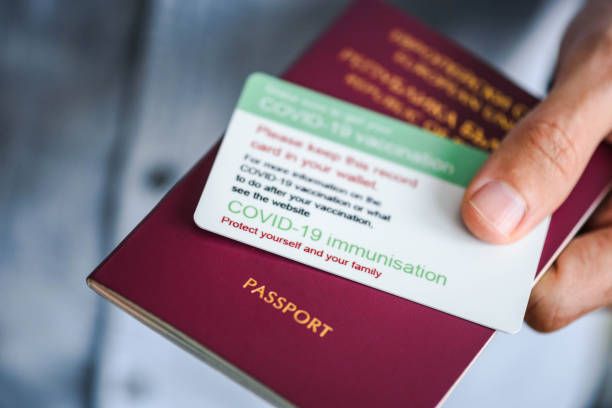
  • Vaccination Proof: While many countries lifted mandates, some may require proof of vaccination (especially the latest booster) or recovery for entry. Carry digital/physical copies.
  • Quarantine: Targeted quarantine rules may apply for symptomatic arrivals or those testing positive. Know your destination’s policy.
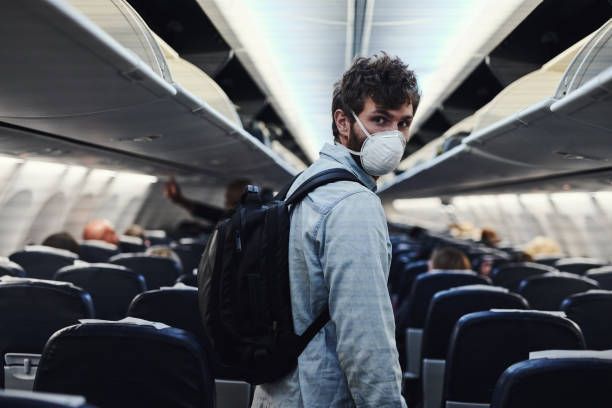
  • Mask Mandates: Airline and airport policies vary. Some countries or specific settings (hospitals, public transport) might still require masks. Pack high-quality masks (N95/KN95/KF94).

3. Essential Precautions for Travelers

  • Get Boosted: The single most important step. Ensure you’ve received the latest 2024-2025 COVID-19 booster designed to target recent variants. Allow 2 weeks for full effect before travel.
    (Find Vaccines – Vaccines.gov)
  • Pack a Travel Health Kit: Include high-quality masks, rapid antigen tests, hand sanitizer (>60% alcohol), and basic fever/pain relievers.
  • Consider Travel Insurance: Choose a policy covering COVID-19-related medical expenses and trip interruptions/cancellations. Read the fine print carefully.
  • Test Strategically: Test yourself before meeting vulnerable individuals or joining group tours. Test if you develop symptoms during travel.
  • Prioritize Air Quality & Hygiene: Choose well-ventilated spaces when possible. Maintain good hand hygiene, especially before eating/touching your face.
  • Have a Contingency Plan: Know what to do and where to go if you test positive abroad (isolate, seek medical care, contact accommodation/airline, understand local isolation rules).

4. Staying Informed is Crucial

Travel Smart, Travel Safe

The emergence of JN.1.XX is a reminder that COVID-19 remains part of our global health landscape. By staying updated on vaccinations, diligently checking travel requirements, packing smartly, and staying informed through official channels, travelers can significantly mitigate risks. Responsible travel—protecting yourself and others—remains paramount. Enjoy your adventures, but do so with awareness and preparation.

Disclaimer: This information is current as of June 2025. COVID-19 regulations and variant situations evolve rapidly. Always consult official government and health organization sources immediately before and during travel for the absolute latest requirements and guidance.

Dr. Mohammad Rizwan Feroz

Top 10 Essential Tools for Travel Medicine Practitioners

Travel medicine demands agility, up-to-date resources, and specialized tools. Whether you’re advising patients pre-trip or managing illnesses abroad, these digital and physical tools streamline care. Here’s our curated toolkit:

1. CDC Travelers’ Health – Destination Guides

  • Function: Country-specific vaccine/medication recommendations, outbreak alerts.
  • Integration: Link directly to CDC pages for each destination. CDC Thailand Guide

2. WHO Vaccine Requirements Map

  • Function: Legally mandated vaccines (e.g., YF) by country.
  • Integration: Embed WHO’s interactive map using their iframe code

3. GeoSentinel Surveillance Network

  • Function: Real-time global disease outbreak alerts.
  • Integration: Link to GeoSentinel (registration required for full access)

4. Travel Health Pro (UK NaTHNaC)

  • Function: UK-based clinical guidelines, malaria prophylaxis.
  • Integration: Direct link to country advice pages

5. Epocrates or UpToDate Mobile

  • Function: Drug interactions, dosing, disease management.
  • Integration: App download links (ensure affiliate disclosures if applicable)

6. Aura: Travel Health App

  • Function: Patient-facing app for storing vaccine records/clinic locators.
  • Integration: Co-branded partnership or referral link

7. TropNet Surveillance Data

  • Function: Emerging tropical disease trends in travelers.
  • Integration: Link to TropNet reports

8. Portable Telemedicine Kit

  • Function: Remote consults (stethoscope, otoscope, high-res camera).
  • Integration: Affiliate links to brands like TytoCare or Butterfly iQ+

9. Travax (Shoreland)

  • Function: Automated itinerary-based recommendations (subscription).
  • Integration: Offer a free demo link or clinic sign-up page

10. Google Translate + Offline Packs

  • Function: Real-time translation for patient interactions.
  • Integration: Link to Google Translate with tips for offline use

Doctor’s Toolkit Resource Section


Tool/App Function Link/Integration
CDC Travelers’ Health Destination-specific advisories Direct Link
WHO Vaccine Map Legally required vaccines by country Embed Map
GeoSentinel Global outbreak alerts Member Access
Aura Travel Health Digital vaccine records for patients Clinic Partnership

Key Legal & Strategic Tips

  • Linking Legally: Use target=”_blank” rel=”noopener noreferrer” for external links. Safe to link/embed CDC/WHO. Disclose any partnerships for commercial tools.
  • Content Integration: ✅ Summarize + deep link. ❌ Avoid embedding licensed content.
  • SEO Strategy: Use keywords like “travel vaccine tool,” “malaria prophylaxis app” etc.
  • User Experience: Add filters and offer printable PDF checklist for clinics.

Why This Works

  • Trust-Building: Uses authoritative sources
  • Utility: Solves real problems like offline access/language
  • Low-Risk: Maintains copyright compliance

Dr. Mohammad Rizwan Feroz 🩺✈️


The Role of Health Insurance for Expatriate Employees in the GCC

Discover why health insurance for expatriates in the GCC is mandatory, its benefits, and how to choose the best plan. Protect your workforce with the right coverage!

GCC region map highlighting healthcare coverage

Introduction

The Gulf Cooperation Council (GCC)—including the UAE, Saudi Arabia, Qatar, Kuwait, Oman, and Bahrain—is a hub for expatriate professionals. However, working abroad comes with challenges, especially regarding healthcare access.

Since most GCC countries mandate health insurance for expatriates, understanding its importance is crucial for employees and employers. This guide explains why health insurance is vital, its benefits, and how to select the best policy.

🔗 Looking for travel health tips? Check out our guide on Staying Healthy While Working Abroad here.


Why Health Insurance is Mandatory for Expatriates in the GCC

1. Legal Requirement

  • UAE, Saudi Arabia, and Qatar enforce strict health insurance laws for expatriates.
  • Employers must provide valid medical coverage to avoid fines or visa rejections.

2. High Medical Costs

  • Without insurance, a single hospital visit in Dubai or Riyadh can cost thousands of dollars.
  • Insurance prevents financial strain from emergencies or chronic conditions.

3. Visa & Work Permit Compliance

  • Many GCC countries require proof of health insurance during visa processing.
  • Some nations (like Abu Dhabi) link insurance to Emirates ID or residency permits.

🔗 Read more about GCC Visa Requirements for Expatriates in our detailed blog.

Close-up of a health insurance card issued in UAE

Key Benefits of Health Insurance for Expatriate Employees

1. Comprehensive Medical Coverage

  • Inpatient & Outpatient Care – Covers doctor visits, surgeries, and diagnostics.
  • Chronic Disease Management – Critical for diabetes, hypertension, and heart conditions.
  • Maternity & Childcare – Essential for expatriate families.

2. Emergency & Medical Evacuation

  • Some policies include air ambulance services for critical cases.
  • 24/7 global assistance ensures help during emergencies.

3. Mental Health & Wellness Support

  • Many insurers now cover therapy and stress management—key for expatriates.

4. Benefits for Employers

  • Boosts Employee Retention – Workers value good insurance.
  • Reduces Absenteeism – Healthy employees = higher productivity.
  • Avoids Legal Penalties – Non-compliance risks fines or bans.

🔗 Learn how Employers Can Support Expatriate Health in our latest article.

Ambulance and medical evacuation icons

How to Choose the Best Health Insurance Plan

✅ Check Coverage Limits

  • Ensure the policy covers major surgeries, hospitalization, and emergencies.

✅ Verify Network Hospitals

  • Confirm if preferred hospitals (like Cleveland Clinic UAE or King Faisal Specialist Hospital) are included.

✅ Look for Add-Ons

  • Dental, optical, and wellness programs improve coverage.
  • Repatriation benefits for emergency returns to home countries.

✅ Compare Costs & Claims Process

  • Some insurers offer cashless treatments, while others require reimbursement.

🔗 Need help picking a plan? Read our Best Health Insurance for Expats in Dubai.

Doctor and expatriate discussing health insurance options

Final Thoughts

Health insurance isn’t just a legal formality—it’s a lifesaver for expatriates in the GCC. From emergency care to chronic disease management, the right policy ensures financial security and peace of mind.

Employers, investing in robust health insurance boosts morale and compliance, while employees gain access to world-class healthcare without stress.

Close-up of a health insurance card issued in UAE

Dr.Mohammad Rizwan Feroz

Hajj Health Essentials: Mandatory Precautions, Tests, Vaccines & Insurance

Preparing Spiritually and Physically for the Journey of a Lifetime

Undertaking Hajj is a profound spiritual journey, but Saudi Arabia enforces strict health protocols to protect pilgrims amid extreme heat and dense crowds. Failure to comply may result in denied entry. Here’s what you must know:


1. Non-Negotiable Vaccinations

(Mandatory for Hajj Visa Approval)

Vaccine Requirement Details Validity/Timing
Meningococcal (ACWY) Mandatory for all pilgrims. Protects against meningitis strains common in crowded settings. Administered ≥ 10 days before arrival. Valid for 5 years. Proof required.
Seasonal Influenza Required for pilgrims from high-risk countries (check annually). Highly recommended for all. Current season’s vaccine. Ideal timing: 2–4 weeks pre-travel.
COVID-19 Based on current Saudi MOH guidelines (verify yearly). Often requires primary series + booster. Check approved vaccines (e.g., Pfizer, Moderna). Negative PCR tests may suffice.
Polio Mandatory if arriving from polio-endemic countries (e.g., Afghanistan, Pakistan). Oral dose on arrival may apply. Proof of vaccination + booster within past year.

📌 Pro Tip: Routine vaccines (MMR, Tetanus, Hepatitis A/B) are strongly recommended but not Hajj-mandatory.


2. Health Documentation & Permits

  • Hajj e-Visa Health Form: Submit via Saudi’s Muqeem portal with vaccination proofs.
  • Medical Fitness Certificate: Required for pilgrims >65 years or with chronic conditions (diabetes, heart/kidney disease). Must include:
    • Physician’s clearance note
    • Recent lab tests (blood sugar, kidney/liver function)
  • Pregnancy Restrictions: Saudi bans pregnant women from Hajj. Tests may be required for women of childbearing age.

3. Critical Health Precautions

  • Heat & Hydration:
    • Temperatures exceed 45°C (113°F). Carry electrolyte sachets.
    • Avoid dehydration: Drink 3–5 liters of bottled water daily.
    • Recognize heatstroke signs: dizziness, no sweating, confusion.
  • Crowd & Infection Risks:
    • Wear N95 masks in congested areas (Mina, Jamarat).
    • Use hand sanitizer rigorously – respiratory illnesses spread rapidly.
    • Diabetics: Pack extra insulin (cooling pouch required).
  • Medication Rules:
    • Carry prescriptions + Arabic translation.
    • Banned substances: Narcotics, CBD, amphetamines (strict penalties).

4. Mandatory Health Insurance

(Hajj-Specific Requirements)

  • Coverage Must Include:
    • COVID-19 testing/treatment
    • Heatstroke emergencies
    • Medical evacuation/repatriation
    • Minimum coverage: $100,000 USD
  • Proof Required: Submit insurance certificate during visa processing.

5. Key Timeline

(Start 8 Weeks Before Departure)

Timing Action Item
8 Weeks Out – Book travel clinic appointment.
– Start meningitis/flu vaccines.
4 Weeks Out – Complete all vaccines.
– Organize medication supplies.
2 Weeks Out – Finalize medical certificate.
– Upload documents to Muqeem portal.
Travel Day – Carry vaccine records, insurance, prescriptions IN HAND LUGGAGE.

Saudi-Approved Resources

⚠️ Reminder: Rules change annually. Verify all details 60 days pre-travel via Saudi embassies.


Final Advice: Pilgrims with chronic conditions (e.g., dialysis patients) must coordinate with Saudi-accredited medical agencies. Hajj is physically demanding – prioritize your health to focus on spirituality.

May your journey be accepted and safe! 🌙


Disclaimer: This article reflects 2025 Hajj guidelines. Always consult Saudi MOH and your travel clinic for updates.

Dr. Mohammad Rizwan Feroz