On this Doctor’s Day, we honor the dedication, compassion, and tireless service of doctors everywhere. Your commitment saves lives, brings hope, and strengthens our communities. Thank you for your selfless care and for being the healing hands we all rely on.
An ER Doctor in Muscat Explains the Critical Difference
As an emergency physician working in Muscat, I see firsthand the confusion surrounding the terms “heart attack” and “cardiac arrest.” Often used interchangeably, they describe two distinct, though sometimes related, life-threatening events. Understanding this difference isn’t just medical jargon – it can be the difference between life and death. Knowing what to look for and how to react is crucial.
The Core Difference: Plumbing vs. Electricity
Think of your heart as a house:
1. Heart Attack (Myocardial Infarction): A Plumbing Problem
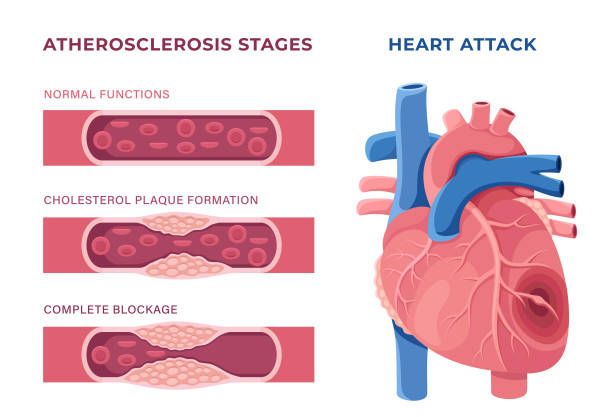
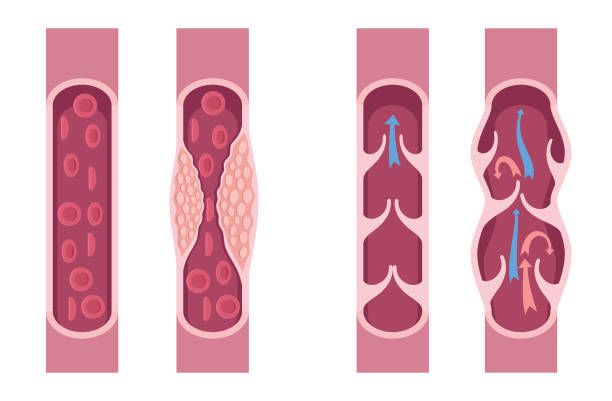
What Happens: A blocked pipe! One or more coronary arteries supplying blood to the heart muscle itself become obstructed, usually by a blood clot forming on top of a cholesterol plaque. This blockage cuts off oxygen-rich blood to a section of the heart muscle.
Analogy: A clogged pipe preventing water from reaching a specific room. That room (heart muscle) starts to suffer damage.
The Heart: Usually still beating. The problem is blood flow to the heart muscle.
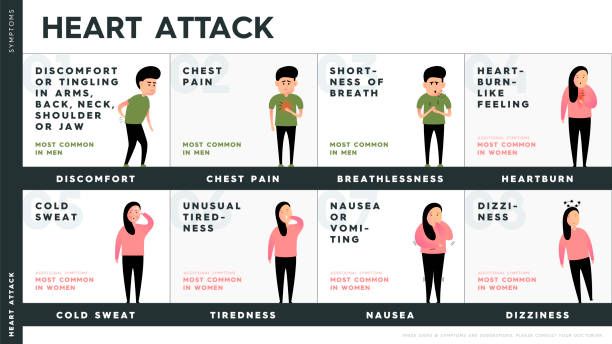
Symptoms (Often Gradual, Can Last Hours/Days):
Chest pain, pressure, tightness, or squeezing (like an elephant sitting on your chest)
Pain radiating to arm(s), neck, jaw, shoulder, or back
Shortness of breath
Cold sweat
Nausea/vomiting
Lightheadedness
Unusual fatigue
(Important Note: Symptoms can be subtle, especially in women and diabetics – don’t ignore unusual feelings!)
Outcome Without Treatment: The affected heart muscle begins to die. This damage can weaken the heart, lead to heart failure, or trigger a cardiac arrest.
2. Cardiac Arrest: An Electrical Problem
What Happens: A sudden power outage! The heart’s electrical system malfunctions, causing the heart to beat chaotically (ventricular fibrillation) or stop beating altogether (asystole). This halts effective pumping. Blood stops flowing to the brain, lungs, and other vital organs.
Analogy: The house’s electrical system shorts out, plunging everything into darkness and stopping all function instantly.
The Heart: Stops beating effectively or stops completely. No pulse. No blood flow.
Symptoms (Sudden and Dramatic):
Sudden collapse
Loss of consciousness/unresponsiveness
No normal breathing (may have gasping agonal breaths)
No pulse
Outcome Without Immediate Treatment: Death within minutes. Brain damage starts after just 4-6 minutes without blood flow.
The Critical Link: How One Can Lead to the Other
A severe heart attack can cause an electrical disturbance that triggers cardiac arrest.
Other conditions like severe arrhythmias, electrocution, drowning, trauma, or respiratory failure can also cause cardiac arrest without a preceding heart attack.
Why This Difference Matters in Muscat (and Everywhere Else)
1. Recognition:
Knowing the symptoms helps you identify the problem faster. Chest pain demands urgent medical attention before it might turn into arrest. Unresponsiveness and no breathing is cardiac arrest now.
2. Response:
Heart Attack:Call Emergency Services Immediately (999 in Oman). Every minute of delay means more heart muscle damage. Chew aspirin (if not allergic) as advised while waiting for help. Do NOT drive yourself.
Cardiac Arrest:This is an absolute emergency requiring instant action:
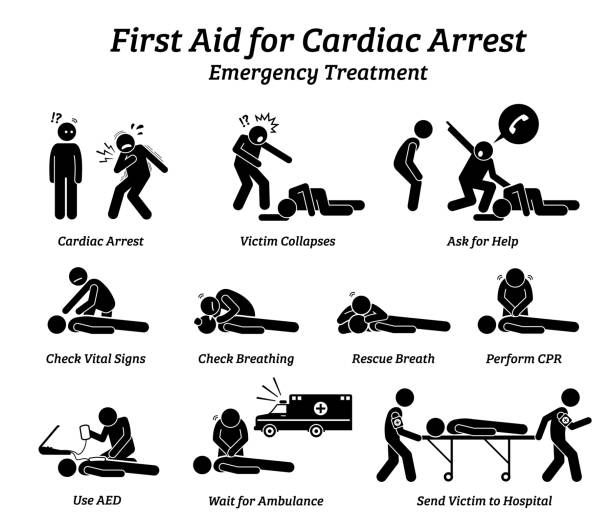
Shout for Help & Dial 999.
Start CPR (Cardiopulmonary Resuscitation) IMMEDIATELY: Push hard and fast (at least 5-6 cm deep, 100-120 beats per minute) in the center of the chest. Don’t stop until help arrives or an AED is ready.
Use an AED (Automated External Defibrillator) if available: Turn it on and follow the voice prompts. These devices can shock the heart back into a normal rhythm and are increasingly available in public places in Muscat. CPR + AED use within the first few minutes is the ONLY chance for survival.
Prevention: Your Best Defense
While not always preventable, managing risk factors significantly lowers your chances:
Control Blood Pressure & Cholesterol
Manage Diabetes
Quit Smoking/Vaping
Maintain a Healthy Weight
Exercise Regularly
Eat a Heart-Healthy Diet (Mediterranean style is excellent)
Manage Stress
Attend Regular Health Check-ups
The Bottom Line from the Muscat ER:
A heart attack is a circulation problem – blood flow to the heart is blocked. The person is usually conscious and experiencing symptoms. Call 999 immediately.
Cardiac arrest is an electrical problem – the heart stops beating effectively. The person is unconscious, not breathing normally, and has no pulse. This requires immediate CPR and an AED. Call 999 and START COMPRESSIONS NOW.
Understanding this difference empowers you to act swiftly and correctly. Share this knowledge. Encourage CPR training – it’s a lifesaving skill anyone can learn. Your actions in those critical first minutes before help arrives here in Muscat can make all the difference.
👍 Found this helpful? Show some love & follow us on Instagram @doctortravellog for expert tips & fresh updates!
💬 Got thoughts or questions? React below or drop a quick comment — no login needed!
As global temperatures continue to rise due to climate change, heatwaves are becoming more frequent, intense, and prolonged—especially in regions like the Gulf, where countries such as Oman already face extreme heat. These soaring temperatures are reshaping emergency medicine, with hospitals reporting increased cases of heatstroke, dehydration, and cardiovascular stress. Travelers and outdoor workers are particularly vulnerable, making it crucial to understand the risks and preventive measures.
The Growing Threat of Heat-Related Illnesses
1. Heatstroke: A Life-Threatening Emergency
Heatstroke occurs when the body’s core temperature rises above 40°C (104°F), overwhelming its ability to cool down. Symptoms include confusion, seizures, and loss of consciousness. Without prompt treatment, it can lead to organ failure or death.
Why Gulf Countries Are High-Risk: Oman and neighboring Gulf nations often experience temperatures exceeding 45°C (113°F), especially in summer. Travelers unaccustomed to such heat may underestimate their risk.
Case Study: In 2023, Muscat reported a 30% increase in heatstroke-related ER visits during peak summer months, with many cases involving expatriates and tourists.
2. Dehydration and Heat Exhaustion
Prolonged exposure to extreme heat leads to excessive sweating, causing dehydration and electrolyte imbalances. Symptoms include dizziness, fatigue, and muscle cramps.
Outdoor Workers at Risk: Construction workers, delivery personnel, and agricultural laborers in Oman often work in direct sunlight, increasing their susceptibility.
Travelers Beware: Tourists exploring deserts or historical sites (like Nizwa Fort or Wahiba Sands) without proper hydration can quickly succumb to heat exhaustion.
3. Cardiovascular Stress
Extreme heat forces the heart to work harder to regulate body temperature, raising the risk of heart attacks and strokes—especially in those with pre-existing conditions.
Studies Show: A 2022 study in the Journal of Environmental Research found a 15% rise in cardiovascular emergencies in Gulf countries during heatwaves.
Vulnerable Groups: Elderly travelers, those with hypertension, and manual laborers are at higher risk.
How Emergency Medicine Is Adapting
Hospitals in Oman and other Gulf nations are enhancing their protocols to handle heat-related cases:
Specialized Heatstroke Units: Some hospitals now have rapid-cooling centers with ice baths and advanced monitoring.
Public Awareness Campaigns: Governments are issuing heat advisories and mandating midday work bans for outdoor laborers.
Hydration Stations: Tourist hotspots are increasing access to free water stations and shaded rest areas.
Protecting Yourself: Tips for Travelers and Workers
Stay Hydrated – Drink water regularly, even if you’re not thirsty. Avoid alcohol and caffeine, which worsen dehydration.
Limit Sun Exposure – Avoid outdoor activities between 11 AM and 3 PM, when the sun is strongest.
Recognize Early Symptoms – Dizziness, nausea, and headaches are warning signs—seek shade and rehydrate immediately.
Acclimatize Gradually – Travelers should allow a few days to adjust to the heat before engaging in strenuous activities.
Conclusion
Global warming is not just an environmental crisis—it’s a public health emergency. As heatwaves intensify, Gulf countries like Oman are witnessing a surge in heat-related illnesses, demanding urgent adaptations in emergency medicine. Whether you’re a traveler exploring Oman’s stunning landscapes or an outdoor worker braving the scorching sun, understanding these risks and taking preventive measures can be lifesaving.
Stay informed, stay hydrated, and stay safe in the heat.
As a physician who has witnessed the devastating toll of tobacco firsthand, both in bustling city hospitals and remote clinics during my travels, I feel compelled to share the stark medical realities of smoking. It’s not just a bad habit; it’s a complex addiction driving a cascade of biological destruction. Understanding these hazards from a medical perspective is the first crucial step towards reclaiming your health and embracing a smoke-free life – essential for anyone wanting to fully experience the vitality travel demands.
Beyond the Lungs: The Systemic Onslaught of Smoke
Cigarette smoke is a toxic cocktail of over 7,000 chemicals, including at least 70 known carcinogens. Its damage is far-reaching:
1. Cardiovascular Catastrophe:
Atherosclerosis: Nicotine and other toxins damage the delicate endothelial lining of arteries. This allows LDL (“bad”) cholesterol to infiltrate the arterial wall, triggering inflammation and plaque buildup. This narrows arteries, restricting blood flow.
Hypertension: Nicotine is a potent vasoconstrictor, causing arteries to tighten, forcing the heart to work harder and raising blood pressure.
Increased Clotting: Smoking makes platelets stickier and increases fibrinogen levels, significantly raising the risk of dangerous blood clots.
Coronary Heart Disease (CHD): The leading cause of death among smokers. Plaque buildup in coronary arteries starves the heart muscle of oxygen, causing angina (chest pain) and heart attacks.
Stroke: Plaque in carotid arteries or clots traveling to the brain cause ischemic strokes. Smoking also increases the risk of hemorrhagic stroke (bleeding in the brain) by weakening blood vessels.
Peripheral Artery Disease (PAD): Reduced blood flow to limbs, causing pain (claudication), poor wound healing, infections, and potentially gangrene and amputation.
2. Respiratory Ruin:
Chronic Obstructive Pulmonary Disease (COPD): An umbrella term encompassing emphysema and chronic bronchitis. Smoke destroys lung elasticity (emphysema) and inflames airways, causing excessive mucus and chronic cough (bronchitis). This leads to progressive, irreversible shortness of breath – a thief of vitality.
Lung Cancer: The most infamous hazard. Carcinogens like benzopyrene cause DNA mutations in lung cells, leading to uncontrolled growth. Smoking is responsible for about 85% of lung cancer cases.
Increased Infections: Smoke paralyzes and damages the cilia (tiny hairs) that clear mucus and pathogens from the airways. This makes smokers far more susceptible to pneumonia, influenza, and tuberculosis.
Asthma Exacerbation: Smoke is a potent trigger for asthma attacks and worsens overall control.
3. Cancer Beyond the Lungs: Smoking is a major risk factor for cancers of the:
The Addicted Brain: Why Quitting is Tough (But Not Impossible)
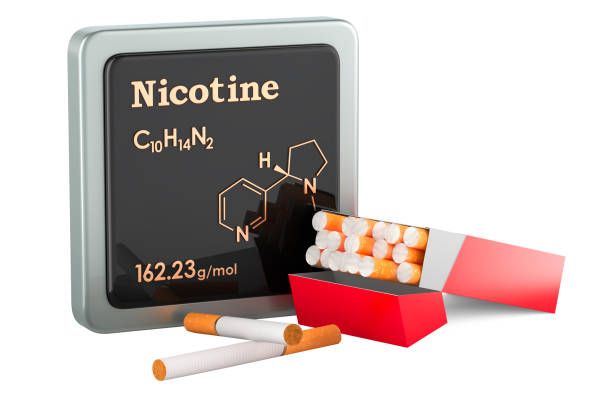
Nicotine is highly addictive, acting on the brain’s reward pathways. It stimulates the release of dopamine, creating feelings of pleasure and reinforcement. Over time, the brain adapts, needing more nicotine to achieve the same effect (tolerance) and causing unpleasant withdrawal symptoms (irritability, anxiety, difficulty concentrating, cravings, restlessness) when nicotine levels drop. This powerful neurobiological cycle makes quitting challenging, but absolutely achievable with the right strategies.
Prescribing Freedom: Evidence-Based Strategies to Quit Smoking
Quitting is the single most important step a smoker can take for their health. Benefits begin within hours and continue for years. Here’s the medical roadmap:
Commit to a Quit Date: Choose a date within the next 2 weeks. Mark it clearly.
Tell Your Support System: Inform family, friends, and colleagues. Their support is invaluable. Consider joining a support group.
Identify & Avoid Triggers: Recognize situations (morning coffee, stress, socializing) that trigger cravings and plan alternatives.
Consider Evidence-Based Cessation Aids (Discuss with your Doctor FIRST):
Nicotine Replacement Therapy (NRT): Provides controlled nicotine without the other toxins, easing withdrawal. Options include patches (steady dose), gum, lozenges, inhalers, nasal spray (for acute cravings). Can often be combined (e.g., patch + gum).
Prescription Medications:
Varenicline (Chantix): Blocks nicotine’s effects on the brain, reduces pleasure from smoking, and eases withdrawal.
Bupropion (Zyban): An antidepressant that reduces nicotine cravings and withdrawal symptoms.
Behavioral Therapy/Counseling: Highly effective, especially combined with medication. Teaches coping skills, stress management, and problem-solving strategies to overcome addiction. Available individually, in groups, or via phone quitlines (e.g., 1-800-QUIT-NOW in the US).
Manage Withdrawal & Cravings:
Delay: Urges typically peak within 5–10 minutes. Distract yourself.
Deep Breathing: Calms the nervous system.
Drink Water: Helps flush toxins and keeps hands/mouth busy.
Physical Activity: Reduces cravings and stress.
Avoid “Just One”: It almost always leads back to regular smoking.
Prepare for Relapse: Slips happen. Don’t see it as failure. Analyze what triggered it, learn from it, and recommit immediately. Most successful quitters have made several attempts.
The Doctor’s Verdict: Your Healthiest Journey Begins Here
The medical evidence is unequivocal: smoking is a primary driver of preventable death and disability worldwide. It ravages nearly every organ system, stealing years of life and quality of life. However, the human body possesses an incredible capacity to heal once the assault of tobacco ceases.
Quitting smoking is a profound act of self-care. It requires commitment, often support, and sometimes medical assistance, but the rewards – easier breathing, a stronger heart, more energy, a brighter future, and the freedom to travel without being tethered to an addiction – are immeasurable. You don’t have to walk this path alone. Consult your doctor today. Together, you can develop a personalized quit plan tailored to your needs and embark on your most important journey yet: the journey to a smoke-free, healthier life.
Disclaimer:
This article provides general medical information and does not replace personalized advice from a qualified healthcare professional. Always consult your physician before starting any cessation program or medication.
Between clinic shifts and journeys to remote health posts, one truth becomes undeniably clear: the health of a community isn’t built solely within hospital walls. It thrives in the neighborhoods, schools, workplaces, and homes where people live their daily lives. That’s the powerful message at the heart of Community Healthcare Improvement Week, observed annually from June 1st to June 8th. As both a physician and an observer of health systems worldwide (here at DoctorTravelLog), this week resonates deeply. It’s a dedicated time to recognize, celebrate, and actively participate in strengthening the vital foundation of our collective well-being: community-based healthcare.
‣ What is Community Healthcare Improvement Week?
This week serves as a national call to action. It’s a moment to spotlight the incredible work being done – often quietly and tirelessly – by community health centers (CHCs), public health departments, local non-profits, outreach workers, advocates, and countless volunteers. These are the individuals and organizations on the front lines, working with communities to address their specific health needs, break down barriers to care, and foster environments where health can flourish.
‣ Why Does Community Healthcare Matter More Than Ever?
The events of recent years have starkly illuminated the critical importance of strong, accessible, and equitable community health infrastructure. Community healthcare:
Reaches the Underserved: CHCs and outreach programs are lifelines for vulnerable populations – the uninsured, underinsured, low-income families, migrant workers, the homeless, and residents of rural or isolated areas. They provide care based on need, not ability to pay.
Focuses on Prevention: Community health excels at proactive care – vaccinations, screenings, health education, nutrition programs, and chronic disease management. Preventing illness is always more effective and less costly than treating it.
Addresses Social Determinants: Community health workers understand that health is shaped by factors like housing, food security, transportation, education, and safety. They connect individuals to vital social services, tackling the root causes of poor health.
Builds Trust & Cultural Competence: Local providers embedded within communities understand cultural nuances, language needs, and specific challenges. This builds essential trust, leading to better patient engagement and outcomes.
Promotes Health Equity: By focusing on access and removing barriers, community healthcare is a powerful force in closing the persistent gaps in health outcomes experienced by different racial, ethnic, and socioeconomic groups.
‣ Challenges on the Ground: A View from the Road
Through my travels, I’ve witnessed both inspiring community health initiatives and the significant hurdles they face. Common challenges include:
Funding Instability: Reliance on grants and government funding can make long-term planning difficult.
Workforce Shortages: Recruiting and retaining doctors, nurses, dentists, mental health professionals, and community health workers, especially in rural areas, is an ongoing struggle.
Burdensome Regulations: Navigating complex administrative requirements diverts resources from direct patient care.
Integration Gaps: Ensuring seamless communication and coordination between community providers, hospitals, and social services remains a work in progress.
The Rising Tide of Need: Increasing rates of chronic disease, mental health challenges, and the lingering impacts of health crises place immense pressure on these essential services.
‣ How Can You Participate in Community Healthcare Improvement Week?
This week isn’t just for health professionals; it’s for everyone who cares about the health of their neighbors and their town. Here’s how you can get involved, no matter your background:
Learn & Raise Awareness:
Visit the website of your local Community Health Center or Public Health Department. Understand their services and challenges.
Share information about Community Healthcare Improvement Week and the role of CHCs on social media using hashtags like #CommunityHealthWeek #CHCs #HealthEquity #PublicHealth.
Talk to friends and family about the importance of accessible local healthcare.
Support Local Efforts:
Donate: Even small contributions to your local CHC or health-focused non-profit make a tangible difference.
Volunteer: Offer your time and skills. Opportunities range from administrative help to health education support, event coordination, or even pro-bono professional services.
Attend Events: Many CHCs and health departments host open houses, health fairs, or educational seminars during this week. Participate!
Advocate:
Contact your local, state, and federal representatives. Express your support for sustained and increased funding for community health centers, public health infrastructure, and programs addressing social determinants of health.
Share stories about the positive impact community health has had on you or someone you know.
Prioritize Your Own Community Health:
Schedule a check-up or screening at your local CHC or clinic.
Participate in local health initiatives like walking groups, nutrition classes, or vaccination drives.
Support local businesses and initiatives that promote healthy food options and safe environments.
‣ A Global Perspective: Community Health in Action
From the community health workers traversing remote villages in the Himalayas to deliver prenatal care, to the integrated health and social service hubs in bustling cities like London or Toronto, the core principle remains the same: meeting people where they are. The most effective health solutions are often hyper-local, culturally attuned, and developed with the community, not just for it. Community Healthcare Improvement Week reminds us to value and invest in this essential model.
‣ The Ripple Effect: Why Your Involvement Matters
Strengthening community healthcare creates a powerful ripple effect.
Healthier individuals mean stronger families.
Healthier families contribute to more vibrant neighborhoods.
Healthier neighborhoods build more resilient and productive communities.
Investing in the health infrastructure at our doorstep is an investment in our shared future.
This Community Healthcare Improvement Week (June 1-8), let’s move beyond awareness to action.
Find your local community health center, learn about their work, and discover how you can contribute. Whether through donation, volunteering, advocacy, or simply utilizing their services, you become part of the vital network building a healthier foundation for everyone.
Let’s celebrate the unsung heroes of community health and work together to ensure these essential services not only survive but thrive.
What community health initiatives have you encountered in your own neighborhood or travels? Share your experiences in the comments below!
Let’s inspire each other with stories of local health making a global difference.
Globally observed in September (World Alzheimer’s Month) and nationally in the US during November, Alzheimer’s awareness campaigns cast a vital light on a condition that touches millions of lives across the globe, yet often remains shrouded in misunderstanding and stigma.
Here at DoctorTravelLog, where we explore the intersections of health, humanity, and the journeys we take, we pause to acknowledge the profound journey of Alzheimer’s disease – a path navigated not just by those diagnosed, but by their families, caregivers, and communities. These dedicated months remind us that understanding and action are needed year-round.
‣ More Than Just Memory Loss: Understanding the Terrain
Alzheimer’s disease is not simply “getting forgetful.” It’s the most common cause of dementia, a progressive neurological disorder characterized by a relentless decline in cognitive function that eventually erodes a person’s ability to carry out the simplest tasks of daily living. It affects:
Memory: Especially recent events and newly learned information.
Thinking & Reasoning: Difficulty concentrating, solving problems, or making judgments.
Language: Struggling to find words or follow conversations.
Visual-Spatial Abilities: Getting lost in familiar places.
Behavior & Personality: Changes like apathy, depression, anxiety, agitation, or social withdrawal.
This degeneration is caused by complex changes in the brain, including the accumulation of amyloid plaques and tau tangles, which disrupt communication between brain cells and ultimately lead to their death.
While age is the greatest risk factor, Alzheimer’s is not a normal part of aging. It’s a disease.
‣ The Expanding Map: Why Awareness Matters More Than Ever
The statistics are sobering:
Over 55 million people live with dementia worldwide (Alzheimer’s Disease International), with millions more undiagnosed.
In the US alone, over 6 million individuals have Alzheimer’s – projected to nearly triple by 2060 (Alzheimer’s Association).
Alzheimer’s is a leading cause of death, often complicated by other conditions like pneumonia.
Beyond the numbers lies an immense human cost. The journey with Alzheimer’s is often long, demanding, and emotionally taxing.
Caregivers – frequently spouses or adult children – shoulder an enormous burden, facing physical, emotional, and financial strain.
‣ These dual awareness months are crucial because:
They Fight Stigma: Misconceptions (“They’re just old,” “It’s contagious”) persist. Awareness fosters empathy and support.
They Promote Early Detection: Recognizing early signs (beyond typical age-related forgetfulness) allows for timely medical evaluation.
Treatments that may temporarily improve symptoms.
Participation in clinical trials.
Crucial time for planning – legal, financial, and care preferences.
They Highlight the Caregiver’s Journey: Caregivers are the unsung heroes. Awareness validates their challenges and emphasizes support needs.
They Fuel Research and Hope: Public awareness drives advocacy and funding. Promising tools include blood tests and new disease-modifying drugs.
‣ Charting a Course: How You Can Make a Difference (All Year Round!)
Alzheimer’s awareness isn’t confined to months – it’s a commitment. Here’s how you can help:
Prevention, Early Detection, and Support Makes All the Difference
By: DoctorTravelLog | Date: June 2, 2025
Cancer. The word itself can evoke fear and uncertainty. Yet, in the face of this complex group of diseases, one of our most potent weapons isn’t found in a lab, but within ourselves and our communities.
Awareness: Cancer awareness isn’t just about recognizing ribbons or months; it’s about empowering individuals with the knowledge and tools to reduce risk, detect problems early, navigate diagnoses, and support those affected. Knowledge truly is power in the fight against cancer.
Why Cancer Awareness Matters: The Staggering Reality
The statistics are sobering. Globally, cancer remains one of the leading causes of death. According to the World Health Organization (WHO), cancer accounted for nearly 10 million deaths in 2020. Behind these numbers are individuals, families, and communities profoundly impacted.
However, there is immense hope woven into this reality:
Prevention is Possible: The WHO estimates that 30–50% of cancers can be prevented by avoiding key risk factors and implementing evidence-based prevention strategies.
Early Detection Saves Lives: When cancer is found at an early, localized stage, treatment is often more effective, less aggressive, and survival rates are significantly higher for many cancer types.
Support Improves Outcomes: Knowing where to find reliable information, emotional support, and practical resources dramatically improves the quality of life for patients and caregivers throughout the cancer journey.
Key Pillars of Cancer Awareness
1. Understanding Risk Factors & Prevention
Lifestyle Choices: Awareness empowers people to make informed choices. This includes:
Tobacco Cessation: Smoking is the single largest preventable cause of cancer worldwide.
Healthy Diet: Emphasizing fruits, vegetables, whole grains, and lean proteins while limiting processed foods, red meat, and sugary drinks.
Regular Physical Activity: Aiming for at least 150 minutes of moderate-intensity exercise per week.
Sun Safety: Using broad-spectrum sunscreen, wearing protective clothing, and avoiding peak sun hours to prevent skin cancer.
Moderating Alcohol: Limiting alcohol consumption.
Vaccinations: Vaccines like the HPV vaccine (prevents cervical and other cancers) and Hepatitis B vaccine (prevents liver cancer) are crucial prevention tools.
Environmental & Occupational Hazards: Awareness of potential carcinogens (like asbestos, certain chemicals, air pollution) allows for risk mitigation.
2. Knowing the Signs & Symptoms
While symptoms vary widely depending on the cancer type and location, awareness encourages people not to ignore persistent changes in their bodies. Common warning signs include:
Unexplained lumps or swelling
Persistent changes in bowel or bladder habits
Unusual bleeding or discharge
Persistent indigestion or difficulty swallowing
Obvious change in a wart or mole
Nagging cough or hoarseness
Unexplained weight loss or fatigue
A sore that doesn’t heal
Crucially: These symptoms are often caused by conditions other than cancer. However, seeing a doctor promptly for evaluation is essential.
3.The Critical Role of Screening & Early Detection
Screening tests can find cancer before symptoms appear. Awareness removes fear and confusion, encouraging participation in recommended screenings like:
Breast Cancer: Mammograms (age/frequency based on guidelines)
Lung Cancer: Low-dose CT scans (for high-risk individuals, like heavy smokers)
Prostate Cancer: PSA blood test (discuss risks/benefits with your doctor)
Skin Cancer: Regular self-exams and professional skin checks
Know the recommended screening guidelines for your age, gender, and personal/family risk factors. Talk to your doctor!
4.Navigating Diagnosis & Treatment
Awareness helps individuals understand their diagnosis, ask informed questions, and participate actively in treatment decisions. It involves knowing about:
Every year on June 2nd, the world unites to honor a remarkable community of warriors: cancer survivors. International Cancer Survivors Day is more than a date—it’s a global celebration of resilience, hope, and triumph of the human spirit over one of life’s toughest challenges.
‣ Why This Day Matters
Cancer touches millions, but survivorship reminds us that a diagnosis isn’t the end. It’s a testament to :
Advances in medicine
Power of early detection
Strength of patients and support networks
This day:
Celebrates those living with, through, and beyond cancer.
Raises awareness about ongoing challenges survivors face, from physical after-effects to emotional healing.
Inspires those currently battling the disease by showcasing stories of hope.
🌿 The Unseen Journey
Survivorship isn’t just about remission—it’s a lifelong journey. Survivors navigate:
Physical Recovery: Managing side effects, fatigue, and long-term health changes.
Emotional Healing: Overcoming fear of recurrence, anxiety, and reclaiming identity.
Social Reintegration: Returning to work, relationships, and “normal” life with renewed perspective.
“Survivor-ship is my ‘badge of honor’… It’s about thriving, not just surviving.” — Kris Carr
🤝 How You Can Participate
1. Amplify Voices: Share survivor stories on social media using #CancerSurvivorsDay. Personal narratives spark hope and reduce stigma.
2. Support Survivor-Led Initiatives: Donate to organizations providing post-treatment resources e.g.
3. Host a Local Event: Organize a virtual meet-up, wellness workshop, or fundraising walk.
4. Offer Practical Help: Cook a meal, run errands, or simply listen—small acts uplift spirits
5. Prioritize Prevention: Encourage screenings. Early detection saves lives.
🧬 A Future Fueled by Hope
Medical breakthroughs—immunotherapy, targeted therapies, and personalized care—are extending survival rates and improving quality of life. Yet, the heart of survivorship lies in community: families, friends, healthcare heroes, and fellow survivors who turn empathy into action.
💌 A Message to Survivors
To every survivor: Your strength reshapes what’s possible. You teach us that vulnerability is power, that scars tell stories of victory, and that every sunrise is a gift. Today, we celebrate YOU—not just for surviving, but for lighting the way for others.
🎗️ Join the Movement
This June 2nd, pause to honor survivors in your life. Share this article, wear a symbolic ribbon (lavender represents all cancers), or reach out with a heartfelt message. Together, we prove that beyond cancer, there is life, love, and limitless hope.
“Once you choose hope, anything is possible.” Christopher Reeve
DoctorTravelLog stands with survivors worldwide. Explore our resources on cancer support, prevention tips, and survivor stories drrizwan786.wordpress.com.


















 Doctor Travel Log